Shio Koji: How This Fermented Seasoning Tenderizes Meat
Jan 31,2019
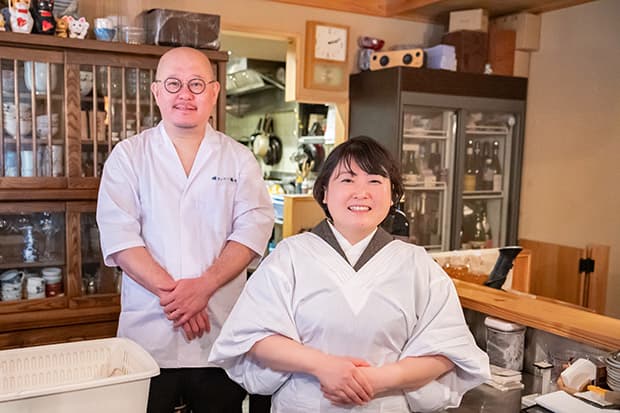
In this series, Oda Haruna, a Fermentation Meister from Marukome Co., Ltd.’s Public Relations Department, answers your common fermentation questions. This time, she explains why fermented seasonings tenderize meat.
More and more people are turning to simple, delicious meat dishes made by marinating the meat in fermented seasonings like salted koji malt before grilling. But why do fermented seasonings actually make meat more tender? Oda lets us in on the secret.
Protease is the key to tenderizing meat
Let’s cut straight to the chase: Why do fermented seasonings make meat more tender?
“Koji mold, found in fermented seasonings like salted koji and soy sauce koji, contains several types of enzymes. One of these enzymes is protease. Protease breaks down the proteins in meat, making it tender. That’s the mechanism by which it works.
“Proteins are made up of many molecules linked together. If you think of it conceptually, the enzymes act like scissors, snipping the proteins into smaller pieces. The broken-down proteins then turn into amino acids, which are umami flavor components.”
Fermented seasonings include miso and soy sauce as well as items like salted koji, soy sauce koji, and yogurt. Meat is sometimes marinated in yogurt or saké. Is this also done to make meat tender?
“Unlike salted koji, yogurt mainly contains lactic acid bacteria. While this bacteria does contain enzymes, its protease activity isn’t particularly strong. Yogurt does help tenderize meat somewhat, but its primary purpose is to keep the meat moist. So, salted koji or soy sauce koji will make the meat significantly more tender if marinated for the same amount of time.
“Salted koji is made by adding salt to rice koji, while soy sauce koji adds soy sauce, so they inevitably contain more koji mold than other fermented seasonings. More koji mold means stronger enzyme activity. If you leave thinly sliced sashimi marinated in salted koji, it can actually turn mushy and dissolve. The protein-breaking power of salted koji and soy sauce koji is really potent.”
Other benefits include longer shelf life and enhanced umami

What are some other benefits of marinating food in fermented seasonings, besides making meat more tender?
“Since salted koji and soy sauce koji have high salt content, marinating with them has the benefit of extending the shelf life of food. Meat and other foods will last longer than if you just put them in the fridge as is. So if you’re not eating something right away or have bought food items in bulk, I suggest marinating the food in fermented seasonings and storing it in the freezer.
“Also, the amino acids released when enzymes break down proteins really boost the umami components in food. Your food will turn out so delicious you won’t need any seasonings other than salted koji or soy sauce koji.”
So there are many benefits to be gained simply by marinating meat, without any cooking hassles. And it’s supposed to be good for your body too.
“What the enzymes in salted koji and soy sauce koji do also takes place inside the body. Fermented foods break down food to some extent through the action of enzymes, making them easier on our bodies. It makes sense that amazake [a sweet drink made from koji] and fermented foods have been used since ancient times, even during the summer heat when we feel exhausted and lack energy.”
Adjusting the marinating time according the type of food and its thickness
This brings up the question of how long you should marinate your food in fermented seasonings.
“It depends on the thickness of the meat, but as a general rule, marinating meat for 20 to 30 minutes will make it sufficiently tender. Fish varies from about 30 minutes to overnight. As I said before, if you marinate fish too long, it can become mushy and fall apart. For sashimi-grade fish, just lightly rub the fermented seasonings in. About 10 minutes is fine.”
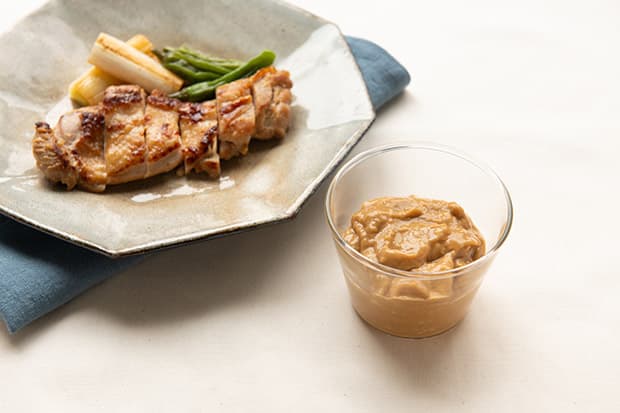
But although grilling meat or fish marinated in salted koji is a classic way to eat it, one downside is the salted koji tends to scorch easily while grilling.
“The sugar in the rice koji caramelizes when heated, so having a rice-koji seasoning coated on the meat’s surface alone makes it prone to scorching. You could rinse the salted koji off before grilling, but that would be a waste, right?
“The solution is to wipe the salted koji off the surface before grilling and then later heat the removed salted koji to use as a sauce. This way, there’s no waste, and the meat should turn out with a nice grilled appearance.”
Recommended recipes that use fermented seasonings

To end this article, we asked Oda for daily recipes she likes that use various fermented seasonings.
“Pickling vegetables in salted koji is good. But I like adding salted koji to miso and yogurt to make a pickling bed. A pickling bed makes the flavor of the pickled vegetables more complex and more delicious.
“Another thing I like to do is make carpaccio by lightly rubbing salted koji into sashimi-grade fish. The saltiness and umami this adds means you can enjoy the carpaccio by simply drizzling olive oil over it. And if you accidentally marinate the fish too long, try placing it on rice for ochazuke [rice in green tea].
“Whether it’s meat or vegetables, marinating for too long will make things too salty. If this happens, wipe off the fermented seasoning from the ingredients or rinse them to remove the saltiness. It’s interesting that freezing stops fermentation, so you can freeze ingredients to prevent them from marinating too long and becoming salty. Definitely give it a try.”
As an extra, we have another easy-to-prepare recipe that features fermented seasonings, especially salted koji. This recipe has many variations beyond the classic method of simply marinating meat in salted koji and grilling it. Use this recipe to get inspired and incorporate more fermented seasonings into your cooking.
Steamed chicken breast made with salted koji
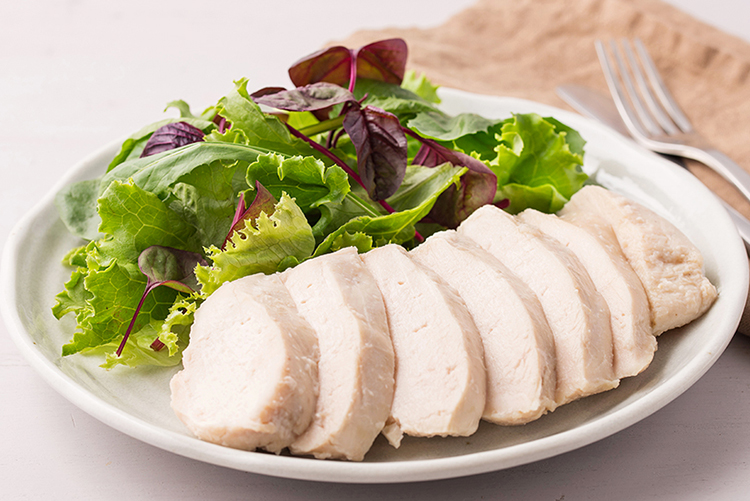
All you need is a rice cooker. A super-easy recipe you can make without a stovetop.
▶See here for a detailed ingredient list and directions.
Genovese-style sauce made with salted koji and green perilla leaves
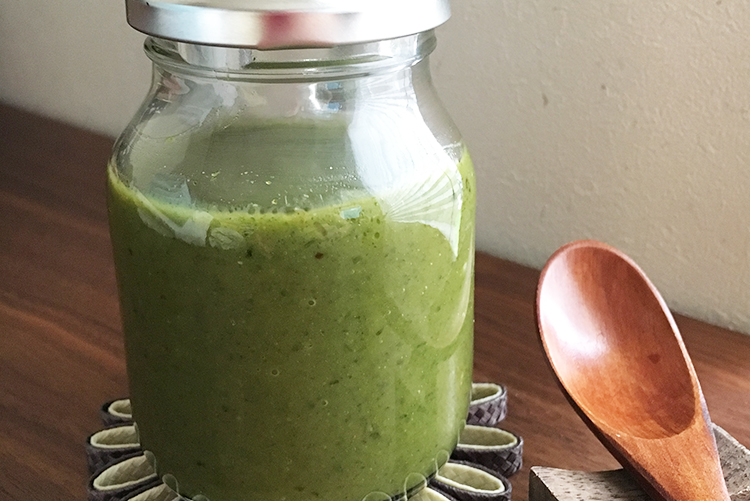
This sauce can be used in a myriad of ways, such as tossed with a pasta or paired with grilled meat or fish.