With fermented foods growing in popularity these days, many people have either tried making miso at home or are interested in doing so. While miso can be made simply by mixing soybeans, koji [rice malt], and salt together, the actual process of doing it leads to various questions, like “Why is the fermentation not going well?” “Why is mold forming on my miso?” and “How do I know when it’s ready?”
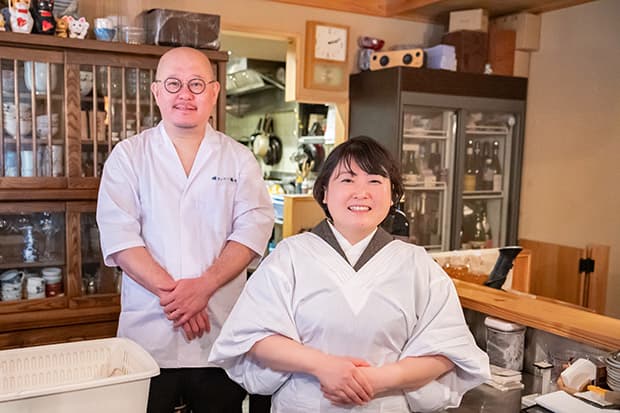
Thankfully, Oda Haruna, a Fermentation Meister from Marukome Co., Ltd.’s Public Relations Department, is here to solve all your concerns about tending to your homemade miso.
Homemade miso is so interesting because it’s a living organism
With fermentation becoming more accessible these days, the number of people making their own miso is growing year by year. Many participate in workshops or use make-at-home miso kits.
“I had the chance recently to attend an event at a workshop to taste the miso the participants had made. The participants had originally mixed together all the miso ingredients in a large container and then divvied up the raw miso to take home and let it ferment and age. On this day, they brought their finished miso back to the workshop and tasted each side by side. The flavors, colors, and aroma were unbelievably different.
“I suspect these differences can be explained by the different temperatures and humidities in each home, where the miso was stored, and whether it was exposed to air during the process. The experience made me realize, once again, that miso is a living organism.”
Just as Oda says, miso is a living organism and its flavor changes depending on who makes it. These differences are part of the fun of making your own miso, but for first-timers, especially, there are many unknowns. So let’s clear up some common questions about homemade miso right now.
Reassuring answers to frequent questions about homemade miso
Question 1 — Most homemade miso is left to ferment at room temperature. But what kind of place is optimal for storing miso as it ferments?
“There are two key points you need to follow: it must be a warm location and not exposed to direct sunlight. The miso needs to be at a temperature between 25°C and 30°C for the fermentation to progress smoothly. So, if you leave it in an unheated spot during winter or in an air-conditioned room during summer, the fermentation will slow down and it will take much longer to finish.”

“If the fermentation is not progressing well, I recommend warming up the miso by either placing the container, covered up with cardboard on top, in a sunny spot or leaving it under the blanket of a kotatsu heater.
“The one absolute no-go is putting it in the refrigerator. The fermentation will almost completely stop at refrigerator temperatures. Therefore, always store your miso at room temperature. Even if you can’t maintain it at 25°C to 30°C, the fermentation will still proceed, just more slowly. If stored long enough, it will eventually turn into proper miso. So don’t worry.”
Question 2 — I’m concerned about mold while my miso is fermenting. What should I do if mold forms? And is there anything I can do to prevent mold?
“After preparing the miso, make sure to remove all air from inside and cover the surface tightly with plastic wrap to prevent any exposure to air.
“If you spray the miso with high-proof shochu [a distilled alcoholic beverage] using a spray bottle before covering it up, it will be even less prone to mold. If mold does appear despite this, scrape all the mold off the surface, spray the miso with alcohol again, and re-wrap it. Your miso should be fine.”
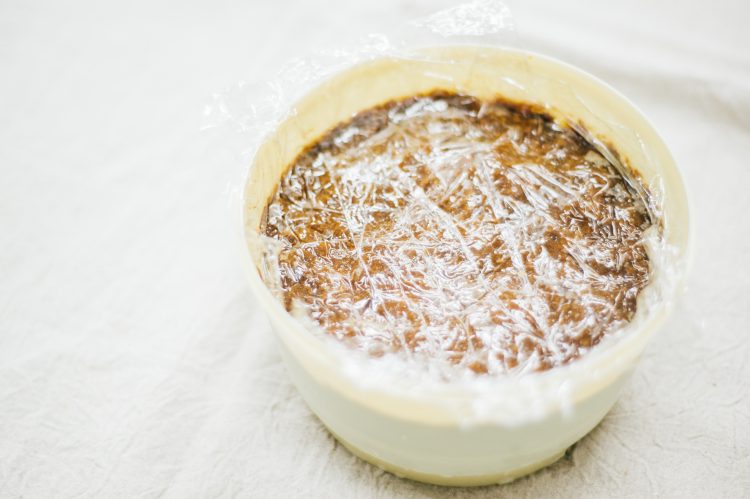
Make sure to wrap the entire surface down securely, even where the miso meets the container, to prevent air from getting in
Question 3 — I’ve heard it’s good to turn the miso over halfway through the maturing process. Is this absolutely necessary?
“If you are making a few kilograms on your own at home, you don’t necessarily need to turn the miso over. In fact, turning it over can trap oxygen in the miso, which may accelerate oxidation and cause the flavor to deteriorate. So I think it’s better to just leave it alone without doing anything.”
Question 4 — It’s generally said that preparing miso in the cold winter months is best. Should I avoid making miso in the other seasons?
“Absolutely not. That saying exists because unwanted bacteria are less likely to appear during the cold winter months. People also say that because the fermentation and aging processes proceed more slowly in wintertime, it results in better tasting miso.
“Nevertheless, it’s perfectly fine to prepare your miso any time of year. In fact, if you don’t want to wait long to taste your miso, the summer is better, because the maturation process is shorter. The concern in hot weather is the growth of unwanted bacteria. So make sure to sterilize your containers thoroughly with boiling water.”

Question 5 — How can I tell when my miso is ready?
“The key indicators are color and taste. Taste your miso, and if you think it’s delicious, then it is ready. If it tastes overly salty or lacks umami, that means it’s not ready yet, so let it ferment some more.
“Some people might leave their miso untouched for months after making it, but if you started in winter, I recommend checking on it around the four-month mark. If you started in summer, check after two months or so.”
Question 6 — If you leave your miso as is once it has reached your preferred taste, the fermentation will continue, right? How should I store it to keep it at that ideal state?
“If you store the finished miso in its original container in the refrigerator or freezer, it won’t ferment any further. If I had to choose, I’d recommend the freezer over the refrigerator since the door is opened less frequently.
“The miso I brought today was made two years ago and has been stored in a freezer ever since. Even when frozen, miso doesn’t become rock-hard, so it’s easy to use whenever you need it.”
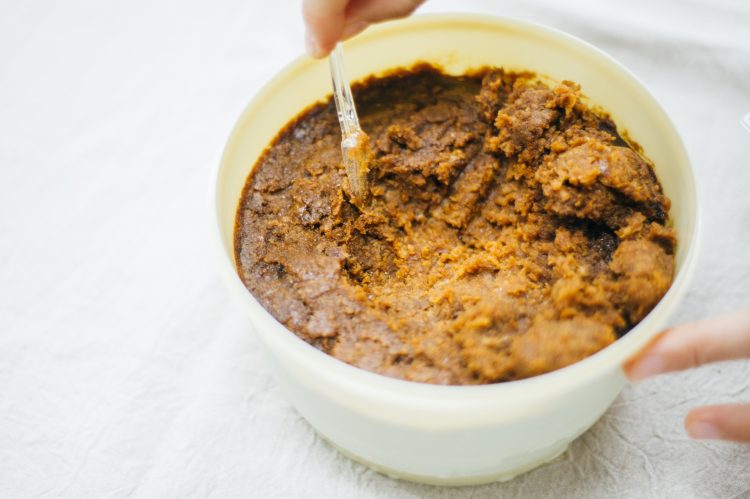
Miso stored in a freezer does not freeze hard at all
No need to stress over homemade miso
As long as you follow the basics, like sealing the miso so it isn’t exposed to air and storing it away from direct sunlight, homemade miso doesn’t require excessive caution. Just knowing this should lower the barrier to entry quite a bit. But what if it doesn’t turn out quite as expected, despite your best efforts?
“Even if the result not suitable for miso soup, you can use it as a secret taste in your cooking or mix it with mayonnaise to make a dipping sauce.
“My personal recommendation is to mix yogurt and miso together in a 1:1 ratio to make a pickling bed and then pickle cucumbers, myoga ginger, carrots, and other vegetables in the bed for one to two days. The yogurt keeps the vegetables from getting too salty, giving you a simple, pickled flavor similar to nuka-zuke pickles.”
There is nothing like the taste of your own homemade miso. The time from preparing it until it matures is exciting too. Definitely give it a try without overthinking it!