Lemon Sake Lees and Fermentation by Yasuda Kaori
May 15,2025
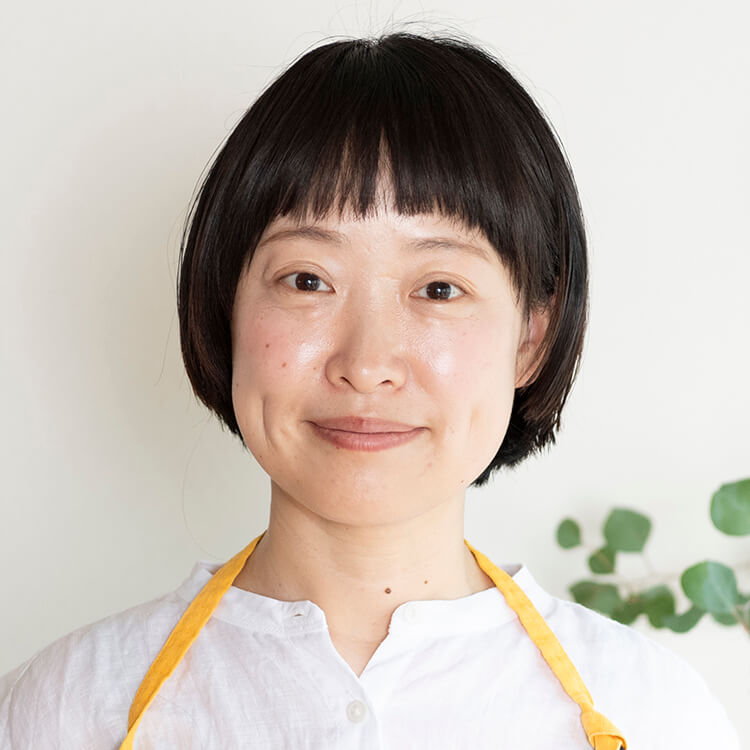
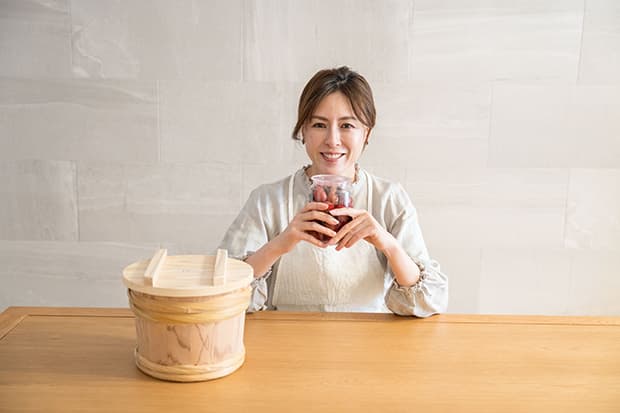
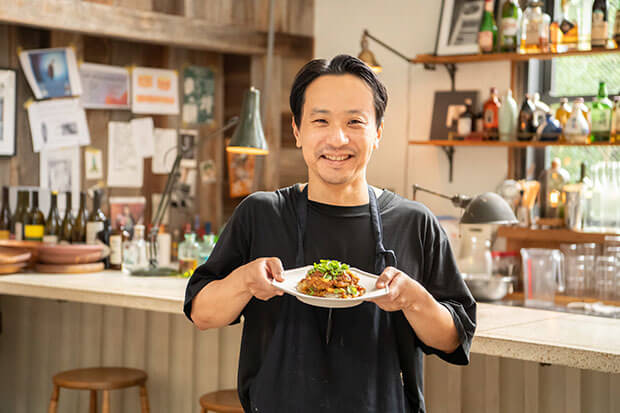
In this ongoing series, we ask food professionals for their top recommended fermented foods. Receiving the baton for this 17th installment is culinary expert Yasuda Kaori. Yasuda has roots in both Japan and Korea and grew up immersed in the rich culinary cultures of both countries. This is why learning the wisdom of fermentation and practicing it in daily life is a major theme for her. When forced to pick just one of her many favorite fermented foods, she went with saké lees. She shared with us her ideas that make saké lees more accessible and easier to use, as well as a perfect summer recipe.
Living with fermentation every day
Making fermented foods is closely intertwined with Yasuda’s daily life. Starting in spring with pickling wild edible plants and making doubanjiang [fermented chili bean paste], she ferments funa-zushi [fermented crucian carp sushi] in summer, and from autumn and through the winter, she makes heshiko [fish pickled in koji malt] and kimchi and prepares gochujang [Korean red chili paste] and miso — spending every day of the year with fermentation.
“What makes fermented foods interesting is that they don’t turn out the same, even if you make them in the same way. For example, recently I made watery kimchi using three different spring waters from Awaji Island. The only difference between them was the water. Yet, surprisingly, each of the three batches had a distinct flavor. It made me appreciate the profound depth of fermentation all over again. And I also realized that there are things that can only be made in a specific place.”

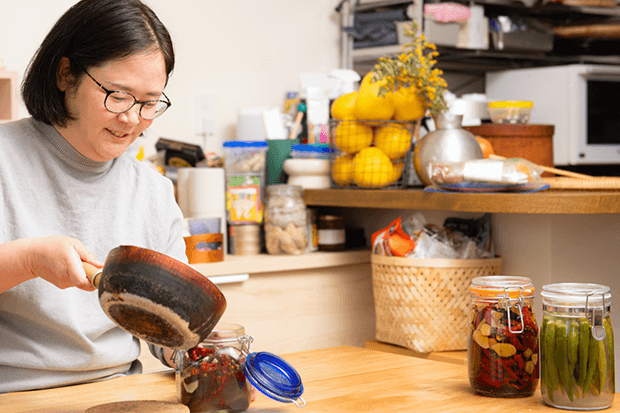
Several different homemade fermented foods are left to mature on her living room shelf
In Yasuda’s living room is a corner lined with jars of homemade fermented foods. The records and fermentation jars harmonize a strange way, creating a wonderful interior ambience.
“I recommend putting your fermented food jars somewhere where you can see them. It’s fun watching how they change in color and shape, and more importantly, you won’t forget that you made them. If you store them away in a kitchen cabinet, you might accidentally forget they exist [laughs].”

The jar on the right contains fish heads pickling in rice koji malt and salt to make heshiko. The fish sauce rises to the top as the fermentation progresses. The jars on the left covered with cloths contain gochujang made with Korean meju [dried fermented soybeans].
Neri-kasu, which is at its best in summer, is extremely versatile
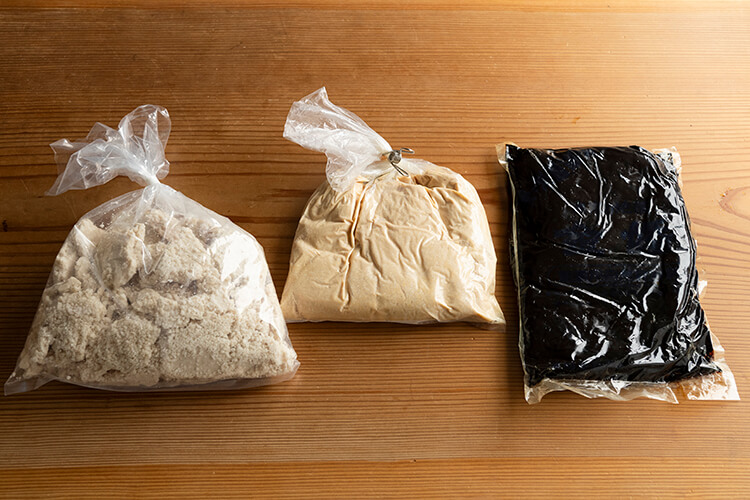
From left, bara-kasu, neri-kasu, and jukusei-kasu. Bara-kasu is the crumbled bits of saké lees left over when saké lees is pressed into sheets. Jukusei-kasu is saké lees that has been aged for an extra-long time and is used in pickling beds.
From her many favorite fermented foods, Yasuda wanted most to share a recipe featuring saké lees.
“People interested in fermented foods often tell me that they are reluctant to try saké lees. It seems many people dislike its distinctive alcoholic odor. But saké lees is highly nutritious, lengthens the shelf life of food, and, above all, its fermentation power enhances the umami flavor of food. I think it’s a shame not to use it.”
Saké lees is a byproduct of making saké. When the fermented moromi mash of rice and koji is pressed, the liquid portion becomes saké while the remaining solids become saké lees.
“The koji mold breaks down the rice starch into sugar, and the yeast ferments that sugar to produce alcohol, creating the saké. But saké is made in a rather extravagant way. The liquid is pressed out of the moromi when the flavor and aroma are at their peak, before the rice has been completely fermented. As a result, the saké lees is not really residue at all. It’s packed with nutrients that are great for your body.”
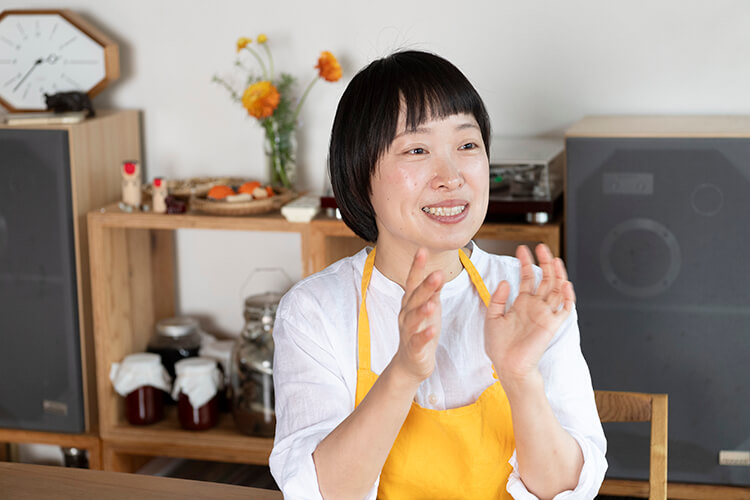
Yasuda recommends neri-kasu, saké lees in paste form that has fermented longer, over saké lees sheets.
“The fermentation of saké lees doesn’t stop, so the more time you give it, the more it decomposes. The sheets of saké lees formed when the moromi is pressed gradually dissolve through fermentation into the neri-kasu paste form. The peak ‘season’ for neri-kasu is right around summer. The extra fermentation enhances its umami and makes it easier to digest and absorb. This is why neri-kasu is a trustworthy ally for maintaining your energy throughout the summer months. Its alcohol content helps food keep longer, and since it contains no salt, you can use neri-kasu to season nearly anything, which comes in really handy.”
Lemon saké lees made with neri-kasu is refreshing, with a full umami taste
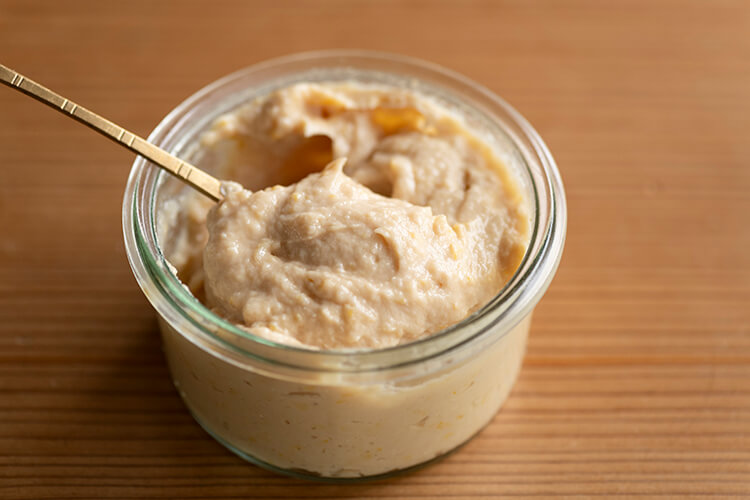
This recipe combines the umami of saké lees with the aroma of lemon to create a convenient, all-purpose paste. Yasuda also recommends making the recipe while substituting yuzu or sudachi citrus for lemon.
-
- [Ingredients]
- LemonOne lemon (around 130 grams) preferably organic
- Saké lees200 grams
- Salt10 grams
-
- [Directions]
- 1. Wash the lemon, grate the peel, and add the flesh, breaking it up while removing the white pith and seeds (squeezing in the juice is okay as well).
- 2. Place the lemon mixture from Step 1 in a bowl and add and blend in the salt. Then add the saké lees and whisk until smooth. (If you are using saké lees in sheet form, using a food processor makes this step easier.)
-
3. Transfer to an airtight container to ensure the alcohol doesn’t evaporate and store in a refrigerator. As long as the alcohol does not evaporate, the paste can be kept for two to three years.

A key tip is to include the aromatic compounds abundant in the lemon peel along with the juice. Using a Microplane grater makes grating the peel a breeze.
Boost umami and shelf life by mastering saké lees
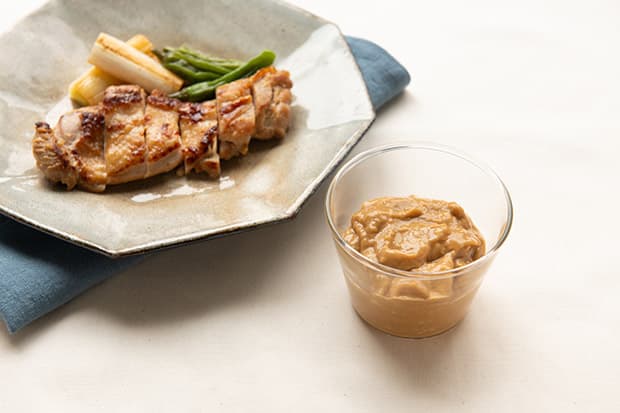
The completed lemon saké lees can be used as a marinade for meat or fish or as a seasoning to add depth to soups. And if you drink alcohol, it makes for a delicious unheated dip or sauce.
“What sets this paste apart is definitely the lemon scent. The moment you taste it, the lemon scent spreads gently throughout your mouth, masking the alcohol smell. Even if you dislike the aroma of saké lees, combining it with citrus, spices, or herbs will definitely change up your perception. I recommend people try it on vanilla ice cream or paired with cheese. Mixing it in with avocado or octopus is also fantastic.”
How about trying a special soup as a summer treat using this refreshing yet rich lemon saké lees? Its oriental vibe is perfect for summer.
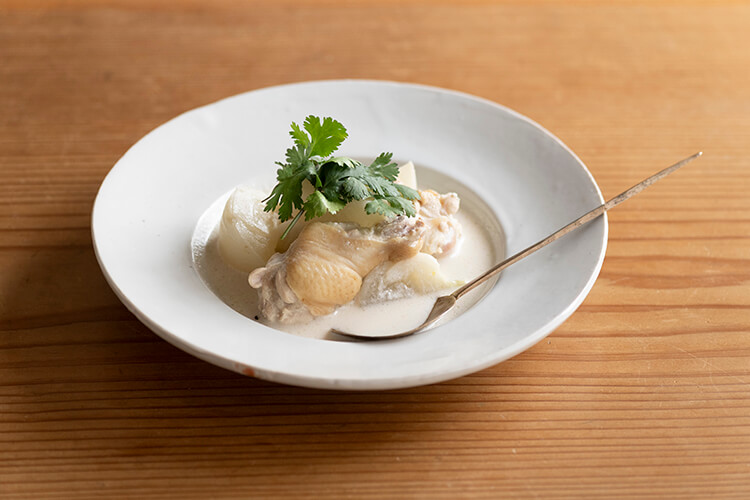
Chicken coconut soup with lemon saké lees
-
- [Ingredients](for two to three servings)
- Chicken250 grams (use parts with bones like drumsticks or wings)
- Lemon saké leesOne tablespoon
- TurnipsOne or two
- Coconut milkHalf a 200 mL can
- Fish sauce1¹/₂ tablespoons
- SaltAs needed
- Kaffir lime leavesTwo (if available; can substitute lemongrass or curry leaves)
- Thinly sliced ginger, cilantroTo taste
-
- [Directions]
- 1. Rinse the chicken, dry thoroughly, rub in the lemon saké lees, and refrigerate for half a day to three days.
- 2. Cut the turnips into bite-sized pieces.
- 3. Place 250 ml of water, the marinated chicken from Step 1, and the kaffir lime leaves in a pot. Bring to a boil, then simmer over a low heat for 20 to 30 minutes. Add the turnips at your preferred timing.
- 4. Add the coconut milk and fish sauce. Season with salt to taste. If you want more lemon flavor or richness, add more lemon saké lees. Serve in bowls and top with ginger and cilantro as preferred.
“For example, if you marinate a large pack of chicken in lemon saké lees, you can use 200 grams in a simmered dish today, 50 grams for soup ingredients and seasoning stock the next day, and fry the rest on the third day. So it can easily be extended to make all kinds of dishes. The low salt content of lemon saké lees makes it easy to blend with miso, salt, soy sauce, fish sauce, and more, so it can be arranged to suit Japanese, Western, Chinese, or ethnic flavors. Marinating in saké lees allows the chicken to keep for up to five days in the refrigerator, so you don’t have to worry about freshness. If you think you will store it longer than five days, just move it to the freezer.”
Supporting Japanese saké breweries through saké lees
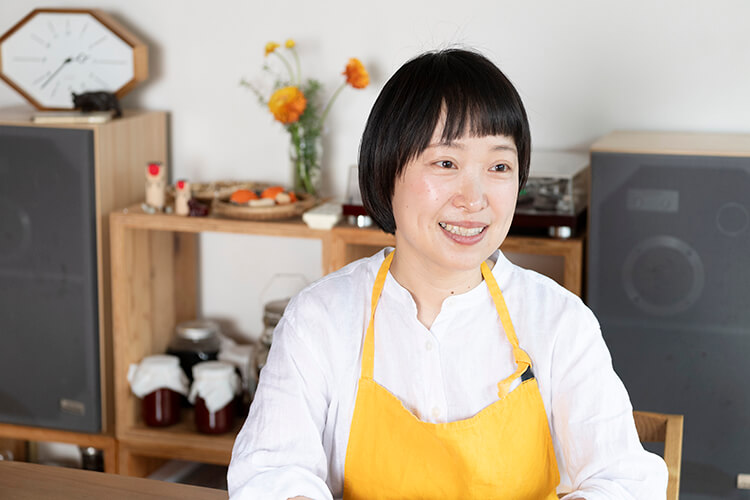
Saké lees are an inevitable byproduct of the saké brewing process. Unfortunately, in recent years, due to declining demand, a significant amount of saké lees ends up being discarded.
“As a byproduct of meticulously crafted saké with careful attention paid to both water and rice, each brewery’s saké lees has its own unique character, and that’s part of the charm. Even if you don’t drink much saké but are interested in Japanese fermentation culture, I think saké lees will be interesting for you. ‘This saké lees still has rice grains in it, so it’s likely they were aiming for a saké with a clean, fragrant taste.’ ‘This saké lees has a fresh aroma, but it’s soft — could this be the lees from a daiginjo [top-quality] saké pressed to avoid off-flavors?’ You can still enjoy saké in this way even if you don’t drink. It also gives you a fresh perspective when touring breweries on your travels. The brewers’ techniques, the tools supporting them, and the world revealed through saké lees: It’s incredibly, incredibly fascinating. Once I start talking about it, I can’t stop. [laughs]”
Learning about saké lees adds another layer of enjoyment to travel, says Yasuda. Since saké lees can be stored at room temperature, it makes an excellent souvenir unique to each region.
“I hope more people discover the charm of saké lees and enjoy eating it. That would surely help support our hard-working saké breweries and rice farmers. I recommend that people visit saké breweries on their travels with saké lees as a theme.”
For the next installment, the baton will be passed to Mihara Hiroko. Be sure to keep an eye out for her fermented food selection.