Vegetarian Cuisine and Fermented Meals at a Japanese Cafe
Dec 11,2025
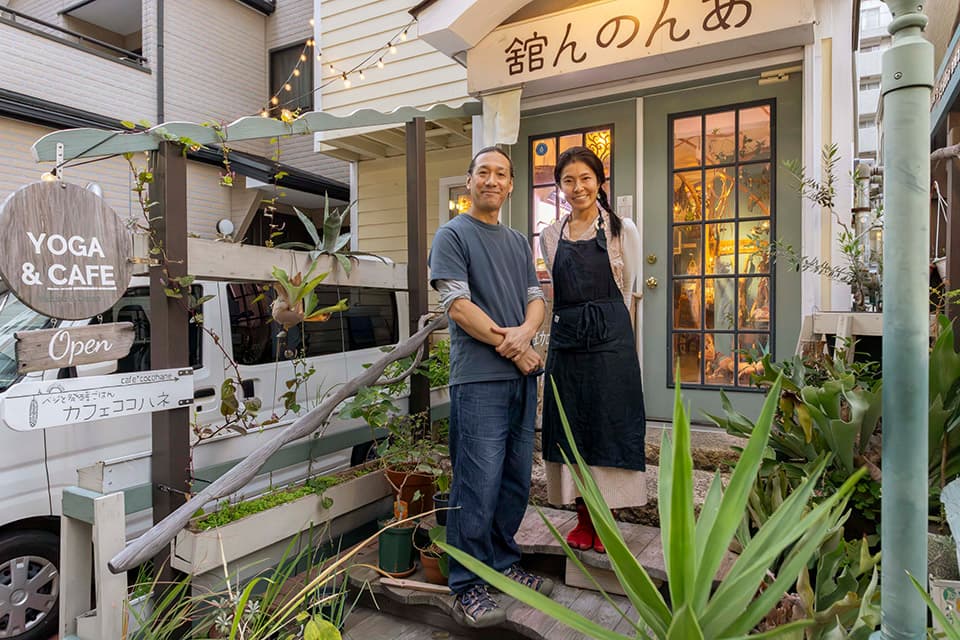
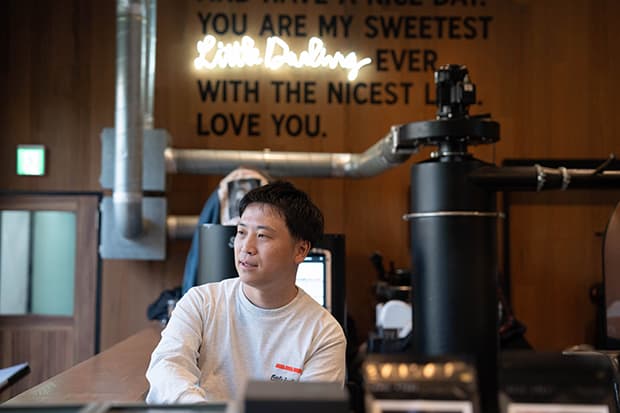
Nishinomiya offers convenient access to both Osaka and Kobe. The vicinity around Hanshin Nishinomiya Station is a thriving commercial area, while lined with streets with a calm, relaxed atmosphere. Along the central Nishinomiya shopping street — called the Ebisu Sun Road that connects to Nishinomiya Shrine, well-known for its business prosperity blessings — you will find Café Cocohane, an organic café run by Nagatani Tai and his partner Kibe Chako. Here, you can enjoy vegetarian dishes made with local organic vegetables and handmade fermented seasonings. The dishes, featuring a variety of fermented seasonings like homemade miso and soy sauce, are not only delicious but also reassuring and satisfying, which is why the café attracts regulars from afar. The story behind how this café got its start is quite unexpected.
Starting Café Cocohane with zero industry experience
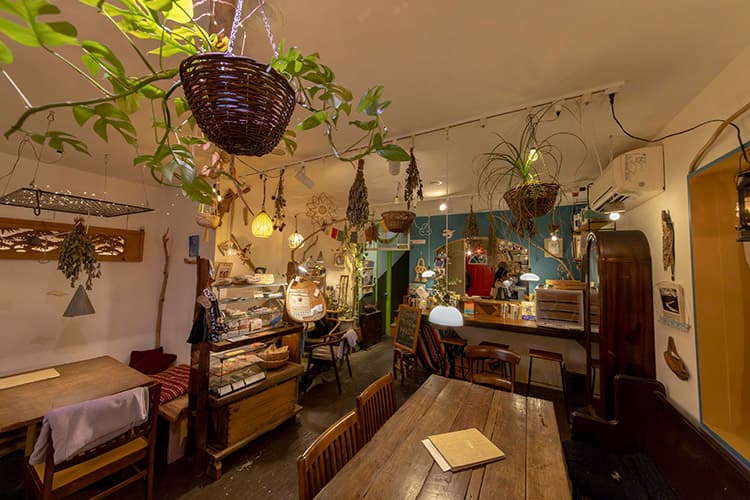
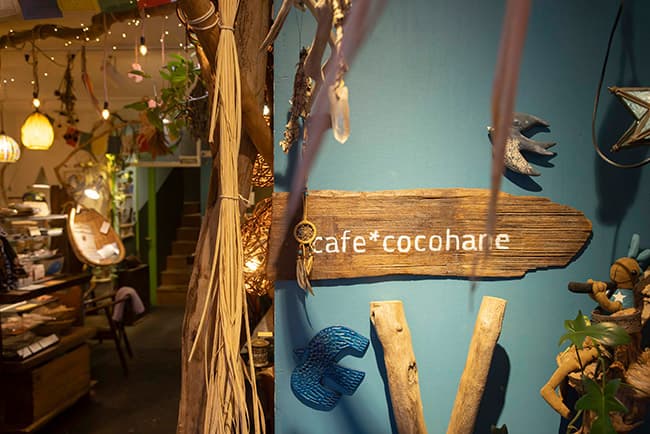
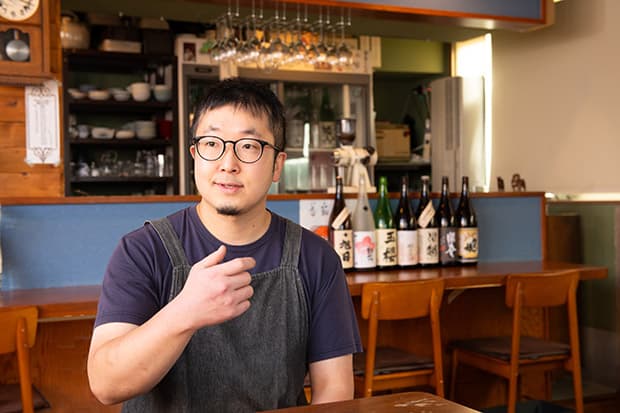
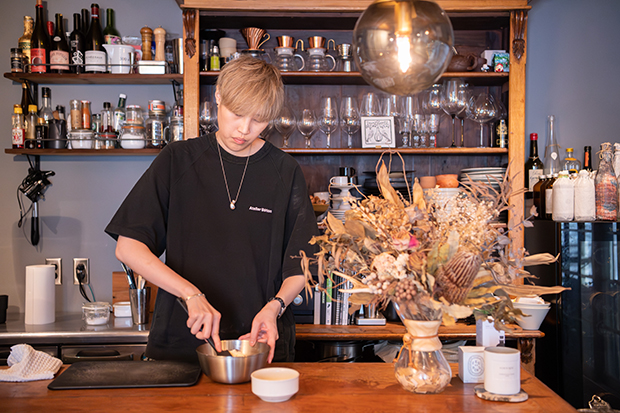
When you step into Café Cocohane, which opened in May 2019, you enter an interior decorated with greenery, dried flowers, and locally collected driftwood, which creates a relaxed ambience. The owner, Nagatani, in fact had zero experience working in restaurants or as a cook before opening Café Cocohane. For a café owner, he has an unusual background.
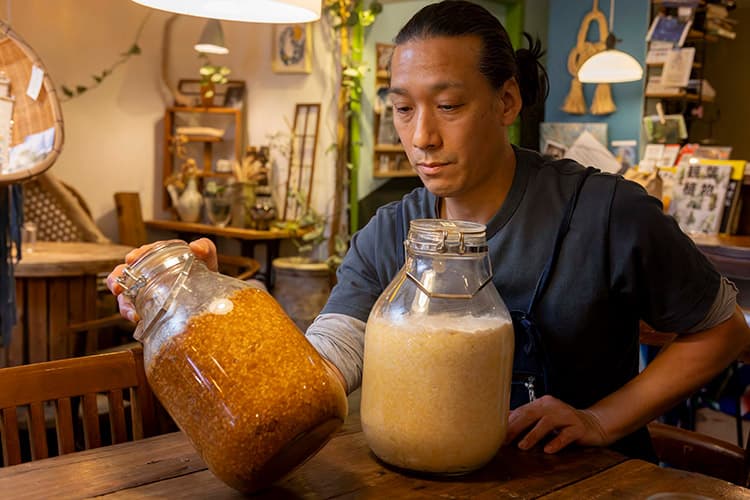
“I used to work as a dancer in the U.S. But I discovered yoga after developing physical and mental issues, and returned to Japan to work as a freelance instructor. The building that now houses the café was used by my father as a space for pottery classes and for parties with his friends after the Great Hanshin Earthquake. Sadly, my father suddenly passed away in 2012, and this place was left empty. Since I had liked cooking since I was a child and had always wanted to run a café, I decided to open a café on the first floor and a yoga studio called Studio Awai on the second floor.”
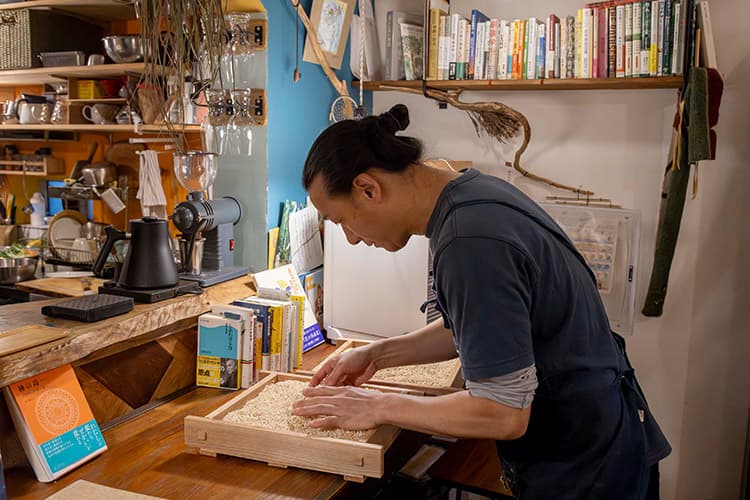
A complete turnaround from a glamorous dancer to a café owner. What guided Nagatani to start a café from scratch was a stash of fermented food his father had left.
“My father was one reason why I wanted to run a café with a fermentation theme. While making his pottery, he would also make soba noodles and miso and even help out working in local rice fields. After he passed away, I uncovered some miso he’d made stored under the shop floor. It had turned completely black, and I couldn’t even tell when it was made. Nevertheless, that miso became a source of support, a real presence of my father who had left us so suddenly. The dancing I did expressed something in the moment, but left no lasting form. But the pottery my father made remained after he was gone. Tangible works made by someone are difficult to discard, and they can sometimes become burdens for those left behind. At the same time, there’s also a loneliness in things that leave no physical trace, like dance. Cooking exists in a tangible form, yet it vanishes when eaten. Despite this, it becomes part of your body, helping to build a soul with vitality. Miso is a special food, in that it is made with human hands. Its flavor changes with the makers’ emotions and even the resident bacteria on their hands. I think it’s incredibly fascinating. I make miso myself now, though I never learned it from my father. He’s gone, but what he left behind nourishes me. I found this deeply appealing. I decided to open a restaurant centered on fermentation, hoping that when customers eat the meals we make, they’ll feel more energized and alive.”
Okara miso and brown rice miso made from scratch with koji malt: Commitment to homemade cooking with ingredients “within arm’s reach”
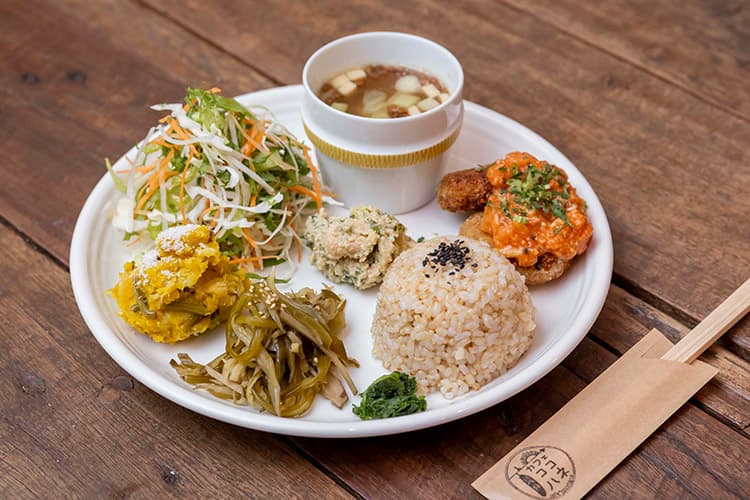
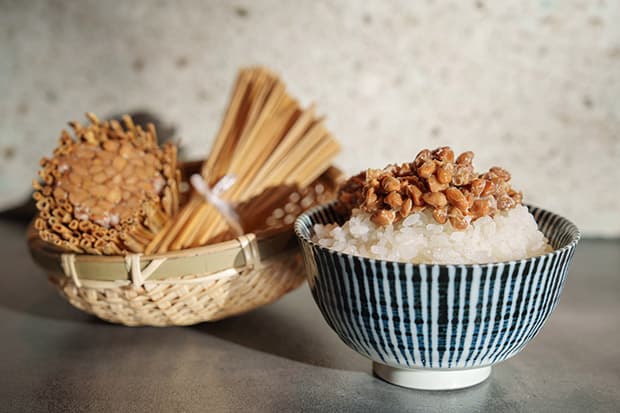
All the colorful items on the café’s menu are completely plant based, including the Buddha Plate, the Takakibi Veggie Burger [made with sorghum], the Macrobiotic Pound Cake, and the Cocohane Ice Cream. Nagatani insists on making everything himself, such as miso, soy sauce, and other fermented seasonings and fermented foods, with locally sourced ingredients that are within arm’s reach.
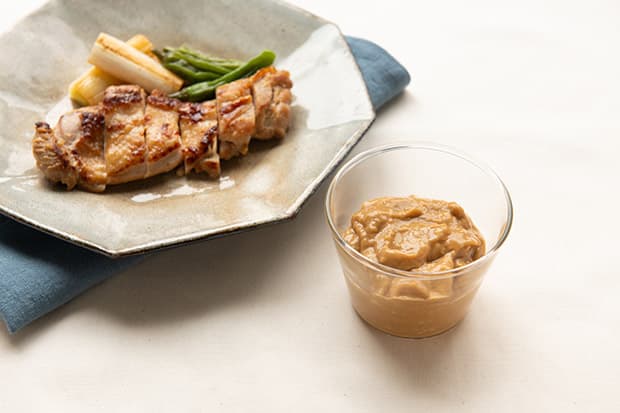
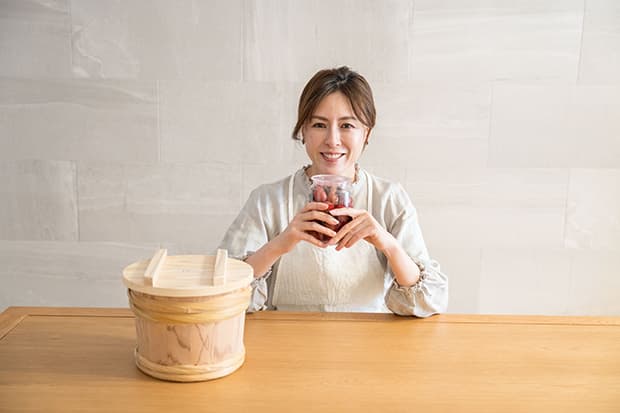
“The okara [tofu residue] used in our homemade okara miso comes from a tofu shop in Amagasaki that uses domestically grown organic soybeans. Okara miso is very easy to make — just mix the okara with salt and koji — and it finishes quick too. It comes out as a sweet miso, which is a flavor kids love. Making miso in glass jars is fun because you can really see the fermentation process happening. Covering the okara miso with saké lees prevents mold from developing, while letting you enjoy the umami flavor from the lees. We make this okara miso in our workshops too. It’s easy enough for beginners, so it’s a perfect introduction to miso-making.”
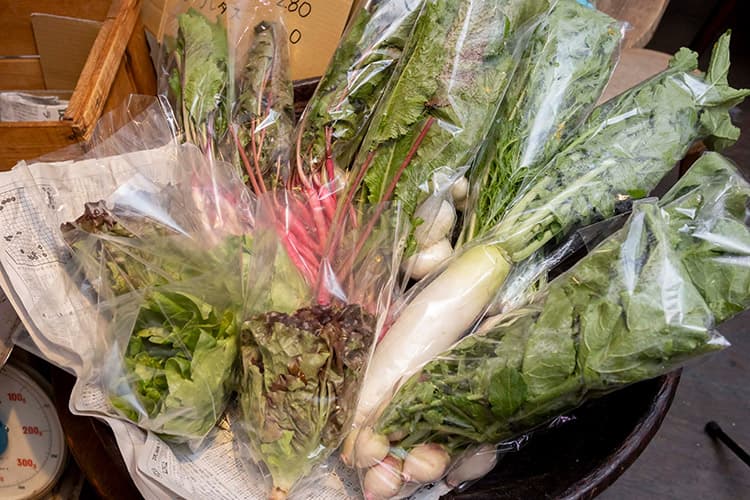
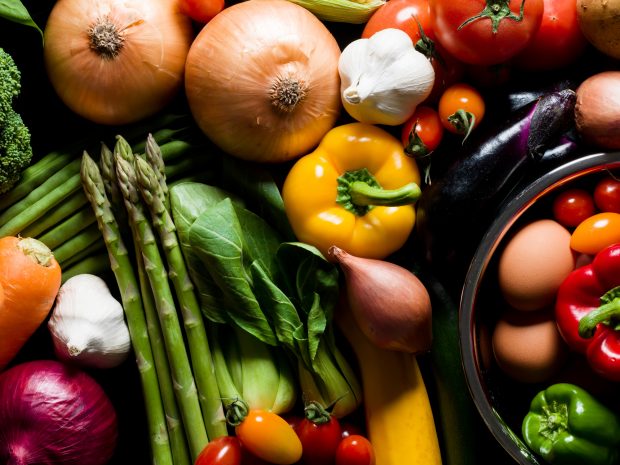
The café’s vegetables are all organic and are cultivated by nearby farmers or by Nagatani’s partner Kibe. Besides vegetables, they also grow their own rice, barley (used in miso), black beans, millet, and other grains, as well as tea leaves. The Buddha Plate, a combination of seasonal ingredients, is entirely plant-based, yet it always satisfies in size and flavor. And customers appreciate the little touches, like serving warm water in winter.
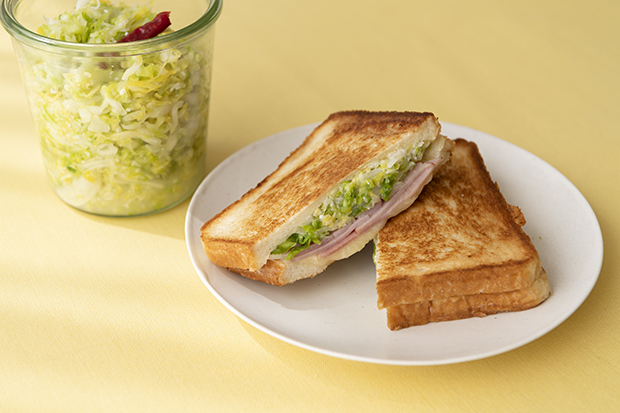
“For example, the main croquette dish is made with several varieties of beans and topped with a sauce consisting of saké lees and tomato. Side dishes include dishes with veggie meat, along with wakame seaweed stems, hijiki seaweed, mushrooms, and other items rich in dietary fiber and minerals. We design the overall meal to be balanced nutritionally. For dressings, we use homemade umeboshi [pickled plums] vinegar, lacto-fermented onions, and achar pickles. In addition to miso soup, we serve potage in summer and stews in winter, changing things up to keep them interesting. Even the hamburger buns are homemade with natural yeast. During the new moon, we serve noodle dishes inspired by soul foods from around the world. In this way, we are always experimenting and refining our menu.”
Flexible vegetarian cuisine made with ingredients that prize human connections

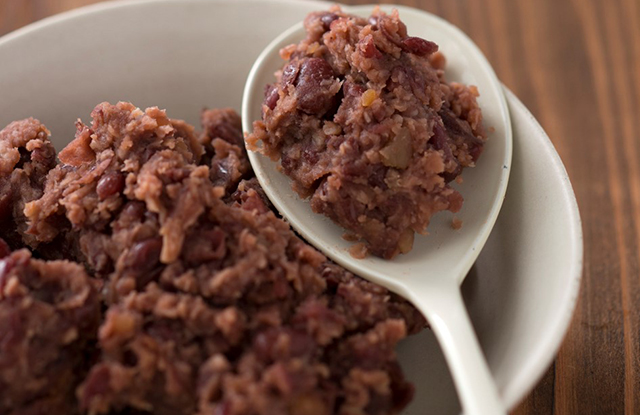
The café menu includes pound cake and cinnamon rolls, plus unusual treats like zenzai red bean soup made with finger millet, a grain commonly used in India and Nepal. These items pair perfectly with the coffee brewed with house-roasted fair trade coffee beans.
“Everyone has their own understanding of what organic means. For me, organic means something that comes into existence through the involvement of many living things. For example, soybean roots are home to nitrogen-fixing bacteria, and the functioning of these bacteria are what make soybeans grow. The same is true with fermented foods. While the effort involved can be tedious, invisible organisms and energy come together to create ingredients like miso and soy sauce. I believe the joy of fermentation and organics lies in the effort they take and the connections they foster. In the past, I was overly fixated on exactly how organic should be. But now, I try not to be so rigid. It’s more important not to push too hard and instead pour your heart into it. It’s not just about having good ingredients; the people involved are what really matter.”
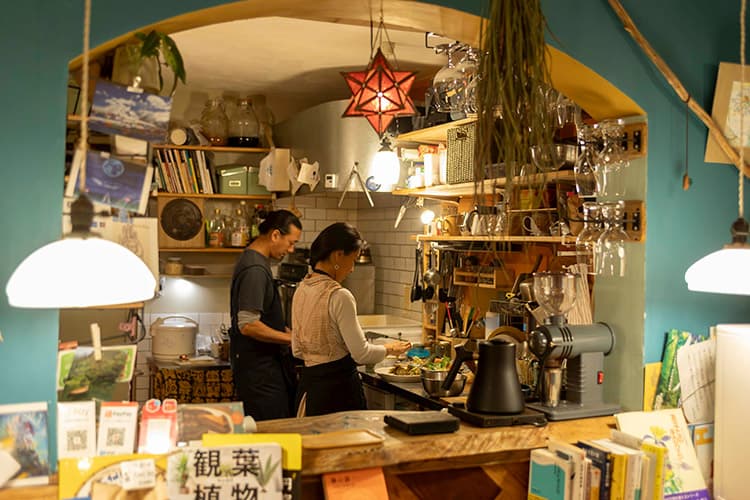
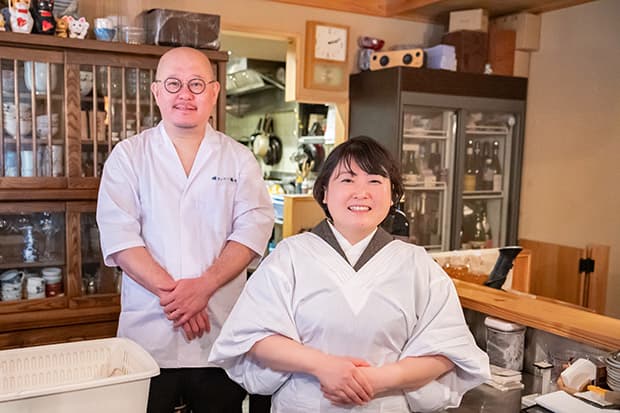
Café Cocohane is run by Nagatani and his partner, Kibe, who together handle both the cooking and serving. Since the food is prepared to order, it takes a little time. Still, many people travel long distances to enjoy delicious fermented and vegetarian dishes at reasonable prices.
“We strive to keep prices low, so that more people can enjoy our offerings. While our menu is entirely plant-based, we don’t push the idea that it’s super healthy. It’s more like we take it on as a personal challenge for us too. My health fell apart over 20 years ago while I was a dancer in the U.S. But after discovering yoga, I started incorporating gluten-free items and plant-based brown rice into my diet. At first, I was almost religious about sticking to this diet, but over time, I became more flexible. When people face constrains, they start thinking, ‘What can I do within these limits?’ and get creative. Japan has many plant-based fermented seasonings like miso, soy sauce, and koji, which offer a huge range of flavor variations. I’ve always loved cooking, and I often develop new menu items by intuition.”
Every day is a continuous practice: A vegetarian diet and yoga energize the mind and body
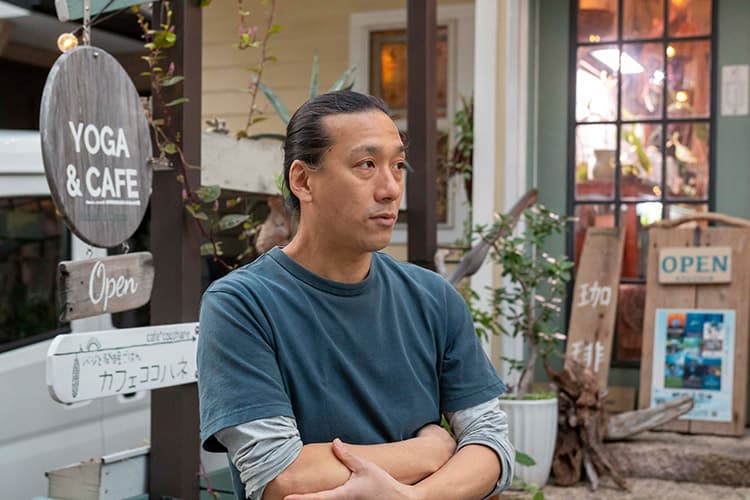
Besides operating Café Cocohane, Nagatani is also involved in miso-making workshops and working as a yoga instructor. He spoke about his future outlook, even as he spends his days busily tending to his vegetable and rice crops in between café business hours.
“Being a yoga instructor, I feel like all my daily activities are a form of practice. Yoga isn’t just about physical exercises; it’s a philosophy where even quotidian things like washing dishes are considered a form of practice. These days, I make fermented foods like miso and koji and work in the fields. But when I was in the glamorous world of dance, I was terrible at mundane tasks and hated doing them. (laughs) I think I got carried away working in a profession where I was called ‘Sensei’ for over 30 years. (laughs) The truth is that these menial tasks are what truly matter. Now that I have my feet firmly on the ground — working the land and cooking — I finally feel like I’m practicing as one should as a person teaching yoga. People tend to have this grandiose image of yoga and believe that practicing yoga will bring beauty. But as an instructor, I want people to realize that there’s real substance behind the practice. I’m terrible at remembering things. I’ll forget what I’m doing after taking just three steps. (laughs) This is why the practice is a continuous cycle of repetition, day after day. I wash the dishes as a way to express gratitude to those who came to our café, and then I wash the dishes again, wishing joy and health for the next person who uses them. The practice is about the slow accumulation of such things.”