Fermentation, Spoilage & Aging: How Microbes Shape Our Food
Oct 25,2018
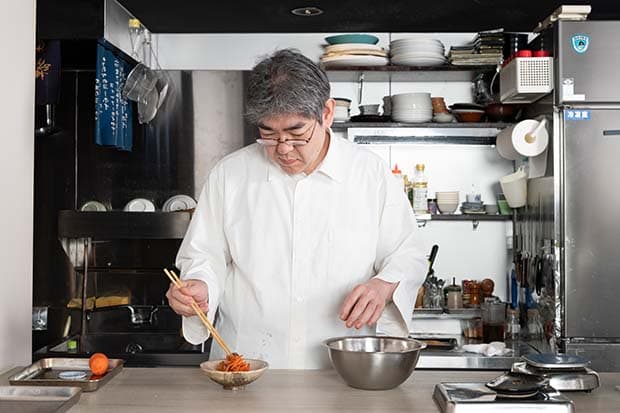
Fermentation is a natural process caused by the actions of microorganisms so small we can’t see them. Because of this, the more you get into fermentation, the more you find yourself wondering about this or that aspect of the process. In this series, Oda Haruna, a Fermentation Meister from Marukome Co., Ltd.’s Public Relations Department, answers your common fermentation questions.
First up: The differences between fermentation, spoilage, and aging. You might feel you sort of know the differences … but maybe not completely. Explaining the differences clearly can be tricky for many folks. So let’s get them straight here, once and for all.
What are the criteria for distinguishing fermentation from spoilage?
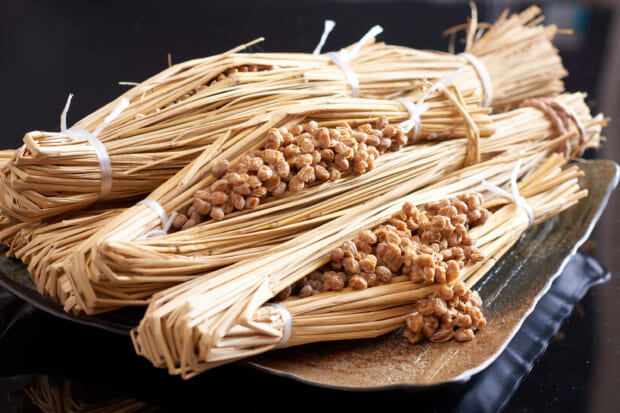
You may have heard people say that natto [fermented soybeans] is rotten from the start, so you don’t need to worry about the best-by date. But technically, natto is not rotting; it’s fermenting. So what exactly is the difference between fermentation and spoilage?
“The difference between fermentation and spoilage is, ultimately, a judgement call based on our human perspectives. Both processes involve substances that are transformed through the actions of microorganisms. If the result is beneficial to humans, we say it is fermentation; if harmful, we say it is spoilage. That said, from a cultural perspective, the difference between the two is not always clear cut.
“For instance, familiar fermented foods to Japanese people like natto and kusaya [salted, fermented, and dried fish noted for its pungency] tend to be perceived as rotten by people from other countries. Conversely, from a Japanese perspective, Sweden’s surströmming [lightly salted, fermented herring], which is has been called the world’s smelliest food, seems undeniably rotten. Way before even considering whether it’s beneficial or harmful, many people rule surströmming out as being completely inedible. [laughs] In this sense, some things are just irreconcilable due to cultural differences, making it hard to draw absolute distinctions between fermentation and spoilage. From the perspective of the microorganisms, however, they are simply living and working in their natural habitat. [laughs]”

Whether something is fermented or spoiled comes down to its perceived advantages for people.
Foods that have been fermented undergo the following transformations:
・Nutrients are more readily absorbed by the body;
・The food’s nutritional value is boosted by the additional vitamins and amino acids produced by the fermentation process; and
・Flavors and umami tastes become more intense.
When we consume food transformed by microbial activity, and it doesn’t harm our bodies and instead provides the benefits above, it’s fermentation. Conversely, if it causes harm to our bodies, it’s spoilage.
Do fermented foods go bad?
When you go to a supermarket or convenience store, nearly all food products clearly display a best-before date or a use-by date. The notion that fermented foods never spoil is often repeated as if it were true, but is this really the case?
“Yes, fermented foods can indeed spoil. While many like miso and soy sauce are quite resistant to spoilage, others like amazake [a sweet drink made from koji malt] fall into the category of being prone to going off. Amazake, which has a high sugar content, lacks the components that can block putrefying bacteria should they infiltrate the package. In general, fermented foods high in salt or alcohol are said to be more resistant to spoilage because they block putrefying bacteria. In the case of miso, even if mold forms on the surface, you can often still use it by simply removing all of the moldy portion.”

This brings us to the question of best-before dates. Many people believe these are ultimately just the final date the product is guaranteed to remain fresh and that the product is still edible even somewhat past its best-before date.
“The best-before date on products doesn’t necessarily mean the products become unusable immediately after the date is passed. What’s important here is to check how long into the future the best-before date is set to. For example, miso used to have a guideline of six months from the production date, but it was actually changed to 12 months from the production date starting in 2018. For products like miso with longer expiry periods, it can be said that the quality tends to deteriorate relatively slowly.
“That said, consumers need to judge for themselves whether a product is safe to eat. With pickled foods like kimchi, which becomes increasingly sour over time, some people deliberately wait to eat them because they prefer that sour taste. However, there’s no absolute guarantee it’s safe, so please make your own informed decision.”
Is it fermented or aged? The truth is the two have a fuzzy relationship
Aged meat has become quite a trend, but what phenomenon are they talking about when they say “aging”?
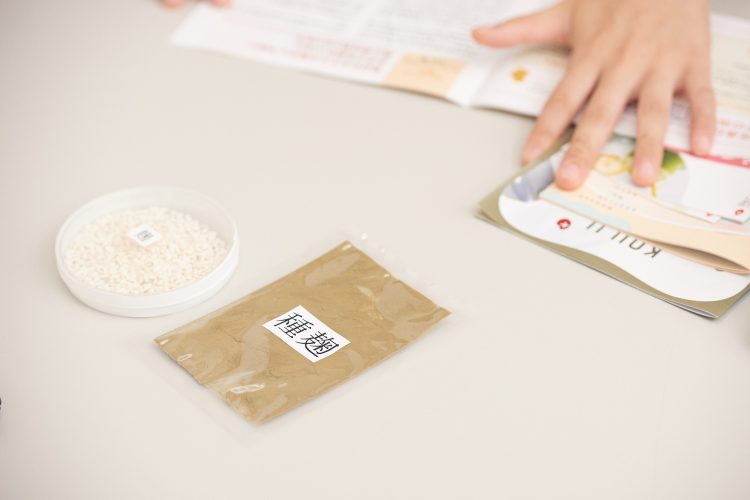
“Some people define aging as a process without microbial involvement, but again making a clear differentiation between the two is difficult. Take miso, for example. Its aging progresses thanks to enzymes produced by koji mold (a microorganism), so the process is not entirely free of microorganisms. To be precise, the stage where koji mold is applied to rice or other base ingredients to initiate fermentation is called fermentation. As the process advances further, it enters the aging stage. Therefore, in the case of miso, we refer to it as a product that has been both fermented and aged.”
“On the other hand, the aged meat that many people are talking about these days is difficult to classify as a fermented food. While traditionally aged meat doesn’t involve microorganisms, recent techniques include wrapping meat in sheets infused with mold to age it more safely. So, microorganisms may or may not be involved in the aging process. Nevertheless, in the sense that food becomes more delicious by aging it over time, aging is beneficial for people in the same way as fermentation.”
On another tangent, there are some miso products labelled as “aged 10 years” for sale. Does that mean they can be stored for 10 years or so at home?
“In our factories and miso storehouses, we constantly control the temperature and humidity and regularly check for impurities to ensure the miso ages safely for many years. Once purchased, however, we can’t guarantee whether the miso can be stored long-term, as we don’t know the storage conditions in each individual home.
“Also, exposure to air causes browning (discoloration due to oxidation). While the miso is still edible, its flavor will deteriorate. Removing the discolored portions will help you enjoy the miso more. And with store-bought miso, after opening the container, remove the cover sheet and the oxygen absorbing packet and then protect it each time by covering the surface with plastic wrap.”
I bet many people didn’t know to remove the sheet and the oxygen absorbing packet after opening a container of miso. That’s a tip that will help you store your miso more deliciously, so definitely start doing it right away.
Stay tuned for our next installment, where we will ask Oda more common fermentation questions.