Fermented Food Combinations: Enjoying Them Together
Aug 29,2019
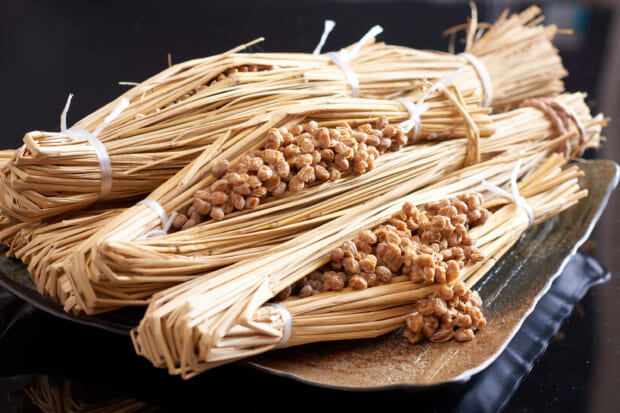
Our daily lives abound in fermented foods, with seasonings like miso, soy sauce, and vinegar as well as natto [fermented soybeans], kimchi, and yogurt.
The power of fermentation enhances the umami flavors and nutritional value of these foods. This is why these foods are both delicious and nutritious when eaten on their own. You can, however, get even more nutritional value by combining fermented foods.
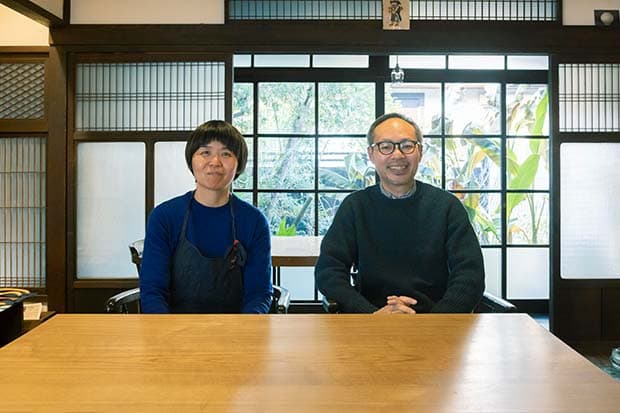
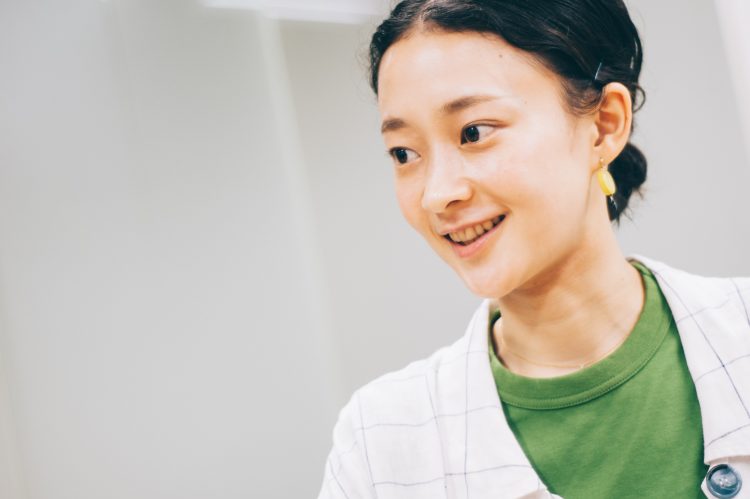
We asked Oda Haruna, a Fermentation Meister from Marukome Co., Ltd.’s Public Relations Department, to explain the benefits of combining fermented foods and share tips on pairings, along with two easy-to-make recipe variations.
What are the benefits of combining fermented foods?
Fermented foods are staples in nearly every home. We often consume them without much thought, using them in our cooking or eating them on their own. But what benefits can we get by intentionally combining fermented foods?
“Each fermented food is usually centered on one or two specific types of bacteria. With yogurt, it’s lactic acid bacteria; with miso, it’s koji mold and yeast. While eating these foods on their own is obviously delicious and highly nutritious, eating them individually tends to limit the types of bacteria you consume.
“Combining fermented foods lets you get multiple types of bacteria at once, boosting their overall nutritional value. Plus, fermented foods pair well together flavor-wise, making your cooking even more delicious.”

While any combination of fermented foods will generally work well, a few tips are in order to maximize their deliciousness.
“Combining foods with a similar richness and color makes it harder to go wrong. The amazake [a sweet fermented drink made from koji] and yogurt combination I’ll share later is a prime example. I also recommend adding miso instead of soy sauce to natto.”
Many fermented foods were originally devised to be preserves, so their salt content is typically quite high to extend their shelf life. Therefore, when combining fermented foods with high salt content, be mindful: shorten the marinating or pickling time, or add something low in salt like mayonnaise to mellow the flavor.
Fermentation isn’t just for food
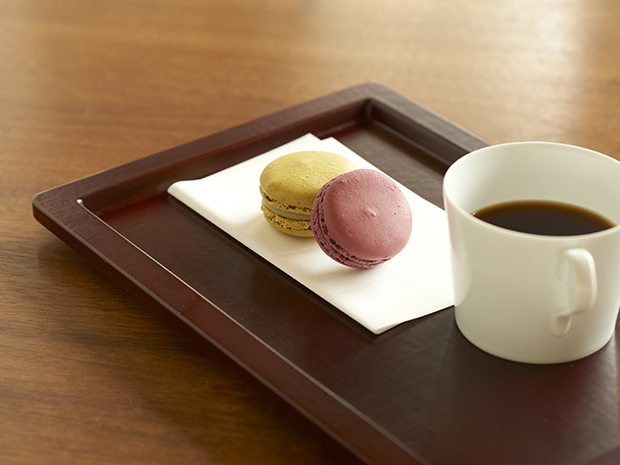
Combinations of fermented foods do not have to be limited to food. There are many beverages made using fermentation, such as saké and wine as well as black tea, Chinese pu-erh tea, and goishi-cha, a tea fermented by microorganisms. Using fermented foods as snacks or refreshments to go along with fermented drinks results in fermented food combinations.
“I think many people naturally pair these things together without consciously thinking about fermentation, but combinations of alcoholic drinks and fermented foods are very good matches. Again, it’s a good idea to match by color and richness: pairing lighter-colored cheeses with white wine, and darker and stronger cheeses with red wine.
“Combining Japanese and Western flavors works well too. Wine pairs deliciously with miso or soy sauce-flavored foods, and saké complements cheese surprisingly well. On the other hand, some people find the unique aroma and taste of pu-erh tea or goishi-cha a bit too much when consumed on their own. So pairing these teas with pickles as a snack, or enjoying them with miso-flavored cookies or rice crackers, helps lower the intensity of their quirks. This is something I definitely recommend people try.”
Combinations of fermented foods can be found hidden in surprising places.
“It’s easy to overlook, but cheese on toast is another fermentation-fermentation pairing. There are many similar combinations of fermented foods all around us. In Japanese cuisine, so many seasonings utilize fermentation that you practically can’t cook without them. Even simmered dishes involve combining many fermented foods like soy sauce, saké, and mirin rice wine.
“Japanese seasonings are attractive because they pair well with many ingredients. For example, adding amazake to bread dough makes it moist, while adding miso creates bread with a rich, cheese-like aroma. Even if a combination seems like a mismatch at first glance, actually trying it leads to all sorts of discoveries — it’s incredibly interesting.”
Recommended fermentation + fermentation recipe variations
You can rarely go wrong when combining fermented foods. Nevertheless, here are two simple and delicious recipes that Oda highly recommends.
Amazake + yogurt creates a lassi-style drink
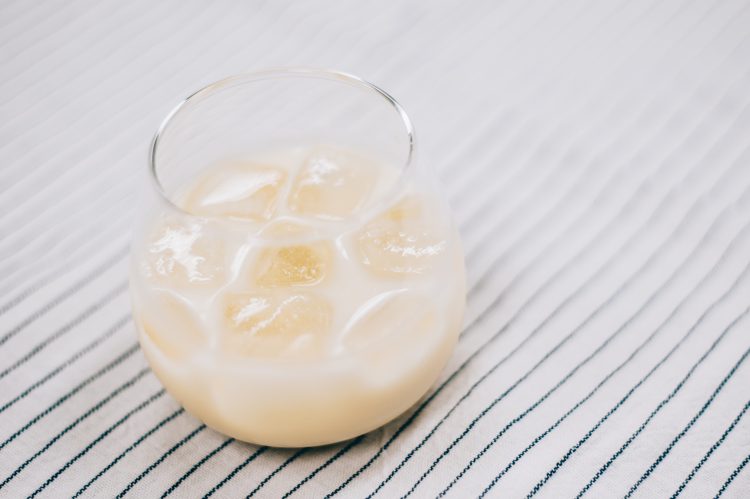
First up is a lassi-style drink made with amazake and yogurt. It’s delightfully simple — just mix together amazake and yogurt in a 1:1 ratio.
“Amazake and yogurt really complement each other well. Even if you dislike the sourness of yogurt, combining it with amazake will make it taste delicious. Plus, you get lactic acid bacteria from the yogurt and koji mold from the amazake, along with nutrients like glucose, B vitamins, minerals, and amino acids contained in amazake.
“On hot summer days when you want to gulp it down, diluting the drink with water or drinking it while added ice melts creates a refreshingly light mouthfeel. I can’t recommend it highly enough.”
Once mixed, the amazake and yogurt will stay mixed with little to no separation, so you can prepare it advance. Be sure, however, to finish it within about two days.
Cheese + miso is superb as a hidden taste in soups and curries
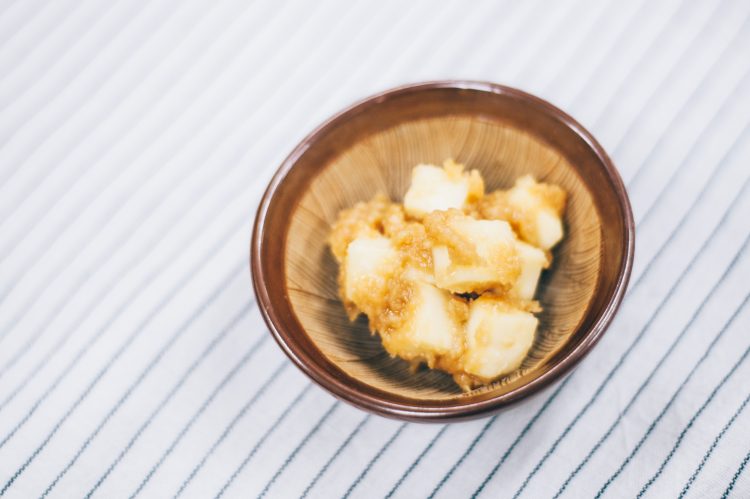
Next, we have cheese and miso.
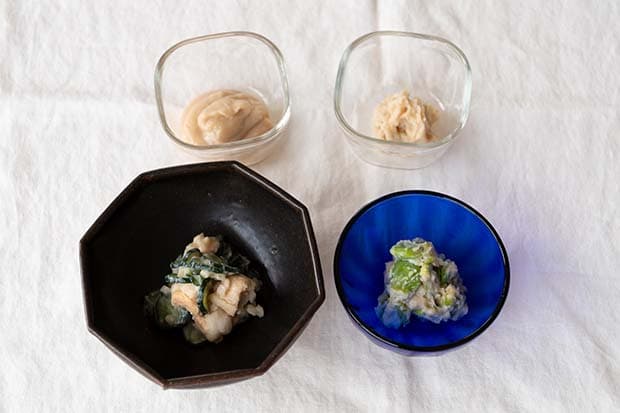
“One way to combine the two is to soak cheese in a bed of miso. But if you use a sweet miso with a high percentage of koji, you don’t need to make a miso bed. Simply soak and mix the two together and you’ll have a very delicious combo.
“For the cheese, I recommend plain-tasting types such as processed cheese. Soaking the cheese for about a day allows the miso’s umami and sweetness to permeate the cheese. Even if you don’t soak the cheese, eating the two together gives you the cheese’s protein, making it very nutritious.
“The miso will absorb the cheese’s oil in the soaking process, making it unsuitable for miso soup and other Japanese dishes. You can repurpose it as a hidden taste in soups or curries or mix it with yogurt to make a pickling bed.”
There’s no reason not to try these combinations, as they are sure to enhance the taste and the nutrition. Use these examples here as inspiration to explore your own fermented food combinations.