Japanese Food from Abroad – Premium Japan’s Mio Shimamura
Jun 26,2025
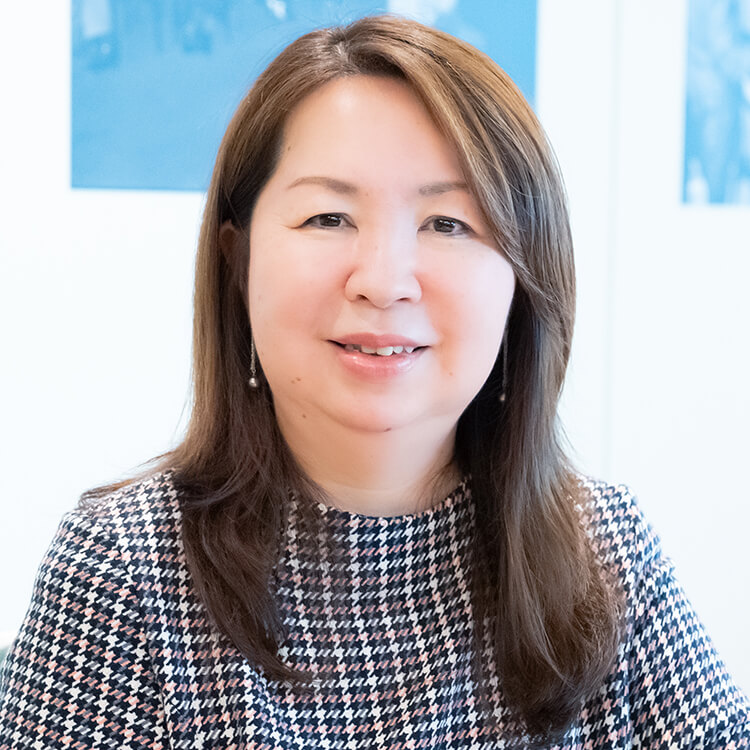
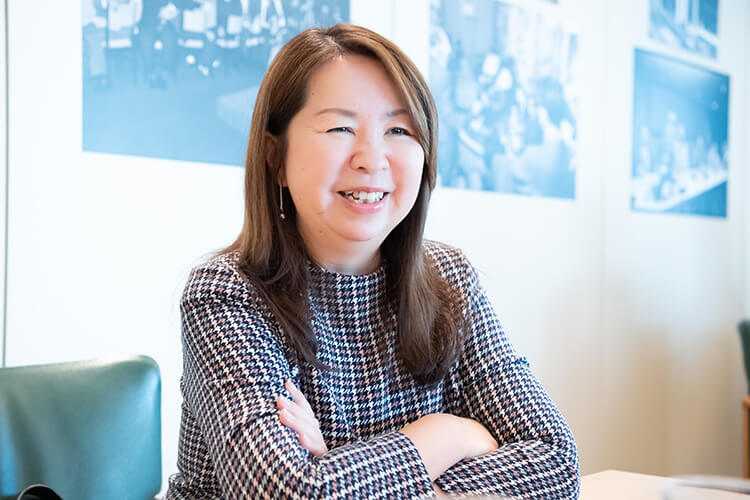
Media sources catering to an international audience with engaging content from Japan can be expected to play an increasing role as traditional Japanese culture, particularly Japanese cuisine, garners attention worldwide. Premium Japan is an online media platform that shares in-depth stories about Japan. It covers everything from food, travel, and traditional culture to the latest technology and people in the news. We caught up with Premium Japan’s editor-in-chief, Shimamura Mio, at the Foreign Correspondents’ Club of Japan, of which she is a member. How is traditional Japanese food seen overseas? What needs to be done to raise its profile further? We asked her.
Reaching people worldwide with premium Japanese content
Mio has a wealth of experience working overseas, having spent many years handling public relations and marketing for international brands. One of her primary motives for entering the media sector was her own personal experience.
“My family ran a Japanese culture school that taught the tea ceremony, how to dress in a kimono, and things like that. My mother is a cooking instructor. Yet despite that, when people overseas asked me about Japanese culture, I was often unable to come up with an articulate answer. That was really embarrassing. When I realized that many other Japanese have the same painful experience, I decided that one day I’d like to be involved in sharing Japanese culture.”
Premium Japan was initially run by an acquaintance of Mio’s. “I learned that for various reasons they were going to relinquish control, which I thought was a shame. So I purchased the rights to the site myself and in 2019 gave it a facelift. Then, in 2022, I overhauled the entire editorial team and beefed up the contents. In the three years since, it’s grown into a platform with over 13 million page views a month.”
Besides targeting the well-to-do in Japan and abroad with information on Japanese cuisine, travel attractions, and traditional culture, Premium Japan also carries easy-to-read content such as kanji quizzes. Food-wise, the site features interviews with chefs at Japan’s finest restaurants alongside articles about cheap local eats. Thanks to this breadth of subject matter, the site attracts a wide range of ages: some 60 percent of the site’s readership is aged 18 to 44.
Since 2024, all the articles have been machine-translated from Japanese into English, French, and simplified and traditional Chinese, so they can now be read in several languages. “We had a surge in traffic from Taiwan and other overseas locations in the first month. Currently 80 percent of our readership is Japanese, but we’re feeling momentum. We expect overseas readership to increase down the road.”

The Premium Japan website. Dedicated to bringing Japanese quality to the world, it features a wealth of content on food, travel, and traditional culture and craftsmanship, as well as interviews.
Articles of guaranteed high quality written for an international readership
One of Premium Japan’s biggest strengths is the high quality of its articles. “I don’t have any editorial experience myself, but by leveraging my contacts from my PR days, I put together a team of highly experienced people interested in telling the world about Japan, including the former chief editor of a luxury magazine. They each focus what they know best. We have a reputation for featuring more in-depth stories and better-quality photos than other sources catering to an overseas audience.”
Premium Japan is unrivaled in that it approaches each subject from an angle sure to interest overseas readers. “Take Noh, for example. If you simply explain why Noh exists, it won’t click with an international audience. It won’t pique their curiosity. But say you explain that Noh was featured in such-and-such a scene of a movie by world-famous filmmaker Kurosawa Akira—now that may rouse their curiosity. We look for angles of interest to a non-Japanese audience in partnership with a company that puts together newsletters for the likes of the Tokyo American Club.”
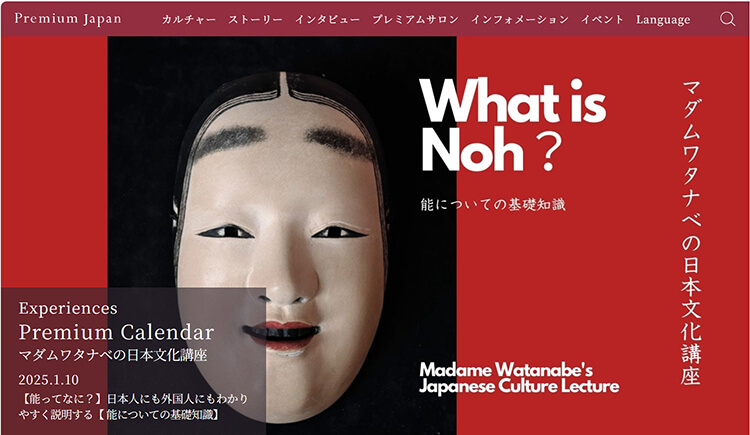
Premium Japan has a growing profile these days. It’s been chosen as a media partner by the City of Kyoto thanks to its recognized ability to reach overseas audiences — Mio herself is bilingual in Japanese and English. It has tie-ups with Hoshino Resorts and several local Japanese governments, including Kagoshima Prefecture. It’s also on a select list of media outlets invited to International Luxury Travel Market (ILTM), the world’s most prestigious portfolio of luxury travel events.
“Interest in Japan has become palpable, particularly in the few years since the Covid pandemic ended. I feel we’re on a roll as an information source. This year is our tenth anniversary. I guess the time has come when we can start making a real difference as a media outlet.”
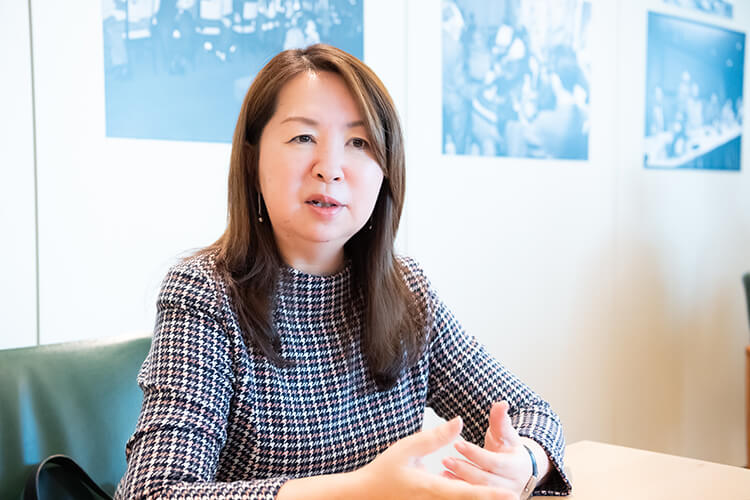
Japanese culinary methods and ingredients now set the global standard.
Mio is also publicist and curator of Asia’s 50 Best Restaurants, a prestigious list chosen by foodies across the globe. So how is Japanese cuisine viewed abroad these days?
“Ingredients are used simply, and it’s healthy and delicious. That’s the beauty of it, right? Being good for you is a global buzzword nowadays. And the umami flavor of dashi stock that’s the hallmark of Japanese cuisine has taken the world by storm. That’s thanks to the efforts of people like Murata Yoshihiro — the third head chef of Kikunoi, a historic institution that ranks among Japan’s finest traditional restaurants — to make Japanese cuisine part of humanity’s global heritage. Diners at celebrated restaurants overseas now talk about umami like it’s the most natural thing in the world. You almost get the sense that the food overseas is becoming Japanized.”

Uniquely Japanese fermented foods like miso and soy sauce are now staples abroad. Other Japanese ingredients have a chance to break into the international scene as well, says Mio.
“Ingredients that aren’t even known abroad have the potential to reach the next stage. Think of how, for instance, wasabi and Japanese pepper are now used in French cuisine when they never were before. The best way to promote something to people overseas is to get them to try it. One thing you could do is hold an event for foreign journalists at the Foreign Correspondents’ Club. I once gave a bilingual presentation showcasing popular Japanese whiskies, starting with their history and ending with a tasting.”
It’s a matter of communicating the essence of Japanese cuisine.
It’s increasingly obvious how popular Japanese cuisine has become abroad, even if you live in Japan. You often see foreign visitors heartily enjoying a Japanese meal. Mio, however, feels that only a small fraction of what Japan has to offer has truly gained international recognition.
“Young Japanese chefs have shot up the rankings in the list of Asia’s 50 Best Restaurants, but not a single kaiseki restaurant in Kyoto is on the list. Kyoto has lots of wonderful kaiseki restaurants where you can enjoy a meal in the 10,000-yen range, but not many of them offer service in English. Their clientele consists mainly of regulars from the neighborhood. They’ve therefore fallen through the cracks. Restaurants in Tokyo, on the other hand, communicate effectively in English. Day in and day out, they’re bustling with foodies from around the world who will pay top dollar for a good meal. The two cater to a different clientele. I’d like to raise the profile of Kyoto cuisine abroad.
“One thing I learned working for international brands is that people overseas want a detailed explanation of what lies behind things. They may be able to eat Japanese food, but if they want to delve deeper and know what the ingredients are or why it’s made the way it is, they have no way to find out. Japanese culture, I’m told, can often be puzzling for non-Japanese. The key to eliminating such stress lies in having the right communication skills. I figure chefs should at least be able to explain their culinary philosophy, which is why I gave online English lessons during the Covid pandemic [laughs].”
By applying her communication skills and leveraging the contacts she’s built up as a publicist, Mio hopes to help bring Japanese cuisine to an international audience. “Looking back, the restaurants that successfully weathered the Covid pandemic were all sole proprietorships. It goes to show how much ability and potential Japan’s chefs have. They’re a national treasure. May the delights of Japanese cuisine come to be better known and loved overseas.”