Fromage Blanc at ACIÉ coffee and wine
Oct 02,2025
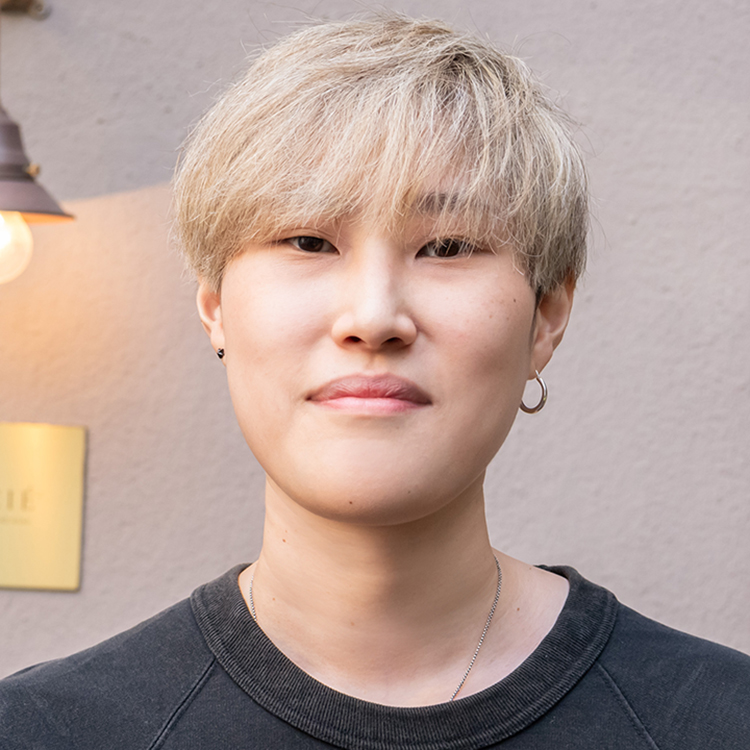
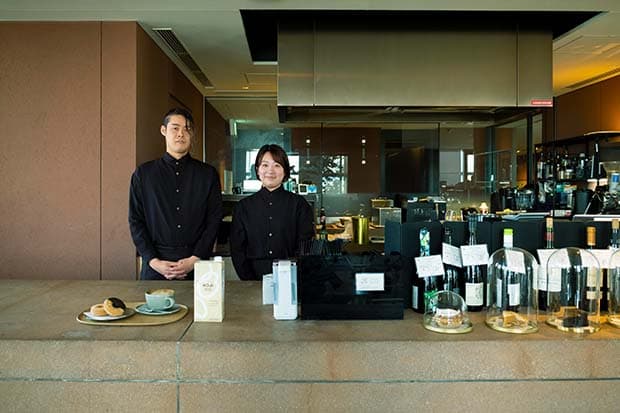
In this ongoing series, we ask food professionals for their top recommended fermented foods. Our guest for this installment is Iwai Satoru, a drink specialist well-versed in coffee, wine, and non-alcoholic drinks.
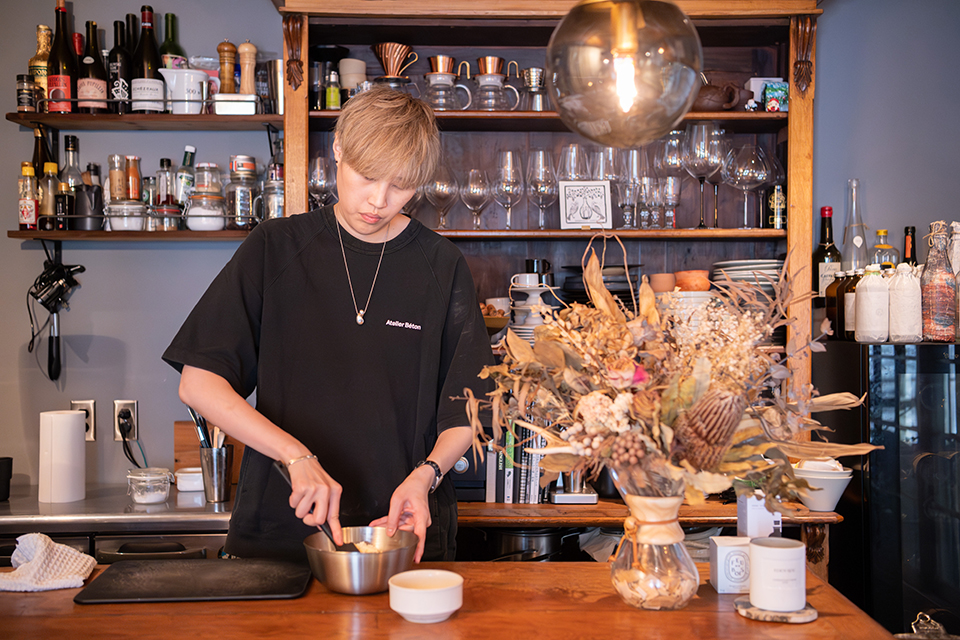
Iwai, who runs ACIÉ coffee and wine tucked away in a back street of Tokyo’s Kagurazaka district, introduced us to fromage blanc. This delicacy is crafted by blending several fresh cheeses together. The moment it touches your tongue, its rich, full-bodied flavor blooms in your mouth, leaving you utterly enchanted. Its versatility is also a charm, as it is easily adapted into an appetizer or a dessert.
Enjoying how fermentation deepens and develops, fueled by time
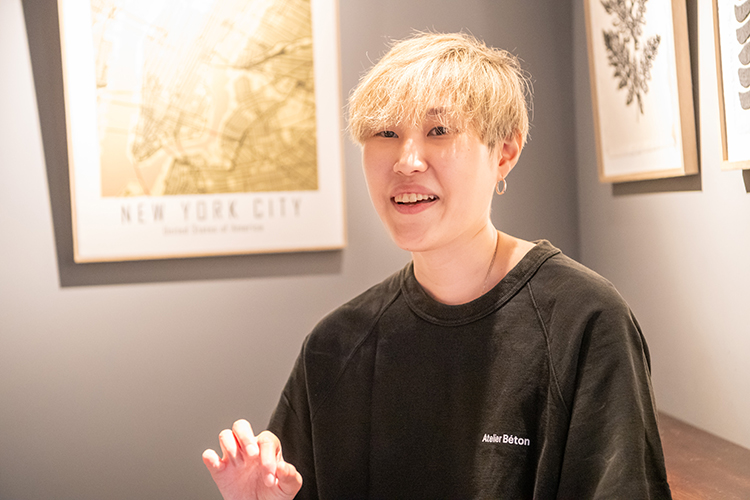
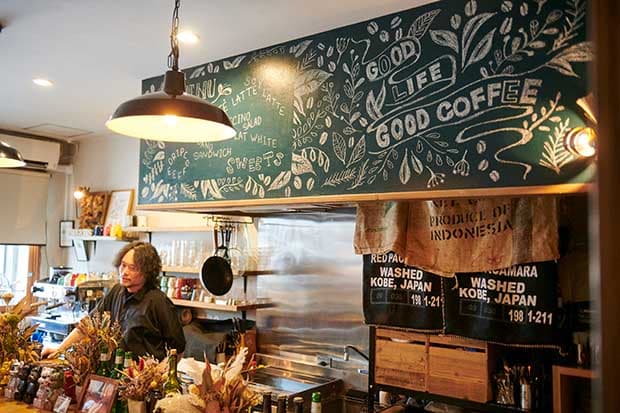
ACIÉ resides in a modest, detached house. Opening the door reveals a staid, antique counter. The establishment’s furnishings are slightly out of character from the atmosphere you might commonly associate with a café or bar. But this perfectly aligns with Iwai’s concept of conducting a “session” with the customer and “prescribing” drinks that suit their preferences.
Iwai focuses on wine and coffee as well as on non-alcoholic drinks for those who avoid alcohol or caffeine. His carefully constructed fermented beverages — like homemade plum syrup steeped in herbs, hinoki [cypress] tonic made from lacto-fermented cypress, and homemade kombucha made from fermented black tea — offer unique flavors you can only experience here.
“The fun of non-alcoholic drinks is that you can approach them like cooking. You can add or layer flavors to match the food or the mood on that day. Plus, with fermented drinks, you can enjoy how they change and evolve. I want to serve a drink that satisfies both the palate and the soul, not just an alcohol substitute.”
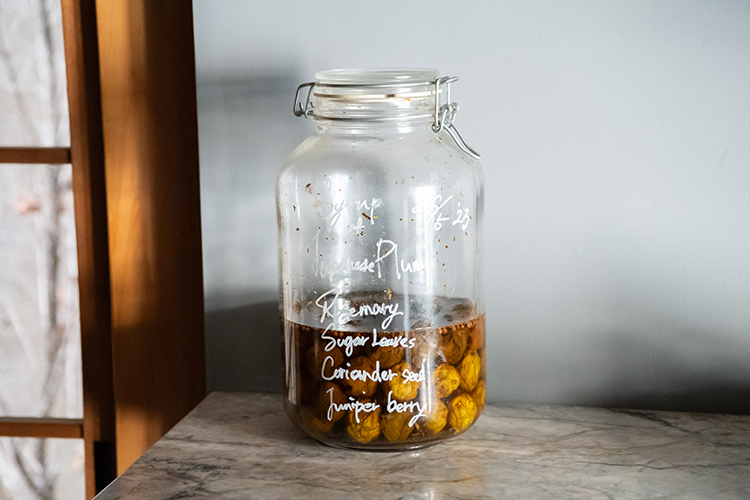
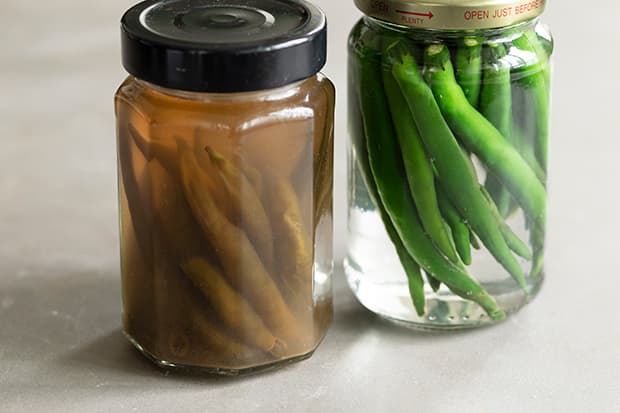
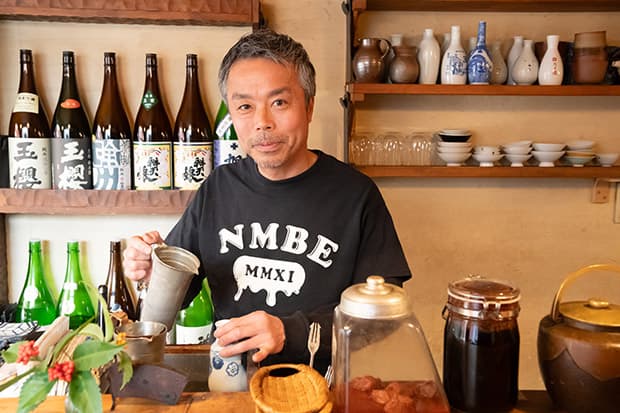
Plum syrup bottled in 2023. Shaking the jar creates a fine foam, giving a sense of the yeast’s respiration.
Fermentation adds a vibrant energy
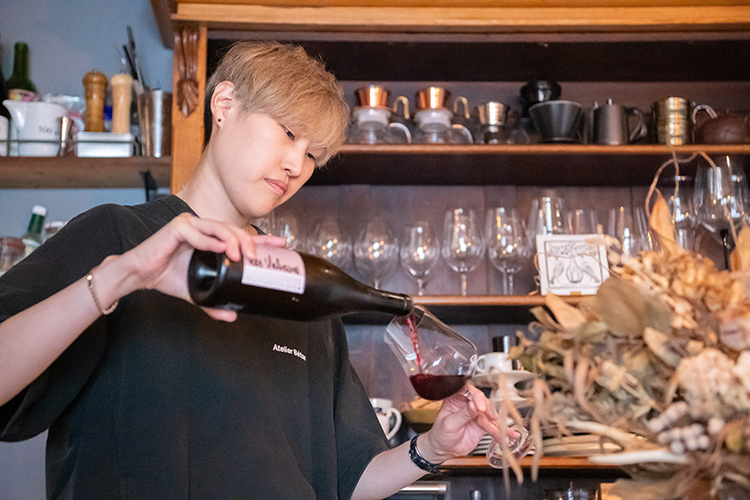
Iwai offers a reservation-only course that lets you enjoy original food and drink pairings. Many of the dishes he pairs with wine or homemade non-alcoholic beverages also involve fermentation techniques.
“Most of the wines we serve are natural wines in which the yeast continues to ferment in the bottle. You can feel the slight effervescence from the fermentation when you sip it. When you are dealing with drinks that have such a lively taste, dishes that are just simple combinations of ingredients don’t really measure up. Adding the power of fermentation to the ingredients creates a tension and harmony that keeps up with the wine.”
One fermented item Iwai always has on hand is fromage blanc, which means white cheese in French.
Iwai makes his fromage blanc by blending homemade fresh cheese made with fermented milk together with blue cheese from the Auvergne region of France. The distinctive aroma and richness of the blue cheese pokes out from underneath the smooth, creamy texture, transforming the cheese’s demeanor with every bite.
How to make fromage blanc
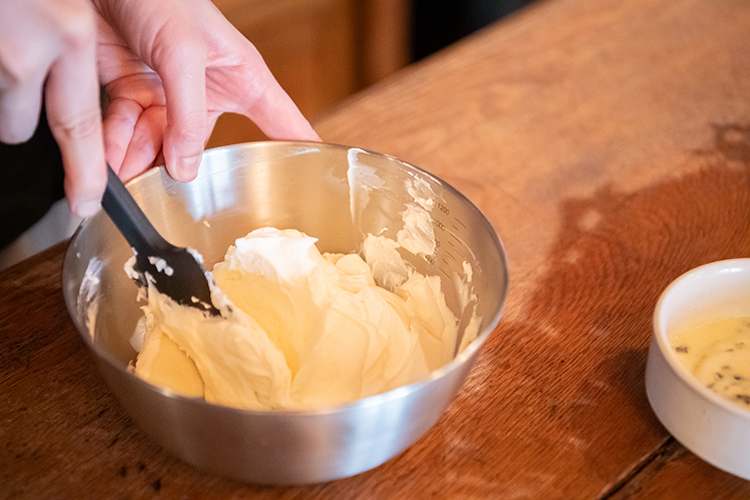
Simply blend all the cheeses together until smooth and let it rest in the refrigerator. Fromage blanc is easy to make and keeps well, which is another plus.
Iwai arranged this recipe so you can recreate ACIÉ’s fromage blanc at home. The blend of store-bought cheeses expresses a mellow yet complex flavor profile.
-
- [Ingredients ](easy-to-prepare amount)
- Gorgonzola dolce100 grams
- Cream cheese200 grams
- Mascarpone100 grams
- Sour cream50 grams
- Sugar (or honey)Two to three tablespoons
-
- [Directions]
- 1. Place the Gorgonzola in a heat-resistant container, cover with plastic wrap, and heat in the microwave for about a minute.
- 2. Place the cream cheese in a bowl and mix with a rubber spatula until smooth. Once the spatula moves easily through the cream cheese, add the mascarpone and then the sour cream, mixing in each thoroughly before adding the next cheese.
- 3. Lightly mix the heated Gorgonzola from Step 1 and then add it to the cheese mixture from Step 2. Blend everything together with a cutting motion, then add the sugar and continue to mix until smooth. Using a hand mixer will create an even smoother texture.
-
4. Transfer to a clean, airtight container. Tap the container firmly on the counter several times to release any trapped air. Press plastic wrap tightly onto the surface and then cover with a lid. The prepared fromage blanc will keep refrigerated for two to three weeks.
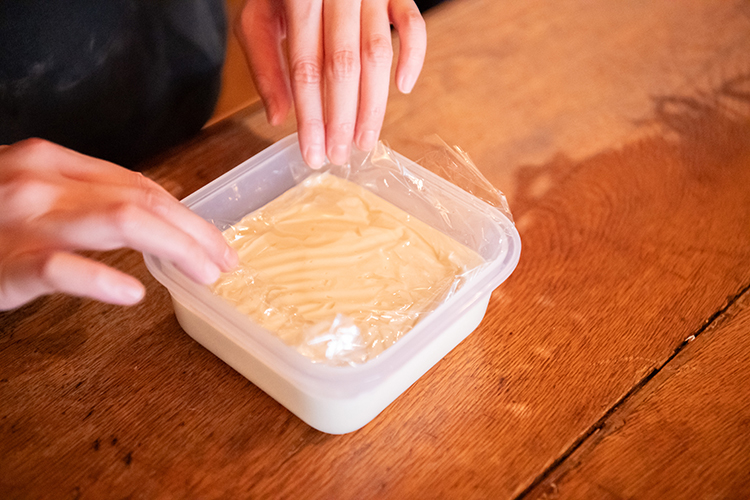
Ensure that the plastic wrap is pressed firmly against the cheese to prevent exposure to air before storage. The cheese will continue to mature while refrigerated, with the flavor gradually changing after three days and after a week.
“Adjust the amount of sugar to suit your preferences. If you will be pairing the cheese with food, then I recommend you go easy on the sugar. Serve this fromage blanc with meat or fish to enjoy a rich cheese sauce.”
Dressing up tropical fruits with fromage blanc
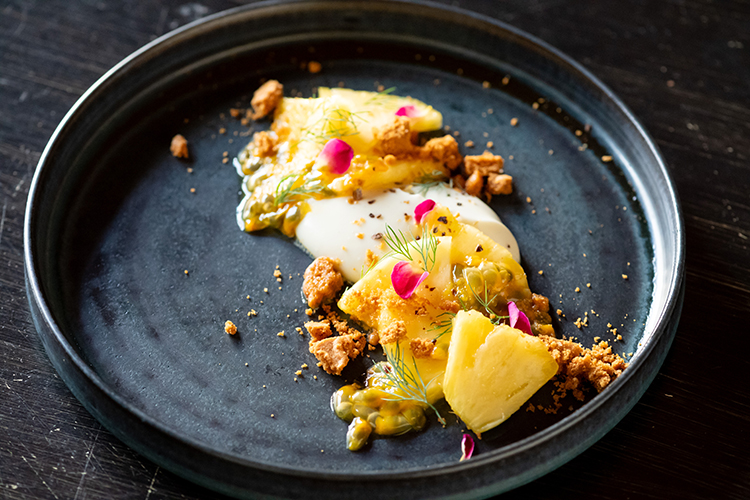
This dish features fromage blanc, garnished with passion fruit and pineapple and topped with crushed cookie bits. “Blue cheeses and tropical fruits make exceptional pairings because they have similar aromas,” says Iwai.
One of the compelling things about this homemade fromage blanc is how versatile it is. For instance, sprinkle with black pepper and drizzle olive oil over it to create a stylish dip. Or simply serve it with seasonal vegetables, crackers, or a baguette for a snazzy appetizer.
You can also fill a tart shell with the fromage blanc to create a cheese tart that goes wonderfully with wine. Add some fruit, and it is perfect for entertaining on special occasions.
Among these many appetizing options, Iwai recommends combining fromage blanc with tropical fruits for the “ultimate” pairing. This visually stunning dish can’t help but elevate your mood.
Dressing up tropical fruits with fromage blanc
-
- [Ingredients ] (for a single-person serving)
- Fromage blancAs needed
- Passion fruit1/2
- Pineapple1/8
- Cookie of your choiceOne
- Coarsely ground black pepperTo taste
-
- [Directions]
- Arrange the fromage blanc on a plate. Top with spooned passion fruit pulp and pineapple slices. Sprinkle with crushed cookie, and garnish with coarsely ground black pepper to taste.
Connecting far-flung ingredients with fermentation
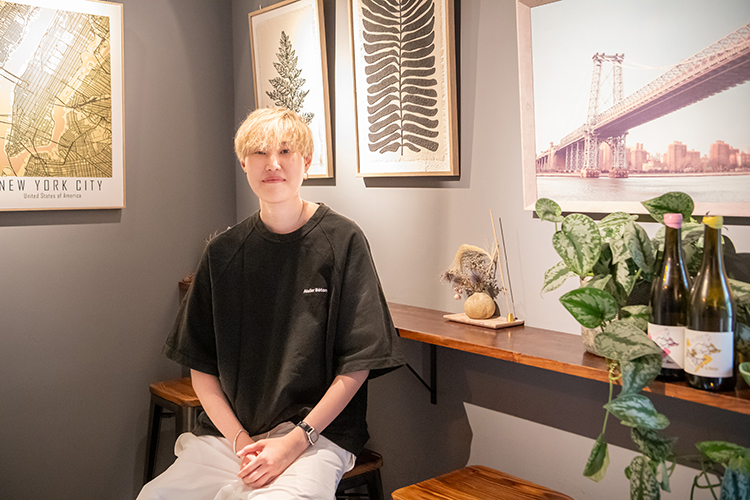
Iwai describes fermentation as “a process that connects far-flung ingredients”.
“An example is combining ingredients found at high altitudes that have the scent of earth and marine ingredients with the scent of salty breezes. The workings of fermentation harmonize distinctive ingredients that normally aren’t combined in such a way that it’s like they start to cohabitate. That’s how I imagine fermentation. Milder ingredients gain umami, deepening their inherent flavor. Fermentation is a sort of mediator that finds common ground among different ingredients.”
Iwai takes this approach to fermentation to create rich, pleasurable culinary experiences. He continues his independent studies of fermentation, carefully observing the process of fermentation and experimenting with it day after day.
“Something surprising happened the other day while I was making a batch of fermented paprika drinks. I usually adjust the salt concentration to control the actions of the lactic acid bacteria, but this time, I forgot to add the salt which is crucial to the process. I was kicking myself, thinking I had ruined the batch, but the fermentation carried on without any salt, creating paprika vinegar. Surprisingly, the acetic acid bacteria had been active in the background. Humans can’t control fermentation and bend it to their will, because fermentation comes from the workings of nature. It’s important that I regulate the things I make so they are safe to consume, since I’m serving these foods and drinks in my restaurant. But within this scope, there are many unintentional and unexpected changes and discoveries. I’m always reminded of just how fascinating fermentation is.”
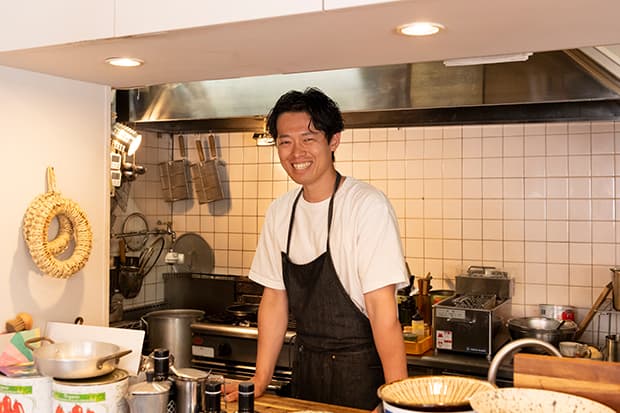
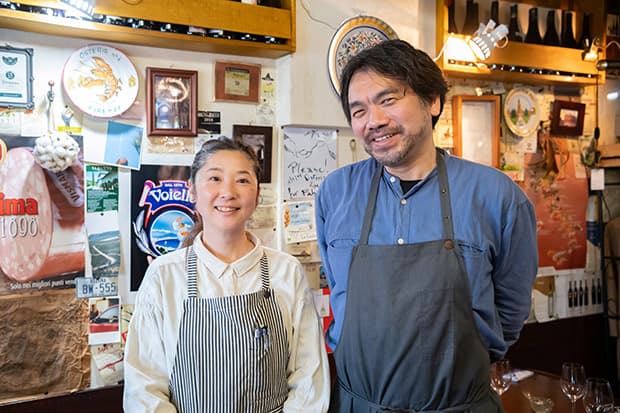
In our next installment, the baton will pass to Kakuda Naoya, owner of the Qkurt Italian restaurant also found in Kagurazaka. Be sure to check it out.