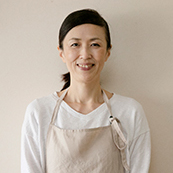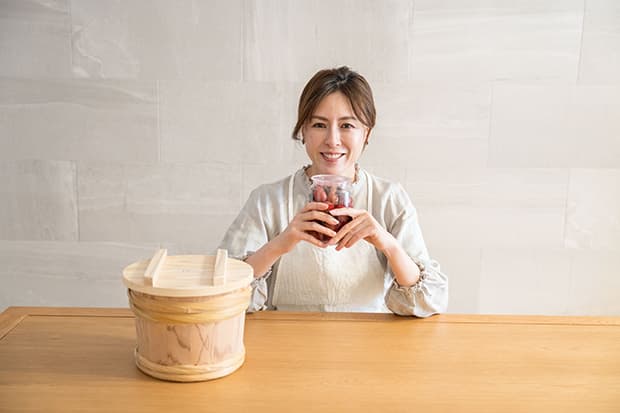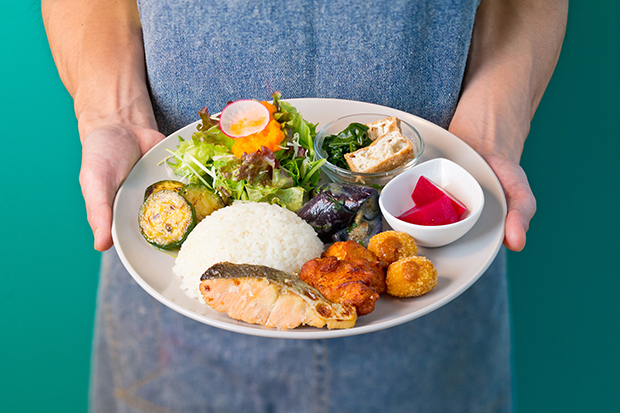
“What am I going to make for dinner today?” It’s a familiar question — and when you’re stuck in a daily routine, fresh ideas can be hard to come by. Especially if you’re pressed for time, you end up making dishes that that can be quickly thrown together by just cutting and plating the ingredients. Seasoning sauces are a lifesaver at such times. Simply add them to your everyday fare, and they give a nice twist to the flavor. Here culinary expert Kitasaka Nobuko explains the advantages of seasoning sauces and how to use them.

Kitasaka Nobuko’s tips on how to vary your meals
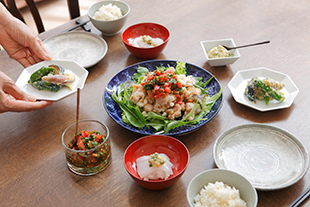
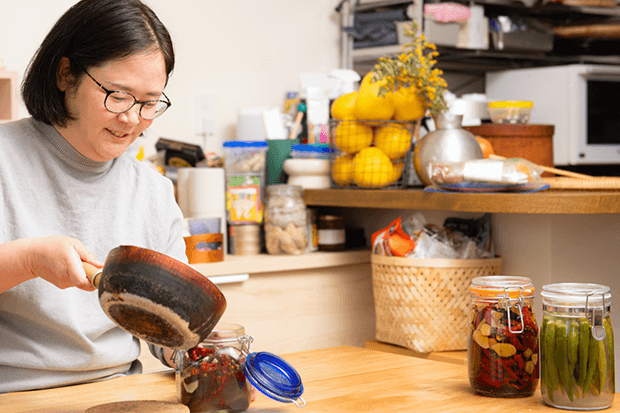
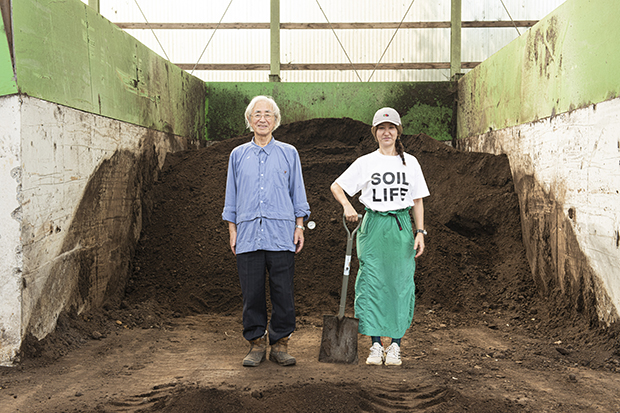
“I keep a regular supply of seasoning sauces at home,” says Nobuko. “I make them myself.”
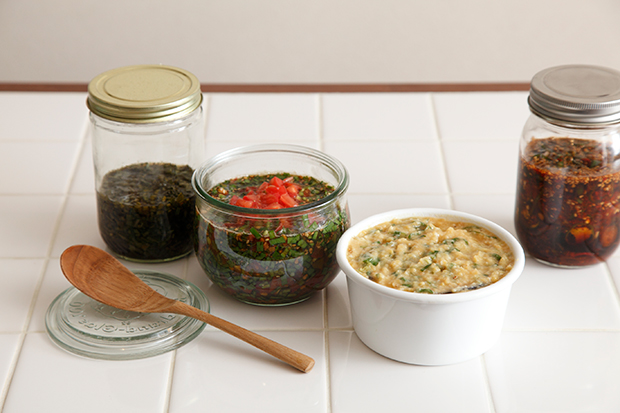
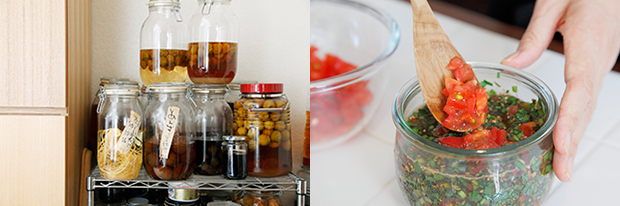
She shows us the inside of her fridge. It’s lined with jars containing four or five types of seasoning sauces.
The beauty of seasoning sauces is this. Simply adding a little to whatever you regularly fry or grill completely transforms it. Another great thing about them: when your meals start getting monotonous, a little is all you need to bring more variety to the dining table.
Nobuko also recommends using seasoning sauce as a dip. On occasion, she says, it can even be used in stir-fries or nimono (simmered dishes) or as hotpot stock.
“Seasoning sauces make it easier to get the flavor right than adding soy sauce, mirin, and other seasonings as you cook. They contain a blend of them all, so you’re less likely to blow it,” says Nobuko. What’s more, they save time, which makes them perfect when you’re on a tight schedule.
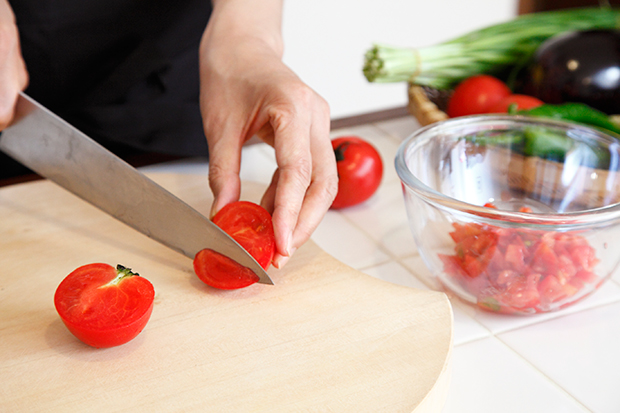
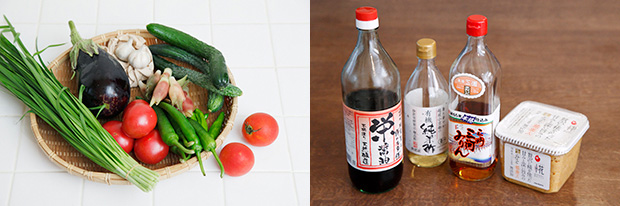
A seasoning sauce can easily be prepared with a few simple ingredients you have at home: miso, vinegar, soy sauce. And the aromatic vegetables you use can be chopped raw. Once you’ve made a seasoning sauce, it will keep for some time, and you can simply add to it. It’s not a lot of work, which is nice.
“These sauces taste great when they’re freshly made, and their flavor evolves as they age, which is part of the fun,” explains Nobuko. She enjoys making various types of seasoning sauces. Here she tells us how to make two of her favorites and shares several recipes featuring them. Both come in incredibly handy, she says.
Kitasaka Nobuko’s seasoning sauces & recipes featuring them
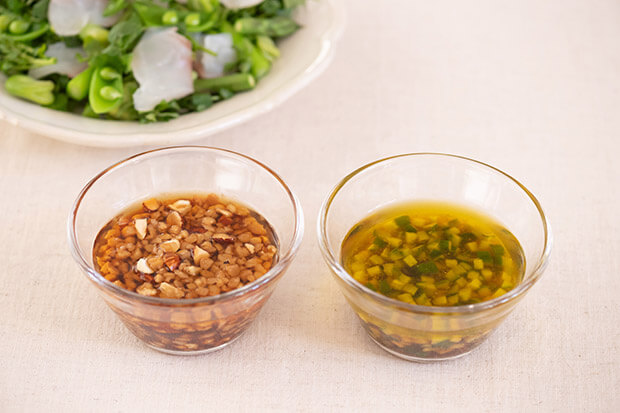
<Recipe #1: Miso sauce packed with aromatics>
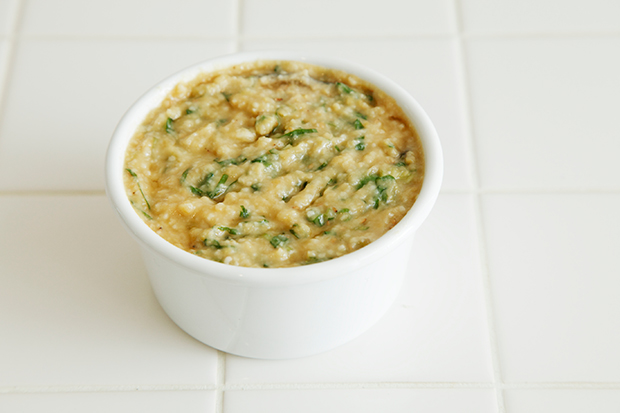
[Ingredients for an easy-to-prepare batch]
300 g miso, ideally a sweetish miso like koji miso or barley miso
50 g negi green onions (naga-negi, wakegi, Kujo negi, or whatever variety you prefer)
3 shishito peppers
1 tsp. grated garlic
1 tsp. sesame seeds
1 tbsp. mirin (sweet cooking sake)
1 tsp. sugar
[Instructions]
1.Put the miso into a storage container. Add the negi green onions and shishito pepper (both minced), along with the other ingredients, and mix together. This sauce will keep in the fridge for about a month.
●Dishes it can be added to
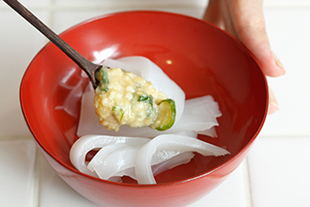
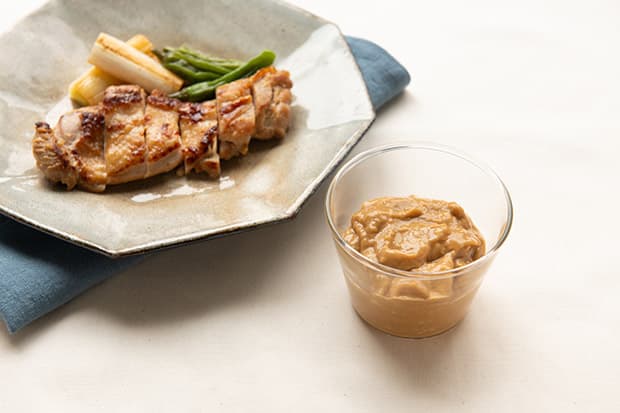
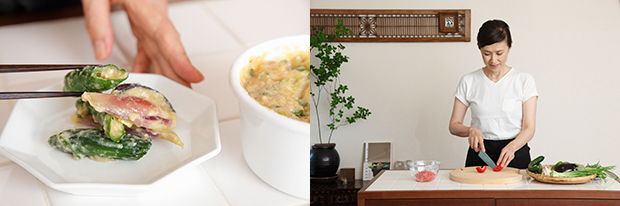
This miso sauce combines the fresh fragrance of aromatics with a rich, savory flavor. It therefore beautifully complements mild-tasting foods like shellfish and white fish. Use it to dress, say, squid sashimi, and you have the kind of elegant dish that might be served at a cozy Japanese restaurant. It also makes a delicious seasoning for stir-fries or hotpot. Simply apply it to fish, meat, or vegetables and cook.
<Recipe featuring this sauce>
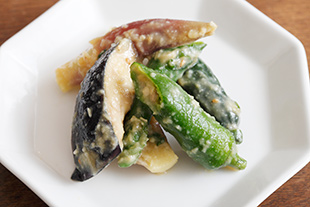
●Summer vegetables marinated in miso
[Ingredients]
Cucumber
Myoga (Japanese ginger)
Sweet chili peppers
Mizunasu eggplant
Or whatever other summer vegetables you like, as needed
[Instructions]
1.Cut the vegetables into easy-to-eat pieces and add them to the miso.
2.Remove once marinated to your liking (anywhere from half a day to two days).
If the sauce becomes watery from the vegetables, you can either add more miso or use it in stir-fries, nizakana (simmered fish), or miso soup. It enhances their flavor. Chop any over-marinated vegetables into small pieces: they make an excellent yakumi condiment for ochazuke (cooked rice soaked in tea).
●The featured miso
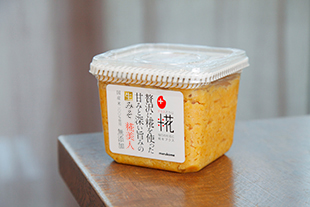
<Plus Koji Additive-Free Koji Bijin>
A popular item in the Plus Koji series, this additive-free miso is made with 100% domestically grown Japanese rice and generous amounts of rice koji. It lets you enjoy the natural sweetness of miso and its rich umami notes.Plus Koji Additive-Free Koji Bijin
<Recipe #2: Chinese chives and tomato sauce>
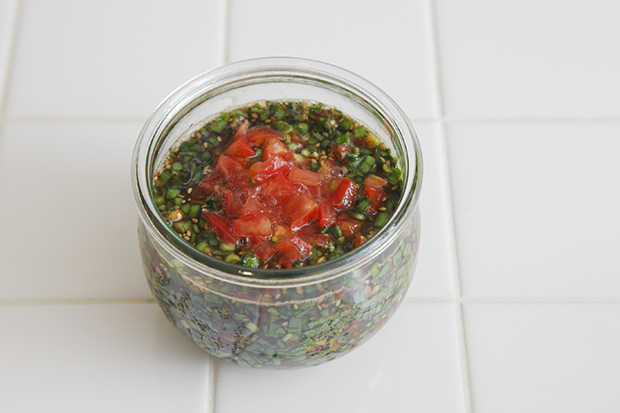
[Ingredients]
1 bunch Chinese chives
4 small tomatoes (approx. 300 g)
5 tbsp. soy sauce
1 tbsp. vinegar
½ tbsp. sugar
[Instructions]
1.Chop the Chinese chives into 7–8 mm pieces. Mince the tomatoes, but not too finely.
2.Combine everything in a storage container. This sauce will keep in the fridge for 3–4 days.
●Dishes it can be added to
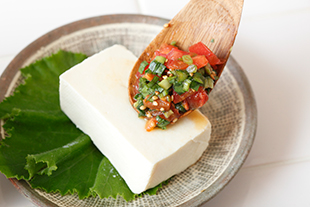
This sauce has a crisp, clean taste. The vinegar and tomatoes give it a kick of acidity, while the aroma of the Chinese chives whets the appetite. That makes it perfect for deep-fried dishes. You can also add it to fare like chilled tofu and somen noodles. It transforms everyday foods into something entirely different! And it’s versatile too. It can be turned into a Chinese-style sauce by adding sesame oil, or a Western-style sauce by adding olive oil.
<Recipe featuring this sauce>
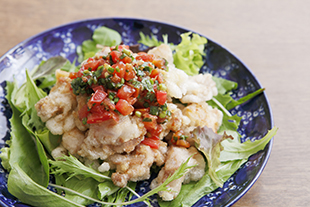
●Crispy fried chicken
[Ingredients]
1 chicken thigh (approx. 200 g)
⅓ tsp. salt
2 tsp. sake
Deep-frying oil, as needed
Vegetables for garnish, as needed
<Sauce>
⅓ cup Chinese chives and tomato sauce
1 tsp. grated ginger
1 tsp. sesame oil
<Batter>
4 tbsp. potato starch
2½ tbsp. water
[Instructions]
1.Cut the chicken into bite-size pieces and season with the sake and salt.
2.Mix the sauce ingredients.br /> 3.Heat the deep-frying oil to 180℃. Mix the batter well, then coat the chicken. Deep-fry until cooked through.
4.Arrange the vegetables in a dish and place the chicken on top. Drizzle with the sauce to taste.