Fermentation and Roasting at Little Darling Coffee Roasters
Oct 30,2025
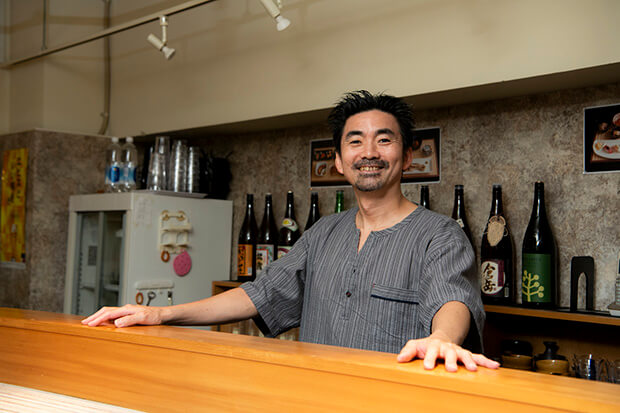
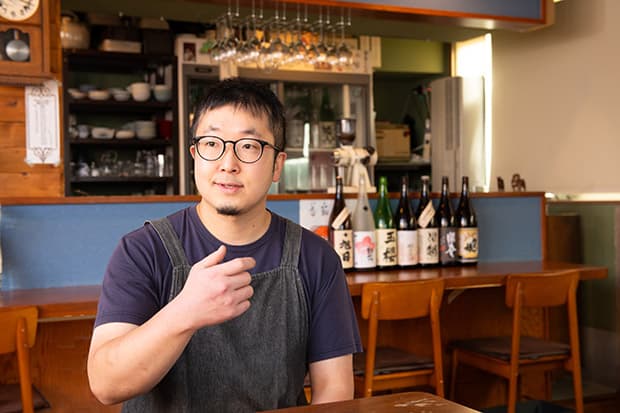
Did you know that coffee wouldn’t exist without fermentation? Along with refining and roasting the beans and extracting coffee from them, you also ferment them. Indeed, the same variety of beans yields a completely different flavor depending on how they’re fermented. We’re going to be visiting cafés where you can experience the wonderful world of fermentation in everyday surroundings. Our first stop: Little Darling Coffee Roasters in the Aoyama neighborhood of Tokyo. It’s run by Akagawa Naoya, who was involved in developing Marukome’s rice koji milk Koji Barista Edition. We talk to him at the café, enveloped by the aroma of beans fermenting and roasting.
What makes fermenting and roasting such fun are the changes that aren’t due to chance.
“A new batch of beans has just arrived,” says Akagawa Naoya of Little Darling Coffee Roasters, showing us a sack of green coffee beans. He’s the driving force behind Transit Group’s coffee business.
“These beans are from Adena Coffee in Sumatra, Indonesia. Koike Tsukasa of Coffee Valley in Ikebukuro told us they had a special lot this year, so we bought a batch. They’re rare beans indeed. There are only two lots of them in the entire world.”
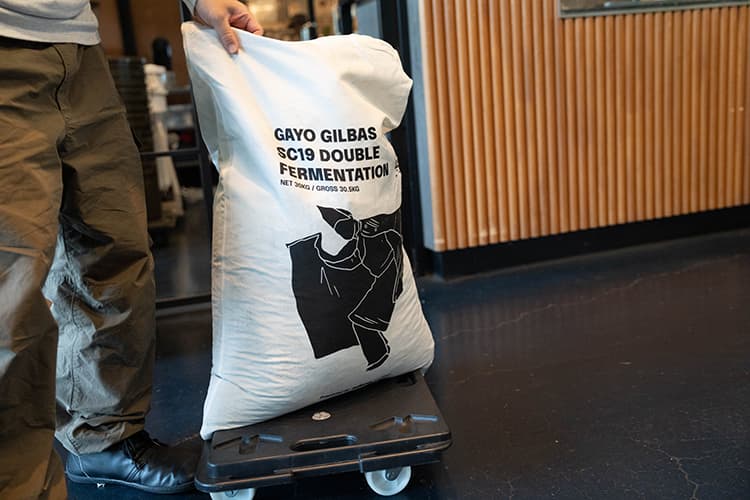
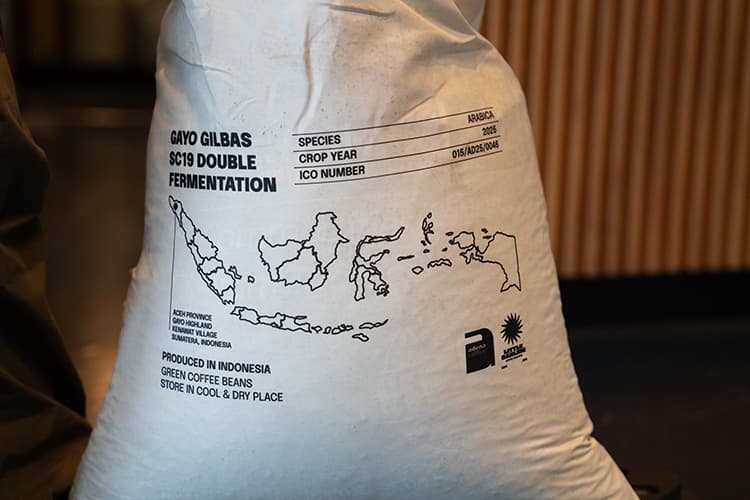
Coffee beans are usually imported in jute sacks bearing the name of the plantation, but this special lot arrived in custom-made bags with the twin logos of Little Darling Coffee Roasters and Adena Coffee, a coffee producer in Sumatra, Indonesia.
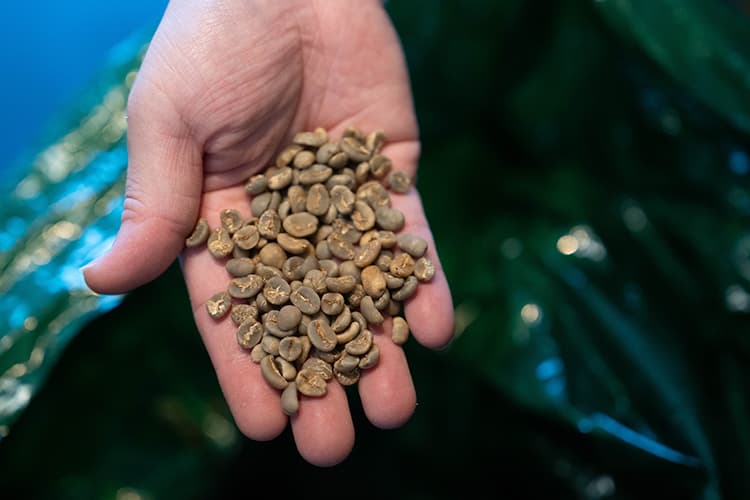
Wet-hulled, double-fermented green coffee beans. Wet hulling, which is unique to Indonesia, refers to a technique for rapidly drying beans in hot, humid climates. It entails removing the outer skin of the beans while they’re still wet and then drying them, resulting in unusual depth and body. The beans are characterized by their yellowish shade and fruity aroma.
“These beans are refined using double fermentation, so their acidity and aroma manifest themselves in an unusual way. We’ve already completed the sample roast, and now we’re ready to start the full production roast.”
Coffee is produced by fermenting the coffee cherries and removing the beans. Over the past several years, refining techniques designed to better control the process have gained the limelight.
“Fermentation methods similar to those used in winemaking, such as anaerobic fermentation and carbonic maceration, are used to highlight the beans’ character.” (Anaerobic fermentation is a method that shuts out oxygen using an airtight tank, thus gradually bringing out the fruit’s sweetness and aroma. Carbonic maceration means fermenting in carbon dioxide, a method resulting in a fruity, floral aroma.) “Beans take on a completely different flavor profile depending on how you ferment and roast them. That’s the fun of it.”
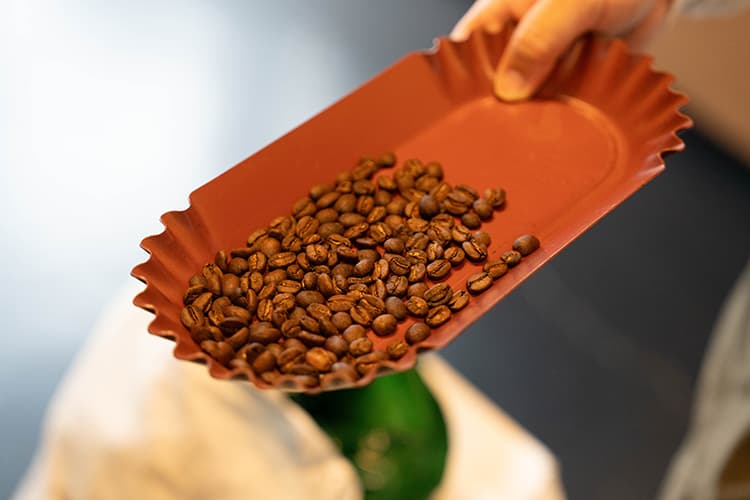
Beans sample-roasted to test various roast profiles. “We look for a way to achieve the goal of bringing out the beans’ distinctive character to the max while assessing their aroma, acidity, and sweetness.”
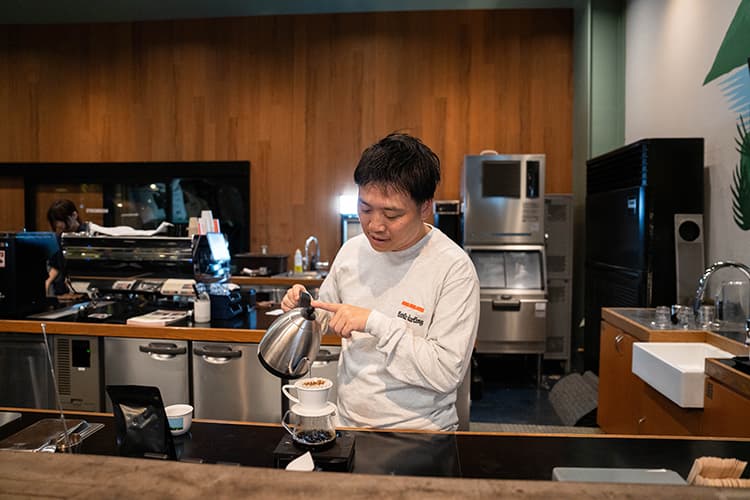
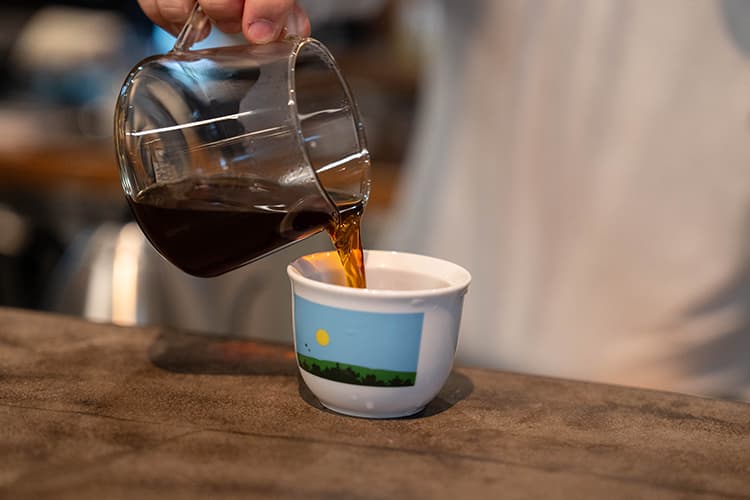
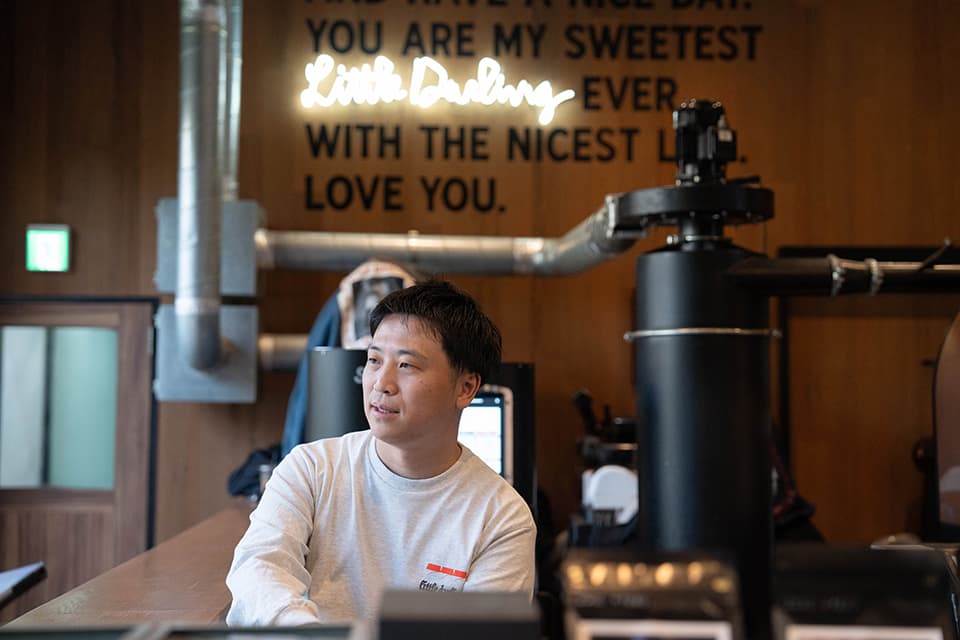
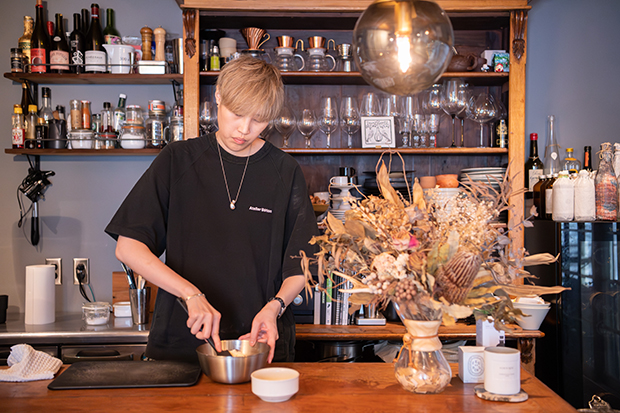
Naoya drip-brewing a sample roast himself. This coffee was striking for its fruity citrus aroma and refreshingly sweet aftertaste.
How Naoya fell in love with coffee — and went from social media to the world championships
Naoya placed second in the Coffee Fest Latte Art World Championship Open 2016 and serves on the board of the Latte Art Association of Japan. But his career began, surprisingly, in the Japanese cuisine.
“After graduating from vocational school, I worked as a chef at a traditional Japanese restaurant in Shiga Prefecture for two and a half years. There was a strict pecking order, and I learned a lot, though I began to doubt my ability to stick it out until I was sixty. That was a turning point. I quit with ambitions of having a go at a startup. What I envisioned was a job behind the counter, either a bartender or a barista. But I’m not much of drinker, so I chose to go with coffee.”
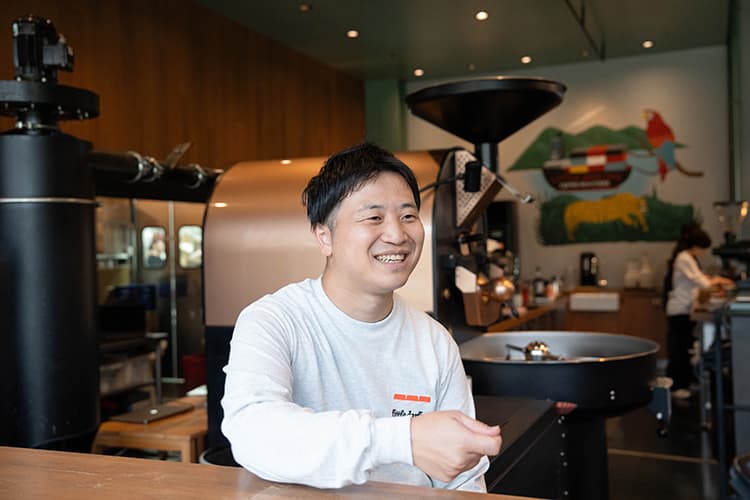
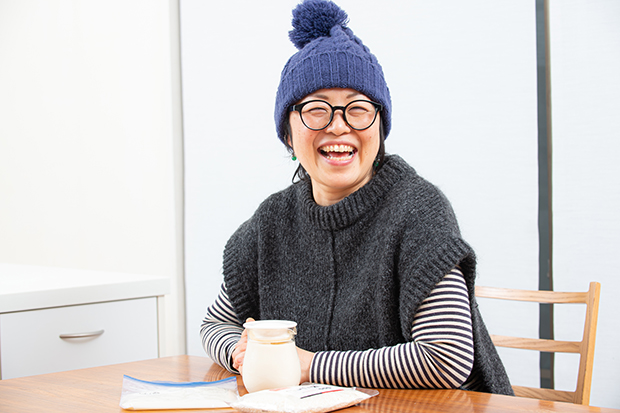
“Rather than fretting and dithering, I’m the kind of guy who likes to experiment with whatever interests me,” laughs Naoya.
Naoya found a part-time job at Starbucks in Shizuoka. There he became fascinated by the intricacies of coffeemaking when he touched an espresso machine for the first time. Then he started watching latte art on social media, and he was so bowled over that he began making the rounds of coffeeshops in Tokyo. When he found out that The Theatre Coffee was about to open in the Shibuya Hikarie complex, he joined Transit Group as a part-timer and moved to Tokyo.
“As I practiced my technique at the café, I became increasingly determined to get better. I wanted to keep practicing every day in a professional setting. So I took the plunge and successfully bid for a commercial-grade espresso machine at a US auction. The machine cost me 250,000 yen, and the shipping cost me another 250,000 [laughs]. But I didn’t hesitate for a moment, because this way I could hone my technique at home.”
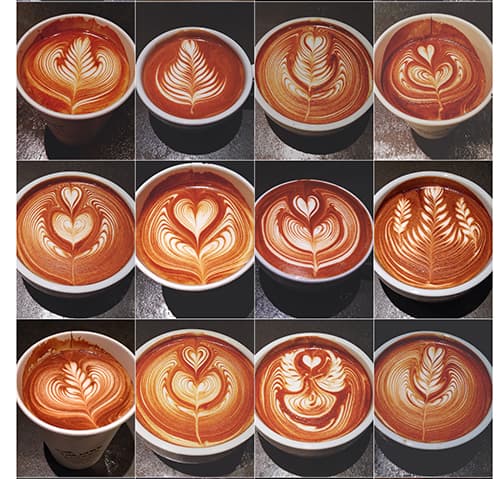
A photographic record of Naoya’s practice sessions can still be found on his Instagram page (@akanihihi).
Naoya’s hard work paid off when in 2016 he placed second at the Coffee Fest Latte Art World Championship Open. After that feather in his cap, he worked at Transit head office on menu development and selecting equipment for new outlets, as well as training staff. He also gave shape to his dream of establishing his own roastery.
“On my birthday, I pleaded with the president to set up a roastery [laughs]. I immediately drew up plans and presented the proposal. As a result, Little Darling Coffee Roasters opened in 2018.”
Fresh air, greenery, and the smell of coffee roasting — all in the heart of the city
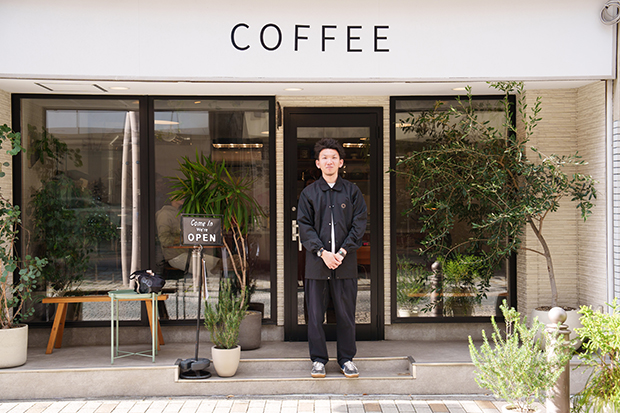
Little Darling Coffee Roasters was inspired by an idea: To make coffee more special. Located on a renovated warehouse site opposite a lush area of green space, it integrates elements of pop and graphic art. It’s a place where coffee and creativity come together.
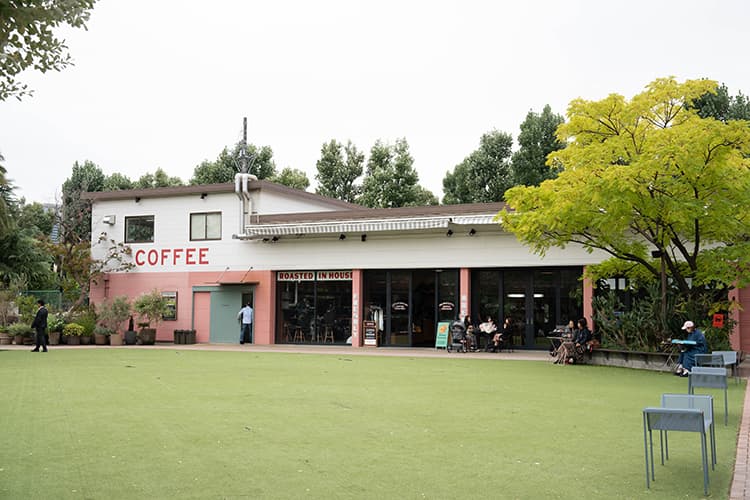
The extensive grounds once served as the site of a trucking company’s warehouse. The vegetation is so dense it’s hard to believe you’re in the middle of Tokyo. You can enjoy a leisurely coffee on one of the benches.
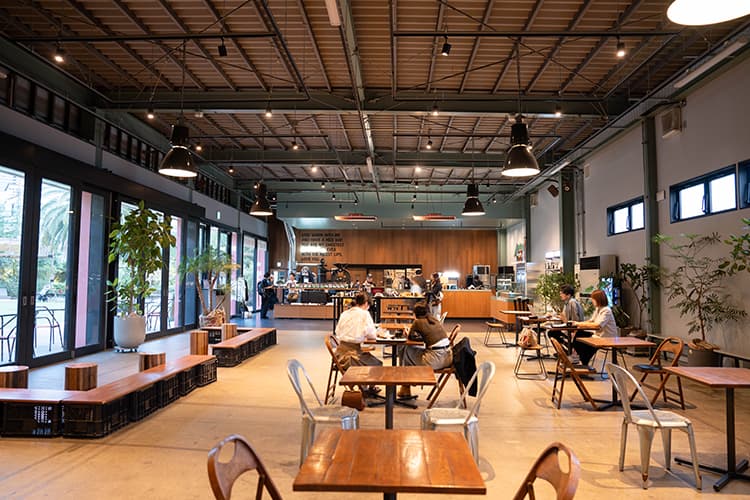
Little Darling Coffee Roasters serves fresh, delicious-smelling specialty coffee, taking painstaking care at every step from roasting the beans to extracting the coffee. Handheld foods like hamburgers and hotdogs are popular menu items. The interior is put to maximum use by holding regular events and markets.
“I visited lots of potential sites before settling on this one. I wanted to create a bright, spacious interior reminiscent of the West Coast — something straight out of San Francisco’s coffee shop culture. When I saw the sweeping view of the park, I knew this was the place. Despite being in the city, it’s got a spaciousness that lets you feel the wind. It’s almost like you’re not in Japan. The café is designed to fit into the same worldview.”
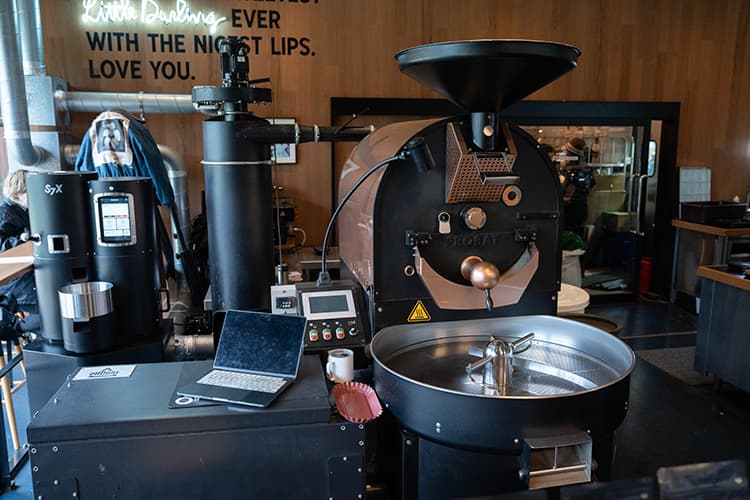
The roaster, made by historic German manufacturer Probat, is ensconced in a corner of the café. The interior is pleasantly suffused with the sound and smell of beans roasting. Here you can spend time enjoying the warm, cozy atmosphere created by beans fermenting and roasting. You can almost sense them being transformed into a fine cup of coffee.
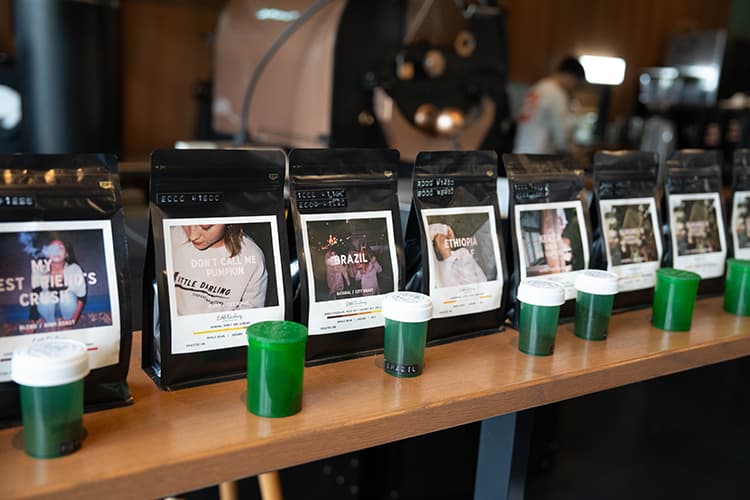
Little Darling Coffee Roasters insists on sourcing beans from all over the world each season and bringing out their aroma and flavor to the full. And the packaging has the appearance of an art book. You can thus have fun choosing the coffee you want not just by its flavor but also by its design — another of the place’s many attractions.
A new standard built around fermentation
Over the past several years, fermentation has rapidly emerged as a buzzword in the coffee industry. There’s anaerobic fermentation, for example, a method that shuts out oxygen using an airtight tank, thus gradually bringing out the fruit’s sweetness and aroma. There’s carbonic maceration, which means fermenting in carbon dioxide, a method resulting in a fruity, floral aroma. These and other refining methods that involve fermenting coffee cherries to better bring out their character are now in the spotlight.
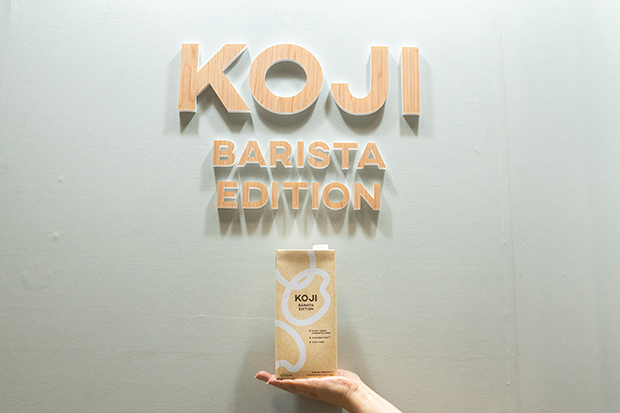
Meanwhile, Naoya has encountered fermentation in another form: Koji Barista Edition, a type of milk produced from rice koji (malt) and released by Marukome.
“I was involved in developing it, and the first time I tried it, I was amazed at the natural sweetness and aroma that rice koji imparts. While many plant milks separate easily, rice koji milk is as easy to work with as dairy milk, and it nicely sets off the coffee flavor. Another big advantage of it is not having to worry about allergies.”
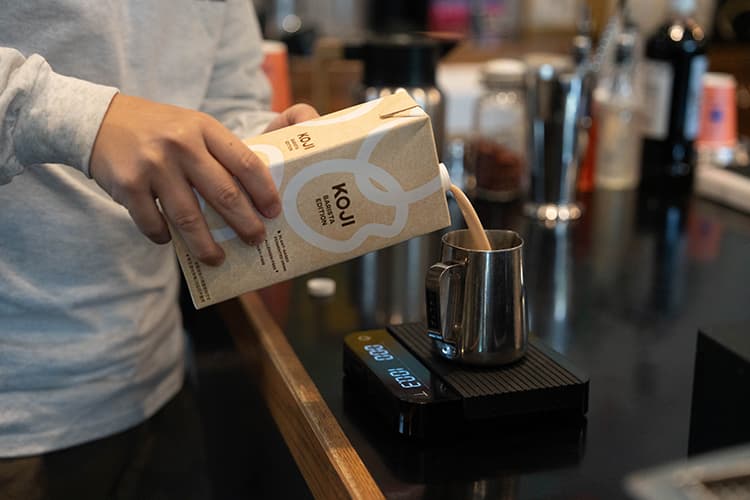
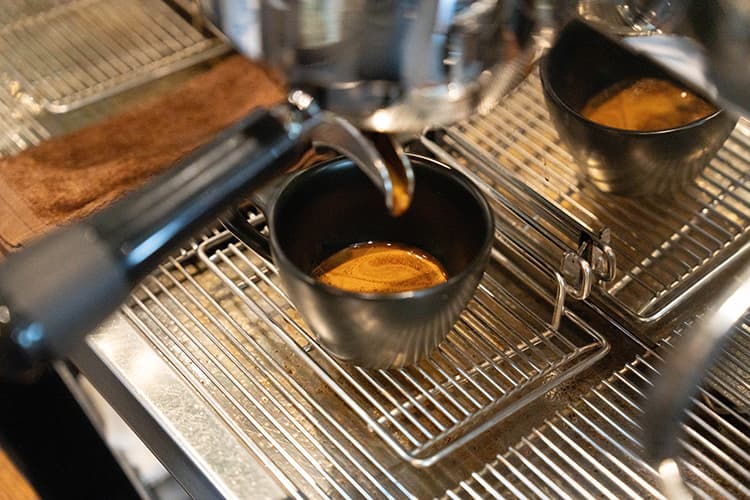
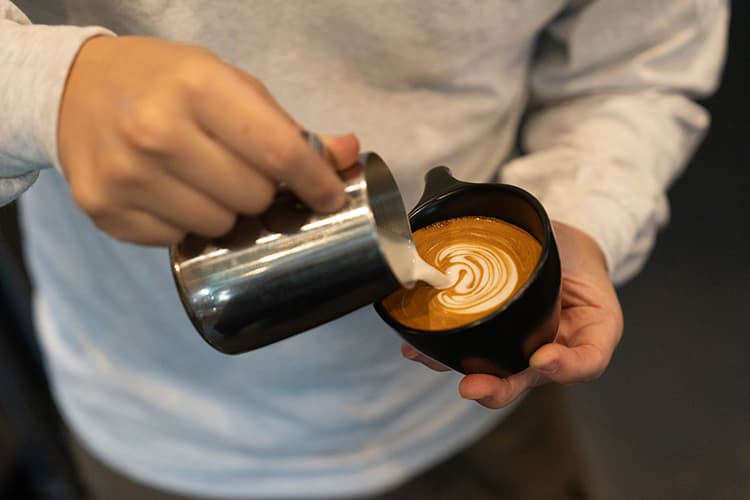
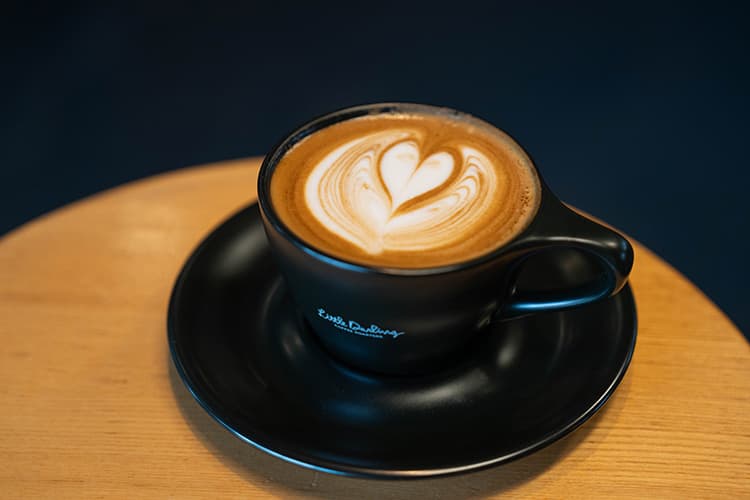
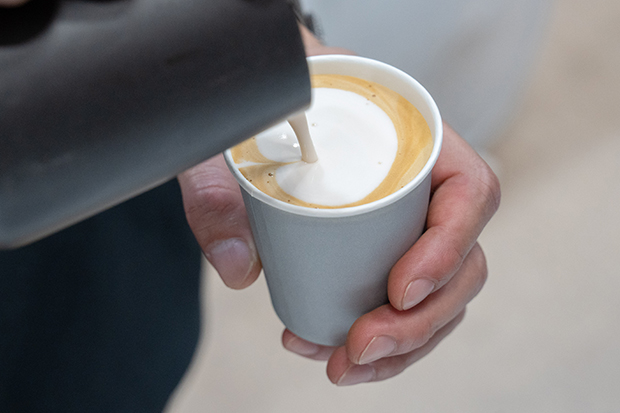
Koji Barista Edition foams beautifully and makes a great canvas for latte art. Coffee and rice koji milk, both products of fermentation, result in the perfect latte, with a nice interplay of mild sweetness and aroma.
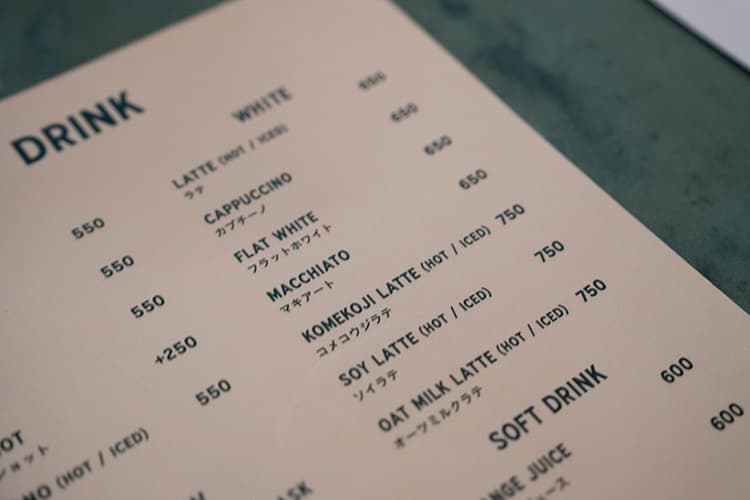
Komekoji (rice malt) Latte is attracting attention as a new option for those who prefer plant milk.
“Rice koji milk is becoming a new standard, and we want more people to know about it. With that in mind, we’ve put it on the menu as one milk option while deliberately avoiding giving further details. That leads to conversations with customers about what kind of milk it is. Many of them are intrigued enough to order it.
“What I learned about fermentation and umami in the world of Japanese cuisine has, I believe, served me well in my present coffeemaking endeavors. The next thing is to visit places where coffee beans are grown and observe the fermentation process with my own eyes. I still have a lot of exploring to do.”