How to Make Homemade Bruschetta with Fermented Toppings
Nov 06,2025
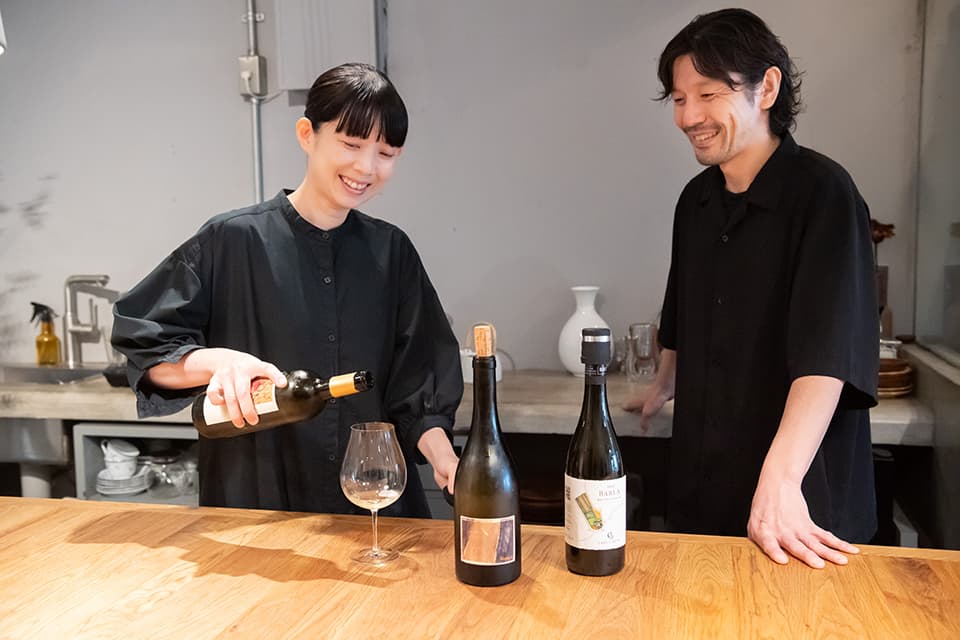
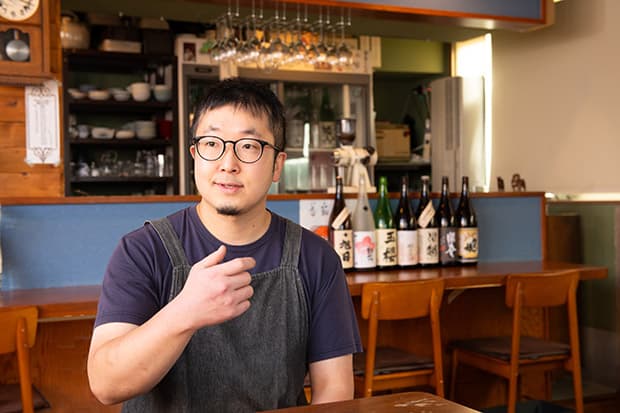
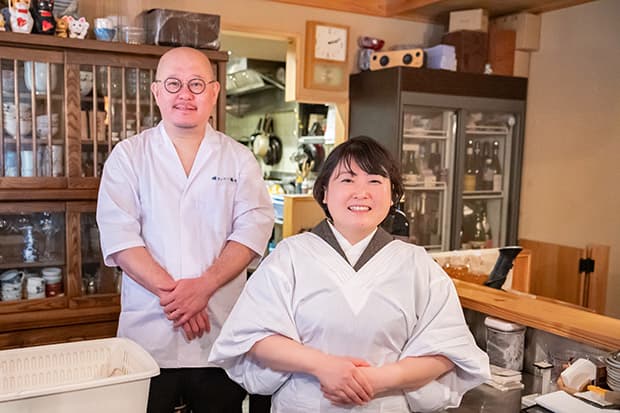
In this ongoing series, we ask food professionals for their top recommended fermented foods. For this article, we visited Qkurt, an Italian restaurant tucked away on a back street in Tokyo’s Kagurazaka district. Owner-chef Kakuda Naoya handles the cooking, while pastry chef Kakuda Namiko takes care of the bread and desserts. Let’s enjoy a plate of bruschetta, featuring Namiko’s homemade bread, brimming with fermentation and the cheerfulness the couple fosters.
The Kakudas provide a joyful experience
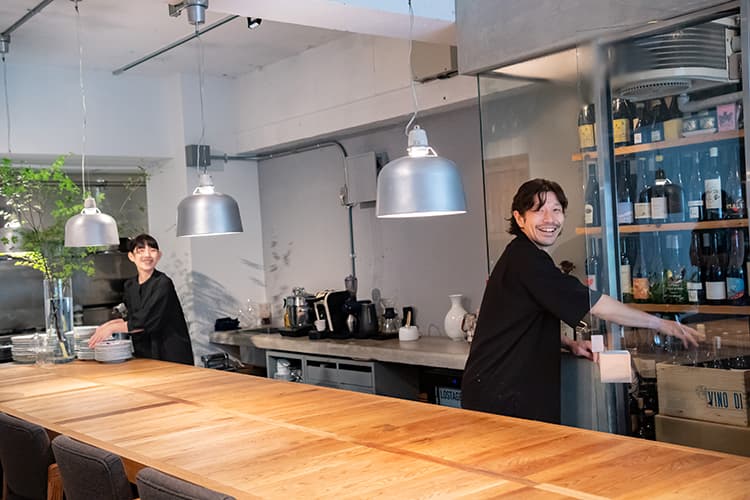
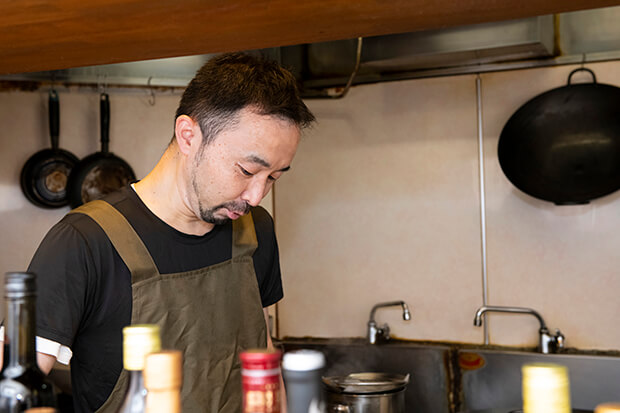
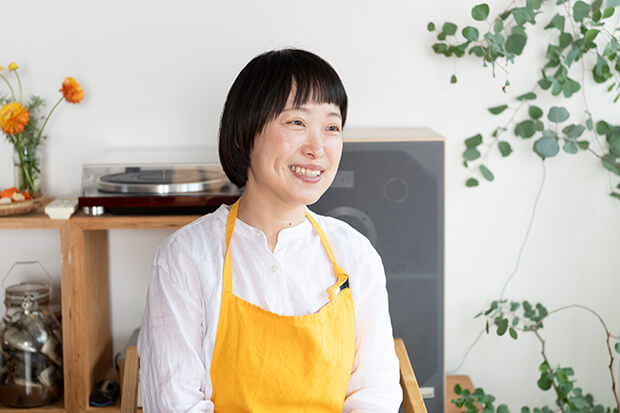
The softly lit Qkurt is located in a back street of Kagurazaka. As we opened the door, we were greeted by Chef Kakuda Naoya standing behind the counter, while his wife, Namiko, carries some freshly baked bread.
Once seated at the warm counter table, it’s time to start delighting in food and wine — eating, drinking, and chatting to your heart’s content.
“We want guests to enjoy our full-course meals in a more casual setting,” the softly-spoken Naoya explains. “We also strive to convey the Italian culture of truly savoring food and finding joy in it.”
The couple, who met while attending the same culinary school, opened Qkurt in 2019. In the 12-seat restaurant’s space, they have created a relaxing ambience that lets guests indulge in full-course meals without fuss or formality.
Qkurt’s hidden treasure is its freshly baked homemade bread
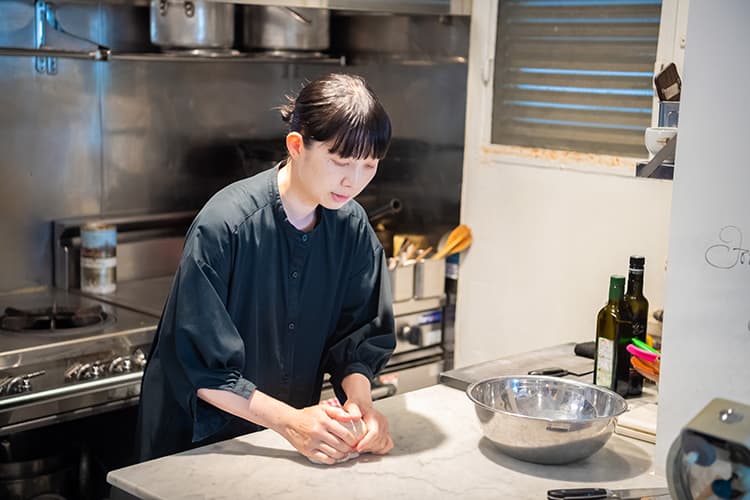
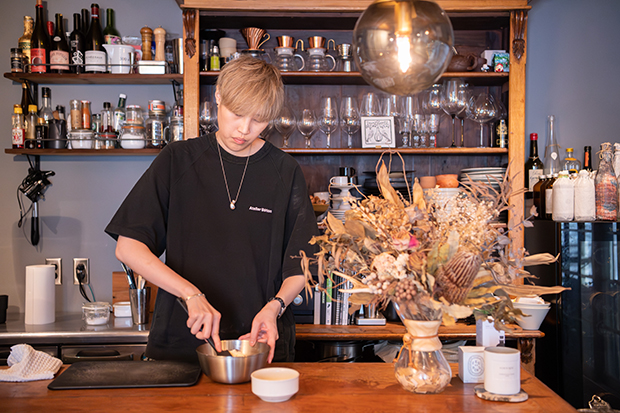
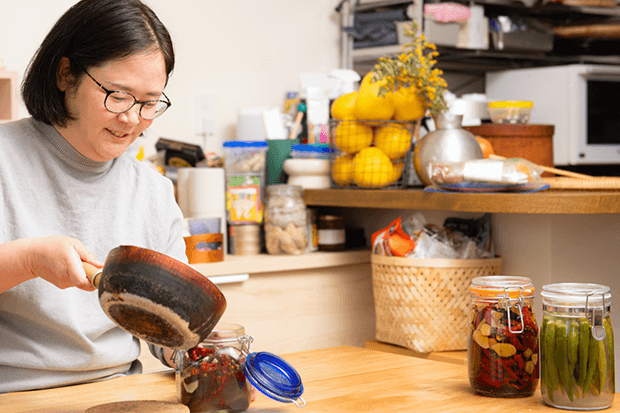
Namiko times her preparations so the bread will be fresh from the oven by the time the restaurant opens. The piping-hot bread is itself a treat.
Another standout at Qkurt is its freshly baked homemade bread that complements the meals.
“Our guests rave about the bread Namiko bakes. When people say ‘The bread was especially delicious,’ I feel a bit conflicted to be honest. (laughs) Comments like those inspire me to make sure my cooking doesn’t fall behind,” says Naoya.
The full-course meals are accentuated by two types of bread: rye bread made with natural yeast and brioche with a delightfully crisp texture.
“When we started the restaurant, I wanted to make the bread by hand every day because it tastes the best when it’s fresh out of the oven. Honestly, the best part is sneaking a bite while the bread is still warm,” Namiko says with a laugh.
She painstakingly adjusts the amount of water and the rise time based on the day’s temperature, humidity, and type of flour. For Namiko, this is simply part of her daily routine.
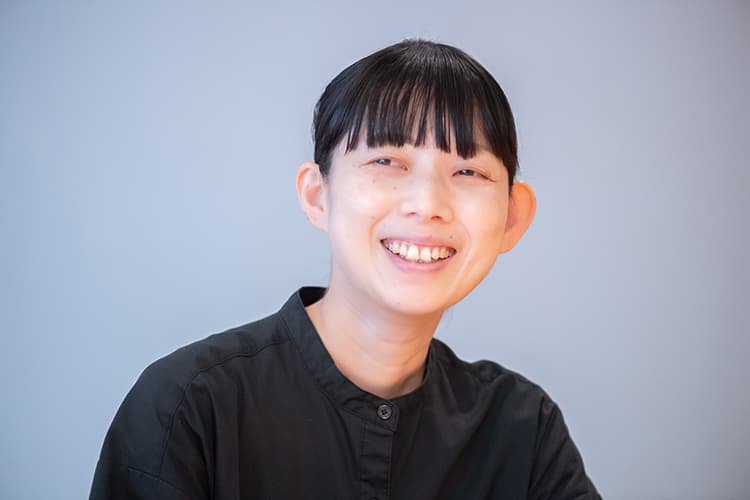
“I use rye flour and all-purpose flour in my bread, so the ingredients might be unfamiliar to people, but the recipe is very simple. In Europe, many households bake bread almost daily, so breadmaking is part of everyday life. In cold seasons, the fermentation might not progress very well or, conversely, it may over-ferment. But baking usually fixes any issues. (laughs) I hope your readers try the deliciousness of freshly baked bread at home without getting too hung up on the details.”
Making rye bread at home
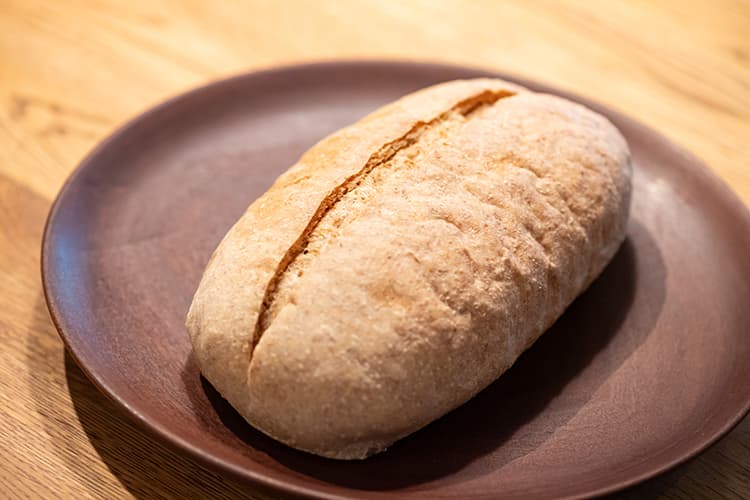
Qkurt’s signature rye bread uses homemade natural yeast and is baked to aromatic perfection. For this article, we asked Namiko for a rye bread recipe that uses dry yeast for easy home baking.
-
- [Ingredients (easy-to-prepare amount)]
- Rye flour50 grams
- All-purpose flour150 grams
- SaltThree grams
- Dry yeastThree grams
- WaterBegin with 120 mL
-
- [Directions]
- 1.In a bowl, combine the rye flour, all-purpose flour, salt, and dry yeast and mix thoroughly. Add the initial amount of water and mix with a rubber spatula. If the dough doesn’t come together and remains powdery, add more water little by little until it reaches a doughy consistency.
- 2.Once the dough forms into a single clump, transfer it to a work surface. Knead the dough by pressing down with the heel of your palm. When the dough is no longer sticky, its surface is smooth, and you can pull your hands away without it sticking, shape the dough into a ball. Place in a bowl, cover with plastic wrap, and let it rise at room temperature for about 60 to 90 minutes.
- 3.Once the dough has expanded significantly, the first stage is complete. Gently press out the air, reshape into a ball, cover again with plastic wrap, and let rise a second time at room temperature for about 30 minutes.
- 4.Preheat the oven to 180°C. Place the dough from Step 3 onto a baking tray lined with baking paper. Make a slit in the center with a knife and bake for about 20 minutes.
The baked bread turns out with an exquisite balance of the rye’s hearty umami flavor and a light, crispy-yet-chewy texture. “Blending in the all-purpose flour creates an aroma and texture impossible with rye flour alone.”
Bruschetta with anchovies and fermented butter
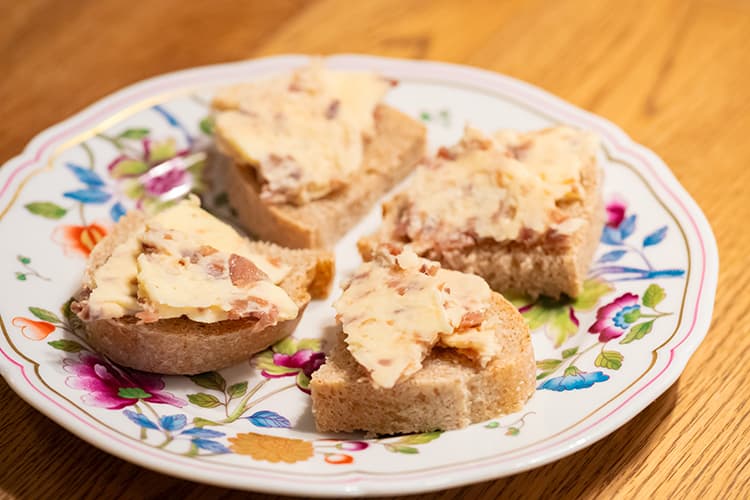
Here, we pass the bread on to Naoya. We’ll transform the aromatic rye bread into fermentation-focused bruschetta, enveloped in Italian-style generosity and the umami of fermentation.
-
- [Ingredients (easy-to-prepare amount)]
- Fermented butter
(brought to room temperature)80 grams
- Anchovy fillets30 grams
- Rye breadAs needed
-
- [Directions]
- 1.Chop the anchovy fillets coarsely.
- 2.Place the butter in a bowl, add the anchovy fillets from Step 1, and mix with a rubber spatula.
- 3.Spread out a sheet of baking paper, and place the mixture from Step 2 in the center. Cover with another sheet of baking paper, and press the mixture until it forms a thin sheet. Chill in the refrigerator for at least 30 minutes.
- 4.Slice the rye bread into bite-sized pieces. Break up the anchovy-butter sheet from Step 3 by hand and place a suitable amount on each slice of bread.
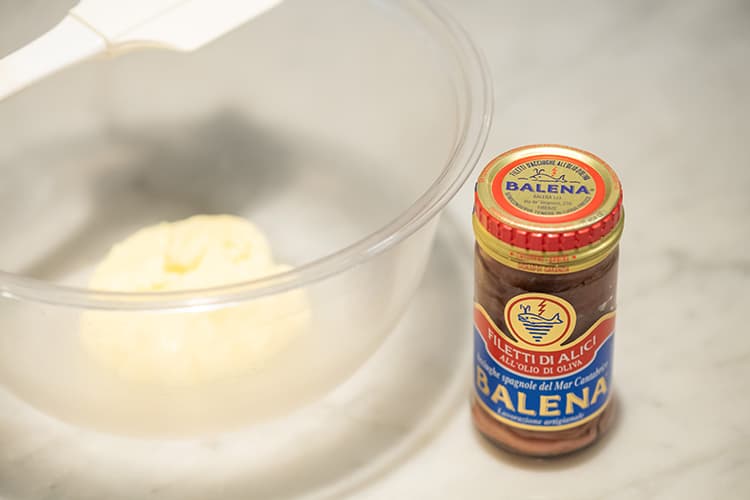
“This recipe requires no special techniques: just combine delicious anchovies with delicious butter. I highly recommend Balena anchovies,” Naoya says.
“The most important thing to remember is to not chop the anchovies too finely. Having them spread out sparingly creates greater taste intensity and heightens the umami profile. Each bite offers a fresh, distinct taste. This sparseness, this generosity, is the beauty of Italian cuisine. Italy is not necessarily an affluent country, and its culture revolves around eating plenty of fresh ingredients harvested in season. This is precisely why Italians have endeavored long and hard so they can enjoy what’s on the table in season without growing tired of it. I believe that’s one of the true essences of Italian cuisine.”
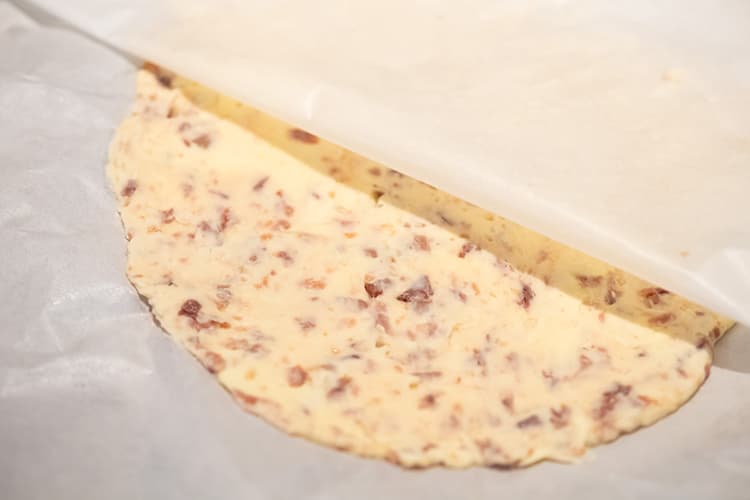
The secret to Italian-style deliciousness is sparseness. Sandwich the topping ingredients between two baking sheets, flatten until quite thin, and then chill until firm.
Naoya recommends topping hearty, chewy rye bread with lots of anchovy butter.
“The flavor of the bread and the aroma of anchovies and butter blossom with each bite. It’s a taste sensation you never get tired of. When paired with wine, it makes the perfect appetizer.”
The depth of fermentation rediscovered in Italy
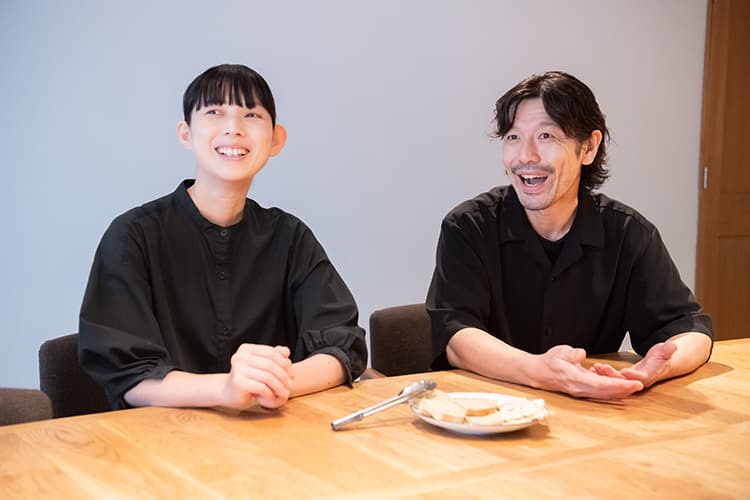
The Kakudas had just returned from their first restaurant and food tour of Italy since opening Qkurt. On this first trip to Italy in many years, they found something they never expected to encounter.
“We were served miso,” Namiko tells us, as if relishing the surprise.
They discovered a restaurant that prizes the traditions of Italian cuisine while at the same time seeking out new tastes. This included a dish that paired miso with cheese and truffles. The combination of these tastes was, for Naoya, a revelation.
“We are obviously well-acquainted with the taste of miso. But we never imagined how well miso would go with the flavor of truffles. Discovering this particular combination in Italian cuisine was even more of a surprise. In general, Italian cuisine is about enjoying tastes directly from the ingredients themselves. Its allure is how the cooking draws out the umami of what’s available at the particular time and place in a simple fashion, rather than going for elaborate preparations. Adding in miso, a product of fermentation, to this type of cuisine produces an additional depth of time. On this trip, we really felt the fusion of fermentation and Italian food.”
Naoya’s rediscovery of fermentation’s attractiveness in Italy is now revealing itself as new breadth in his cooking.
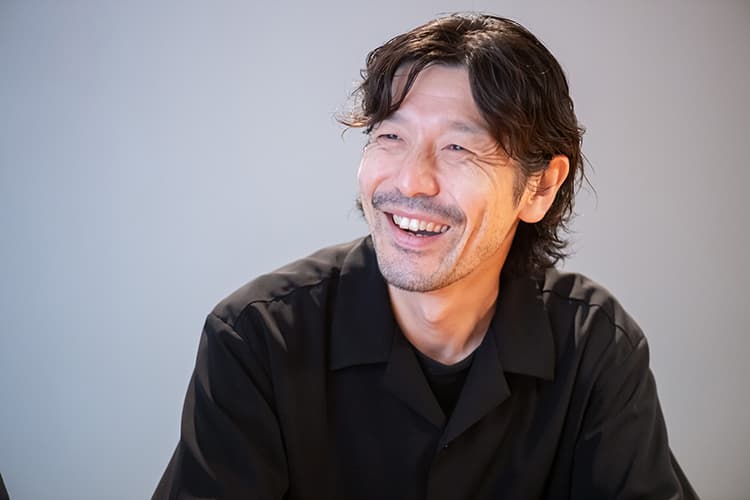
“I abide by my own rules in my cooking, such as not using sugar or additives. And since I’m making Italian food in Japan, I felt I had to respect the traditions of Italian cuisine and remember stay true to its essence. So I had never used miso in any dishes before. What I discovered is that in Italy itself, chefs have a lot more freedom than I had thought. (laughs) On second thought, it’s clear that Italian cuisine uses a number of fermented ingredients like anchovies, colatura [fish sauce], balsamic vinegar, and prosciutto, and the umami of these ingredients underpins many classic Italian dishes. I hadn’t really considered fermentation on its own before, but now I’m super excited envisioning the new possibilities fermentation provides, including Japanese fermented seasonings like miso and mirin rice wine.”
Naoya’s expression is radiant as he speaks.
“I feel I’ve relaxed a bit, simply making what I think is delicious without worrying about conventions or rules I’ve imposed on myself. And the bread we serve at Qkurt is tastier than what you’ll find in Italy. (laughs) Going forward, I will trust my own palate more and express what I can in Japan.”
In our next installment, we will venture out of Kagurazaka and into the nearby Araki-cho district of Yotsuya to pass the baton to another couple, Fujikiwa Takeshi and Yui of Kan Coffee Fuji Fuji. Be sure to stay tuned!