Among the many fermented foods, amazake [a sweet drink made from koji malt], in particular, has been gaining a lot of attention recently. Many people say they’d like to make their own amazake at home and drink it daily, but have yet to try because it seems difficult.
If this describes you, you are in luck, because we asked Oda Haruna, a Fermentation Meister from Marukome Co., Ltd.’s Public Relations Department, some basic questions about making amazake. In turn, she gave us the easiest way to make amazake using rice koji.
Answering common concerns about making amazake
We’ll save the easiest-ever amazake recipe until the end. First, Oda answers common questions people have about making amazake.
Amazake Question 1:
Some amazake have grains and some do not. Is there a difference?
“The only difference between the two types is whether the grains of rice have been crushed or not. Nutritionally, there’s no difference. The smooth version might be easier to drink, particularly for those new to amazake. I also recommend the grain-free type when using amazake in cooking or adding it to smoothies, because the finished dish looks better without noticeable rice grains. If you make your own amazake, blend it when finished in a mixer to make it smooth.”
Amazake Question 2:
How should I store the amazake I make?
“Homemade amazake will only last two or three days if refrigerated as is. That’s why I recommend heating the finished amazake to deactivate the enzymes before storing it. This allows it to keep in the refrigerator for about a week. Freezing it will extend its shelf life to about a month. When freezing, dividing the batch up into smaller portions with an ice cube tray makes it quicker and easier to use.”
Amazake Question 3:
Heating fermented foods apparently kills off the bacteria. Does this happen when you heat amazake as well?
“The enzymes of the koji mold used in amazake work to convert rice starch into glucose. So, once the amazake is finished, you don’t need to worry about the heat deactivating the koji mold or enzymes. In fact, storing homemade amazake without heating it up is riskier because it allows unwanted bacteria to multiply. For safe consumption, we strongly recommend heating your amazake before storing it.”

Amazake Question 4:
What are some ways you recommend using homemade amazake besides just drinking it straight?
“The best way is to use it in your cooking. When making simmered dishes for example, using amazake in place of sugar or mirin rice wine adds not just sweetness but also depth and umami, creating rich, complex flavors. As a rough guideline, try using the same amount you would have used for sugar or mirin.
“Adding amazake to yogurt or miso soup is something else I recommend. For miso soup, if the store-bought miso is a bit too sharp tasting, mixing in amazake will mellow out the flavor. When drinking amazake, having it with soy milk or tomato juice is delicious, as is adding a spoonful to black tea or roasted green tea.”
Amazake Question 5:
Is there a best time of day to drink amazake?
“Basically, you can drink it anytime. Since it contains a fair amount of sugar, it’s better to drink it when you are about to expend energy, like when you wake up in the morning, rather than right before bed. Amazake also allows your body to absorb nutrients without putting stress on your stomach, so I suggest you drink it when you have a cold or are feeling under the weather.”
Beyond its nutritional benefits, the attraction of amazake lies in how versatile it is. We encourage everyone to experience this versatility with their own homemade amazake.
The easiest way to make amazake at home
Making amazake at home might seem difficult, but with a little effort, creating delicious amazake is actually much easier than you think.
All you need are the ingredients: cooked rice, rice koji, and water, plus a thermos or similar container that can maintain a constant temperature. The method we show below requires absolutely no appliances like amazake makers or rice cookers, and no hassles like measuring the temperature.
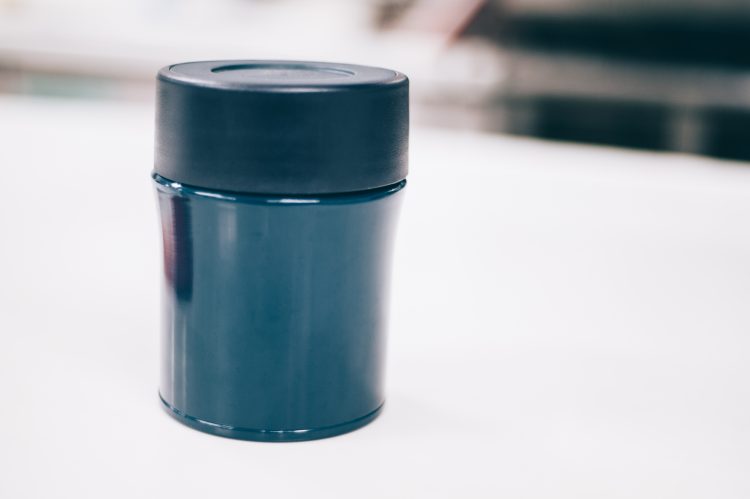
The only thing you need besides the ingredients is a thermos or similar container that can maintain a constant temperature. Use one with a large opening to permit stirring.
-
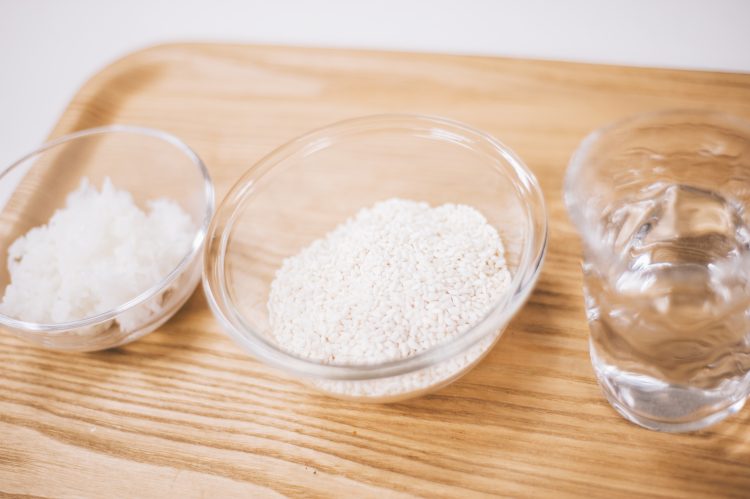
- [Ingredients]
- Freshly cooked rice100 grams
- Rice koji150 grams
- Water at room temperature200 mL
-
- [Directions]
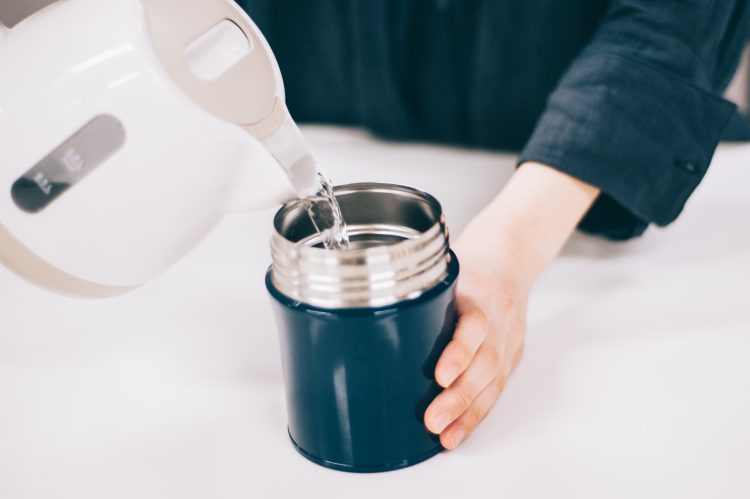
- 1. Fill the container with hot water and let it warm up.
- 2. Add the room-temperature water to the piping-hot rice and mix thoroughly.
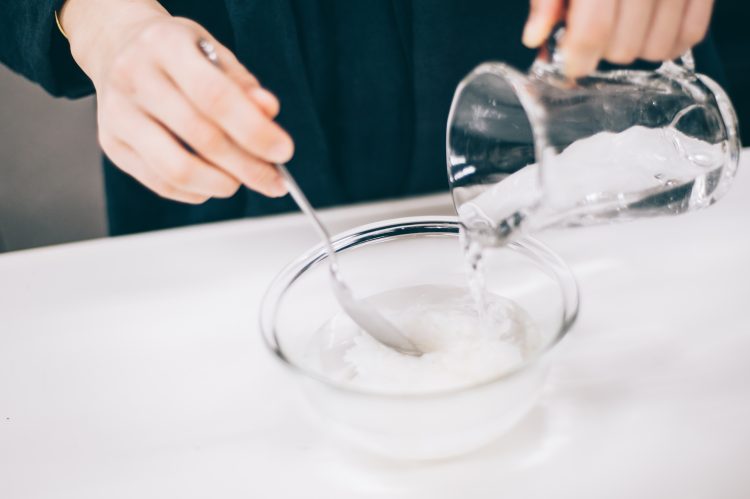
- 3. Add the rice koji to the mixture from Step 2 and mix thoroughly until even.
-
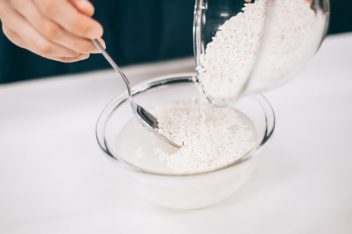
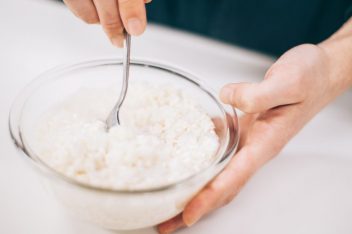
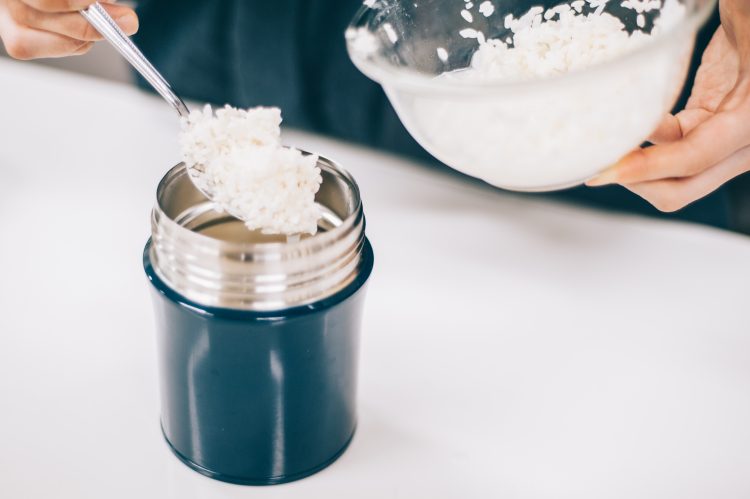
- 4. Add the mixture from Step 3 to the pre-warmed container and close the lid.
-
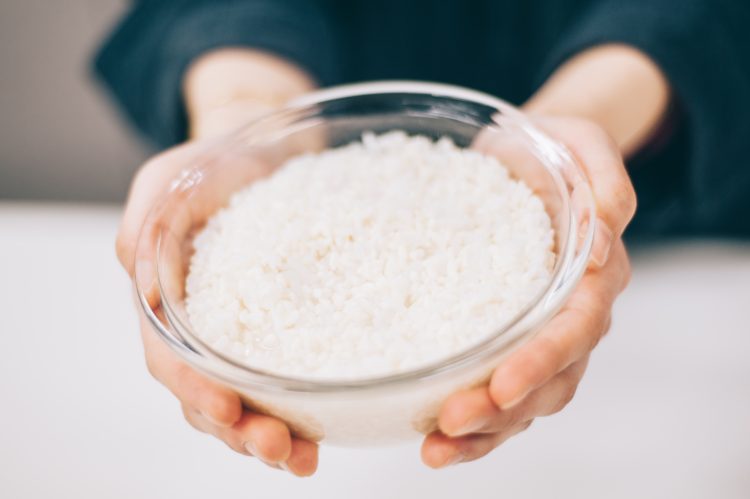
If the temperature drops while mixing the ingredients, reheat in a microwave as necessary. Around 30 seconds at 600 W should be sufficient.
- 5. Stir all the ingredients every two hours or so. Your amazake will be ready in six to 10 hours.
-
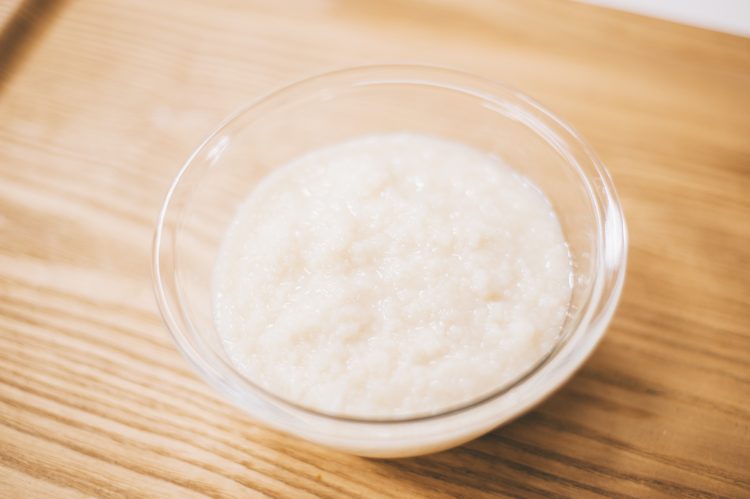
This photo shows the mixture at just the right consistency
That’s all there is to it: Just mix the ingredients and let it sit.
That said, Oda has a few tips to ensure your amazake is a success.
“The most important thing is the temperature. Keeping the mixture at around 60°C is ideal. Even without a thermometer, adding room-temperature water to piping hot rice will usually bring the temperature to around 60°C.
“The reason people fail is because they let the temperature get too high or too low. Koji mold loses its ability to produce enzymes when it gets close to 70°C. If you pour hot water over the rice koji or let it get too hot when reheating, it won’t ferment properly afterward.”

“On the other hand, if it gets too cold, although the koji mold will still produce enzymes, the fermentation will not progress and the mixture will never turn into amazake. However, unlike when the temperature gets too high, if it’s too low, you can revive the fermentation by bringing it back up to around 60°C. After placing the mixture in the insulated container, check it every two hours. If the temperature seems to have dropped, warm it up using a microwave or a water bath.”
If you have a microwave, you don’t even need to use a stovetop. As long as you follow the tips given here, you can easily make worry-free amazake at home. Using a thermos flask with a heat-retaining function that can maintain a constant temperature for many hours will make the process even easier. Give it a try!