Fermented Daikon Achar – Where Fermentation Meets Spice
Aug 07,2025
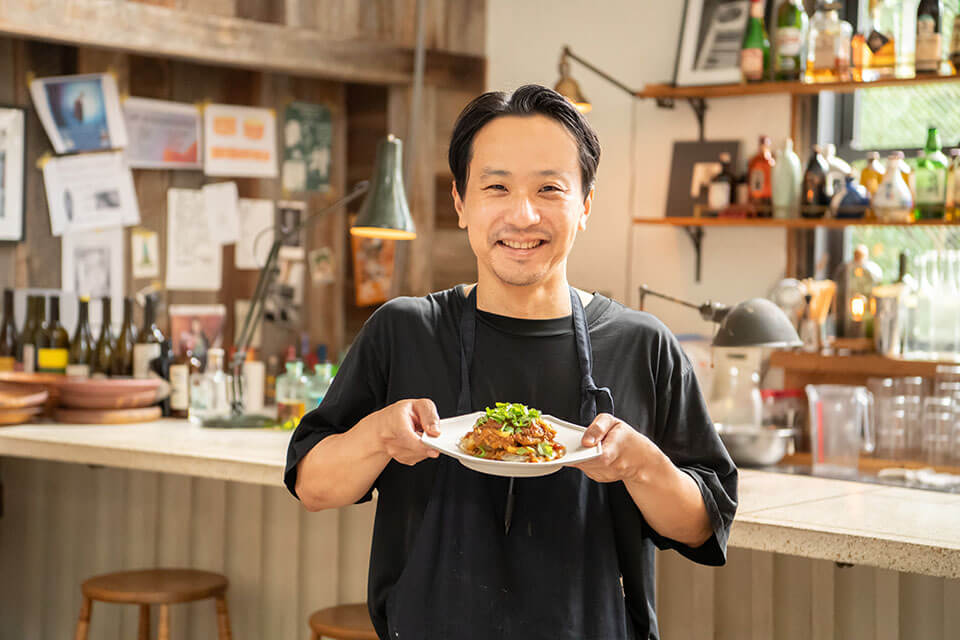
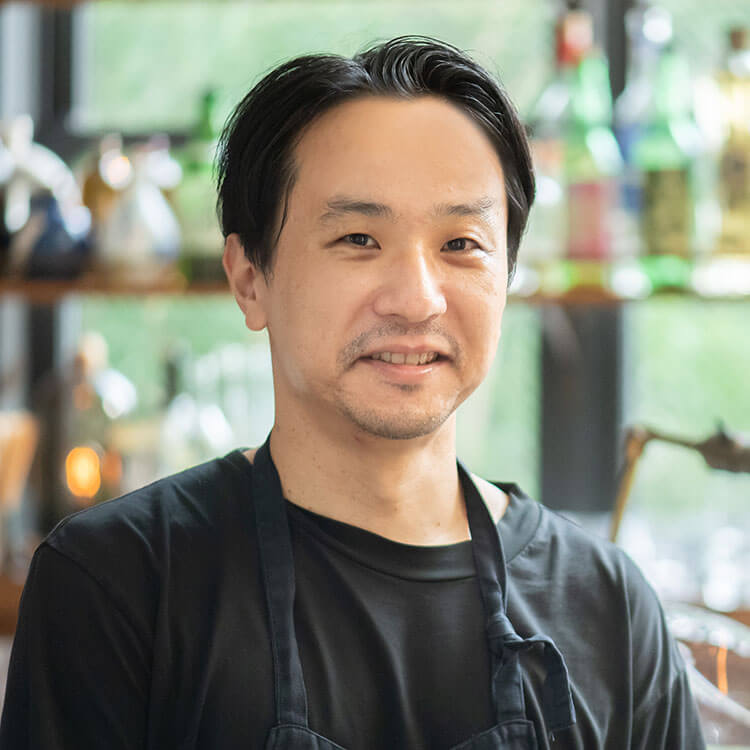
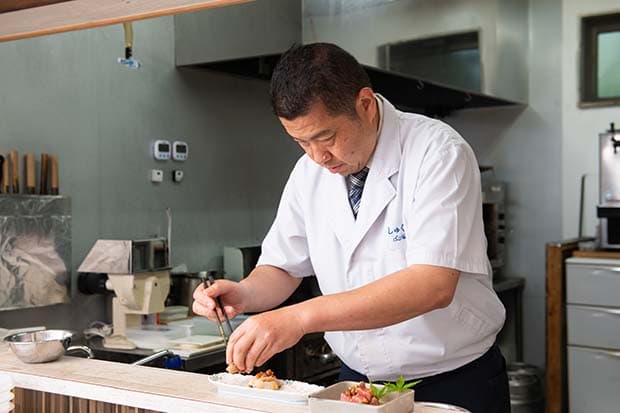
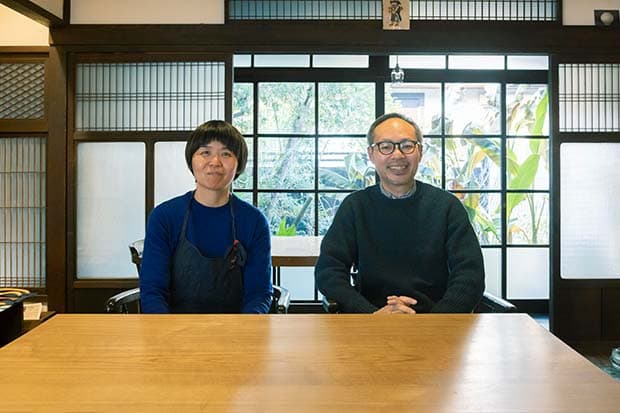
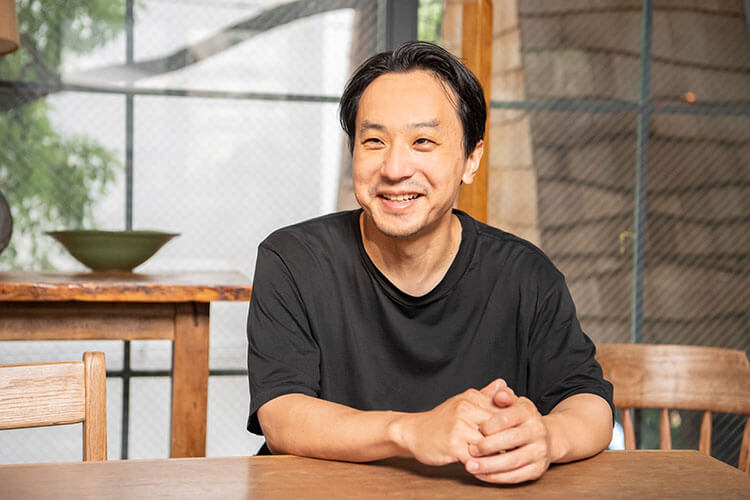
In this ongoing series, we ask food professionals for their top recommended fermented foods. This time, we welcome Hara Taichi, a chef who runs the popular restaurants Bistro Rojiura, PATH, and LIKE.
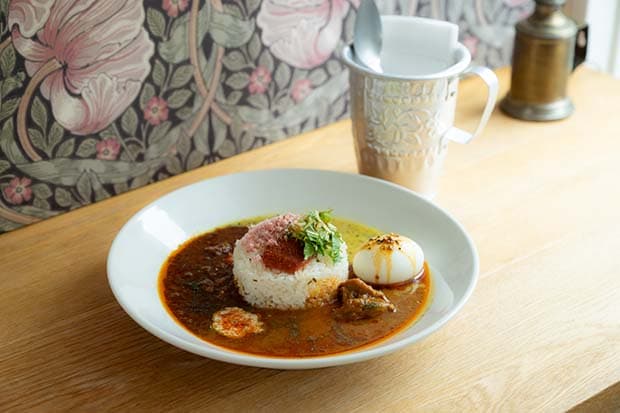
Chef Hara, who uses French techniques as a foundation while freely incorporating any and all culinary methods from around the world, shared his recipe for fermented daikon radish achar. This dish, featuring lacto-fermented daikon infused with spices, goes perfectly with curry as well as provides a delightful accent for many other dishes. Its deep flavor, woven together by fermentation and spices, transports you to India, China, and beyond, all from the comfort of your own home. Be sure to savor this familiar, yet novel, fermented fusion food.
Homemade fermented foods underpin the LIKE ethos
Hara honed his culinary skills at renowned French restaurants and now runs three very distinctive restaurants. The theme of his third venture, LIKE, is fusion cuisine infused with Chinese, Southeast Asian, and other eclectic influences. Inside LIKE, pleasant music creates a relaxed mood. During the day, sunlight streams in through the large windows; at night, warmly colored lights suspended from the high ceiling envelop the space, in which time passes at a leisurely pace.
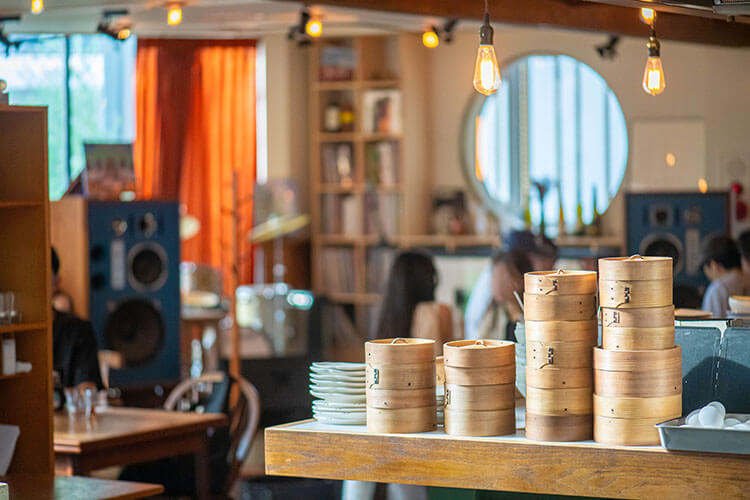
The comfortable interior of LIKE also includes a stage, where occasional live events take place
“I’ve always been drawn by the allure of street food eaten at stalls while on my travels abroad. I started LIKE from the desire to create food that makes you smile and exclaim ‘This is delicious!’ without obsessing over the details.”
Fermentation plays a crucial role in the flavors Hara devises. Homemade fermented foods like doubanjiang [fermented chili bean paste], miso made from black beans, fish sauce, fermented mushrooms, and others are the stars that orchestrate the deep, complex umami flavors unique to LIKE.
“Fermented foods take time and effort, but homemade seasonings have flavors you just can’t get from store-bought products. The charms of homemade fermented foods are what allow us to make dishes you can only experience at our restaurant.”
A global transformation and a rediscovery of fermentation’s appeal
Hara credits the world-renowned restaurant Noma as the catalyst for his deepening interest in fermentation. In 2018, Noma established a dedicated fermentation laboratory, leading the restaurant to offer numerous dishes that rely heavily on fermentation techniques. This drew significant global attention to fermentation, sparking a worldwide trend.
“Until then, fermented foods were an essential part of my own diet, but I never considered using them in restaurant dishes. Back then, I thought using soy sauce in French cuisine felt off somehow. So when Noma came out with fermented dishes, it was a real shock to me. It’s no exaggeration to say they transformed global cuisine overnight — their influence was that profound. I was one of the converted, awakening to rediscover fermentation’s appeal. Since then, I’ve been learning all I can about fermentation, making miso, soy sauce, and more.”
Since his eyes were opened to fermentation, Hara says with a laugh, he’s tried fermenting all sorts of things, driven by his natural curiosity as a professional chef.
“After learning how to make miso, I tried making it with black beans instead of soybeans. When you start thinking about deviating from a basic recipe, there’s no limit to the ideas you can come up with. I’ve had plenty of failures too, but that’s all part of the experience. Seeing how the flavor changes over time feels like nurturing something, and you grow attached to it.”
How to make fermented daikon achar
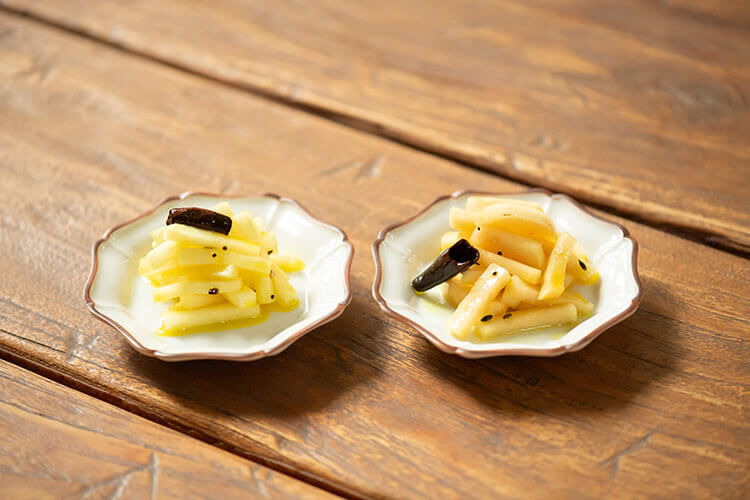
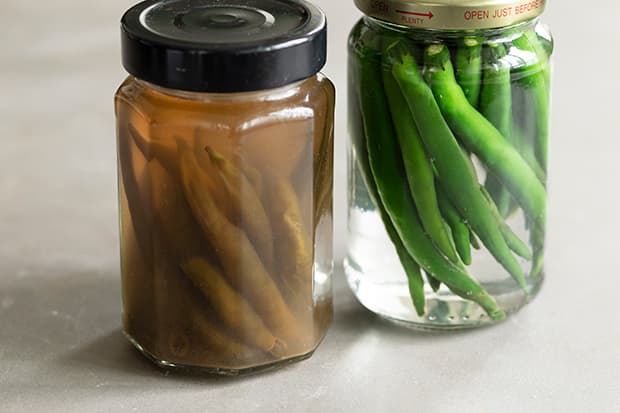
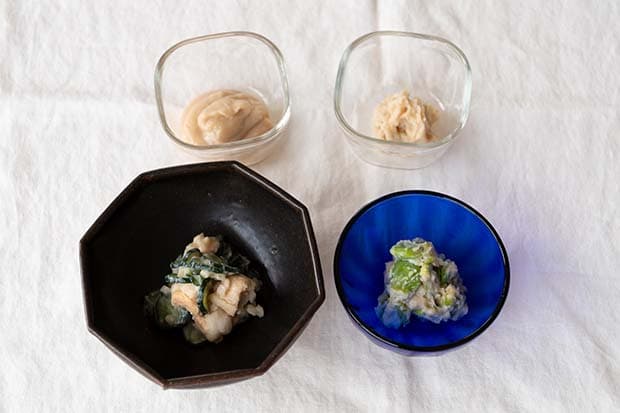
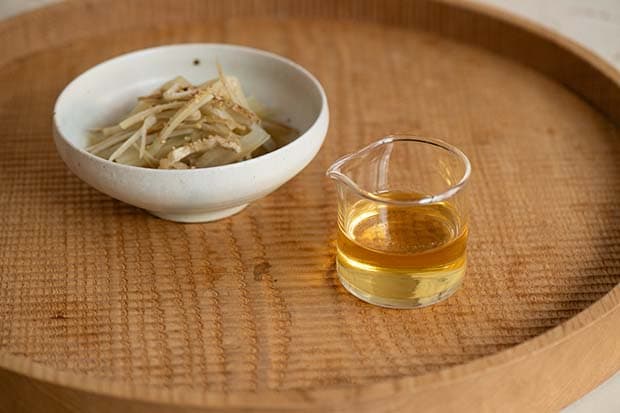
Fermented daikon achar immediately after preparation (left) and on the fifth day (right). Over time, a mellow sourness, the umami of the daikon, and the complex aroma of spices begin to unfold.
While learning about fermentation, Hara discovered fermented achar, which was taught to him by a farmer who loves Indian cuisine. Most achar is the non-fermented type, generally prepared with spices, vinegar, and oil. However, in regions like the Himalayas, people cherish the traditional style of achar that undergoes lactic acid fermentation.
Hara’s arrangement, fermented daikon achar, is an addictive combination of the aroma of spices and the umami and sourness lent by fermentation.
-
- [Ingredients](easy-to-prepare amount)
- Daikon200 grams
- SaltSix grams
- Mustard oil60 grams
- [A]
- Mustard seeds1/3 of a teaspoon/3
- Cumin seeds1/4 of a teaspoon
- Fenugreek seeds1/4 of a teaspoon
- Red chili peppersTwo
- Turmeric powder1/4 of a teaspoon
-
- [Directions]
- 1. Cut the daikon into thin five-centimeter-long strips, place in a bowl, and sprinkle salt over everything. Leave for about 10 minutes, then squeeze gently by hand to remove excess water and return to the bowl.
- 2. Put the mustard oil and the ingredients from List A in a small saucepan and heat over a medium heat. When the mustard seeds start to pop, cover with a lid just slightly ajar.
- 3. Once the popping sound stops, turn off the heat. Add the red chili peppers and turmeric, and then shake the pan. When the red chili peppers begin to blacken, pour the spicy oil into the bowl from Step 1. Mix everything together with a rubber spatula.
-
4. Once it cools slightly, transfer to a clean, airtight container. Let it ferment at room temperature for two to three days. Once it develops a sour tang, refrigerate. The achar will keep in a refrigerator for about one month.
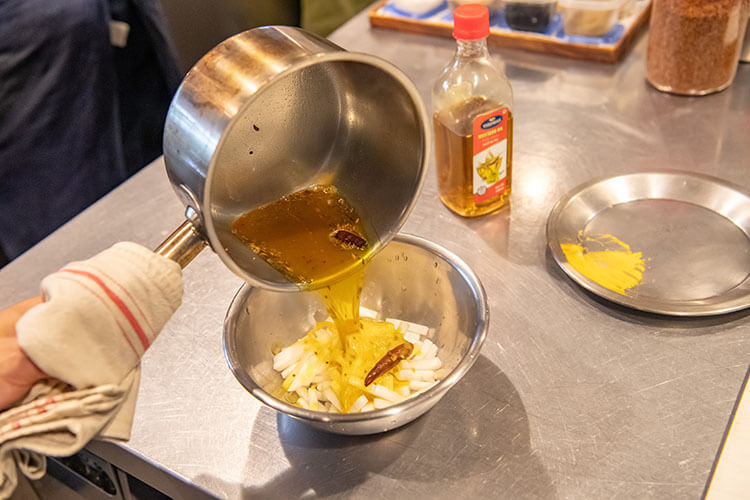
Pour all the piping-hot spicy oil over the daikon that has been squeezed dry. “You can substitute olive oil or rice-bran oil. However, mustard oil will give it a much more authentic flavor,” says Hara.
Fermentation + spices = a deliciously addictive taste
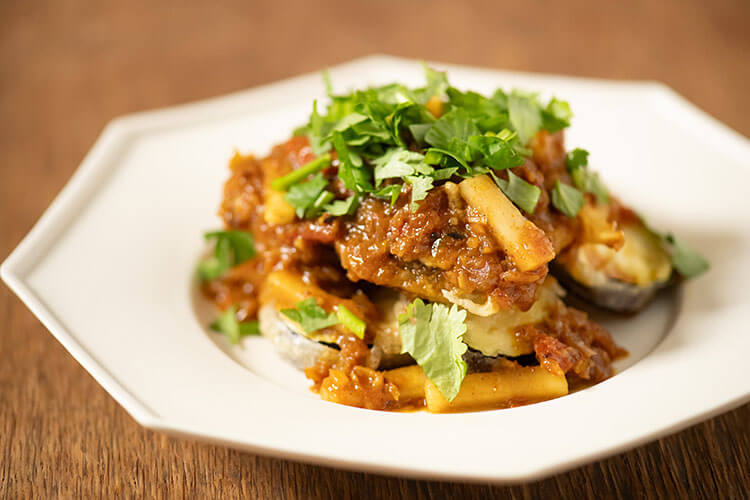
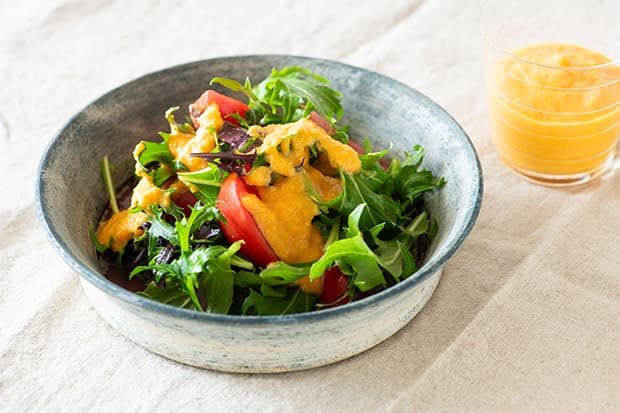
Fermented daikon achar is just too good to serve only with curry. Its mellow tang and crunchy texture embellishes your sauces and adds depth to your dishes. This Manchurian sauce is a perfect example. Its spicy, sweet-and-sour flavor pairs exceptionally well with eggplant fritters.
Manchurian eggplant sauce
-
- [Ingredients](for a two-person serving)
- EggplantsTwo
- Cilantro (roughly chopped)12 grams
- Frying oilAs needed
- ◎Sauce ingredients
- Onion (finely chopped)80 grams
- Garlic (finely chopped)10 grams
- Ginger (finely chopped)10 grams
- Tomato (diced)80 grams
- Fermented daikon acharTo taste
- Rice-bran oil20 grams
- [A]
- Soy sauce23 grams
- Black vinegar12 grams
- Brown sugar15 grams
- 〈Powdered spices〉
- Cumin2 grams
- Coriander1 gram
- Turmeric1 gram
- Star anise1 gram
- Cloves0.5 grams
- Cinnamon0.5 grams
- Cardamom0.5 grams
- Black pepper0.1 grams
- ◎Fritter batter
- Cake flour30 grams
- Cornstarch20 grams
- Baking powder1 gram
- Water62 grams
-
- [Directions]
- 1. Make the sauce. Heat the rice-bran oil in a pot, add the onion, and fry thoroughly as if deep-frying. Once the onion edges are charred and the whole onion is browned, add the garlic and ginger and stir-fry briefly.
- 2. Immediately add the powdered spices and stir-fry for about 10 seconds. Then add the tomatoes and stir-fry until they break down and the liquid has mostly evaporated. Add the ingredients from List A along with the fermented daikon achar, mix well while bringing to a simmer, and then turn off the heat.
- 3. Place all the fritter batter ingredients in a bowl and mix together.
- 4. Cut the eggplant into round pieces two centimeter thick, coat them in the batter from Step 3, and fry in oil heated to 180°C.
- 5. Add the fried eggplant and cilantro to the sauce from Step 2, coat well, and serve on plates.
“Manchurian refers to the style of cuisine from Manchuria. Chinese immigrants to India developed a new type of cuisine called Indian-Chinese, a fusion of Indian and Chinese cuisine. This recipe adds fermented daikon to the traditional Manchurian sauce for an even more appetizing flavor.”
Fermentation is the world’s universal language
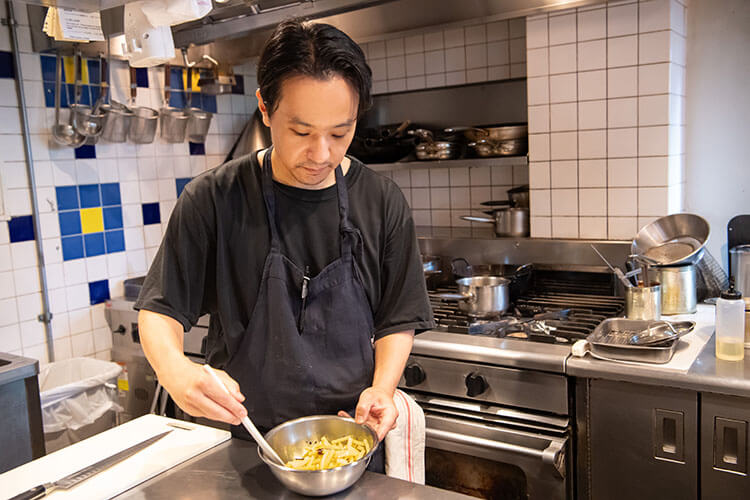
Inspired by dishes and flavors encountered on his travels, Hara continues to create dishes that transcend categories. He notes that how fermentation is used varies by country in terms of perception and application.
“Europeans, for instance, seem to favor strong sour flavors. When I visited Copenhagen, I thought everything I ate was a bit sour. Their culture uses a lot of vinegar, and many chefs there utilize the sourness from fermentation as a substitute for vinegar. Talking to chefs around the world about how they work with fermentation is educational for me, and exploring my own preferred aspects of fermentation is also enjoyable. Ultimately, I want to make use of fermentation’s umami and sourness in my cooking at just the right times.”
Asian food culture, which has developed alongside fermented foods, and the European approach, which reinterprets fermentation from a fresh perspective. For Hara, who incorporates both equally and flexibly, fermentation is profoundly deep; a type of playground with room for a lifetime of exploration.
“I still have so much I want to learn, and the thought of finding new worlds thrills me. But I’m sure I’ll never come up with all the answers. I’ll probably just keep exploring until the end. [laughs] And I think that’s a kind of happiness too.”
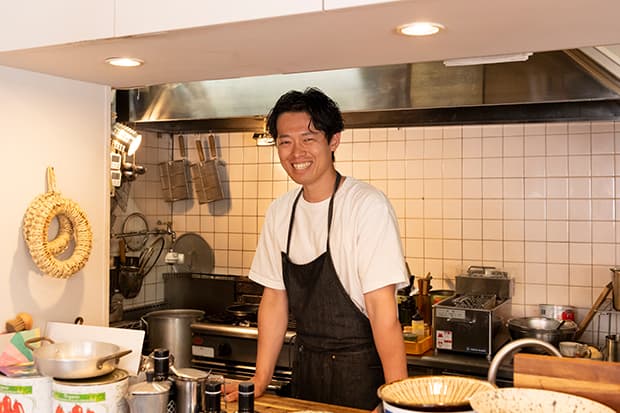
For the next installment, the baton will pass to Maruyama Chihiro, CEO of Cherche, who not only runs French bistros and izakaya pubs but also designs restaurants and develops menus. Be sure to catch us next time!