Chiyonokame Shuzo and Traditional Sake Brewing in Ehime
Sep 04,2025
The Ikazaki district of Uchiko in Ehime Prefecture on the island of Shikoku is a thriving farming community with abundant water, luxuriant forests, and terraced rice paddies. It’s also home to Chiyonokame Shuzo, which has been brewing sake here for over three hundred years, since the days of the Tokugawa shoguns. Chiyonokame Shuzo has always believed in making sake the traditional way using local rice and water. We caught up with the brewery’s Takayama Tomohiro .
Sake is a living organism. We create the right environment for it to do its thing by trusting our eyes and sense of touch.
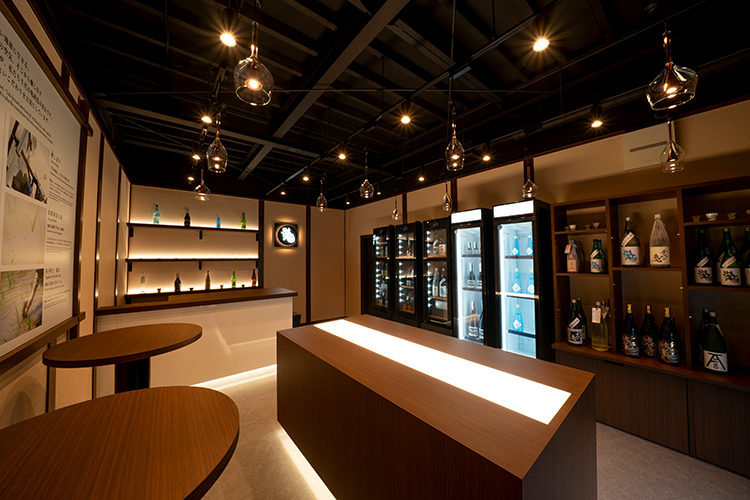
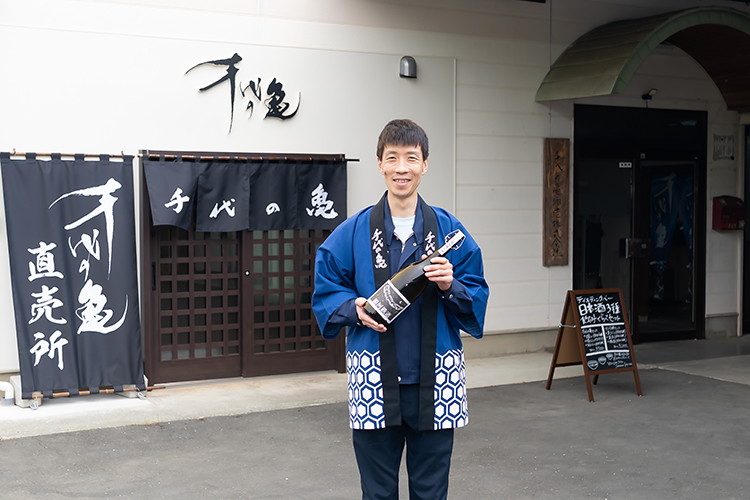
We duck under the split curtain at the doorway emblazoned with the word CHIYONOKAME and step into an understated interior suffused with the warmth of wood. The shelves are lined with sake made right here at the brewery. Chiyonokame Shuzo’s Takayama Tomohiro is there to greet us.
We begin by asking about Chiyonokame Shuzo’s approach to sake making. “We greatly value the artisanal touch,” Tomohiro replies amidst the many varieties of sake on display.
“We work with a living organism, namely sake. That’s why we believe it’s important to cater to its every need and rely on our eyes and sense of touch to figure out what it wants. How can we create the right environment for it to do its thing?”
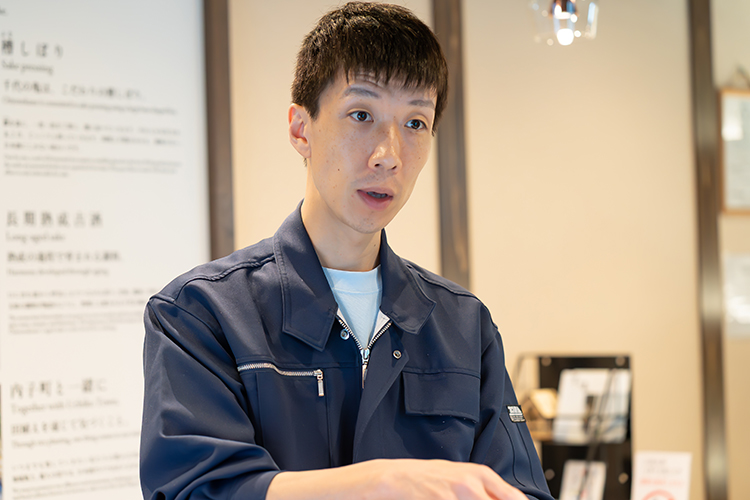
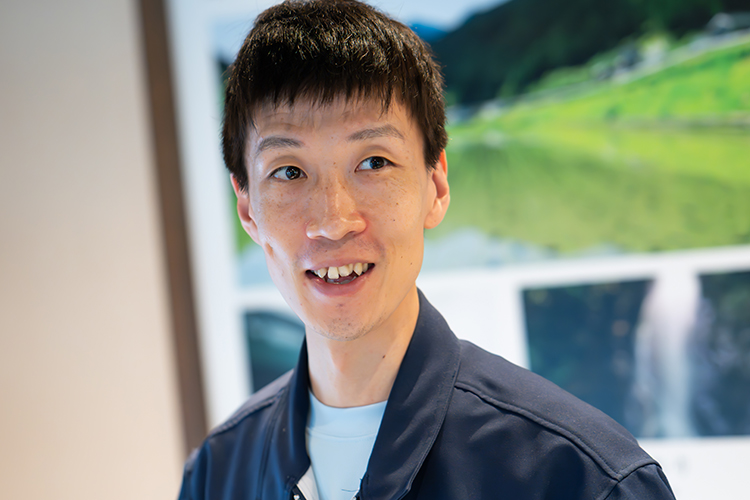
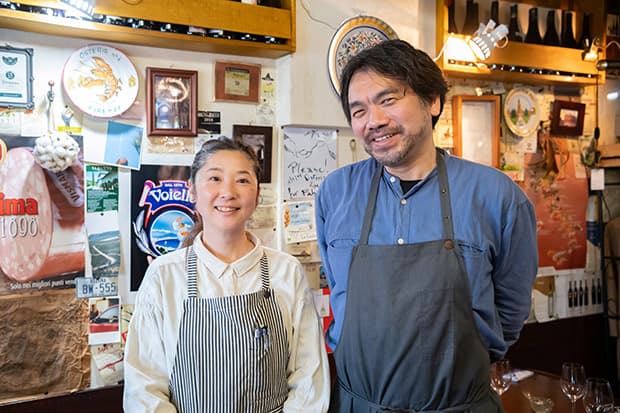
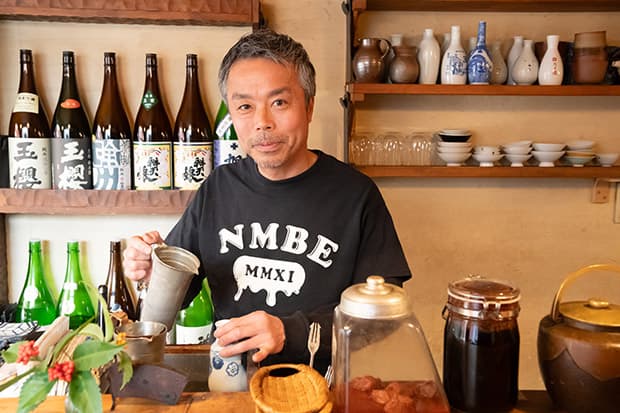
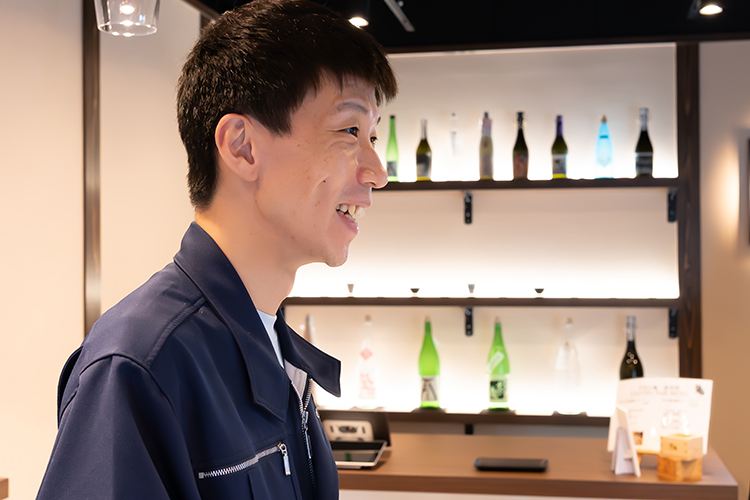
Chiyonokame Shuzo’s Takayama Tomohiro, who readily answered out questions
A second feature of Chiyonokame Shuzo’s approach to making sake is its commitment to upholding time-honored brewing methods.
“Here at Chiyonokame Shuzo, we’ve long had a history of never using equipment harder than the rice itself. We want to stick to that policy in our own sake making. When pressing the moromi mash, for example, we use an old-fashioned piece of equipment called a fune or ‘vat.’ We spend two whole days on what is called funa-shibori or ‘vat pressing.’ There are quicker, easier ways to do the job, but using traditional vats allows pressure to be applied more slowly, resulting in a sake free of off-notes.”
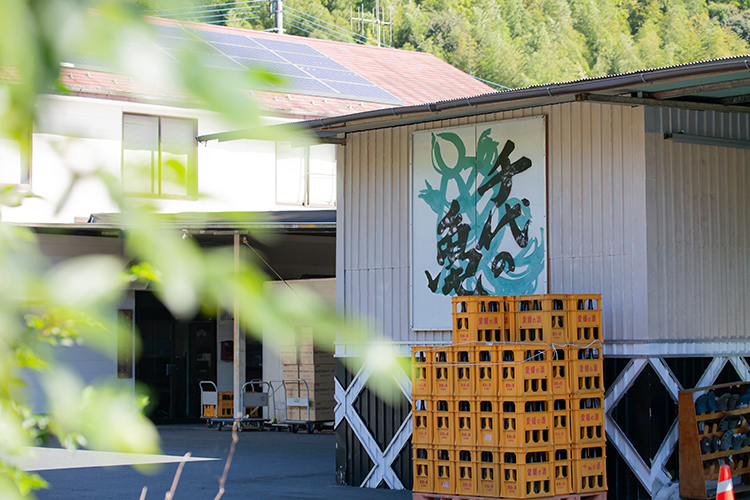
But Chiyonokame Shuzo doesn’t merely preserve the old ways. It’s also committed to taking them into the future, Tomohiro continues.
“Simply upholding tradition is not enough to pass it on to the next generation. Skillfully utilizing data is also essential. Constantly conducting research, we believe, is an indispensable part of making great sake. That includes varying the temperature while analyzing what the yeast is doing, and forecasting this year’s rice crop based on weather.”
Evolving with the community by spreading the word about the magic of sake
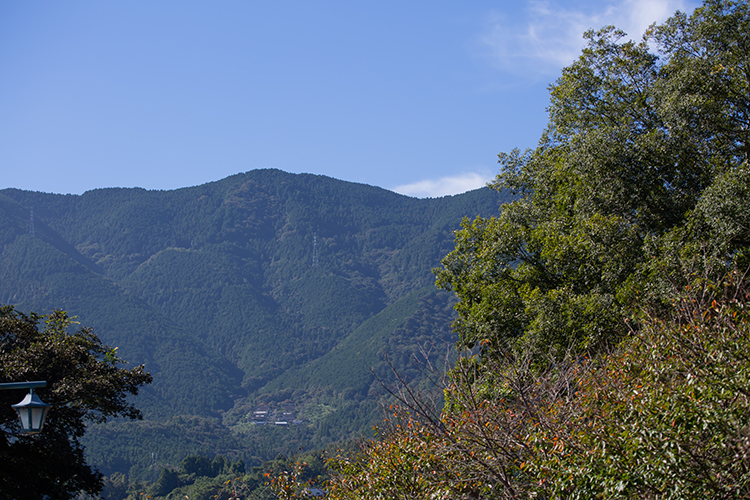
Chiyonokame Shuzo also abides by another principle: sourcing all its main ingredients locally from Ehime Prefecture.
“We use rice grown on contract by farmers in what used to be the Ikazaki district and in the Oda district, which are both nearby. That’s because, as part of the community, we want to use crops grown here and help preserve local industry.
“Also, forestry is a booming industry in Uchiko. The abundant waters here, which spring from Oda Miyama, are filtered by the forests. Sake is 80 percent water. So the sake we make here at the brewery is the gift of the land, and we’re truly grateful for it.”
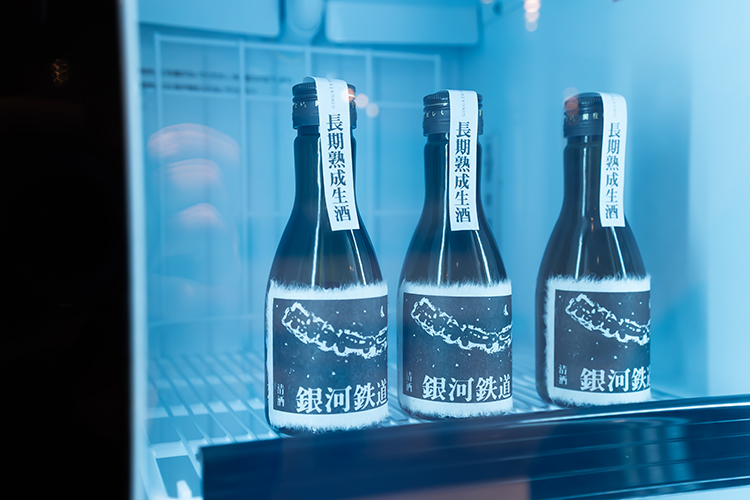
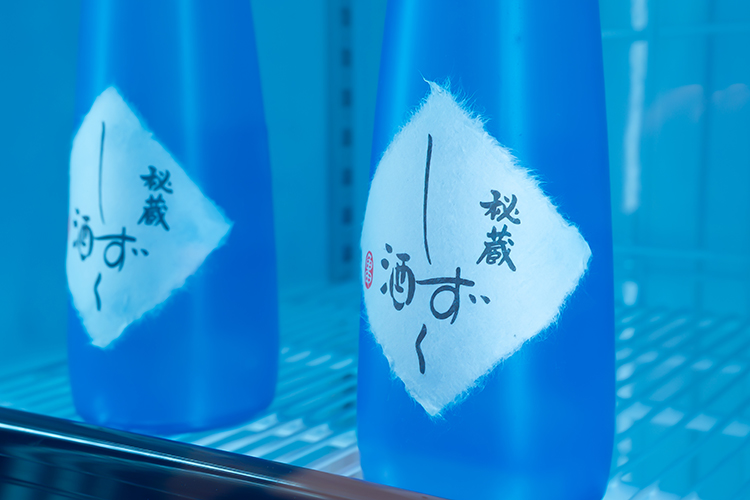
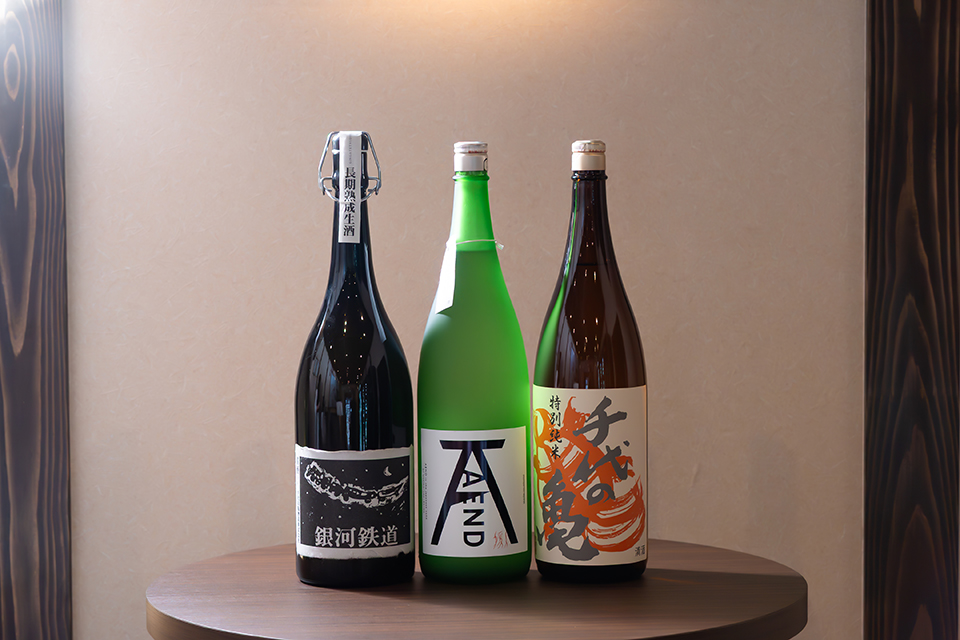
Ginga Tetsudo and Shizukuzake are both frozen sakes aged for an extended period at low temperature. They’re made with pesticide-free rice grown on contract.
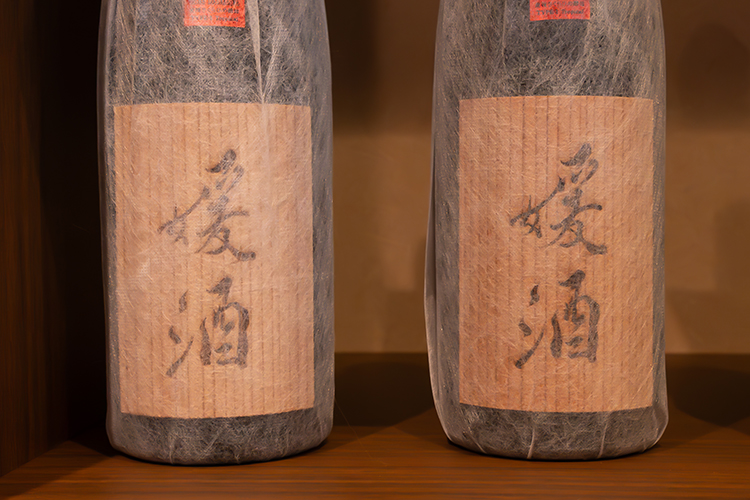
Many of the brewery’s sakes feature wooden labels or have names beginning with媛 (hime), the second character of “Ehime.”
As a contributing member of the community, Chiyonokame Shuzo “wants to get more people drinking Japanese sake,” says Tomohiro.
“We couldn’t make sake without the farmers who grow the rice and the people who care for the forests, the source of the abundant waters here. That’s why we want to bring the magic of our sake to more people. Sake is consumed for pleasure. It brings a spontaneous smile to your lips. Where there’s sake, there are smiling faces. Here at Chiyonokame Shuzo, we’re committed to offering the kind of sake that people choose for such happy occasions. By consistently offering a sake like that, we believe we can keep brewing sake as part of a self-sustaining local economy and evolve with the community.”
Becoming the sake of choice for locals and tourists alike
Tomohiro continues. “By the way, something really gratifying happened the other day.” He explains that a gentleman came to buy some sake for his daughter, who had moved out of the prefecture.
“The guy said, ‘My daughter says the sake here is still her favorite, even now that she doesn’t live in Ehime anymore.’ Was I ever pleased when I heard that,” says Tomohiro, breaking into a smile. He continues, describing how he was touched when another man, who was in town on a trip, bought a bottle of Chiyonokame.
“The guy said they served Chiyonokame at the traditional inn where he was staying, and it tasted so good that he wanted to buy a bottle to take home with him. I was thrilled. Of all the different drinks he’d tried, he chose our sake.”
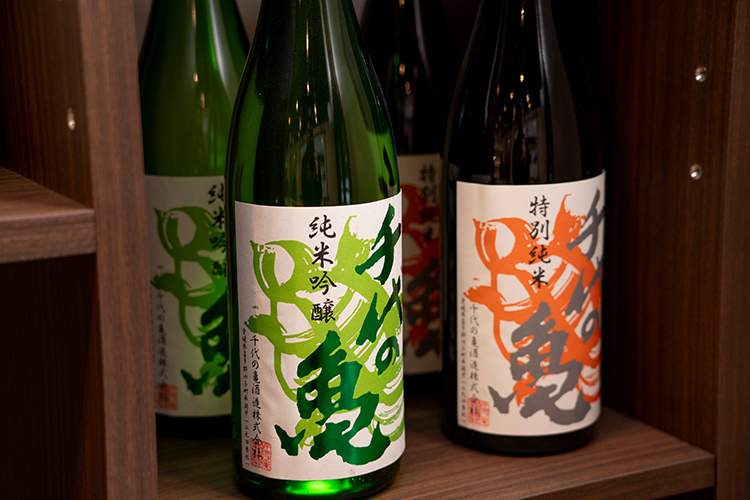
In recent years, there has also been a spike in demand among international tourists.
“Travelers from abroad sometimes drop in when they realize we’re a sake brewery. Some have also become fans after attending an event showcasing sakes from Ehime. We intend to continue finding various ways to develop leads so more people say they love the great taste of our sake.”
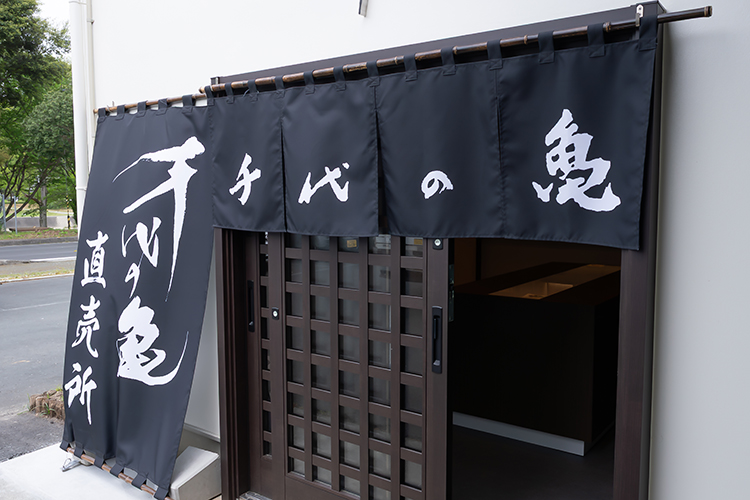
Chiyonokame’s on-site retail outlet, which opened in 2025, attracts a broad spectrum of customers. Some just wander in; others come especially to see the brewery.
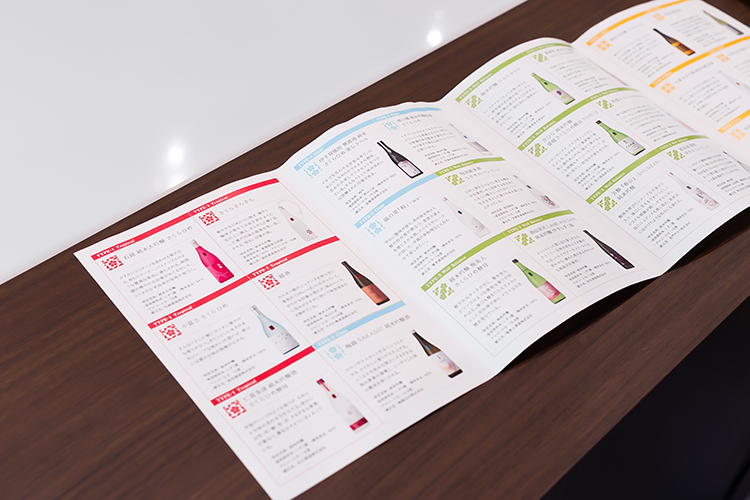
Chiyonokame Shuzo’s Hime Shu is made with a sake yeast called Ehime Sakura Hime Yeast, which was developed by a public-private-academic partnership. A wide selection of sakes made by different producers with this yeast are available to sample at the Horoyoi Festa, an event held every October that brings together sake brewers from all over Ehime. “We want to energize Ehime’s sake industry by rallying together on occasions like this,” says Tomohiro.
Tomohiro wound up with these words.
“We’re the latest in a long line of brewers that goes back three hundred years. We’re going to keep working hard so we can pass on the great taste of Chiyonokame Shuzo to the next generation.”