Rice Koji Milk Latte with KOJI BARISTA EDITION
Oct 09,2025
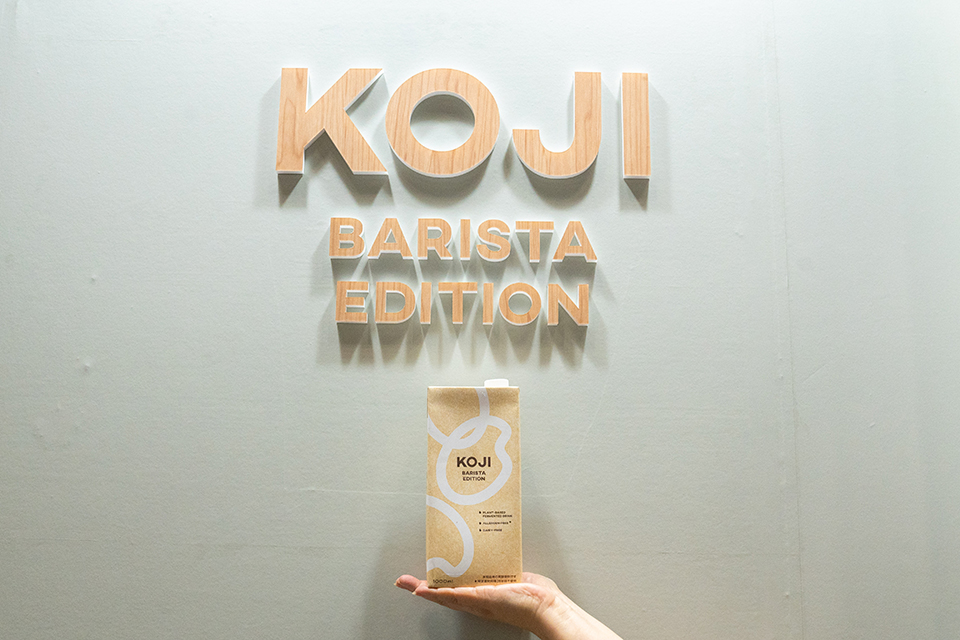
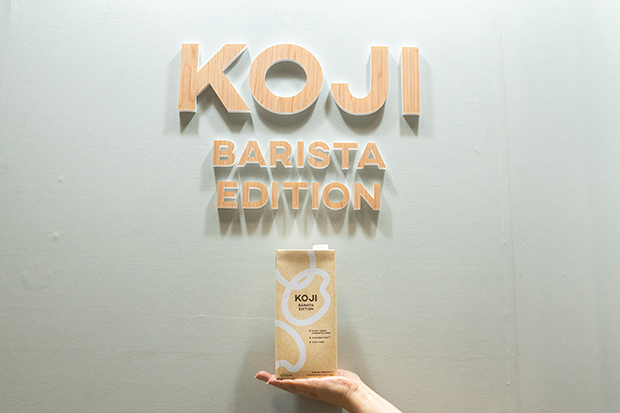
Koji Barista Edition plant milk harnessing the power of fermentation had its own booth this year at SCAJ — one of Asia’s largest coffee trade shows, which brings together industry insiders from across the globe. The event gave a sense of how Koji Barista Edition is steadily gaining ground in the industry. People appreciate the way it doesn’t get in the way of the coffee flavor and foams beautifully. Here we report on the exhibition and catch up with product development lead Kwon Soon-il .
SCAJ: a celebration of the world’s specialty coffees
Now in its twentieth year, SCAJ — the World Specialty Coffee Conference and Exhibition — is a major event hosted by the Specialty Coffee Association of Japan. This year’s exhibition, held at Tokyo Big Sight, attracted roasters, baristas, and buyers from coffee-producing countries in Central and South America, Africa, Southeast Asia, and elsewhere. Not only did it showcase beans and equipment; it also shared up-and-coming issues facing the industry, such as sustainability and digitization. It was four fascinating days packed with excitement.
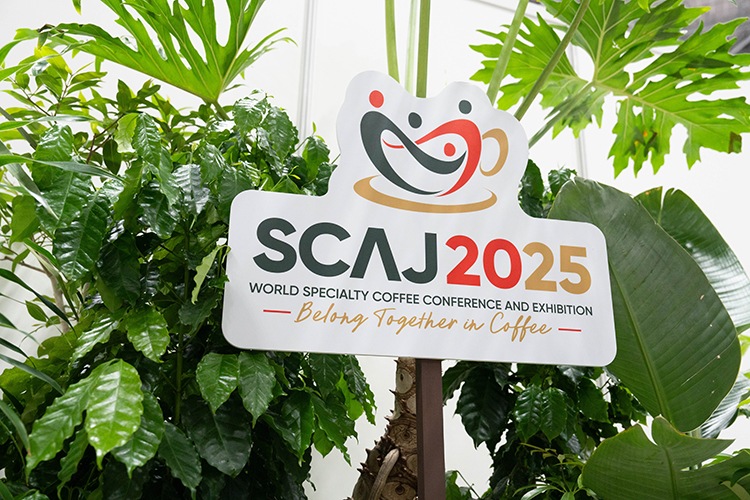
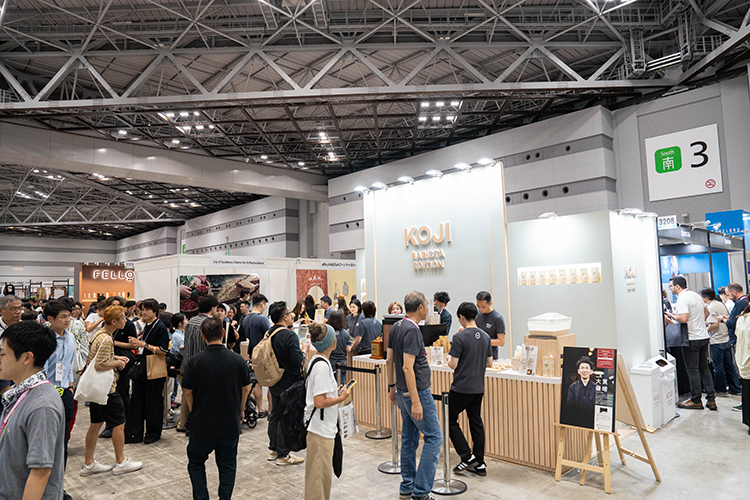
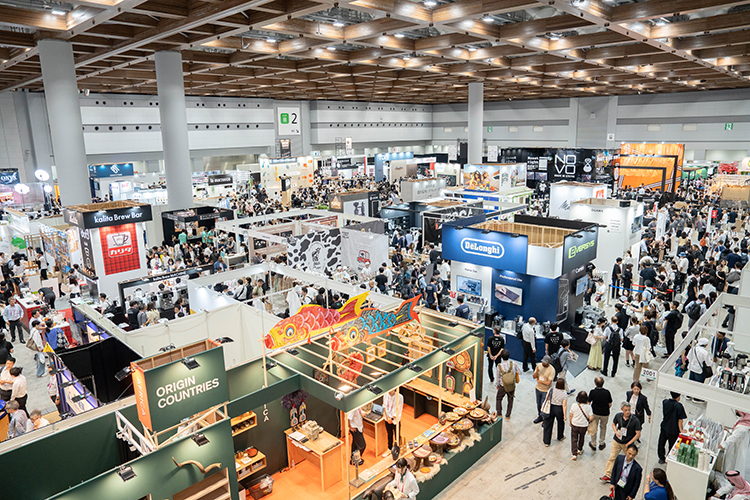
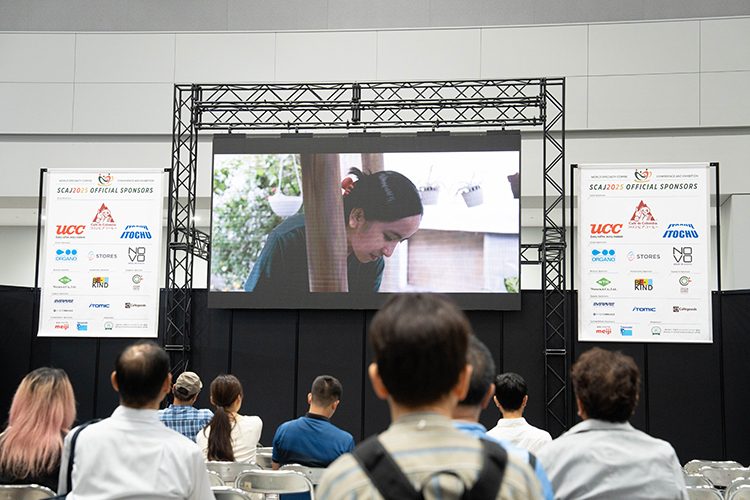
The twentieth SCAJ, SCAJ 2025, was held September 24–27 at Tokyo Big Sight. Besides industry insiders, it also attracted many coffee aficionados from the public at large. A love of coffee suffused the entire place.
Rice koji milk: a new option for baristas
Koji Barista Edition plant milk harnessing the power of fermentation (commercial-grade rice koji milk) was first unveiled at last year’s SCAJ. It instantly became a hot topic among coffee industry insiders. People kept asking where they could buy it.
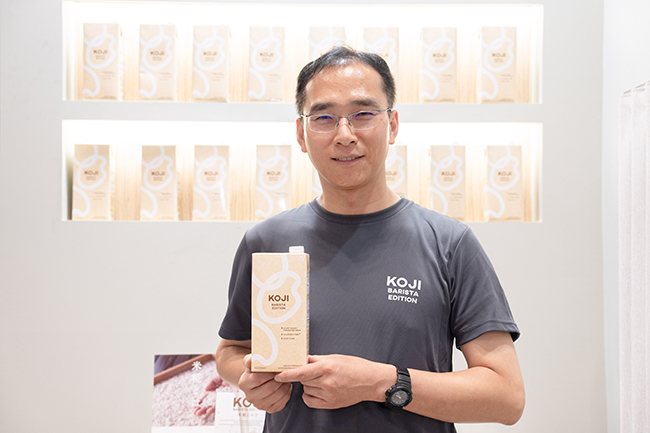
“We were bombarded with inquiries, even though it hadn’t even been released yet,” says Soon-il, the man in charge of developing Koji Barista Edition. “I was amazed.” This year there was even the occasional booth serving beverages made with it. The progress was palpable. Whereas last year it had just ventured onto the scene, now it was making inroads in the industry.
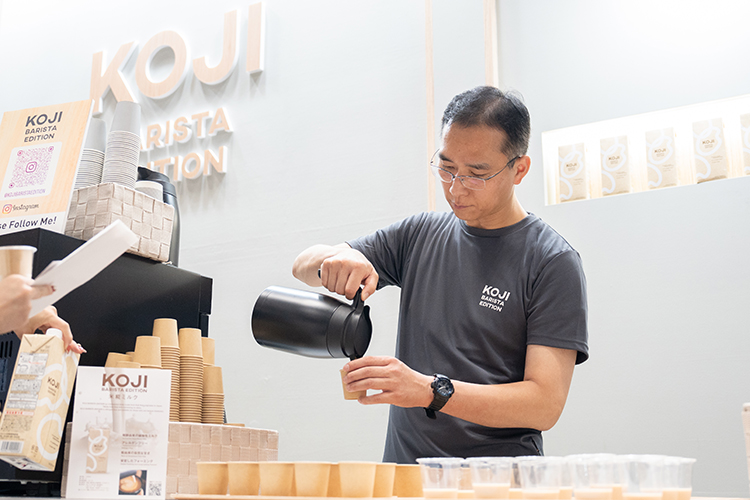
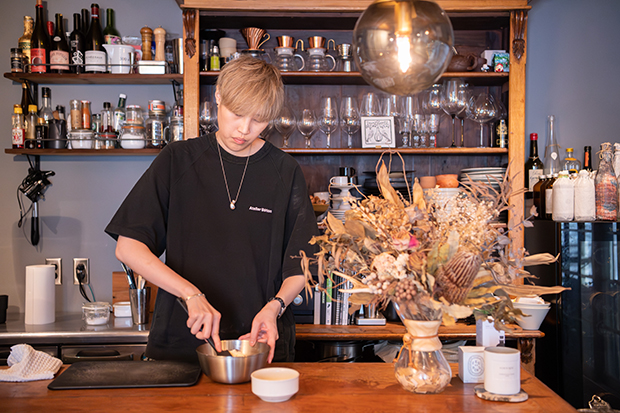
Kwon Soon-il manned the booth himself and skillfully engaged visitors. Samples were offered in two versions, latte and straight; hence the endless lineups.
Koji, the unsung hero at the heart of Japanese fermented food
“Without koji, there would never have been miso or soy sauce or sake,” says Soon-il. “It’s always been there in the shadows underpinning Japan’s culture of fermented foods. It truly is an unsung hero.”
Koji (rice malt) has the ability to bring out the natural sweetness, richness, and umami of foods by producing enzymes and other agents absent in rice. Further, its health benefits have come to be recognized over its long history. It assists digestion and rebalances the gut environment.
“Actually, I suspect that it has many other undiscovered powers as well. So it’s potential is still growing.”
Yet, Soon-il continues, “few people give much thought to koji in their daily lives.” It doesn’t have a high profile because it’s always operated in the background as an ingredient in miso and soy sauce. Despite being indispensable to Japanese cuisine, it seldom takes center stage.
“That’s why we wanted to create a product that let you enjoy the taste of koji in its own right.” That was the ambition that sparked its development.
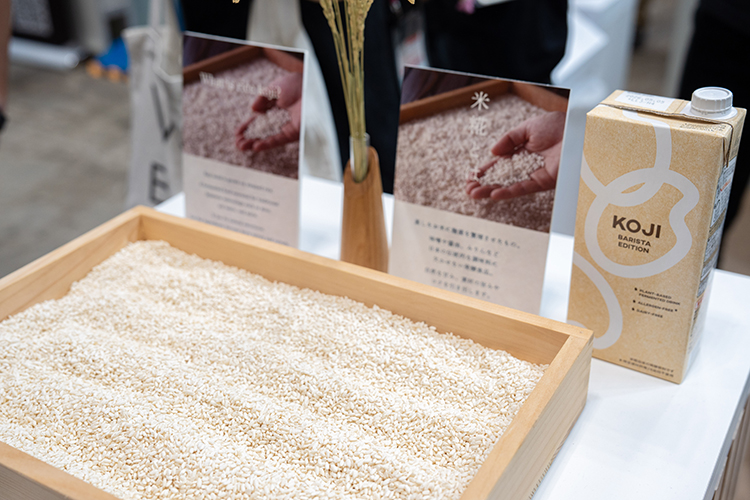
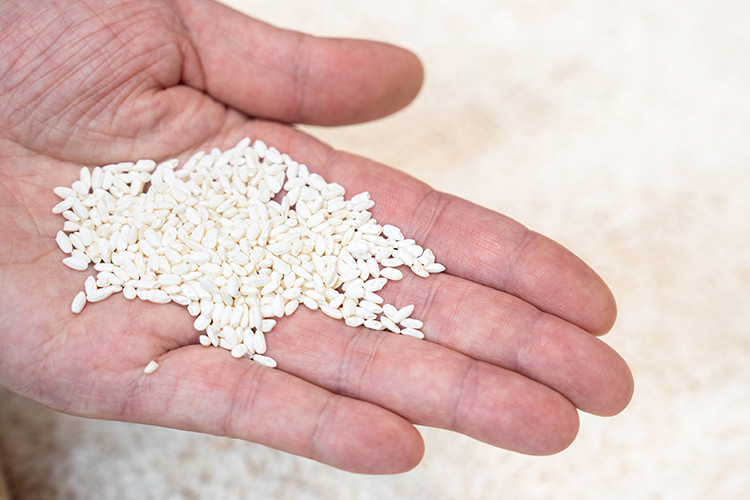
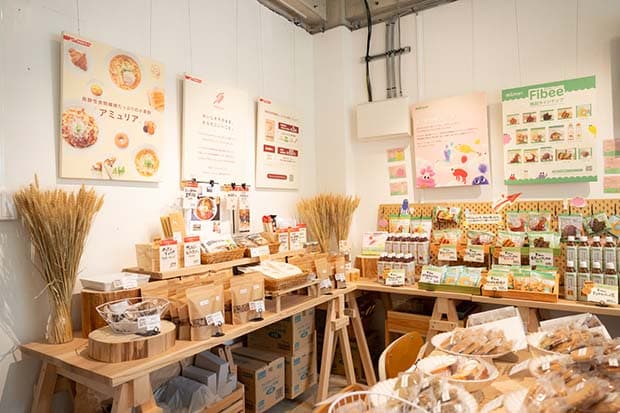
Rice koji from Uonuma, which is used to make Koji Barista Edition, was on display at the booth.
The format chosen to deliver that taste experience was a plant milk designed specifically for coffee.
“Coffee is part of our daily lives. It’s a beverage loved by millions regardless of gender or age. That’s why we decided to deliver the great taste of koji in a format that would go naturally with coffee.”
Koji Barista Edition is inspired by a wish to bring the power of fermentation closer to people.
The quest for the right flavor to match coffee
The development project’s goal wasn’t simply to come up with a milk substitute. It was to come up with a plant milk especially for coffee.
Koji Barista Edition carves out a new category of fermented beverage: rice koji milk. It differs from traditional rice milk and amazake (a sweet fermented rice beverage).
“Rice milk is made from rice per se, but rice koji milk has a far deeper aroma and fuller body because it’s gone through one extra step: fermentation,” Soon-il explains. “In some regards it resembles koji amazake, only the sweetness and consistency can be fine-tuned by adjusting the fermentation conditions.”
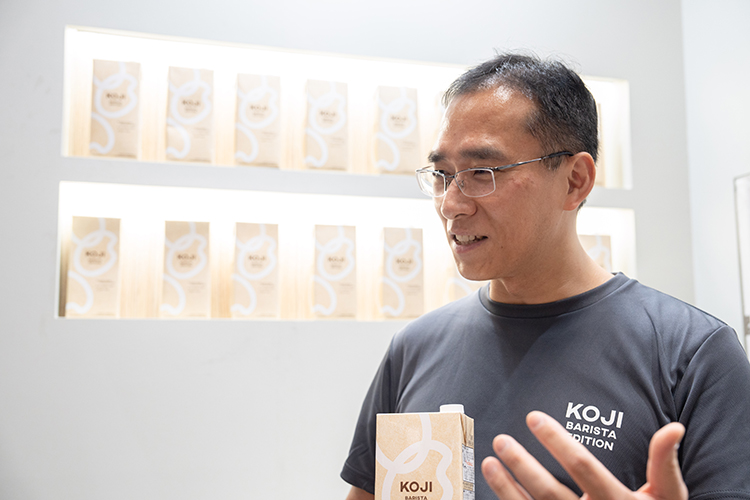
Koji Barista Edition, Soon-il hopes, will help get out the message about the wonders of koji, the cornerstone of Japan’s fermented food culture.
Above all, he insisted that the milk must not separate when mixed with coffee, and it must foam like milk. To that end, he controlled the fermentation process while referring to the composition of dairy milk, thus achieving a naturally sweet flavor combined with a smooth mouthfeel.
In his obsession with making the product just right for using behind the counter, he even became a qualified barista. “There’s a lot you never realize until you actually stand behind the counter yourself preparing and frothing latte. My aim was to come up with something that baristas would love, so I put myself in their shoes.”
Soon-il spared no effort to create a milk that paired well with specialty coffees and lightly roasted beans. The delicacy of the aroma is the life of a specialty coffee. “During the trade show, I was really gratified when baristas told me it left the aroma completely intact and went beautifully with light roast as well.”
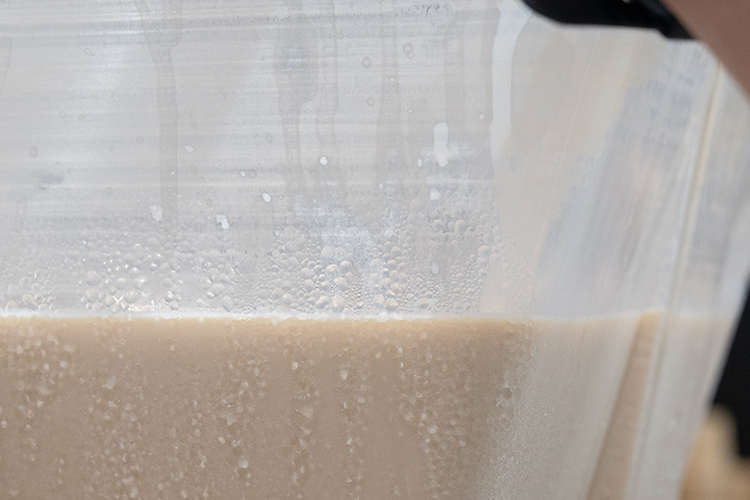
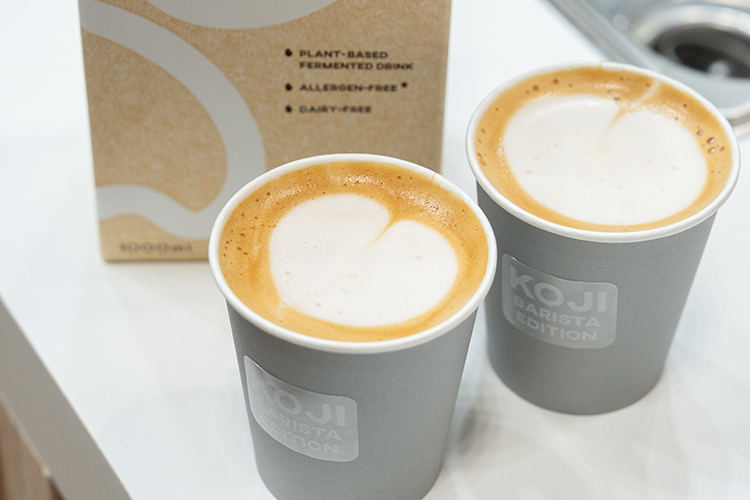
Among the attractions of rice koji milk are its naturally sweet flavor and silky consistency.
Because it’s smooth and doesn’t separate, it foams beautifully just like dairy milk, bringing out the coffee’s innate aroma and flavor.
Koji Barista Edition is allergen-free, doesn’t taste harsh, and possesses a natural sweetness from the rice. It therefore delivers a mildly sweet flavor even without sugar or syrup. It truly is a completely new kind of plant milk begotten by fermentation technology. And it continues to evolve as a product catering to coffee aficionados everywhere.
Setting a new standard for caffè latte with rice koji milk
“With specialty coffees in the spotlight, I felt there was a need for a milk that didn’t interfere with the aroma and flavor of light roast,” Soon-il explains. “Koji Barista Edition is easier to work with than existing plant milks and milder than dairy milk. It’s the perfect fit, I’m pleased to say.”
The booth at SCAJ generated buzz among baristas and industry insiders in Japan and abroad, suggesting that Koji Barista Edition is gaining traction and positioned for further growth.
“Half of coffee shop patrons overseas opt for plant milk, according to market data. But there are still few options here in Japan. Hopefully this new milk made with koji will join them.”
Koji, which has long underpinned Japan’s fermented foods, is now opening new doors in its encounter with coffee culture. Koji Barista Edition, the plant milk from Japan, is bringing a breath of fresh air to the international coffee shop scene.