Miso Soup for Health: Easy Medicinal Miso Soup Ideas
Feb 05,2026
Cooking expert Ishizawa Kiyomi has been sharing gentle, body-friendly recipes for many years. Having deepened her knowledge of traditional Chinese medicine and medicinal cuisine, she published Medicinal Miso Soup: Nourishing Body and Mind in November 2025. We spoke with Ishizawa, who advocates that miso soup is the ultimate health food, about medicinal miso soup.
Miso soup is one of the easiest health foods for Japanese to embrace
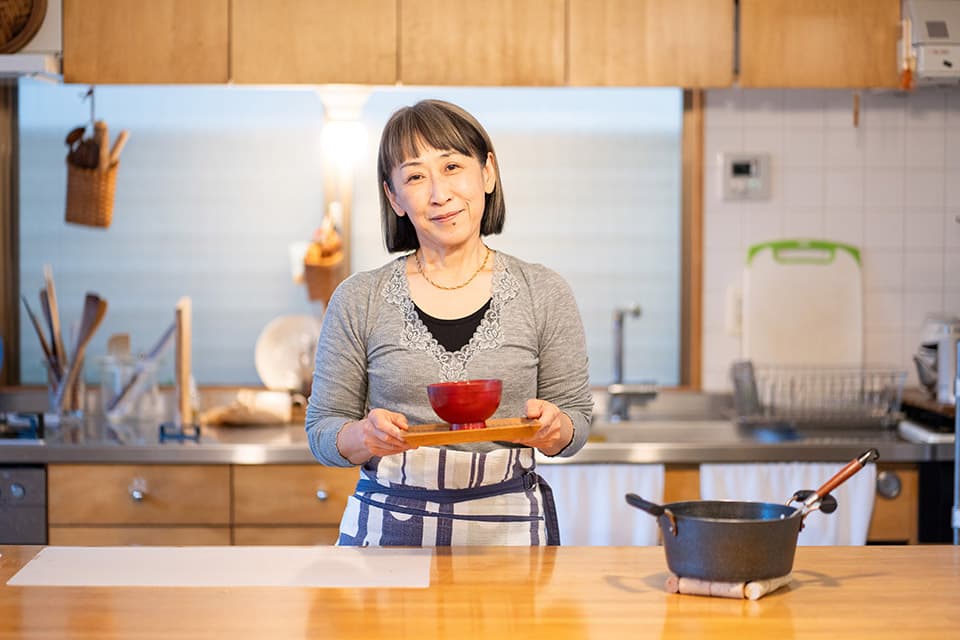
Ishizawa Kiyomi is cooking expert who has been putting out body-friendly recipes that range from home cooking to bread made with rice flour, sweets, and preserves. Last November, she published a book entitled Medicinal Miso Soup: Nourishing Body and Mind.
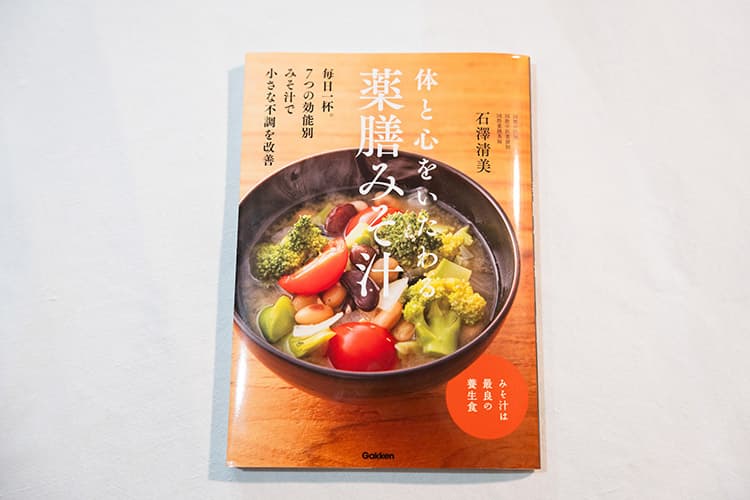
Ishizawa’s book Medicinal Miso Soup: Nourishing Body and Mind, published by Gakken
Ishizawa has always enjoyed making miso every year and has a deep understanding of fermentation. She has also studied traditional Chinese medicine and medicinal cuisine in depth at the Japan Chinese Medicine Institute (formerly the Japan Campus of the Beijing College of Traditional Chinese Medicine), earning certifications as an International Traditional Chinese Medicine Practitioner, International Traditional Chinese Medicine Dietitian, and International Medicinal Tea Specialist. She says her interest in traditional Chinese medicine was sparked by a family member’s health issues.
“Although personally I’ve rarely been ill, as one gets older, health issues inevitably arise. I decided to learn more before that happened, and once I started studying, I found it fascinating. Traditional Chinese medicine is like a philosophy on human life, and it is the cornerstone that informs Japanese kampo [herbal] medicine and health preservation practices. Since modern nutritional science is constantly evolving with new information, I wanted to study something more fundamental. If you have knowledge that is comprehensible to you when you feel unwell, it’s easier to deal with it, and I thought it might also be an opportunity to get to know myself better.”
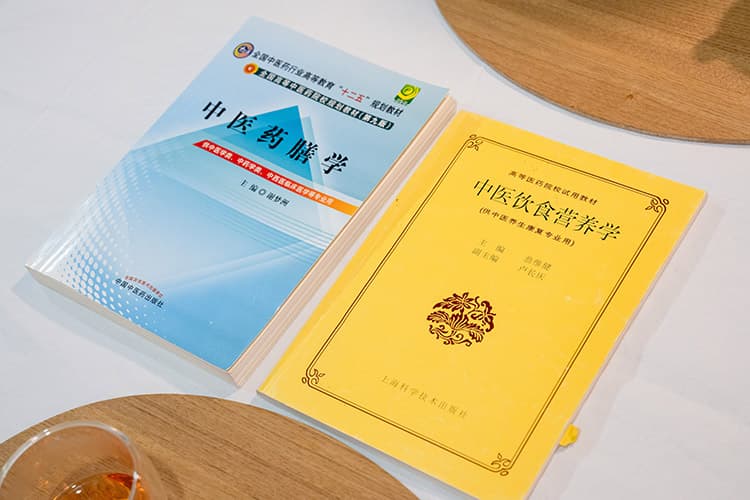
Textbooks on traditional Chinese medicine. Ishizawa learned traditional Chinese medicine from the professors at the Beijing College of Traditional Chinese Medicine.
Medicinal cuisine, which has been garnering more attention in recent years, refers to dietary therapy within the framework of traditional Chinese medicine. There is a school of thought that food and medicine come from the same beginnings, and thus it follows that what you eat is equally as important as the medicine you take. When Ishizawa considered what would be the easiest health food to incorporate into her daily diet, miso soup was the perfect choice.
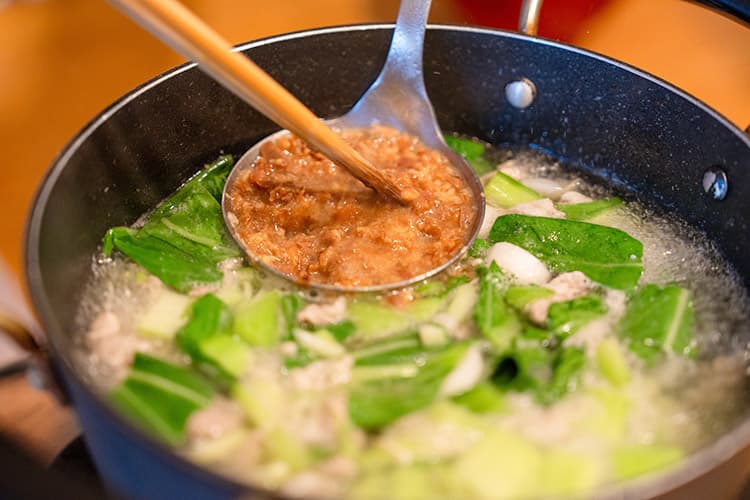
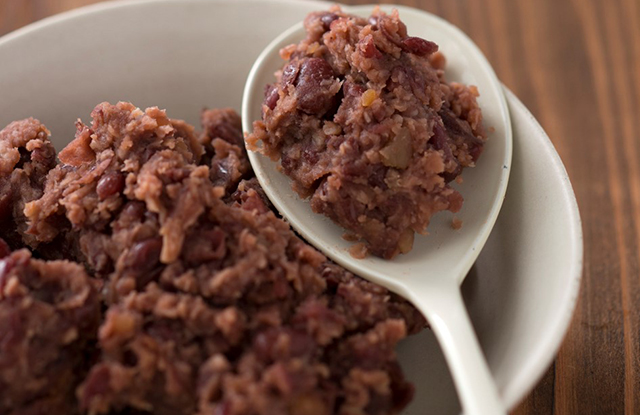
Miso soup made with Ishizawa’s homemade red soybean miso. She points out that you can use whatever miso and dashi stock you prefer.
“Just as one decocts and drinks herbal medicine, the foundation of medicinal cuisine is tan — soup in other words. Soup for Japanese people means miso soup. Miso itself is a fermented food that is easy to digest. It helps regulate fluid circulation and is packed with umami flavor. Miso soup is easy to make, and when paired with rice, it makes a satisfying meal. Since it provides vegetables, protein, and hydration, your diet will naturally become more balanced. I’ve been studying Korean herbal medicine lately, and my teacher told me, ‘Since Japan has Japanese cuisine, it’s best to use that,’ and I thought, ‘That’s right.’ Every country has its own form of dietary therapy. But I felt it was best to choose something rooted in my daily life to help regulate my own body.”
Using seasonal ingredients in miso soup aligns with the flow of nature
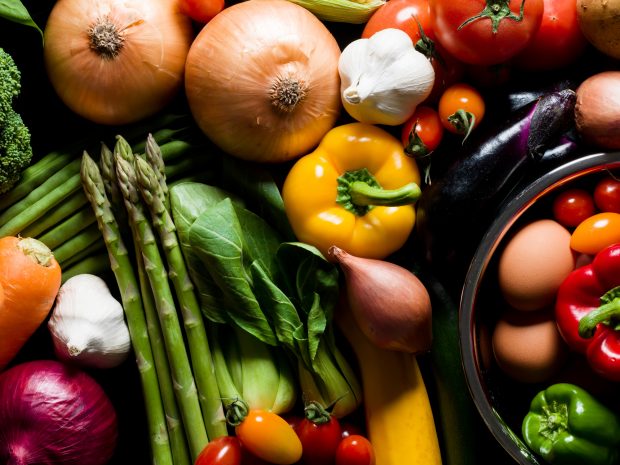
When making medicinal miso soup, an easy tip anyone can follow is to use seasonal ingredients.
“One concept in traditional Chinese medicine is that humans are part of nature and should live in harmony with the seasons. Since our physical condition fluctuates with the seasons, seasonal foods play a crucial part in supporting our physical wellbeing.”
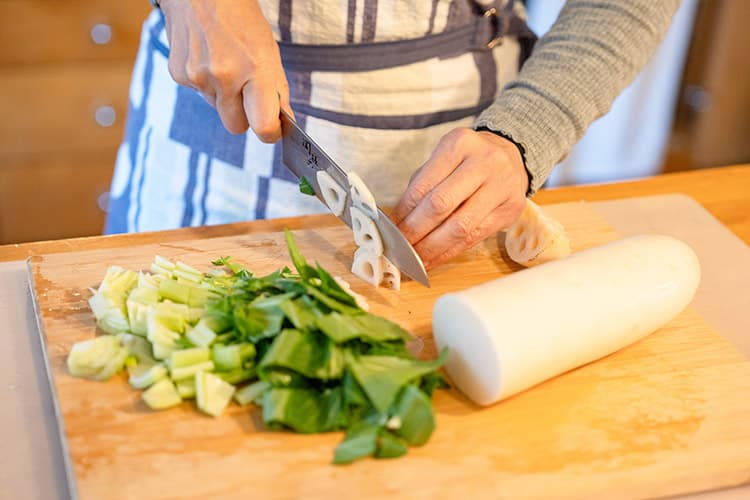
Lotus root regulates the five main organs, while bok choy helps balance the flow of fluids in the body
Although February is the coldest month, it is a time to prepare for spring. During this time, plants begin to sprout slowly but surely and our minds tend to become fidgety and unsettled. Since we are susceptible to feeling tense, it is important to relax by taking deep breaths or going for a walk. Recommended foods include canola flower, wild mountain vegetables, and bok choy.
“While many green vegetables have a cooling effect on the body, canola flower actually warms the body. According to traditional Japanese health regimes, it is said that slightly bitter foods are good in the spring, as the bitterness helps awaken the body that has been dormant during winter. That said, there’s no need to limit yourself to just spring ingredients. Daikon radish, which aids digestion, is also excellent. I think it’s best to gradually shift from the dark-colored foods recommended for winter to green foods as we move toward spring.”
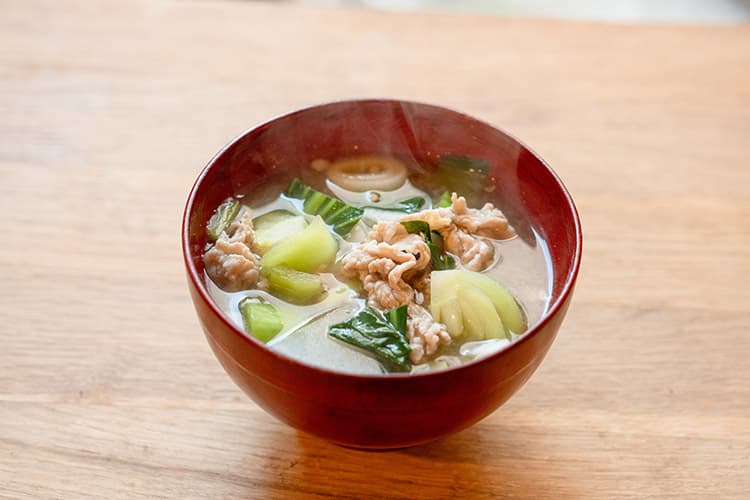
Ginger, which warms the body, is key to this hearty miso soup
Ishizawa made us a miso soup she recommends for February. She stir-fried pork, then added lotus root, daikon radish, and ginger, simmering the ingredients gently in water. She finished the soup off by adding bok choy, white scallions, and miso.
“Early spring can be a time of irritability, so I chose ingredients that help regulate the flow of energy. Since it’s still cold, I added ginger as well. If you want to make it heartier or are feeling low on energy, you can also add Chinese yam. Chinese yam is a natural medicinal remedy and is recommended as a common ingredient in medicinal cuisine.”
Ease your body and soul with miso soup that’s a snap to prepare
In her book, Ishizawa presents a variety of miso soup recipes designed to meliorate physical ailments through diet, based on the therapeutic properties of medicinal cuisine. However, she told us she hopes people won’t find making miso soup too daunting a task.
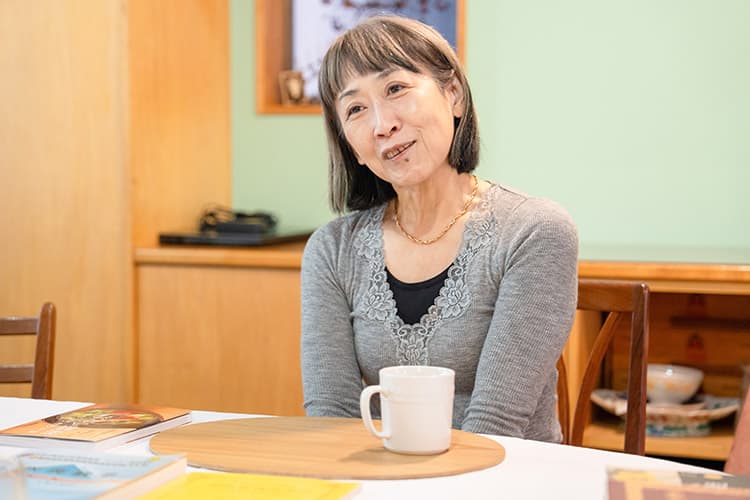
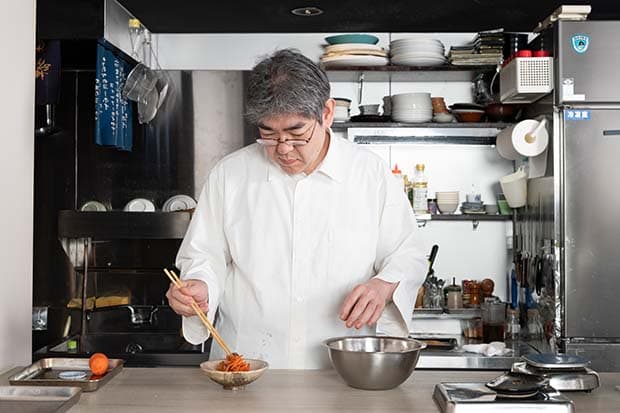
Ishizawa’s cooking atelier offers classes on medicinal cuisine
“It’s fine to just simmer leftover vegetables and dissolve pre-mixed miso with dashi. If you want more a substantial soup, you can put in a can of mackerel. I want people to be able to make miso soup easily with whatever they have on hand at home. The worst thing is for cooking to become a burden.”
She hopes this serves as a small opportunity to reflect on your own eating habits and take care of your mind and body.
“I’d be delighted if people realize how delicious miso soup is, expand their often-stale repertoire a little, and end up with meals that satisfy them. Warm miso soup is comforting, and you can almost feel it boost your energy circulation. I think that’s important. People today go to bed late, and many are under a lot of stress, so I think miso soup is great for helping them relax.”