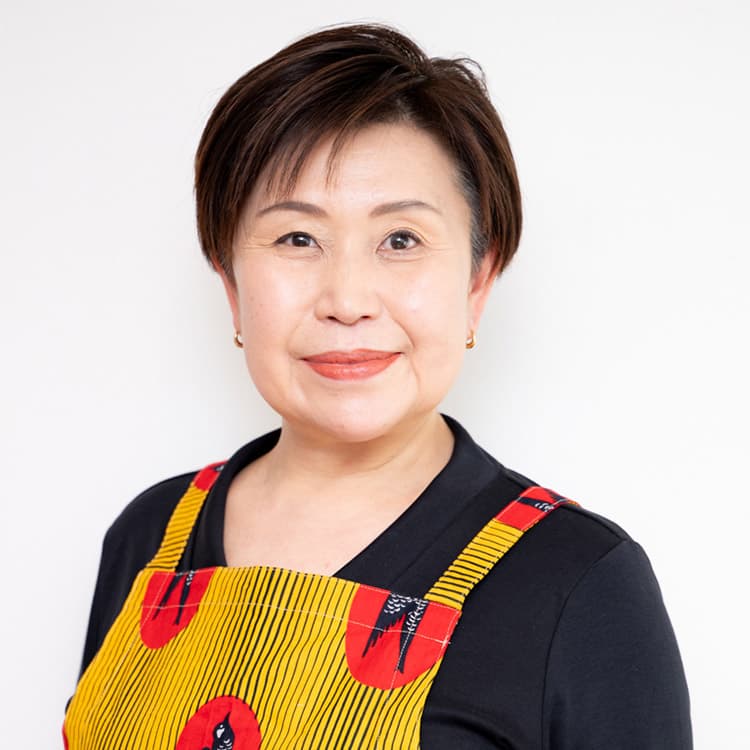
I learned the art of authentic Thai cooking while living in Bangkok.
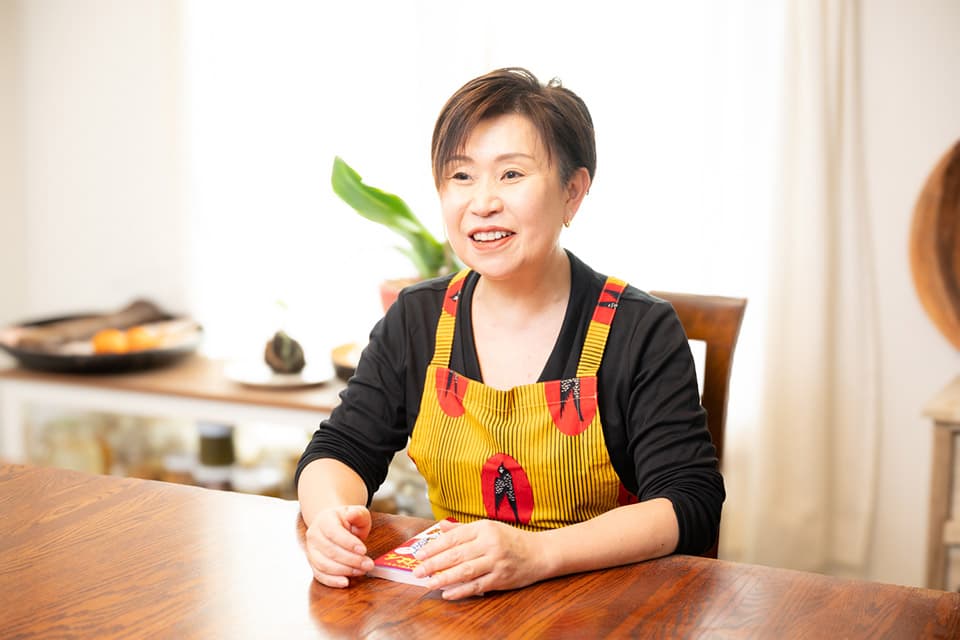
Last December, Hashimoto Kanako came out with her latest book, 100 Fermented Thai Dishes: Enjoy Authentic Thai Fermented Foods in Your Own Home! (in Japanese). This tome takes you deep inside the wonderful world of Thai cuisine. It is a collection of fermented food preparation techniques and recipes that she spent over a decade mastering at the source.
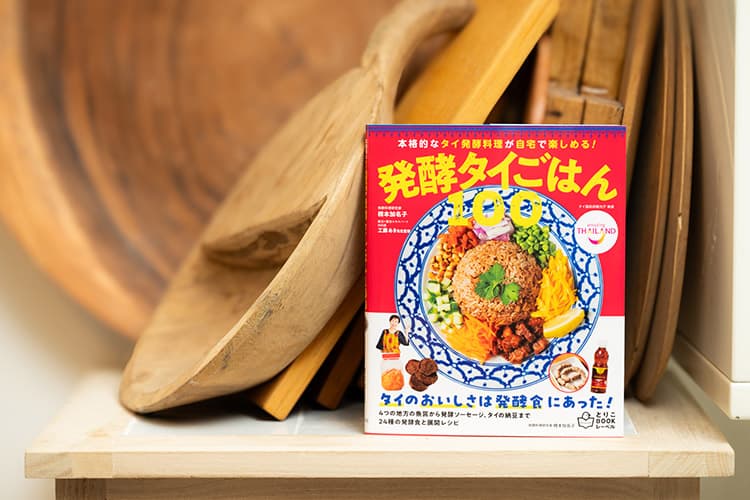
100 Fermented Thai Dishes: Enjoy Authentic Thai Fermented Foods in Your Own Home! (published by Shufu no Tomo Sha) features some truly remarkable fermented foods.
Kanako first encountered Thai food while studying in the United States in her twenties.
“I lived in an area with lots of immigrants, and there were many Thai and Vietnamese restaurants. The first time I ate Thai food, it was like, ‘I never knew something could taste this good.’ I wasn’t familiar with herbs and spices at the time, so I was blown away.”
On returning home to Japan, Kanako attended Thai cooking classes while working at a trading firm. But her desire to know more about authentic Thai food eventually got the better of her, so she quit her job and moved to Bangkok. There, while working at a local trading firm, she made the rounds of the local Thai restaurants and went from cooking school to cooking school. She also traveled to neighboring countries like Vietnam, Laos, and Cambodia, where she learned about other types of Asian food.
My fermented-food epiphany at the marketplace in Chiang Mai
After spending a year and a half in Bangkok, Kanako ran her own cooking school in Japan. Meanwhile she kept busy pursuing a culinary career as a food coordinator and raising a family.
“I wasn’t aware of Thai fermented foods at the time. My mother was a kaiseki cuisine instructor, though, and I’d watched her making miso, rice bran pickles, and umeboshi since I was a little girl. So fermentation was something I was familiar with.”
Kanako was in her forties when she first encountered Thai fermented foods. That was on a visit to Chiang Mai after a major illness. It proved a turning point in her life.
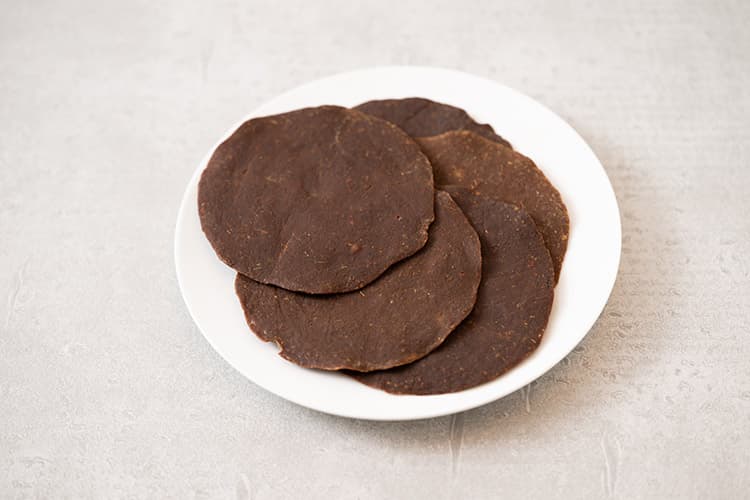
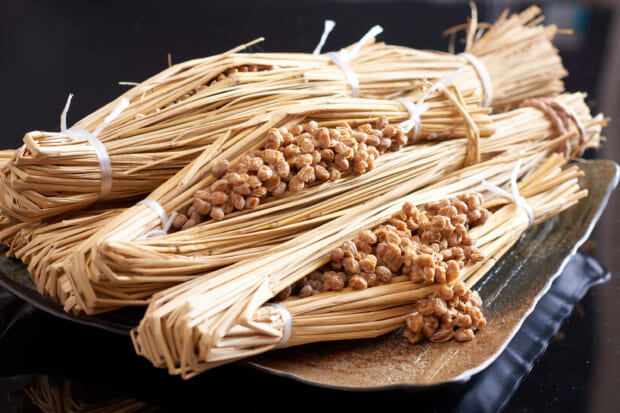
Thua nao phaen (fermented soybean disks) sold at the marketplace in Chiang Mai. Some contain chili peppers or herbs.
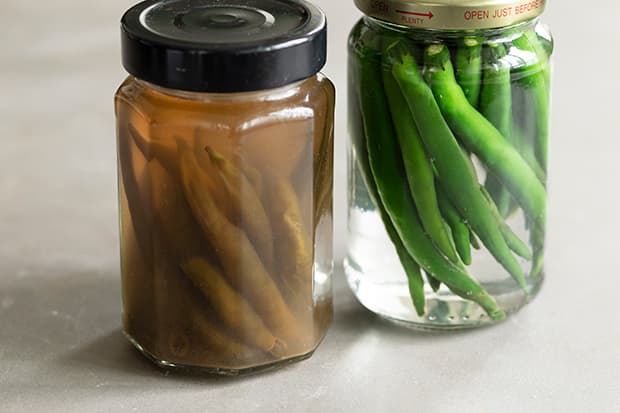
“The marketplace in Chiang Mai had stalls laden with fermented soybeans and pickles and fermented bamboo roots. That’s when I realized that Thai people eat fermented soybeans too, which intrigued me. At the same time, I happened to meet a vegetarian cooking instructor and found out that there were Thai dishes made without nam pla. I visited Chiang Mai regularly after that and delved further into fermentation. I learned about fermented soybean dishes at the home of an ethnic minority family.”
Thai fermented foods differ by region.
For Kanako, the magic of Thai fermented foods lies in their sheer variety. Each region has its own characteristic fermented foods. Thailand, being located in the middle of the Indochinese peninsula bordering Cambodia, Laos, Myanmar, and Malaysia, is a multiethnic country inhabited by people of many different backgrounds. The food culture and fermented foods eaten vary from place to place.
“The country falls into four main regions — the north, the northeast, central Thailand, and the south — but even within northern Thailand, the area around Bangkok and the area near the border differ completely. Different foods are eaten vary in different places. I doubt that people in the south eat the fermented beans found in the north, and even some Thais aren’t very familiar with fermented foods. Lately I’ve become interested in the border regions, but I still don’t know much about them.”
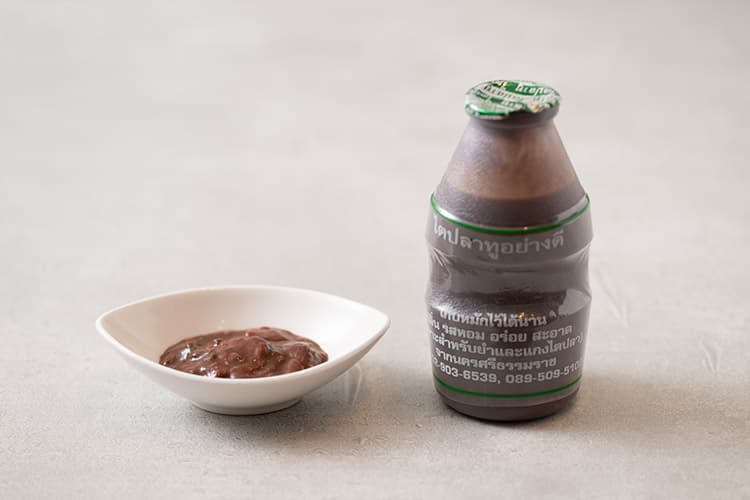
Tai pla, a type of fish sauce made in southern Thailand. It’s available at Asian food stores in Japan.
Even fish sauce differs from region to region. Nam pla, for example, which will be familiar to most Japanese, is from central Thailand. It’s made by fermenting saltwater fish such as anchovies, though in the north, which has no coastline, freshwater fish is used. In the northeast, freshwater fish is fermented in rice bran, but in the south, they ferment the entrails of saltwater fish. Thus there is much regional variation.
“Thailand even has its own version of the sweet fermented rice drink amazake. Unlike Japanese amazake, it’s made with koji cakes, and it’s incredibly sweet. Thai fermented meats and fermented sausages are a real treat, and there’s even a type of fermented bean curd. Chinese fermented bean curd is generally made by inoculating bean curd with Mucor mold, but in Thailand it’s typically made by fermenting it with red yeast rice. It’s used as a dipping sauce for Thai suki, and pink soup noodles are well known locally.”
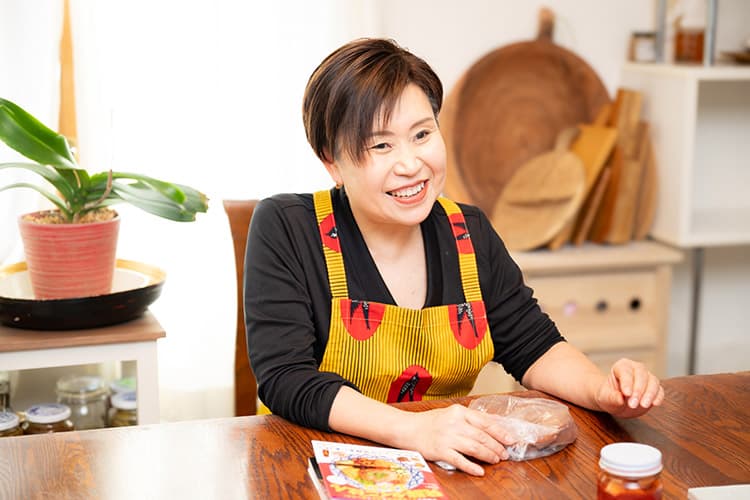
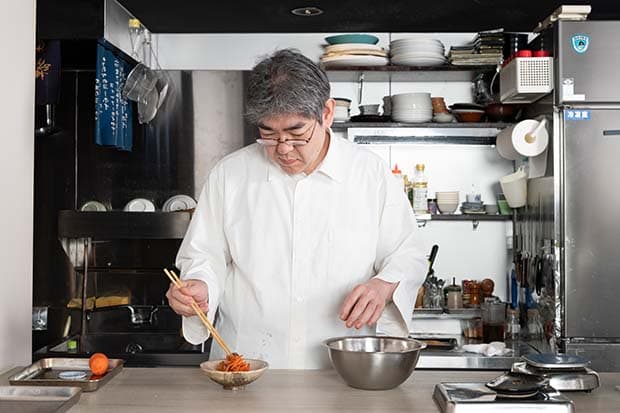
Kanako makes Thai as well as Japanese, Chinese, and Korean fermented foods.
Now Kanako wants to concentrate more on learning about the fermented foods of the north.
“Northern cuisine somewhat resembles Japanese cuisine in that it has a mild, soothing flavor. People eat lots of vegetables, and the area abounds in edible wild plants. People eat the young shoots, much as we in Japan eat slightly bitter-tasting wild plants like taranome (fatsia sprouts). They’re delicious, by the way. That’s the kind of thing that fascinates me. The mushrooms taste great as well. There are fermented mushrooms called naem het, which are made by shredding oyster mushrooms, mixing them with shredded rice, then letting them ferment. They’re eaten as a snack.
“Thus Thailand has many, many fermented foods, though the fact is not well known. Fermented foods are used in the dishes served at Thai restaurants in Japan, so it might be interesting to keep that in mind as you eat.”
In Part 2, Kanako will share typical fermented foods from Thailand’s four main regions.