Ribollita and Traditional Tuscan Fermented Cuisine
Mar 12,2026
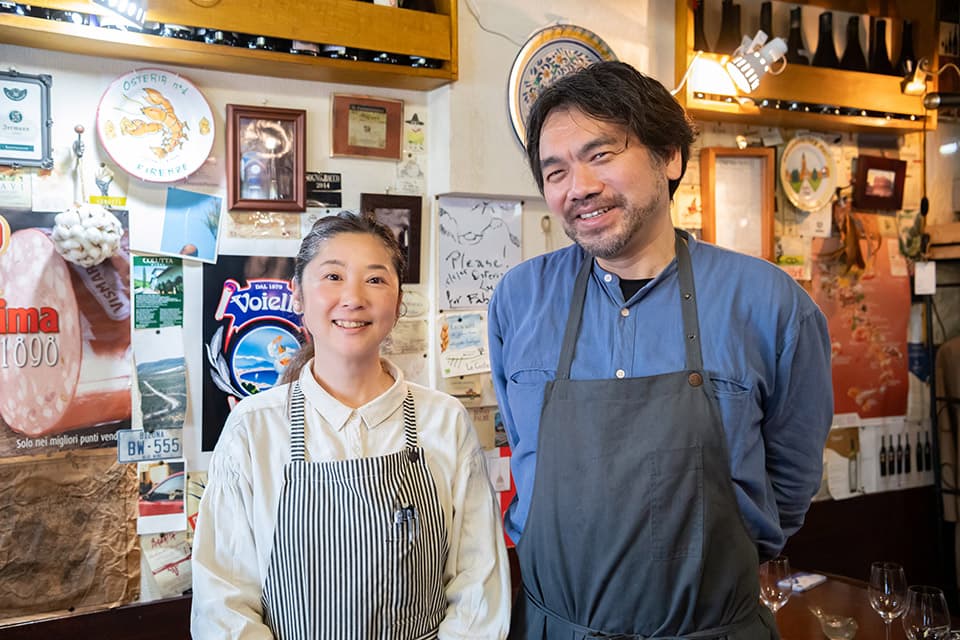
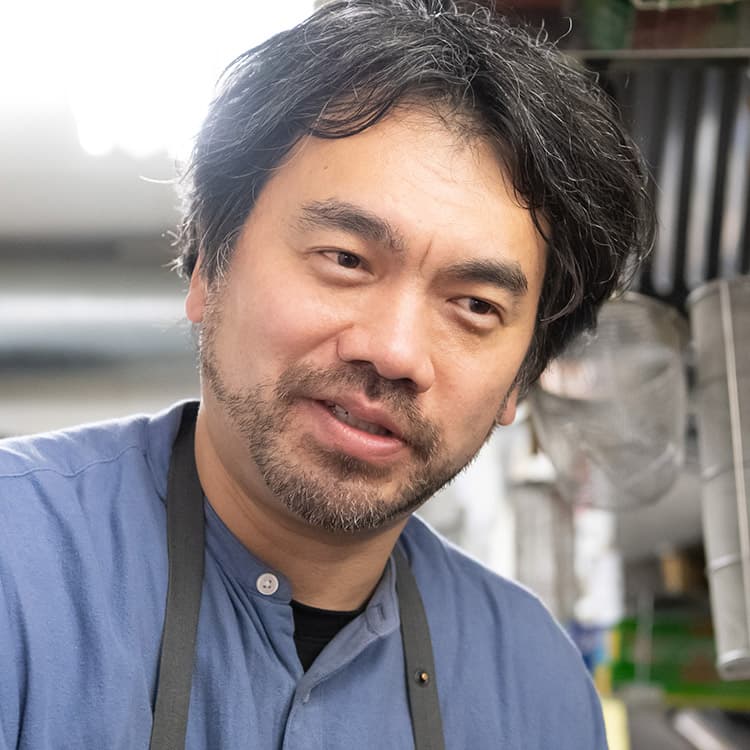
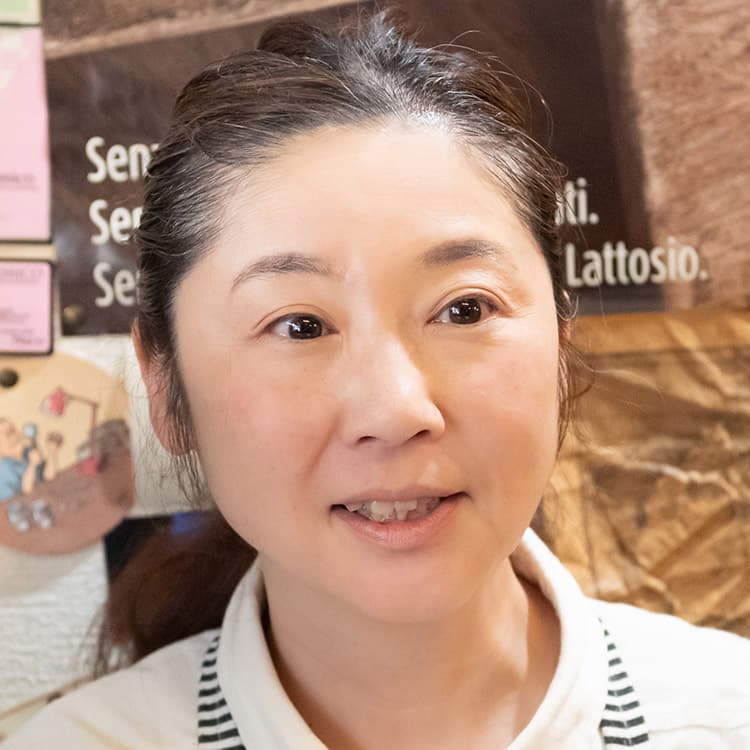
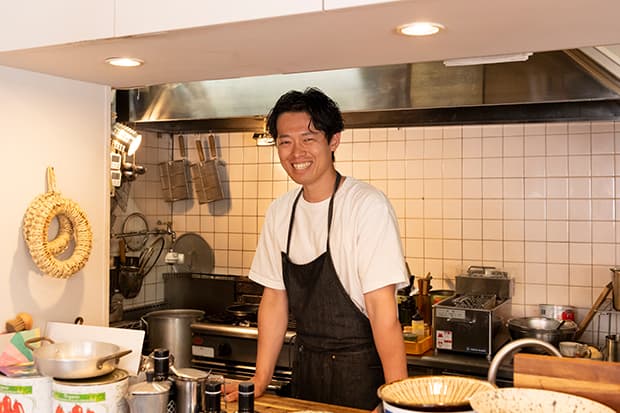
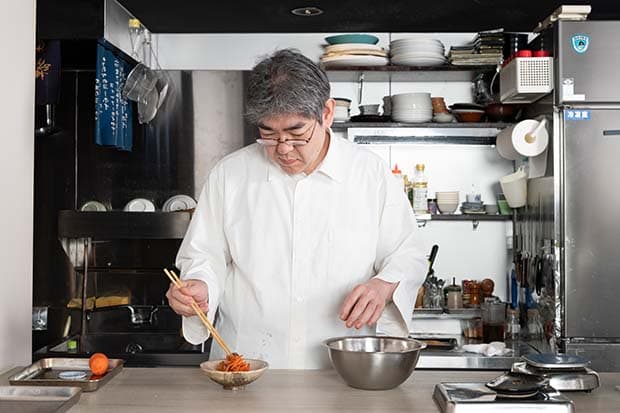
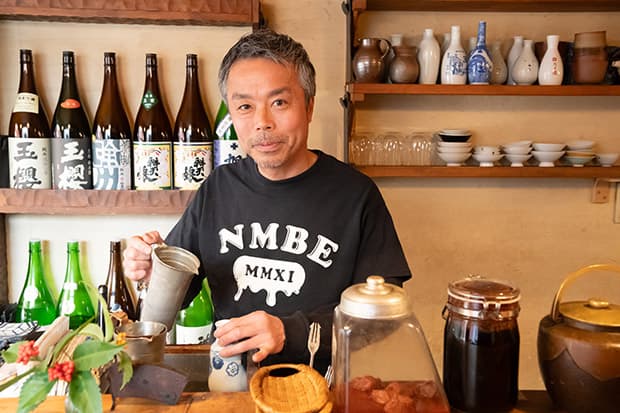
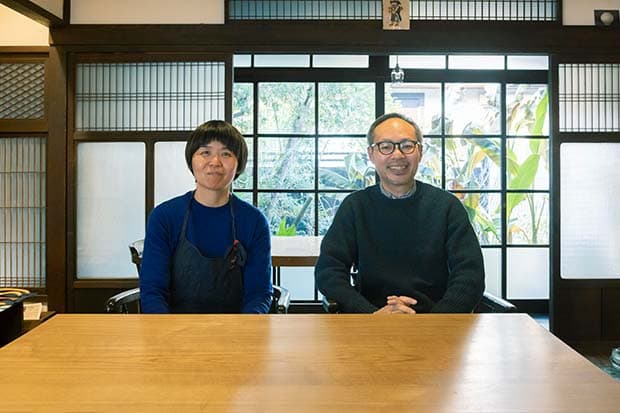
In this ongoing series, we ask food professionals for their top recommended fermented foods. Our guests this time are Baba Sumito and his wife Mayumi, the owners of Osteria Luce, an Italian restaurant in Kita-Senju, Tokyo.
When Chef Baba’s dishes, prepared to make the most of the intrinsic flavors of the ingredients, are paired with the natural wines curated by Mayumi, the result is deep, rich umami flavors with a mild, lingering finish.
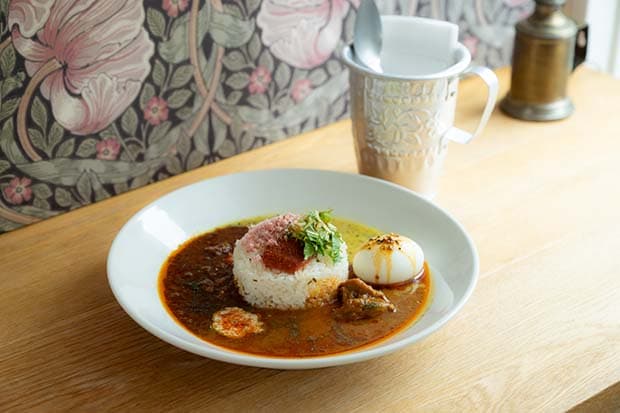
The fermented food these two recommend is ribollita. Meaning “re-boiled” in Italian, ribollita is a traditional dish from the Tuscany region. We asked them to share a recipe that’s easy to replicate at home.
Ribollita features a creamy mellow umami
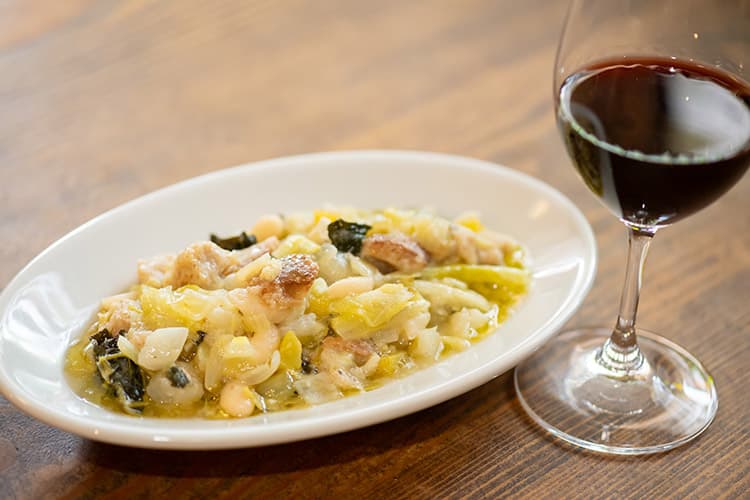
Ribollita goes perfectly with a red wine from Tuscany
Ribollita is made by simmering vegetables and cannellini beans until they’re very tender, then adding bread to give it a soft texture. It’s a dish born from the wisdom of the Tuscan region, which historically was not a wealthy area, to make the most of stale bread.
-
- [Ingredients] (easy-to-prepare amount)
- OnionOne
- CarrotHalf a stick
- CeleryHalf a stalk
- CabbageOne-eighth of a head
- Black cabbageFour or five leaves (you may substitute kale or curly spinach)
- TurnipOne,small
- CauliflowerOne-quarter of a head
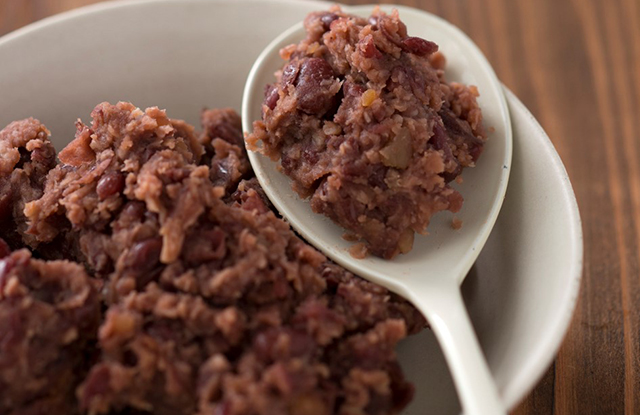
- Cannellini beans (dried)50 grams
- Bread (crusty type)80 grams
- SaltHalf a teaspoon
- Sunflower oilAs needed
- Extra virgin olive oilAs needed
-
- [Prep work]
- Soak the cannellini beans in plenty of water overnight to rehydrate them.
- [Directions]
- 1. Coarsely chop the onion, carrot, celery, cabbage, and cauliflower. For the black cabbage, grasp the stem and pull the leaves off starting from the base and working toward the tip. Dice the turnip, and cut the bread into small pieces.
- 2. Heat the sunflower oil in a pot, then add the onion, carrot, and celery in that order and sauté over high heat. Once they become tender, reduce the heat and add the cabbage, black cabbage, turnip, and cauliflower in that order and continue sautéing.
- 3. Once the volume of the vegetables has been reduced, add salt and mix. Then add the rehydrated cannellini beans along with their soaking liquid. Cover and simmer for about 10 minutes, then season with salt (separate from the amount in the ingredient list above).
- 4. Add the bread, stirring vigorously from the bottom of the pot to prevent scorching. Once the soup reaches a boil, turn off the heat. Cover and let stand for about two hours.
-
5. Reheat just before serving, drizzle with olive oil, and mix. Serve in bowls and add additional olive oil to taste.
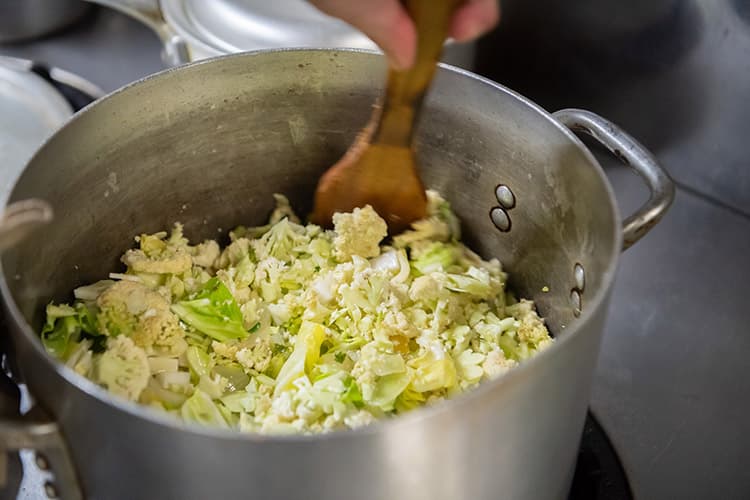
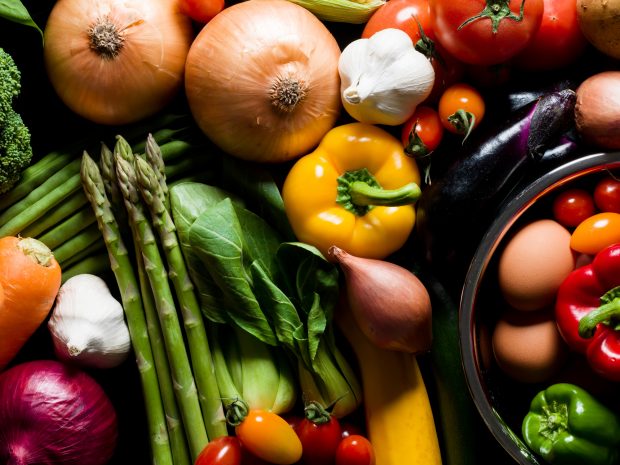
Use onions, carrots, and celery as the base, but feel free to add any other vegetables in your fridge. You can adapt the recipe with your favorite vegetables, such as Chinese cabbage, daikon radish, komatsuna mustard spinach, or broccoli. “If you’ve steamed the vegetables or let them sit covered for a while, pour the condensation from the lid back into the pot. This is because the aroma and umami of the vegetables will have transferred to the condensation.”
“The key is to avoid boiling away too much of the vegetables’ moisture. Sauté them quickly over high heat, then reduce the heat to low and cook them slowly. Doing this will concentrate the vegetables’ flavor more. After this, just the acidity and umami from the bread, along with a tiny pinch of salt, create a surprisingly complex flavor. Ideally, let the soup sit overnight. As the name ‘re-boiled’ suggests, heating it again further blends all the flavors.”
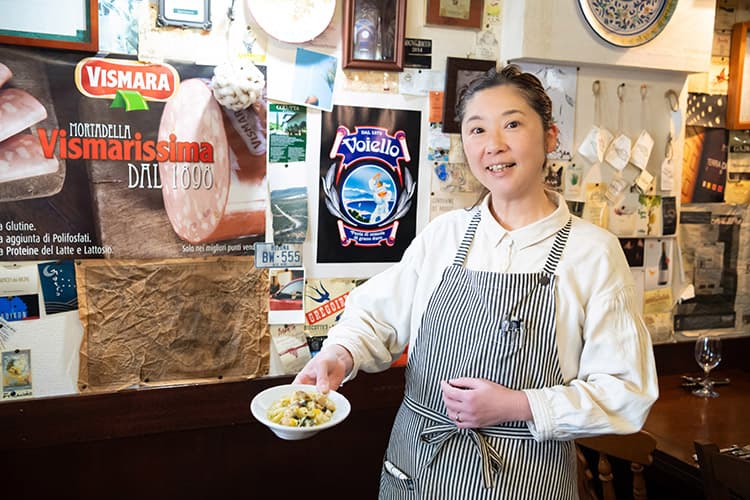
Mayumi is in charge of the wine selections and service
The wine-friendly bread that Chef Baba loves
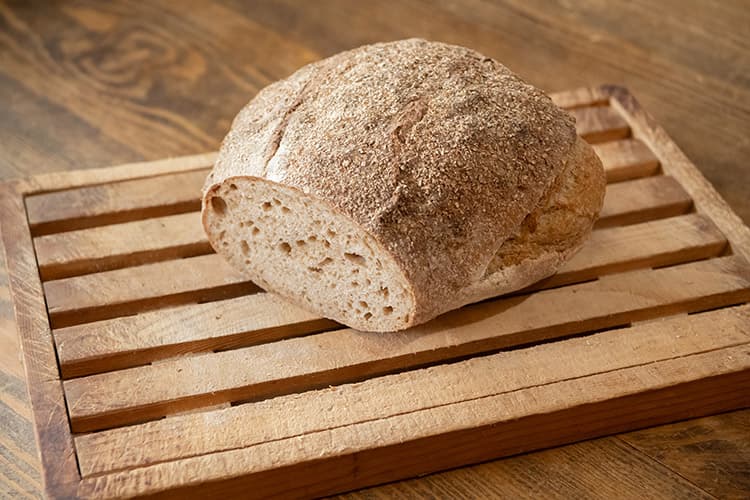
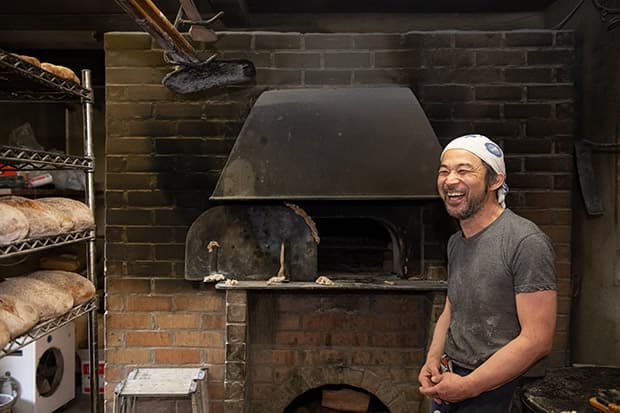
Osteria Luce sources its bread from Forno a Lenga Panezza, a bakery in Ishioka, Ibaraki. This dense, heavy-textured bread fills your mouth with acidity, umami, and aroma with every bite. Because you can’t help but drink more wine with this bread, Chef Baba has dubbed it “bread for drinking”.
Naturally, the bread used in the ribollita is also from Panezza. On the day of our visit, Chef Baba added small pieces of sourdough bread coated with wheat bran.
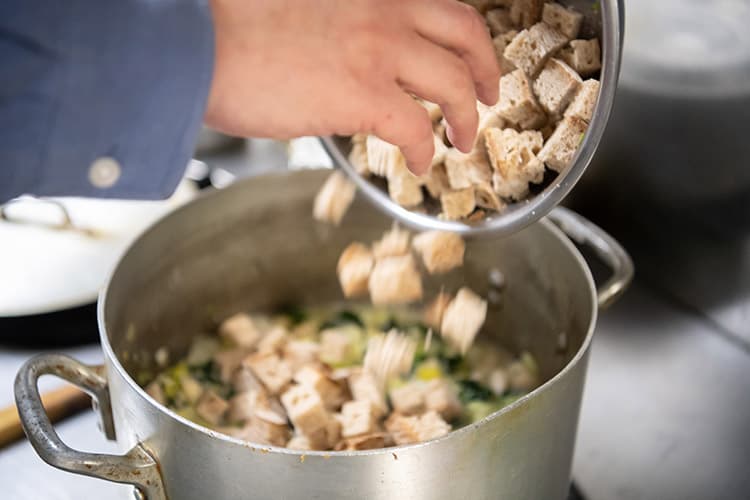
“Panezza’s dense bread has a tangy flavor and complex aroma. I feel it possesses a certain umami that only sourdough bread has. When making ribollita at home, I recommend using a crusty bread like pain de campagne [French sourdough] rather than soft, fluffy breads like sandwich bread or rolls.”
A magnanimous culinary philosophy that maximizes the natural umami of ingredients
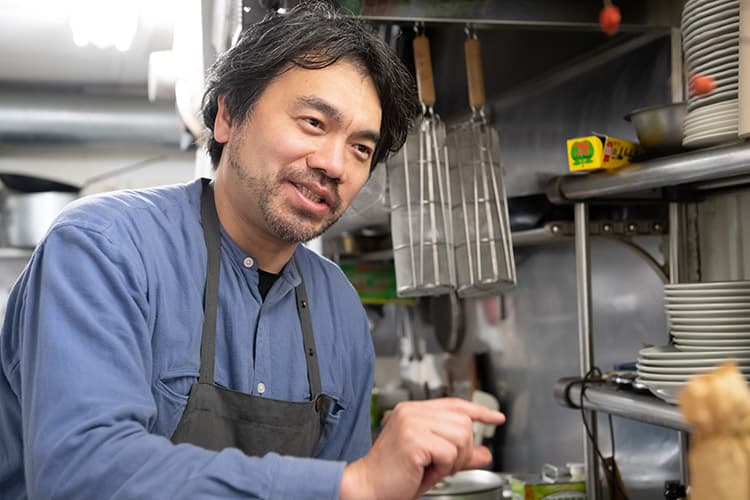
All it takes are vegetables you have on hand, plus bread, a little salt, and olive oil. Ribollita, which brings out the goodness of its elements without relying on any special ingredients, is a dish that truly encapsulates the taste of an Italian mother’s cooking.
“In Italian homes, people often skip the cutting board and instead hold the vegetables in their hands, roughly chopping them right over the pot and tossing them in. For a dish like ribollita, we use a variety of vegetables, but there’s no need to cut them all to the same size. On the contrary, the uneven cooking produces a greater array of textures and flavors within a single dish. That’s part of Italian culinary culture.”
Bringing out the true essence of the ingredients: this philosophy is also at the heart of the cuisine Chef Baba strives to create at Osteria Luce.
“Rather than focusing on vibrant, visually stunning presentations, I want to prepare dishes as simply and easygoing as possible, while cherishing the inherent umami and personality of the ingredients. I prefer dishes where you can tell exactly what you’re eating. I also believe that tastes with no extra additions pair well with the wines we serve here.”
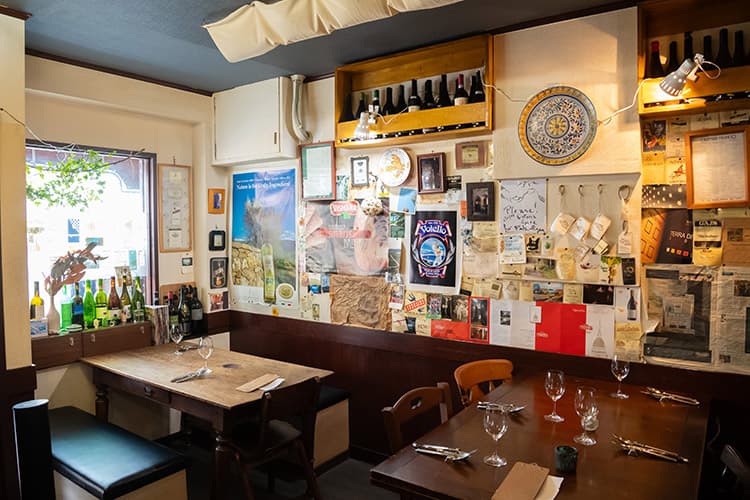
Osteria Luce is a space where you can relax and enjoy food and conversation with close friends, family, or a romantic partner
Fermentation is what defines the profile of Chef Baba’s cooking
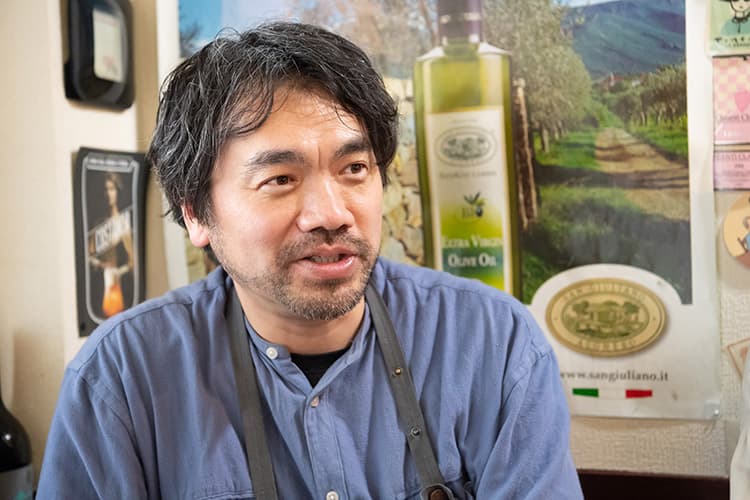
Sautéing, simmering, steaming slowly, grilling until crispy. Straightforward cooking techniques like these mean that just the timing of adding salt or vinegar can dramatically change the impression of a dish, according to Chef Baba.
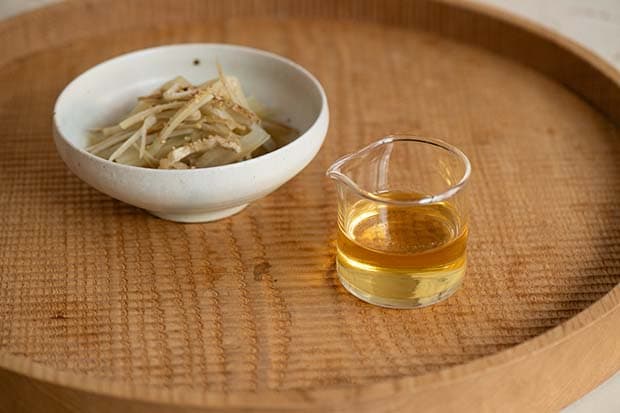
“I love vinegar, and these days I use around 13 different kinds. I got a lot of persimmons last year, so I tried making my own persimmon vinegar too. When you think about it, vinegar is another product of fermentation.”
The workings of microorganisms are also responsible for the taste of bread, cheese, and wine. For Chef Baba, fermentation is less a star and more an essence that coaxes out the inherent flavors of the ingredients.
“It’s not that I deliberately set out to use fermented foods. Instead, they are things I find myself incorporating naturally into my cooking without thinking about it.”
Mayumi, who is in charge of the wine selections, concurs with her husband’s sentiment.
“The flavors of fermentation go extremely well with wine. It’s like the food and wine come together to enhance each other’s appeal.”
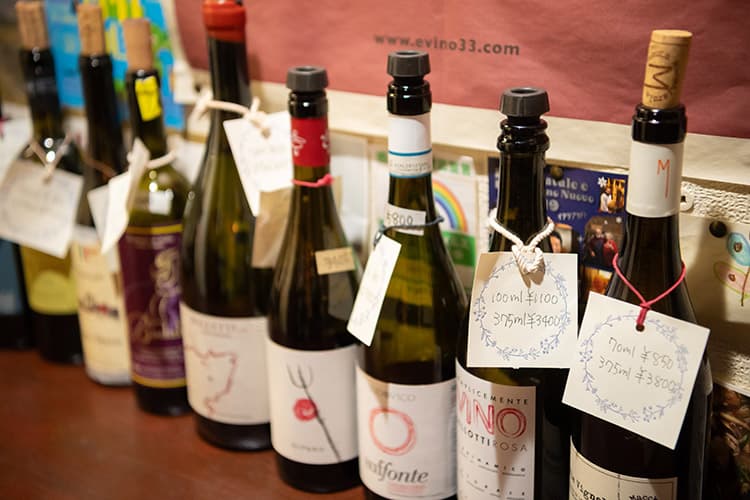
A wide variety of wines by the glass are available
Natural wines that let you see the faces of the winemakers perfectly complement unembellished yet profound dishes. The harmony that Osteria Luce weaves together leaves a deep, lingering sense of satisfaction with every bite.
They spare no effort, yet remain unpretentious. Today, like every day, the taste of an Italian mother’s cooking, which the Babas strive to cherish and nurture, welcomes visitors warmly, like family.
For our next installment, we’ll visit Sumiya Satoshi from Forno a Lenga Panezza, the baker in whom Chef Baba places his full trust. In addition to Chef Baba’s ribollita, be sure to look out for how to make Sumiya’s wildly popular wine-friendly bread that pairs flawlessly with wine.