Mito’s Coffee Culture and the Coffee Fermentation Process
Jan 08,2026
Did you know that coffee has a close connection with fermentation? For the second installment of our series visiting cafés where the wonderful world of fermentation can be experienced in everyday surroundings, we drop by Mood Coffee & Espresso in the city of Mito in Ibaraki Prefecture. Owner Onuki Takeharu is a roaster who’s recently been making waves, having won the Japan Coffee Roasting Championship 2024. We ask him how he came to open a coffeeshop in Mito. He also shares his thoughts on fermentation.
Medium-light roast lets you savor the beans’ distinctive flavor.
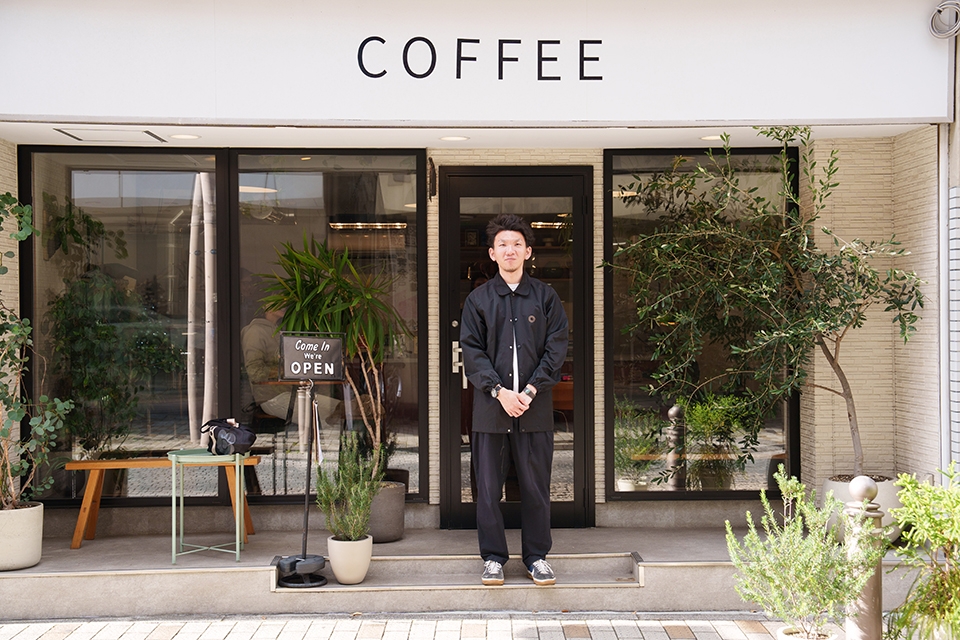
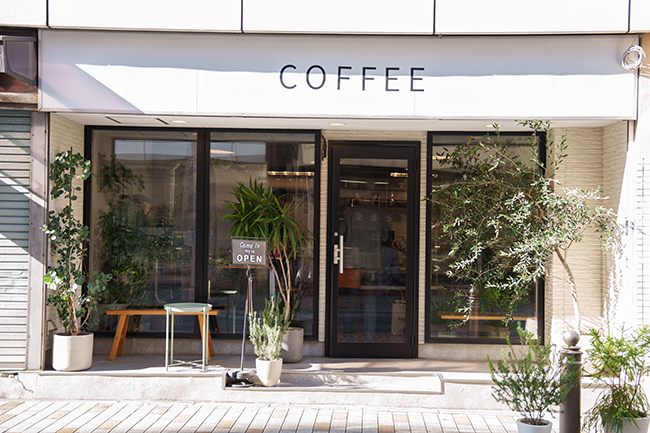
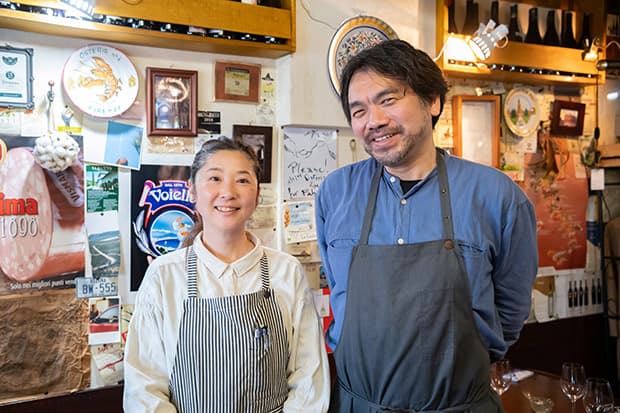
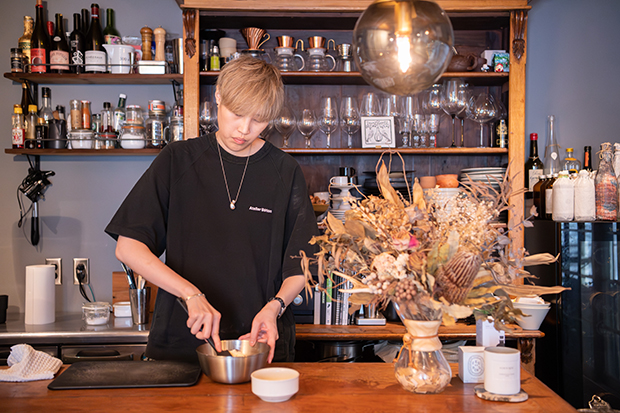
Mood Coffee & Espresso, which is a ten-minute walk from Mito Station, is a small coffee roastery that blends seamlessly into the neighborhood. It’s visited by a steady stream of regulars, who savor house-roasted coffee in relaxing surroundings while chatting with the couple who run the place.
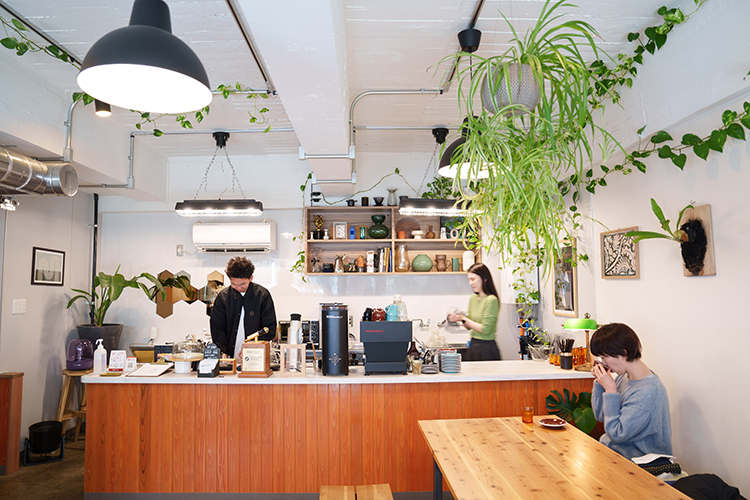
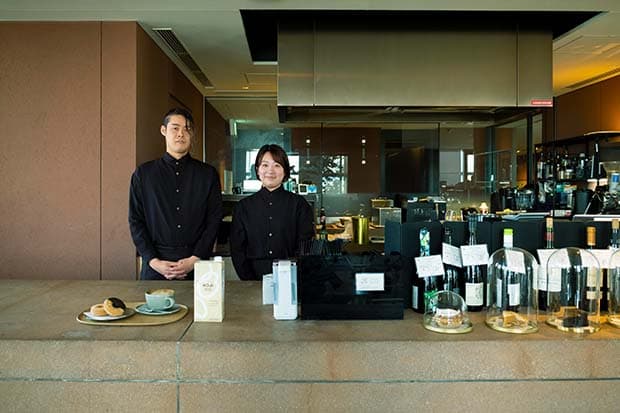
The place is run by a couple who cut their teeth working at a coffee shop. It’s frequented by regulars from town on weekdays and coffee lovers visiting from afar on weekends.
Owner Onuki Takeharu first caught the coffee bug while working part-time at a coffee shop. He wasn’t much of a coffee drinker at first, but then he slowly fell in love with the drink.
“Coffee beans differ in character depending on the country where they’re grown, and their flavor varies depending on how light or dark the roast is. I found that fascinating. I was working at a coffee chain at the time, so I didn’t get the chance to roast beans myself. I did buy a small roaster, though, and started roasting beans at home — which was even more fascinating.”
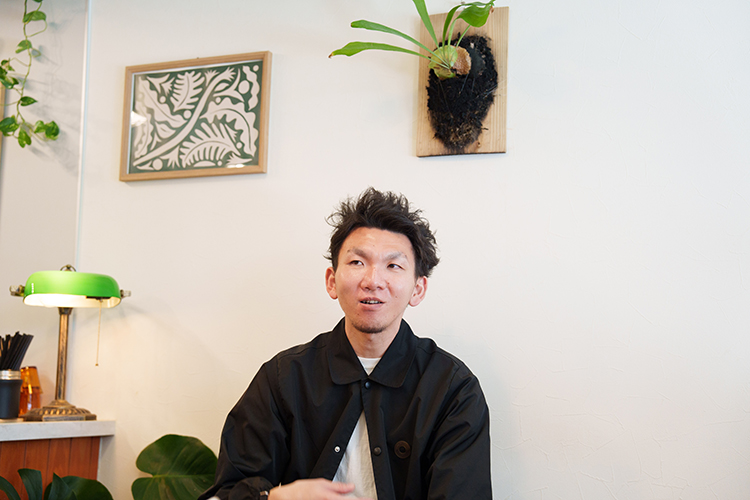
The place is named “Mood” Coffee & Espresso, Takeharu says, because he “wanted to create a coffee shop with a laid-back vibe.”
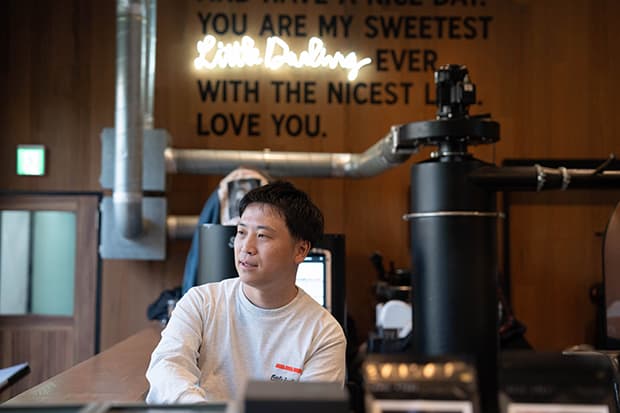
After gaining experience as a roaster at Little Darling Coffee Roasters in Tokyo’s trendy Aoyama neighborhood, Takeharu struck out on his own. He moved from Tokyo to Mito and opened Mood Coffee & Espresso with his wife in November 2021.
“I’m originally from Hitachinaka, and I went to high school in Mito. Tokyo is so crowded that it wears you out. On the other hand, I wanted to open a shop in a place I was familiar with rather than somewhere completely new, which is why I chose here.”
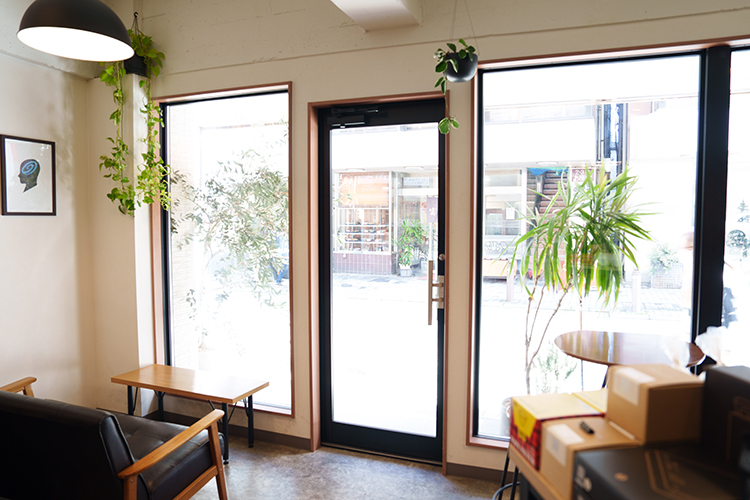
The brightly sunlit interior. The road outside is paved with stone — one of the reasons Takeharu took a liking to the location.
Ever since opening the place, Takeharu has always insisted on serving patrons the kind of coffee that he and his wife would want to drink themselves. That’s why he opts for medium-light roast.
“Dark roast dominates the Japanese coffee scene, but medium-light roast lets you better appreciate the beans’ distinctive character. You need to roast the beans just right to bring out their potential, and I find it fascinating when I successfully bring out their character.”
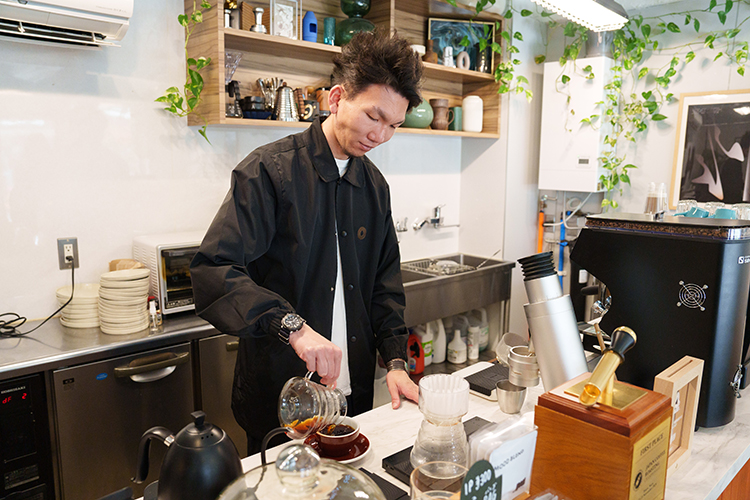
Takeharu uses a single-hole dripper to extract coffee.
Different roasters have different priorities when roasting. Takeharu relies on the sound of the beans.
“A lot of roasters decide the exact temperature and duration and have everything timed down to the second, but I’m the type of person who doesn’t get too caught up on stuff like that. While I have a fixed routine, I don’t let it box me in. The one thing I rely on is the sound. The beans rattle as the roaster drum turns, and the sound they make is what I judge things by. It’s a matter of instinct, so it’s hard to explain, but that, I guess, is how I differ from other roasters.”
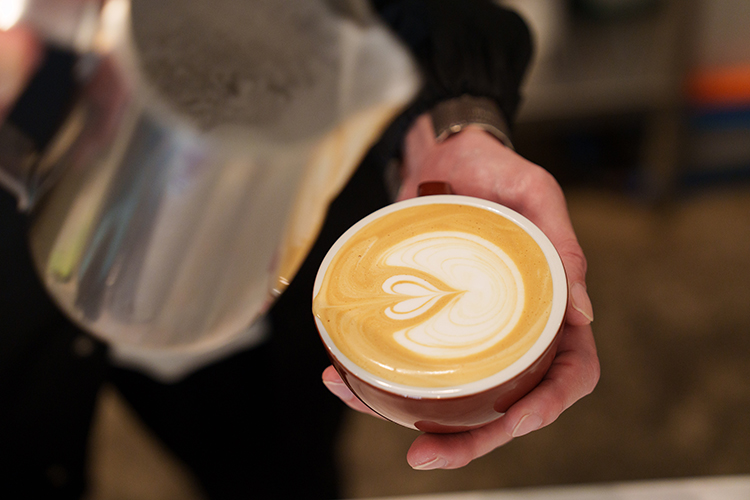
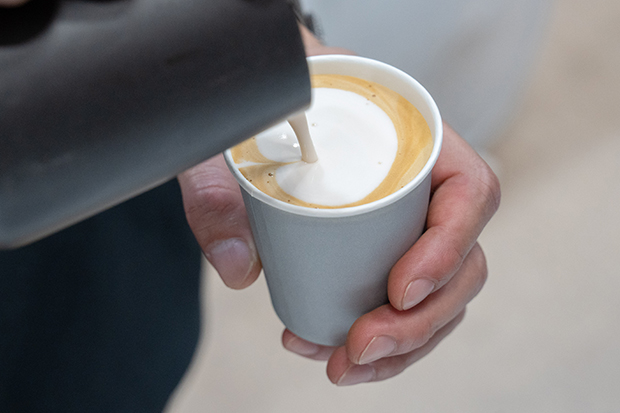
Caffè latte is a favorite with customers. You get to choose from two varieties: the blended or the beans du jour.
An independently owned café in provincial Japan takes on the world!
Takeharu entered his very first contest in 2024 — the Japan Coffee Roasting Championship (JCRC) 2024, organized by the Specialty Coffee Association of Japan (SCAJ). And he won.
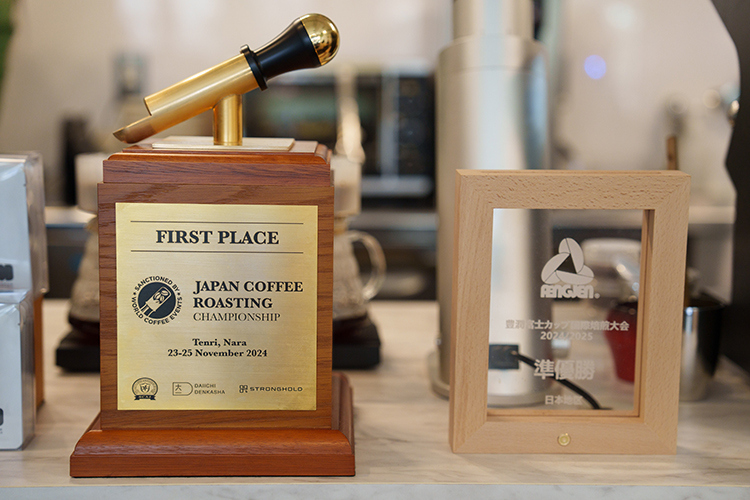
The trophies on the counter: First Place, JCRC 2024, and Second Place, Japanese Qualifier, Fengjen Fuji Coffee Roasting Competition 2025.
The reason he entered the contest was simple. “It had been three years since our café opened in Mito, and we were beginning to attract a regular clientele. But I wanted to know whether I could really roast good coffee.” Receiving external validation was a big confidence booster.
“It was a big sensation, which helped make the café better known. We’re located in a regional city, after all, so there aren’t many opportunities for people to get to know us. Our regulars were thrilled I won, which makes me glad I entered.”
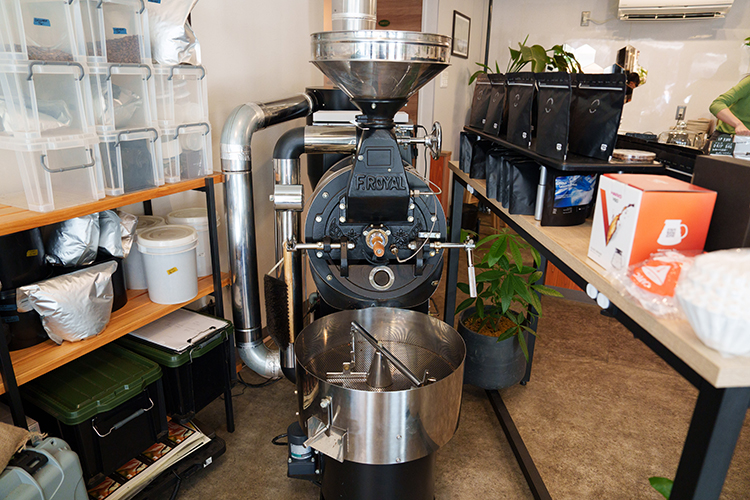
The small-sized roaster on the premises. Beans are roasted during opening houses four times a week.
Takeharu then represented Japan at the World Coffee Roasting Championship 2025 in the United States, placing tenth. He roasted the way he usually did, he says looking back, despite having to do the job in unfamiliar surroundings under restricted conditions.
“Even during the actual contest, I still managed to roast the way I always do at the café. There were contestants from many different countries, and it was interesting to see them approach roasting in ways I wasn’t aware of. We’re not one of the majors; we’re an independently owned café in a regional city, yet we managed to hold our own when it came to roasting, so I felt we were getting somewhere. I hope to challenge myself like this again.”
The coffee fermentation process imparts a unique flavor and aroma.
In the world of specialty coffees, fermentation has recently attracted great interest as part of the refining process. Mood Coffee & Espresso too stocks beans that have been fermented.
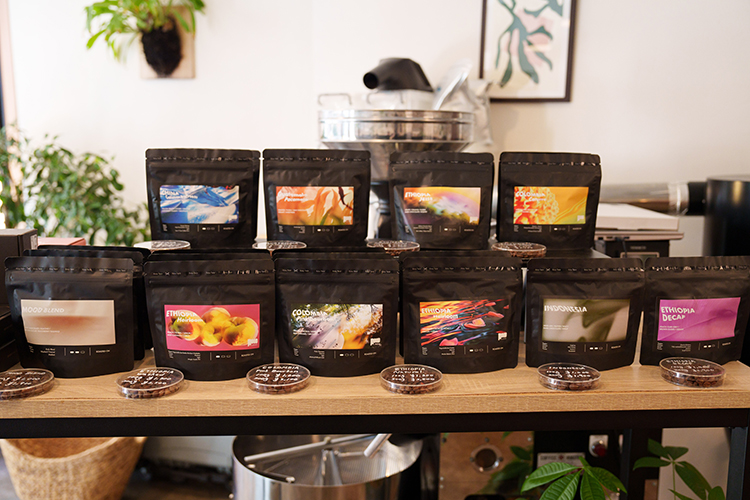
The café stocks coffee beans from Ethiopia, Colombia, China, and elsewhere. Roasted beans are sold both in-store and online. The packaging was designed by a designer friend.
“Fermentation has a big impact on the flavor. For example, Chinese beans fermented with yeast have a fruity, earthy nuance like peach or lychee. Colombian beans have a floral nuance from being fermented together with flower yeast. We also stock two types of anaerobically fermented Ethiopian beans. One type is fermented for 48 hours, the other for 72 hours, and they make a different impression because of the different fermentation times. The 48-hour variety is mild, while the 72-hour variety is rich and mellow. I want people to learn to appreciate such differences.”
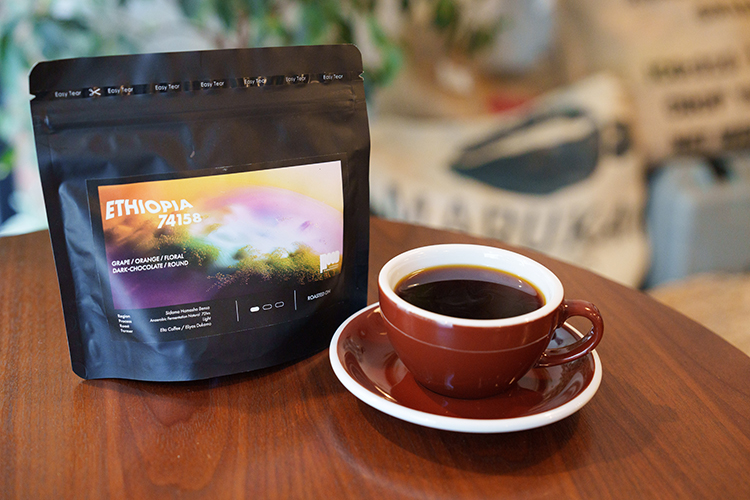
Ethiopia Hamasho Anaerobic Natural 72 hrs. has a mellow aroma and sweetness reminiscent of grapes, tart notes like ripe orange, and a mouthfeel reminiscent of dark chocolate.
A whole series of new fermentation processes have been developed in recent years, says Takeharu, which should expand possibilities for the future.
“Coffee that has been through the fermentation process tends to create a unique impression on the drinker. It also has a more pronounced aroma. It’s a great way to get people drinking light-roasted and medium light-roasted coffees to appreciate the difference. One day, we hope to visit a coffee plantation and try our hand at the fermentation process ourselves.”