KINNOE: Exploring Fermentable Dietary Fiber & Gut Health
Jun 11,2026
Kinnoe, The Fermentable Dietary Fiber Store opened its doors in November 2025, amid growing interest in gut health and well-being. Kinnoe’s goal is to provide accurate information about fermentable dietary fiber and to give people opportunities to incorporate this fiber into their daily diets. The store also offers caring support to a wide range of age groups, including health-conscious men and women in their 20s and 30s, in order to help people build healthy lifestyles without feeling overwhelmed.
Home / Work Village is a mixed-use complex where work, study, and play intersect
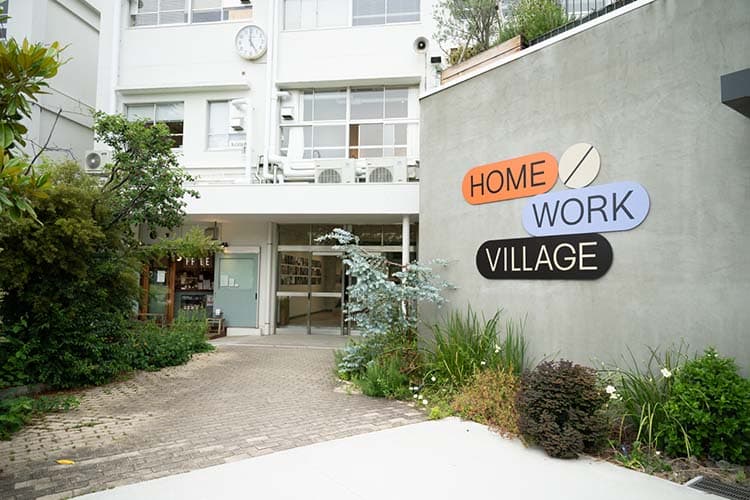
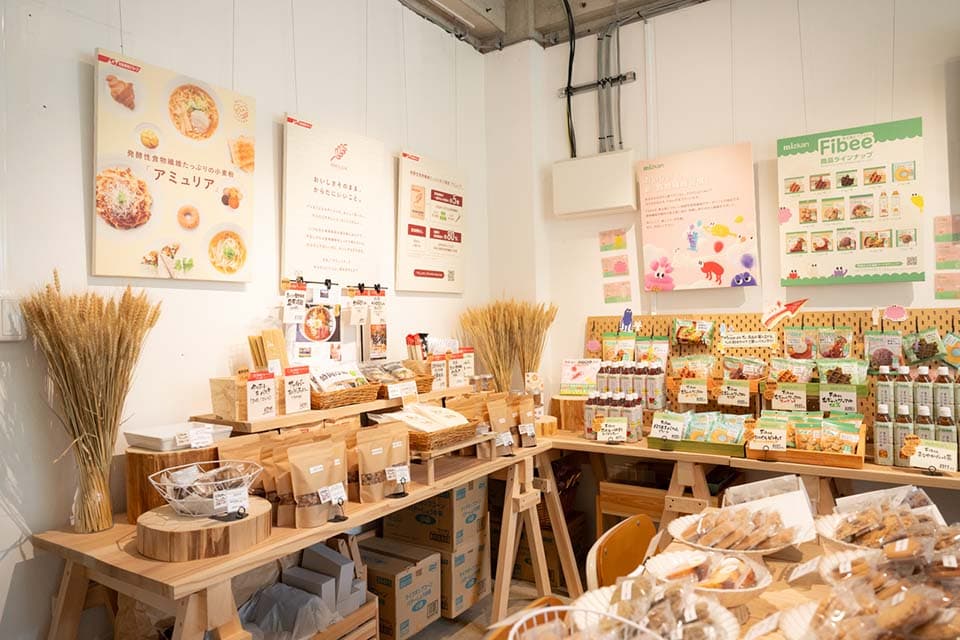
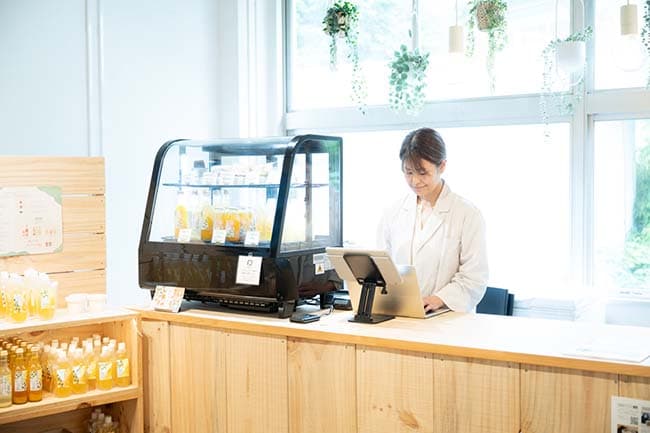
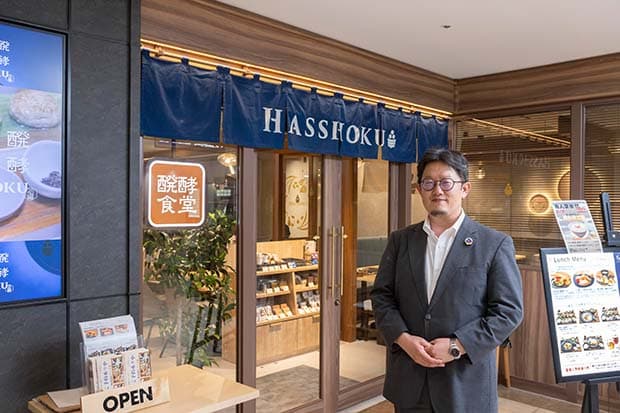
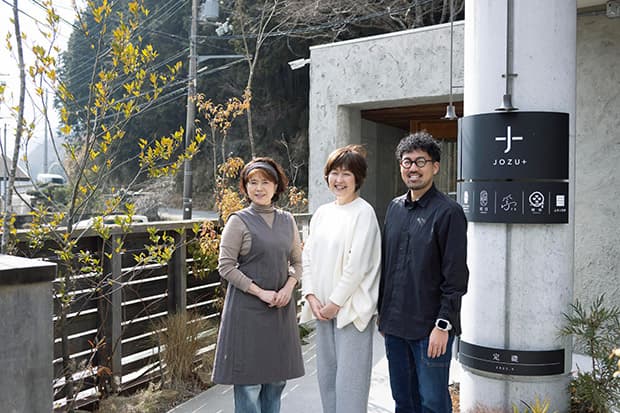
Kinnoe, The Fermentable Dietary Fiber Shop is located in Setagaya Ward, Tokyo, inside Home / Work Village, which had its grand opening in July 2025 following the closing of the Ikejiri Institute of Design (IID), a facility that used the building of the former Ikejiri Junior High School, which itself had closed in 2004. The first floor of the mixed-use complex is devoted mainly to restaurants and retail stores, but it also has a shared kitchen, a livestreaming studio, and a gallery. The second floor is home to a coworking space and a creative learning school for children, while office tenants occupy the third floor. (There is also a rooftop garden.) Thanks to this unique configuration, all kinds of people work and learn here. Although fermentable dietary fiber may be an unfamiliar term to many, Kinnoe promotes the appeal of fermentable dietary fiber as a hands-on shop where visitors can learn about, taste, and buy fermentable dietary fiber.
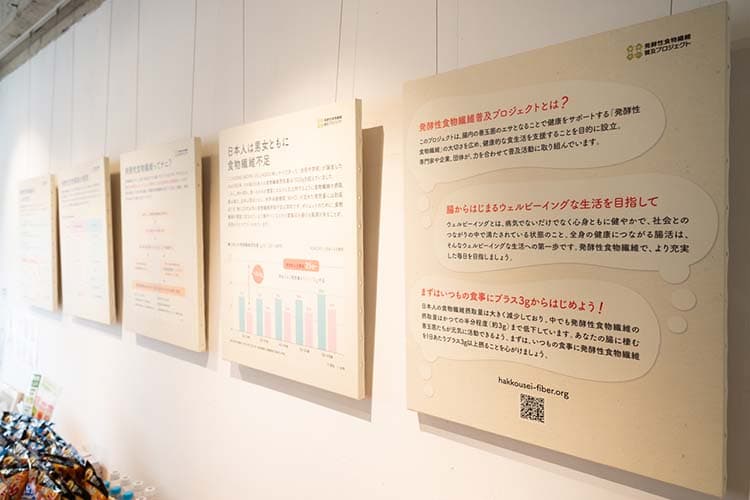
While selecting products, visitors can learn about fermentable dietary fiber from information panels inside Japan’s only specialty store dedicated to fermentable dietary fiber
What is fermentable dietary fiber, a topic that is gaining more and more attention?
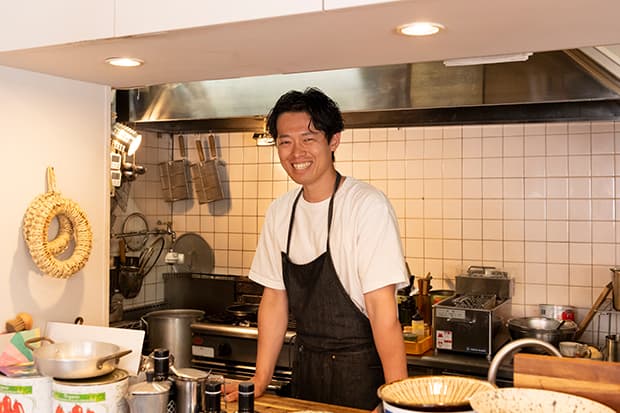
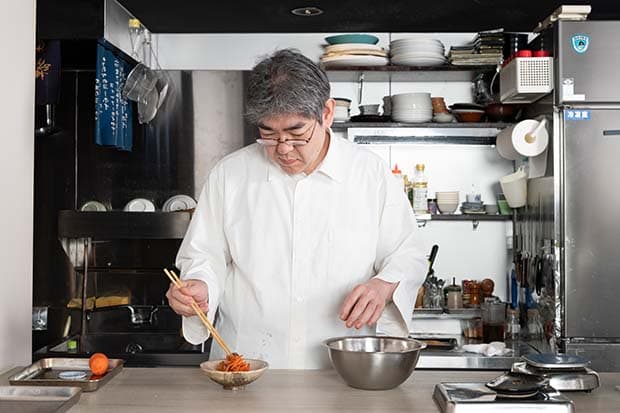
What exactly is fermentable dietary fiber? This is the question we posed to Mori Koji, who is involved in promoting fermentable dietary fiber.
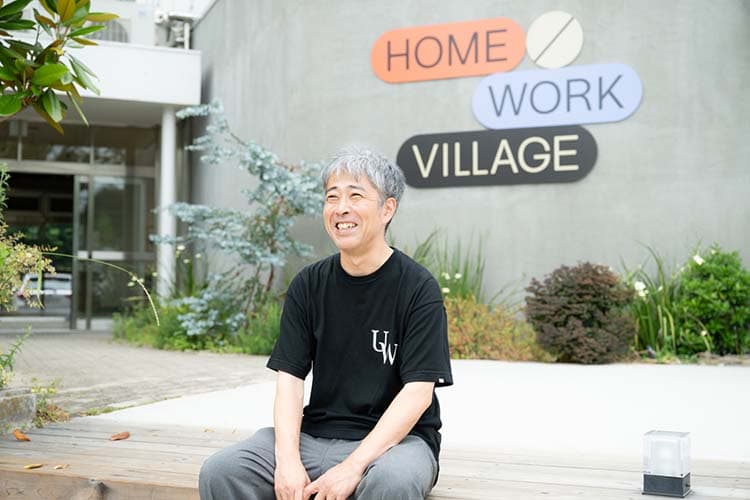
“Fermentable dietary fiber is dietary fiber that ferments by serving as food for beneficial and other gut bacteria. Consuming an adequate amount of this dietary fiber helps maintain a healthy gut environment. The World Health Organization (WHO) recommends a daily dietary fiber intake of 25 grams, but the reality is that Japanese people across all age groups are currently falling short of this recommendation by about five to 10 grams a day. That’s why we’re promoting the message to people to try adding three grams of dietary fiber, especially fermentable dietary fiber, to their daily meals.”
When people think of dietary fiber, many imagine leafy vegetables like cabbage, lettuce, and broccoli, but these foods actually don’t contain that much fermentable dietary fiber. In fact, grains contain much more fermentable dietary fiber. Unfortunately, there is still a deeply entrenched perception that grains make you gain weight.
“Some people cut back on grains to lose weight, but by doing so, they’re missing out on opportunities to consume fermentable dietary fiber. When the good bacteria in the gut break down fermentable dietary fiber, they produce short-chain fatty acids — compounds that are beneficial for both health and beauty. So I really want people to make sure they’re getting enough fermentable dietary fiber. I’d like to share accurate knowledge like this to more people to help prevent them from developing unbalanced diets.”
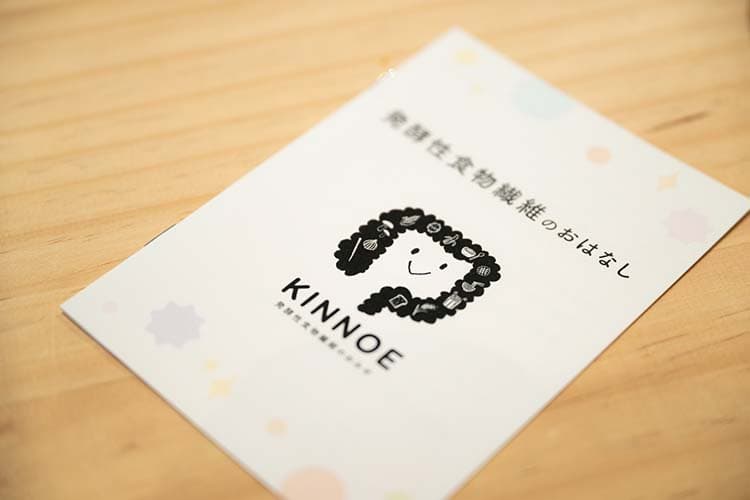
The shop’s afro-looking logo is actually a depiction of the large intestine. It shows foods that provide fermentable dietary fiber, the food source for beneficial gut bacteria.
Fermented foods + fermentable dietary fiber are essential together for maintaining health
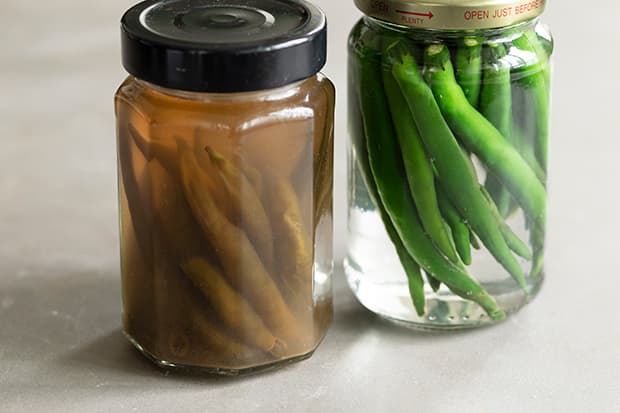
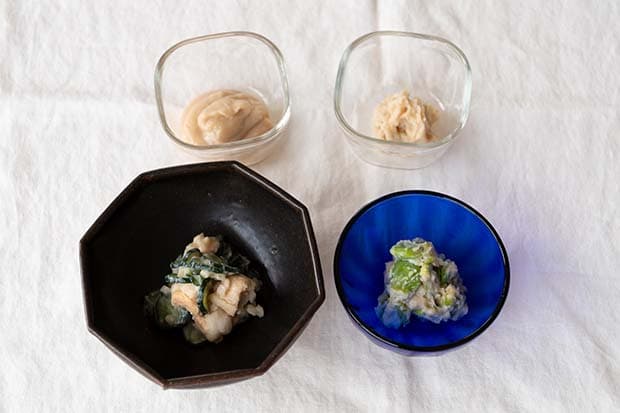
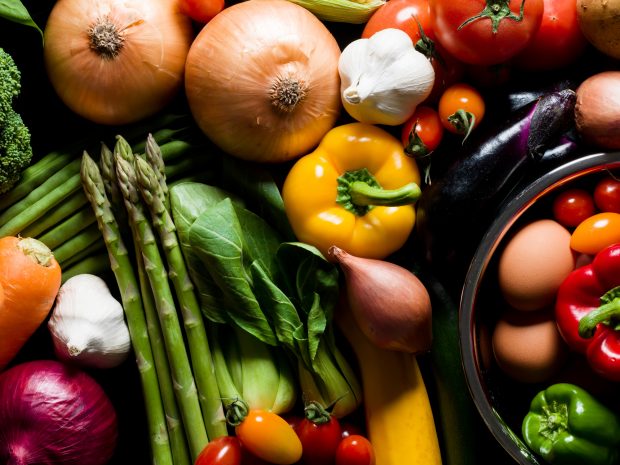
“Researchers say that as many as 40 trillion bacteria inhabit the gut. The bacteria that make up the gut microbiota can be broadly classified into three types: beneficial bacteria, harmful bacteria, and opportunistic bacteria. Beneficial bacteria perform functions that are good for our bodies; harmful bacteria perform functions that harm us; and opportunistic bacteria do not belong to either category but work alongside whichever group is dominant. Proactively consuming foods that increase beneficial bacteria is the first step toward balancing your gut flora. It is well known that incorporating fermented foods containing beneficial bacteria, such as nuka-zuke pickles, kimchi, miso, vinegar, natto [fermented soybeans], and yogurt, into your daily diet is good for you. However, it is less widely known that combining these with foods such as grains, root vegetables, legumes, seaweed, and fruits rich in dietary fiber that serve as food for beneficial bacteria — in short, combining fermented foods with fermentable dietary fiber — helps nurture beneficial bacteria and more effectively regulate the gut environment.”
The best ways to get fermentable dietary fiber are: (1) to consume it from various types of foods (since different types of gut bacteria feed on different types of fermentable dietary fiber); (2) to get it from staple grains (especially whole grains); and (3) to consume it along with fermented foods.
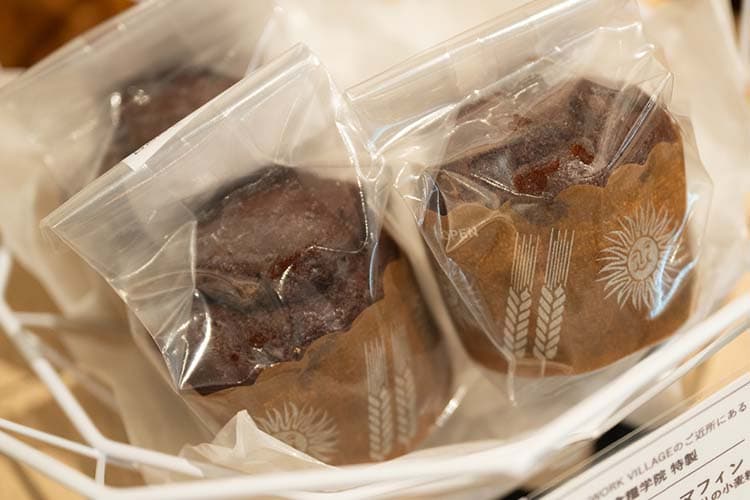
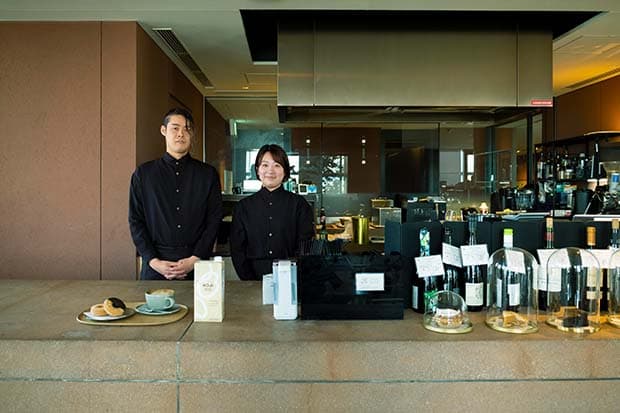
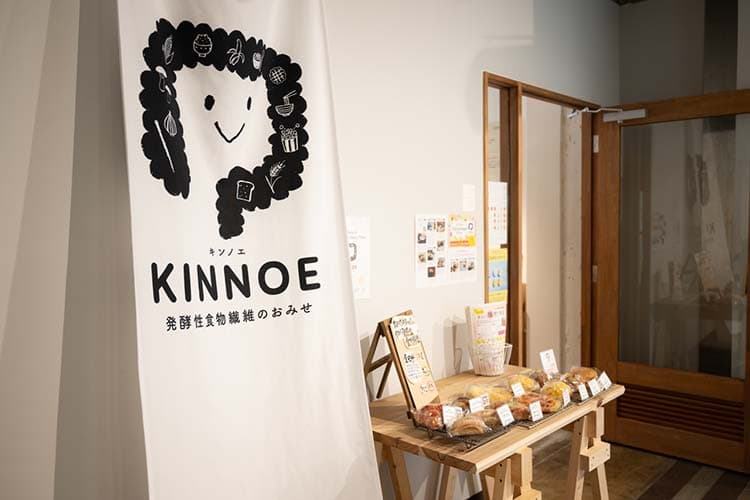
Special chocolate muffins made by Shokuryo Gakuin, a food academy near Home / Work Village. Many types of sweets that involve the local community are very popular at Kinnoe as well.
“Dietary fiber is said to be in the era of quality. It’s not just about consuming fiber, but about what kind of fiber you consume. Fermentable dietary fiber slows the absorption of sugar, preventing sudden spikes in blood sugar levels. Especially for people with busy schedules who tend to eat at irregular times, incorporating fermentable dietary fiber into breakfast, lunch, dinner, and snacks may help keep blood sugar spikes in check.”
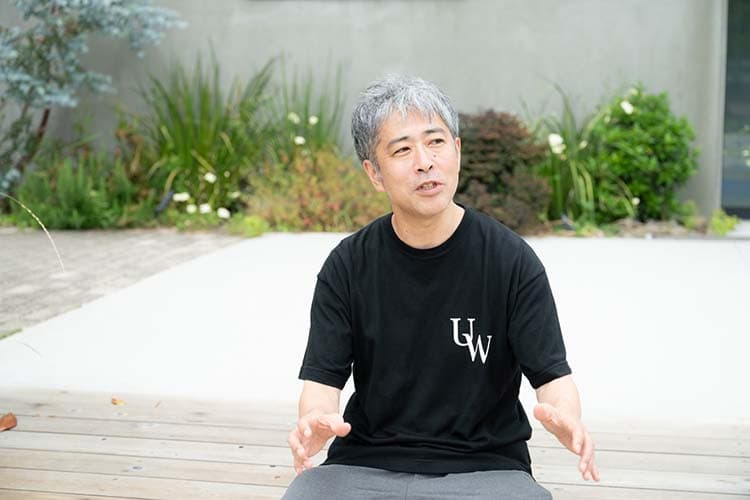
To end our conversation, we asked Mori about his ultimate goal with promoting fermentable dietary fiber at Kinnoe.
“Our goal is to create a world where everyone can consume fermentable dietary fiber every day. Because it’s a long phrase, it might seem complicated. But I hope it will become a common, everyday term and that fermentable dietary fiber will become a natural choice at the dinner table without us having to promote it. Health trends change with the times. Just as protein was once in the spotlight, we’re now entering the era of dietary fiber. Above all, I hope interest in fermentable dietary fiber will continue to grow. Since fermentable dietary fiber can easily be incorporated into your daily meals, there’s no need to follow an overly strict diet. I hope people will listen to their bodies and consume fermentable dietary fiber in a way that feels natural and unforced.”