Anchovy Panzanella & Mozzarella in Carrozza
Jul 09,2026
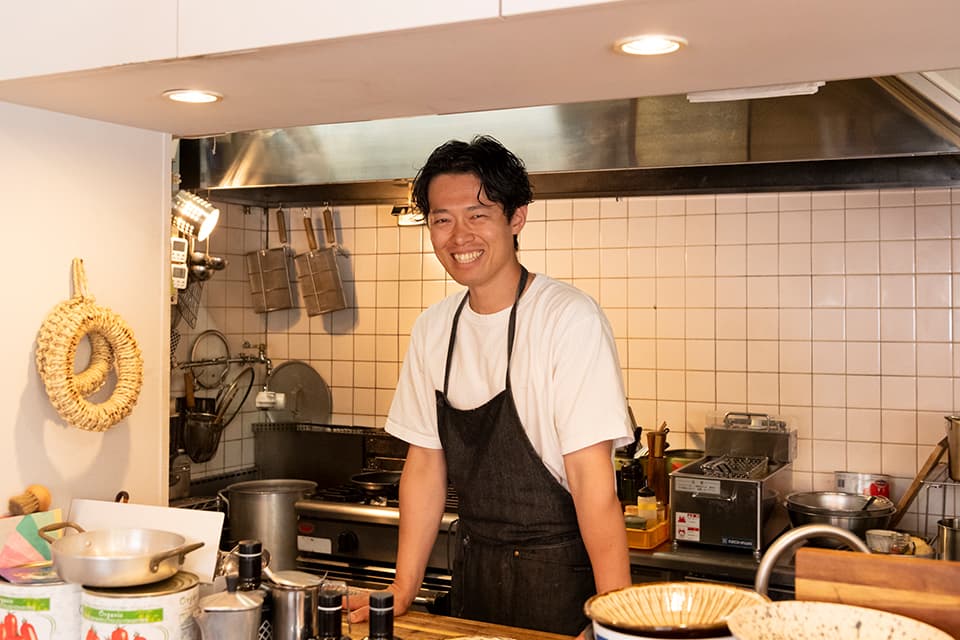
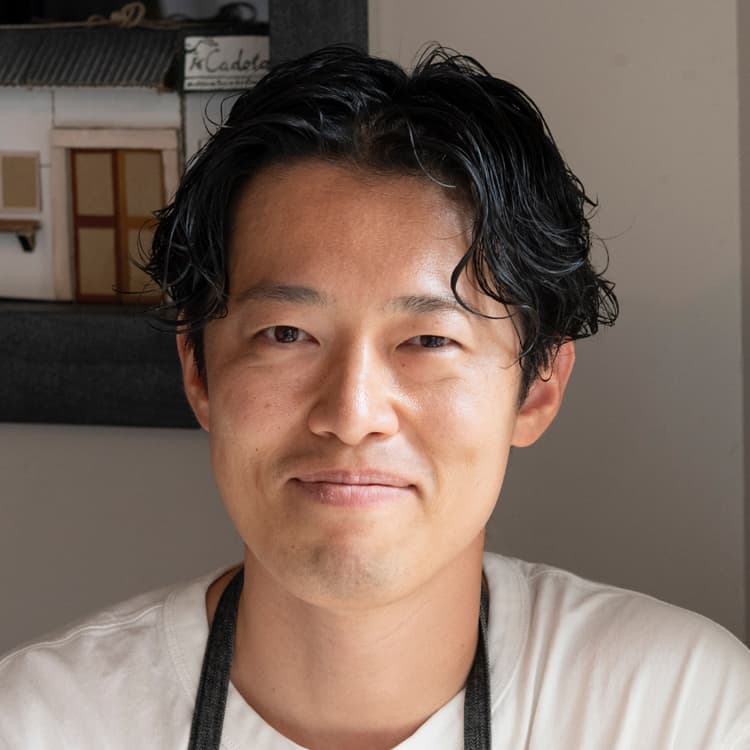
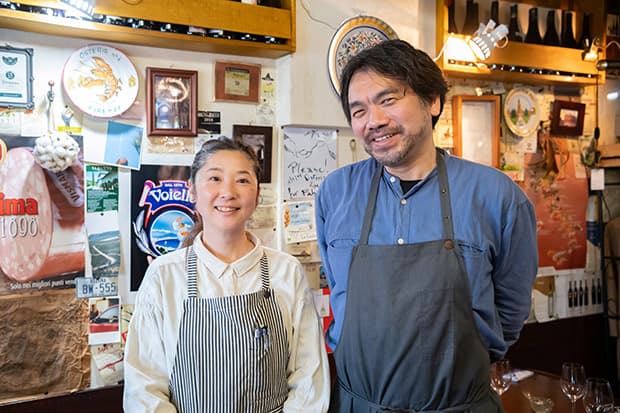
In this ongoing series, we ask food professionals for their top recommended fermented foods. This time, we visited Cadota, a small restaurant in the Higashi-Nagasaki area of Tokyo. Cadota’s owner-chef Arai Naoyuki picked anchovies as his choice fermented food.
Arai shared two recipes for this installment: mozzarella in carrozza, a light, fried cheese sandwich featuring anchovies, and panzanella, a chopped salad complete with plenty of summer vegetables. We spoke with him about his approach to building dishes around seasonal ingredients and his techniques that make use of fermented ingredients as his taste foundations.
Making the umami flavor of fermentation his cooking ally
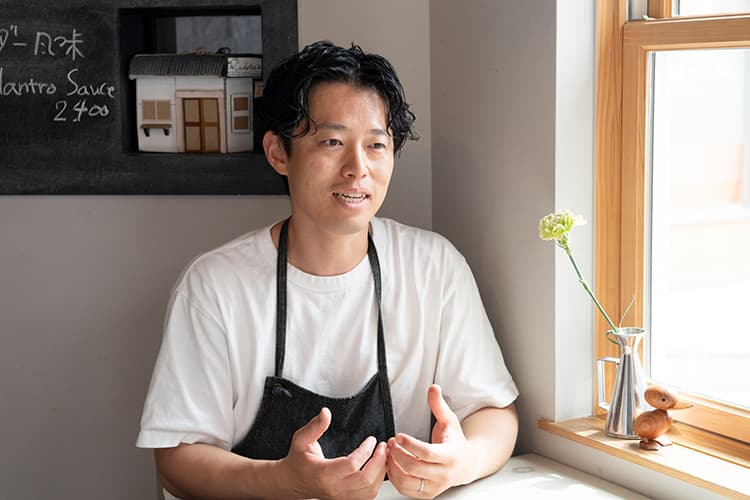
“I don’t use a lot of fermentation in my cooking, and I don’t make a lot of fermented foods from scratch. So, I’m not sure whether I’m really qualified to take this baton for the tasty fermentation club,” Arai says with a slightly embarrassed smile.
Arai is conscientious at Cadota about using fresh ingredients delivered directly from local farmers and highlighting the natural flavor of the ingredients themselves. The fermented ingredients he typically turns to are limited to items like anchovies and cheeses. Although the focaccia he bakes in-house is also fermented, fermentation is not a central focus of his overall cooking.
Given his situation, Arai selected anchovies as his choice fermented food.
“Adding just a small quantity of anchovies, with their concentrated saltiness, umami, and rich aroma from fermentation, will instantly bring together a dish’s flavors.”
Anchovies are generally made with katakuchi iwashi [Japanese anchovies], but Arai sometimes prepares his own anchovies using kohada gizzard shad.
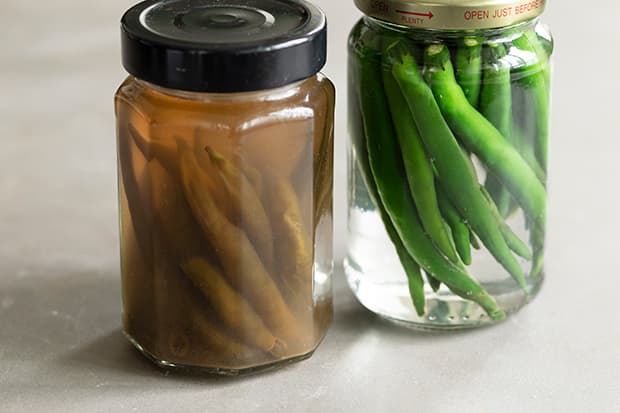
“My regular fishmonger will occasionally give me a large quantity of kohada. The portion I can’t use up right away I pack away in salt and let mature. The process also produces a colatura di alici-like fish sauce that I use in various pastas, salads, and other dishes as a secret ingredient.”
A recipe for mozzarella in carrozza, a delicious light snack
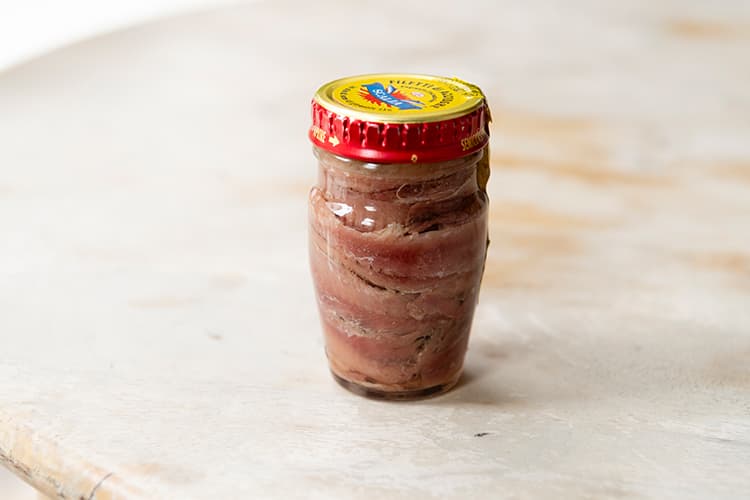
Affordable store-bought anchovies available at supermarkets and many other locations were used to make the recipe. However, feel free to use any type of anchovies you prefer, whether jarred or canned.
With their perfect blend of saltiness, umami, and aroma, anchovies serve as both an ingredient and a seasoning. Here are two recommended dishes from Arai featuring anchovies that let you savor all their goodness and that you can easily recreate at home.
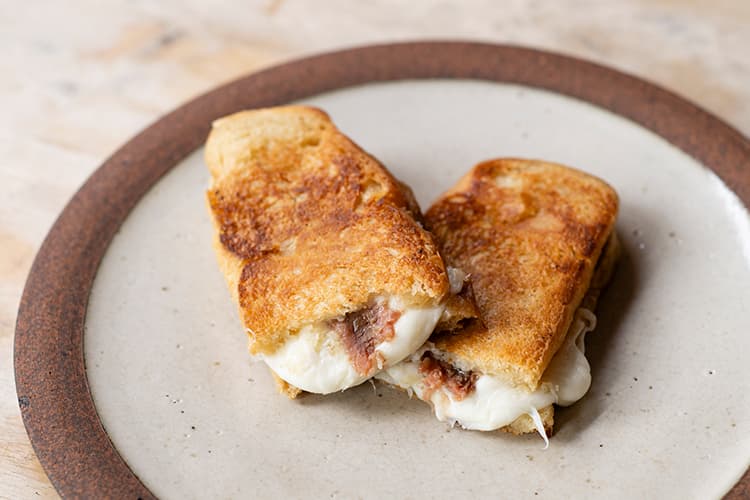
The first recipe is mozzarella in carrozza, which involves sandwiching mozzarella and anchovies between slices of bread and grilling them in butter until golden and fragrant. It’s a light snack that Arai makes during breaks in prep work for himself or his staff when feeling a little peckish.
-
- Ingredients (single-person portion)
- Two anchovy fillets
- One small loaf of focaccia (around 15 to 20 centimeters long)
- 40 grams of mozzarella
- One tablespoon of salted butter
-
- Directions
- 1. Slice the focaccia into centimeter-thick slices. Layer thinly sliced mozzarella and anchovies on one focaccia slice and then place the second slice on top to form a sandwich.
- 2. Place half the butter in a frying pan and heat. Once the butter has melted, add the focaccia sandwich from Step 1 and press down with a spatula while grilling over low heat until golden brown.
- 3. Add the remaining butter, flip the focaccia sandwich, and grill the other side in the same manner.
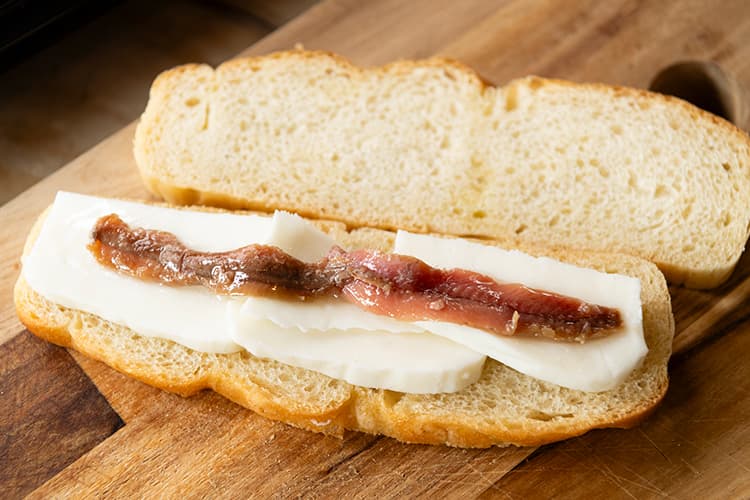
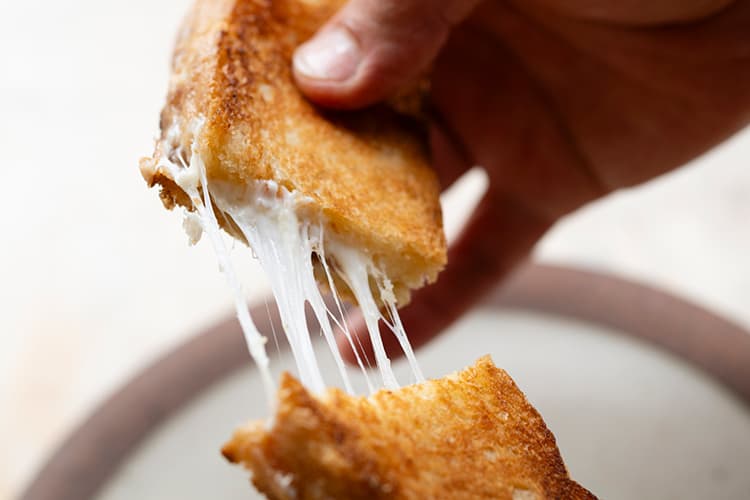
The trick is to grill the focaccia slowly over low heat. It’s ready to eat once the cheese starts to melt and ooze out. The crust will be crispy, while the piping-hot mozzarella will stretch out from the middle. The flavor of the anchovies will linger on your palate.
Carrozza means horse-drawn carriage in Italian. One theory for the name is that when you cut the sandwich and pull the halves apart, the strings of cheese resemble the reins of a horse-drawn carriage. “Italians like to use clever wordplay when they name dishes,” Arai says with a laugh.
This panzanella recipe is a delicious way to revive stale bread
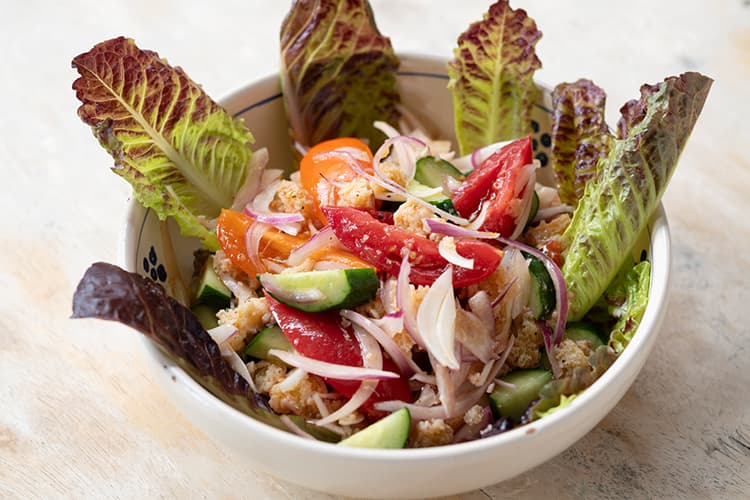
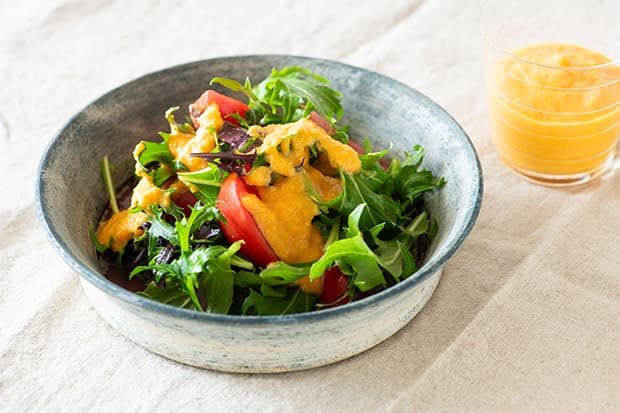
Arai’s second recipe is for panzanella, an Italian salad that combines ample summer vegetables with bread.
“In Italy, many families don’t buy bread every day. Instead, they buy a large loaf and cut off smaller portions to eat each day. When the bread starts to get stale, they use it in soups or turn it into breadcrumbs, making sure to use every last morsel. Panzanella is one of the dishes that emerged to eat up old bread in a delicious way.”
Arai’s panzanella uses anchovies in the dressing. The leftover oil from the anchovy jar is also used to complete a satisfying single-bowl salad.
-
- Ingredients (for two to three people)
- [A]Dressing ingredients
- Two anchovy fillets
- Two tablespoons of oil from a jar of anchovies
- Two tablespoons of olive oil
- One teaspoon of red wine vinegar
- A pinch of salt
- A dash of pepper
- One cucumber
- Half of a red onion
- Two medium-sized tomatoes
- One cup of old bread with a hard crust
- Six or seven leaves of romaine lettuce
-
- Directions
- 1. Place the dressing ingredients listed under [A] into a deep bowl and mix thoroughly while mashing the anchovies with a spatula.
- 2. Cut the cucumber in half lengthwise, then slice diagonally into five-millimeter-wide pieces. Thinly slice the red onion and cut the tomatoes into wedges.
- 3. Add the vegetables from Step 2 to the bowl from Step 1. Tear the bread into pieces, add it to the bowl, and toss to combine all the ingredients. Taste and adjust the seasoning with salt, pepper, and olive oil (extra to the listed amounts above). Finally, serve on the romaine lettuce.
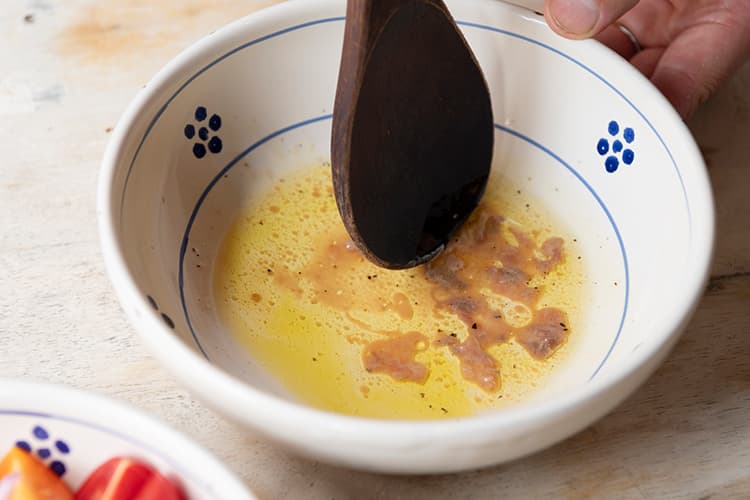
It’s fine if the anchovies retain some of their shape. Not mixing them too thoroughly lends more contrast to the flavor.
Since the bread soaks up the dressing and moisture from the tomatoes, it also becomes an umami-rich seasoning as it blends with the vegetables.
“Using anchovies as a secret ingredient makes it easier to balance the saltiness and umami and meld the flavors together. With this dish, you get to eat plenty of vegetables while also being very filling. In the summer, when your appetite tends to wane, you can have this salad bowl in place of a full lunch.”
Cooking begins well before you step into the kitchen
Whether it’s stale bread or receiving more fish than he can use up, Arai enjoys transforming them into new dishes. His cooking naturally embodies the wisdom of not wasting food. Guiding this is his idea that cooking begins long before you step into the kitchen.
“A major turning point for me was my experience in the southern Italian region of Puglia. Southern Italian cuisine is rustic and simple. Up until then, I’d been focused on pursuing very refined cooking techniques and recipes. But at the restaurant where I apprenticed, the chefs grew their own vegetables and raised their own livestock as well as processed the ingredients themselves. That’s where I realized that cooking doesn’t start in the kitchen. It starts in the fields and at the source of production.”
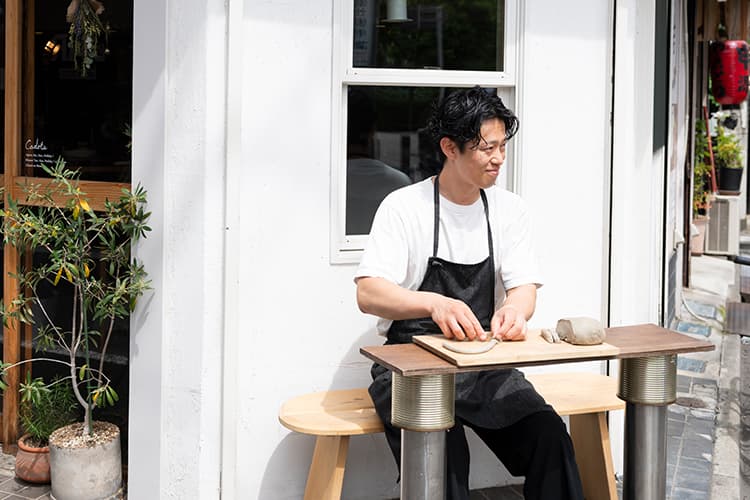
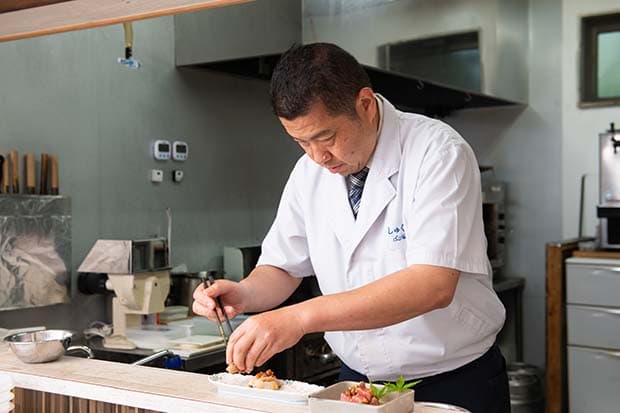
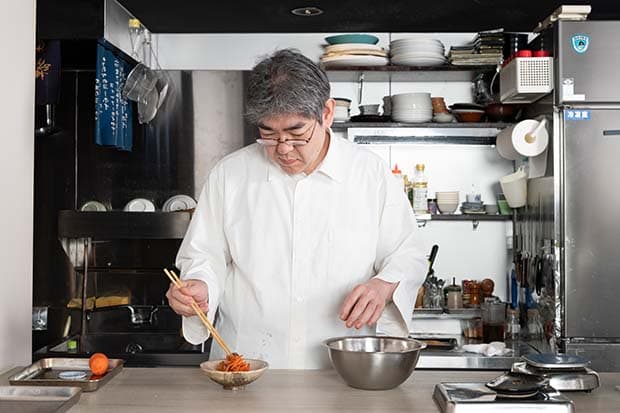
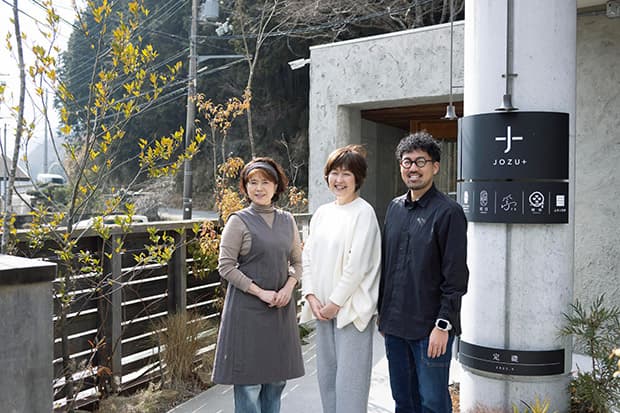
Arai preparing his homemade pasta in front of his restaurant. “Shaping pasta outdoors is also a Puglia tradition. Even in historic town centers in Puglia, you’ll see older women out making orecchiette, a type of pasta shaped like earlobes.”
Most of the vegetables used at Cadota currently come from Ome Farm in Ome, Tokyo, and Yokota Nojo in Ogawa, Saitama. Rather than specifying exact items or quantities, Arai has the farms send whatever is harvested from the fields that season. He then puts together his menu based on the ingredients he receives.
“I think at most typical restaurants, they decide what dishes they want to make and then order the necessary ingredients. But I want to see what the producers send me and then figure out what to cook. Ideally, I hope to cook in a way where the producers take the lead.”
Preserving the fields is also a part of cooking
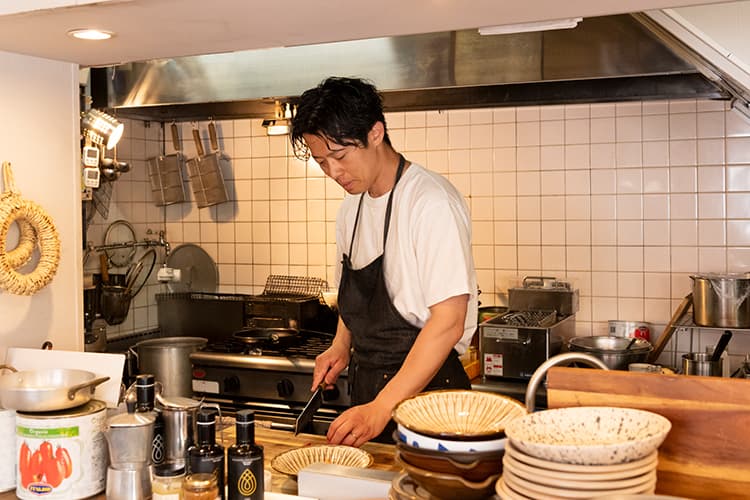
Arai, who pays attention to the places where his ingredients are produced, grows figs on his family’s farm in Saitama. He has contemplated what he will do with the fields when he eventually inherits the land and how he will pass it on to the next generation. This line of thought prompted him to start growing white figs, which can be used in a wide range of dishes and desserts and which have promise as a commercial crop as well.
“I believe the healthy continuation of farming is another vital part of cooking. I want to make my white fig orchard a place that will be passed down to our next generation of children.”
When you actually grow your own crops, you come to realize that the uniformly sized fruits and vegetables lined up on store shelves aren’t the only produce available. Arai carefully assesses the condition of each individual fruit and vegetable, whether it is uniform in size or shape or not, and decides how best to use it in his cooking. For him, raising crops and cooking are two inseparable halves of a single process.
Fermented ingredients are the foundation of cooking
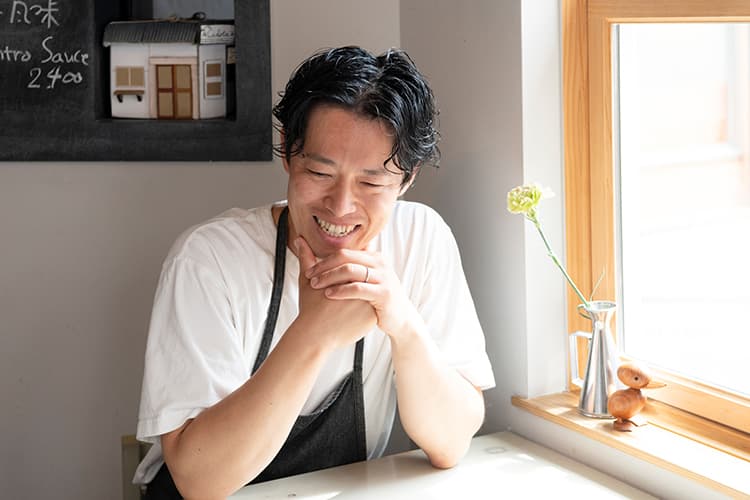
The vegetables and fish delivered to Cadota are transformed into dishes that showcase their natural flavors while they’re still fresh. Anything left over is salted or fermented and used in future dishes.
The flavors from seasonal ingredients delivered directly from the fields unfold at a different pace than those from ingredients that have undergone fermentation or aging. Arai explains.
“Consider a fresh tomato, for example. Its fresh, green aroma and sweetness burst open the moment you put it in your mouth, right? On the other hand, you have the fermented umami from ingredients like anchovies or fish sauce. This has an aftertaste that lingers at the back of your tongue even after the initial flavor has subsided. If I were to compare it to a band, I think fermented ingredients play the role of the bass.”
In Arai’s cooking, fermented ingredients don’t come to the forefront and assert themselves; instead, they provide a solid foundation for the entire dish. They enhance the innate flavors of fresh ingredients while lending depth and a long-lasting reverberation to the dish.
Just the tiniest amount, just where it is needed. That single spoonful of fermentation goodness quietly adds depth to seasonal ingredients.
Our baton passes next to Chef Nakamura Toshiya of aeru, a highly acclaimed French restaurant in Mejiro, Tokyo. Be sure to watch this space!