Pasta Madre and Wood-Fired Bread: The Secret of Big Loaves
Apr 02,2026
The taste of bread is determined by the fermentation and baking conditions. In particular, the size of a loaf is a crucial factor that influences its flavor. Baking bread in large loaves allows the bread to remain moist inside while bringing out its inherent wheat taste as well as the layered umami flavor and sourness that fermentation produces.
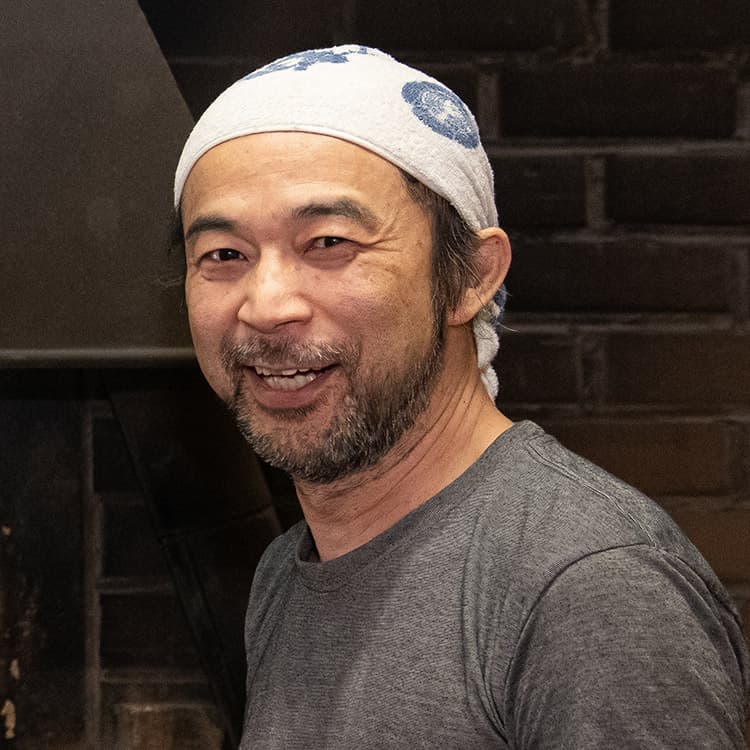
In this ongoing series, we ask food professionals for their top recommended fermented foods. Our guest for this 28th installment is Sumiya Satoshi, who runs Forno a Legna Panezza, a bakery in rural Ishioka, Ibaraki.
Sumiya describes the essence of his breadmaking centered around pasta madre [literally, mother dough], a traditional Italian sourdough starter. He also shares the appeal of bread that you can fit into your daily life, including recipes for focaccia pizza you can make easily in a toaster oven and tips for re-baking to restore moisture to old bread.
Massive hardy loaves baked in a wood-fired oven
“The bigger you bake them, the better the loaves taste.”
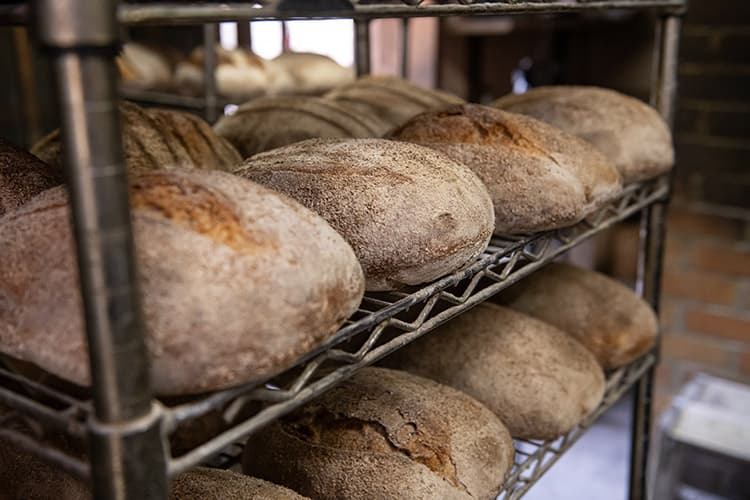
Sumiya bakes loaves that are truly substantial in size. Their hearty, robust appearance and flavor that deepens with every chew have earned the trust of professional chefs.
The dense bread is quite the workout for your jaw, requiring you to chew each bite thoroughly. The payoff is the powerful, concentrated flavor of the wheat, along with the deep umami and subtle sourness from the fermentation, that blooms in your mouth. And before you know it, the wine in your glass is gone. Given this hallmark of Sumiya’s bread, some chefs go so far as to describe it as bread made for drinking.
“Miso soup with pork tastes better when made in a large pot, and wine tastes better from a magnum bottle. The same holds for bread: It’s way more delicious when baked as a single large loaf. Even when made with the same dough, larger loaves have a completely different flavor.”
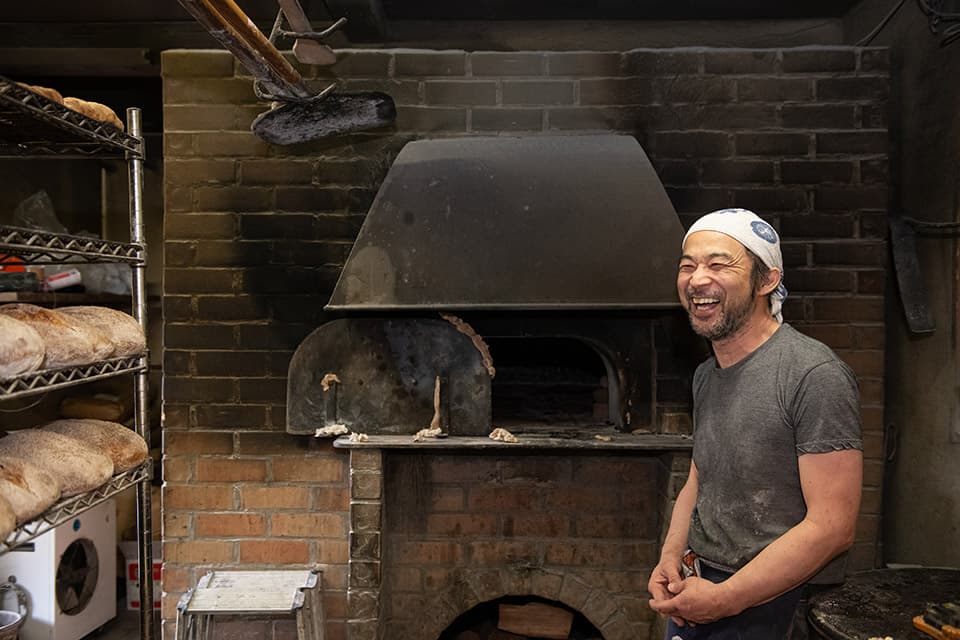
Backing up his assertion is a large wood-fired oven that Sumiya helped design from the ground up. He constructed the oven in collaboration with craftsmen who normally build pottery kilns in Mashiko, a town in Tochigi known for its Mashiko-yaki pottery. The most distinctive feature of the oven is its outstanding heat retention. Wood is first burned to heat up the bricks and then the bread is slowly baked with the residual heat from the bricks. To bake large loaves all the way through to the center, the heat must be kept uniform throughout the baking time.
Thanks to this wood-fired oven and its excellent heat retention, Sumiya was able to develop his huge loaves that feature a crisp, hard crust and a dense interior that remains moist.
Pasta madre is what gives bread its life force
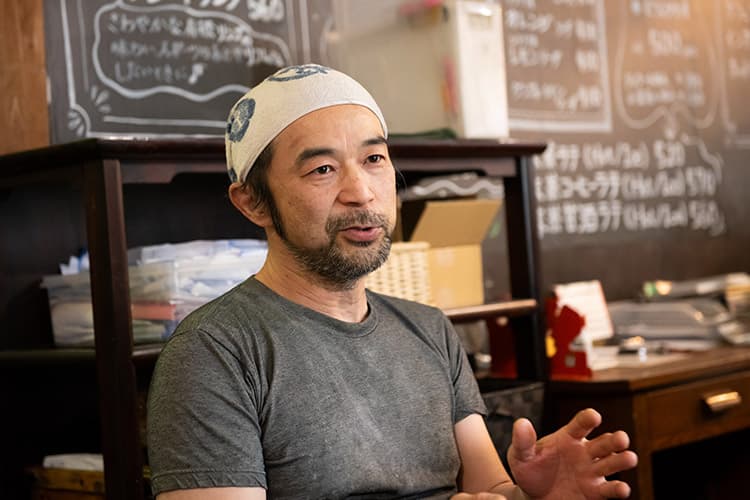
Sumiya’s breadmaking roots stretch back to Genzano in central Italy. In fact, his current wood-fired oven was modeled after a traditional oven he saw in Genzano.
“Genzano is a town of bread. People come for the bread from as far away as Rome, which is about an hour’s drive away. During peak season, both the wood-fired ovens and the bakers work flat-out. We used to bake bread seven or eight times a day in a large wood-fired oven that could handle 80 kilograms of dough at a time. It’s no surprise though, as bread is the staple food in Italy that no dining table is without.”
What Sumiya inherited from Genzano was pasta madre, which is the very foundation — the very lifeforce — of Italian bread. The plump, soft mass, resembling risen dough itself, is made by kneading flour and water and allowing it to ferment naturally.
“You add about 500 grams of water for every kilogram of flour, knead it, and leave it to rest in a warm place. Then, after four or five days, the pasta madre starts to bubble and rise. You nurture it over one to two weeks, regularly shaving off the outer skin, until it is finally ready to use as a starter.”
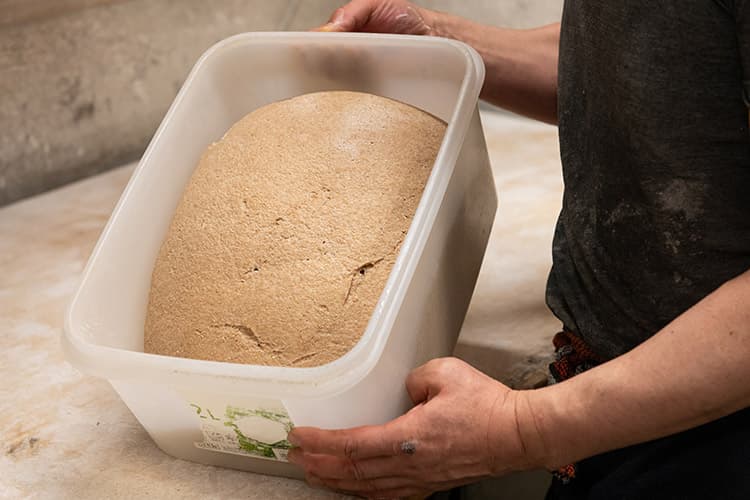
Sumiya’s pasta madre has been nurtured for over a decade by continuously adding flour and water. He takes the portion he needs to make dough from here.
“This yeast for bread is like dashi stock used in cooking. It’s the foundation for everything — the aroma, the taste, and the leavening power. It makes up about 35 percent of the total bread dough. We use a bit more in winter and a bit less in summer, since the yeast is more active then.”
Breadmaking is about taking time and waiting for nature to take its course. The yeast quietly breathes within the dough. The fact that the progress of the fermentation and the taste vary with the seasons is precisely because they are created by living microorganisms.
“I never try to create the same taste throughout the year,” Sumiya claims. His approach to breadmaking — never forcing anything — seems to seep into every word he speaks.
Enjoying an unassuming focaccia pizza, a byproduct of the wood-fired oven
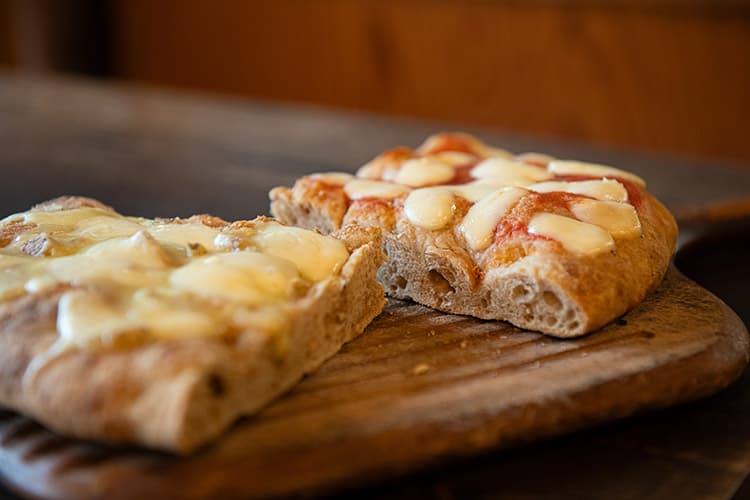
One of Panezza’s more popular items is focaccia flatbread. Their focaccia is apparently a kind of byproduct from baking bread in the bakery’s wood-fired oven.
“When baking bread in the wood-fired oven, we stoke the fire and raise the temperature to around 400°C. Since the wood fire heats from below, the oven floor inevitably heats up more than its surroundings. If you put the bread in right away, the bottom tends to burn. This is why we bake the flat focaccia first. The focaccia dissipates just enough of the heat from the oven floor, ensuring that the bread baked afterward browns evenly.”
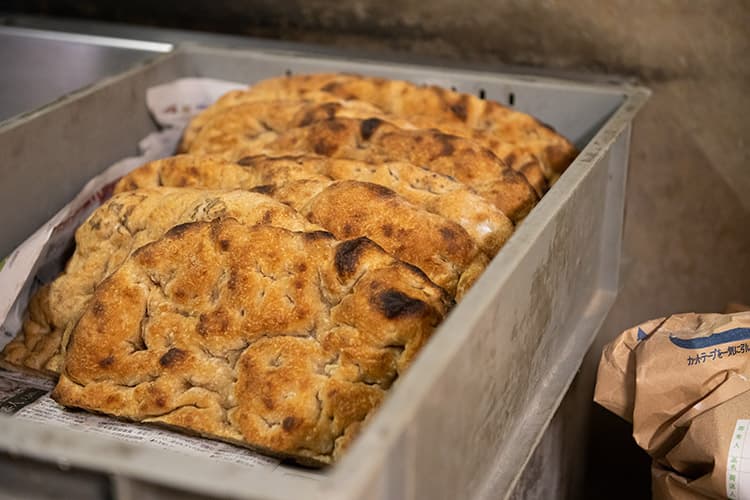
Focaccia baked with olive oil kneaded into the dough
Sumiya’s choice fermented food is a simple pizza made by topping homemade focaccia with cheese and tomatoes. Simply place your favorite toppings on the focaccia and warm it in a toaster oven, and it’s ready to eat.
-
- [Ingredients] (for a single-person serving)
- ●Quattro Formaggi style
- FocacciaHalf a slice
- Your favorite cheesesAs needed (Use three or four varieties, such as gorgonzola, mozzarella, camembert, and pizza-topping cheese)
-
- [Directions]
- Top the focaccia with small pieces of cheese and bake in a toaster oven at 250°C for about 4 minutes and 30 seconds.
-
- [Ingredients](for a single-person serving)
- ●Margherita style
- FocacciaHalf a slice
- Tomato sauce*As needed *Use canned tomatoes strained and mixed with a pinch of salt.
- Mozzarella cheeseAs needed
-
- [Directions]
- Spread the tomato sauce on the focaccia, top with small pieces of cheese, and bake in a toaster oven at 250°C for about 4 minutes and 30 seconds.
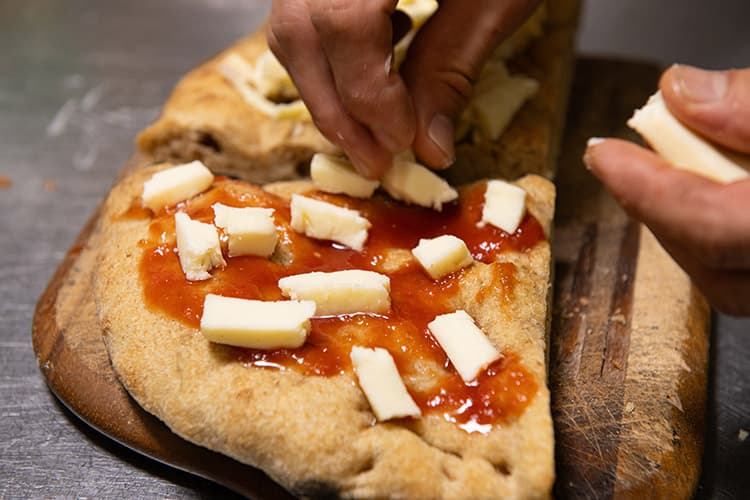
Use strained canned tomatoes seasoned with a pinch of salt as a substitute for tomato sauce. “You don’t need to simmer it down. Just go ahead and use it,” says Sumiya.
“Even though it’s called Quattro Formaggi [four cheeses], you can get away with just three varieties. And it’s fine to top it with ham or anchovies. In Genzano, where I trained, a classic snack for kids is focaccia stuffed with mortadella, a type of cured and cooked pork. I hope people will savor these recipes with that same relaxed spirit.”
There’s no need to be stuffy about bread, since it’s a staple eaten basically every day.
“If you have leftover bread, just spray it lightly with water, wrap it in aluminum foil, and steam it to restore its moistness. If you prefer a crispy texture, you can simply toast it and dip it in soup. There are no rules: Feel free to do whatever you like with bread.”
The vast history of bread and what lies ahead
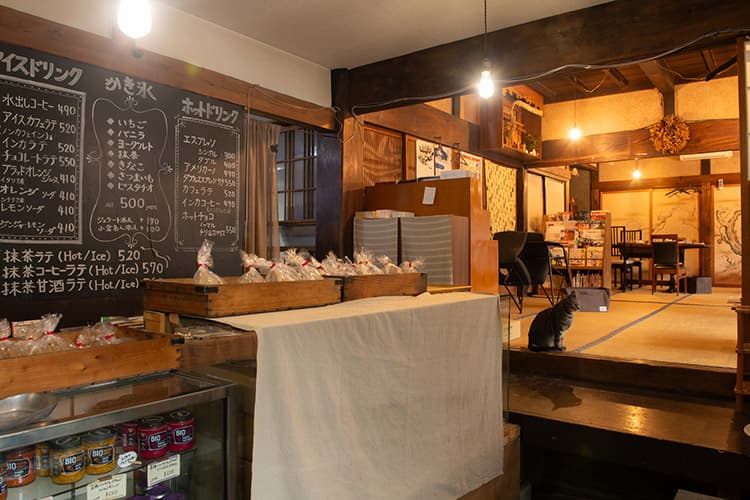
A café space created in a renovated 100-year-old traditional Japanese house
When he first went to Italy, Sumiya says, “I was thinking I might open a spaghetti restaurant when I got back to Japan.” However, his course veered dramatically after encountering the bread and culture there. Captivated by Italian culture and Italian bread, he now runs a bakery in a traditional house nestled in the countryside.
“I don’t feel like I’m making my own version of Italian bread. Although I am a person who makes Italian bread, it can never be ‘Italian bread by Sumiya Satoshi’. I never come before the bread. A few years ago, there was a news report that remnants of bread dating back 14,400 years had been found in Jordan. Faced with something as profound and ancient as bread, there’s only so much a person can truly comprehend in a single lifetime. And this is what motivates me to understand the essence of bread, keep learning, and engage with it. I feel I’ve discovered something that’s fascinating enough to occupy me for a lifetime.”
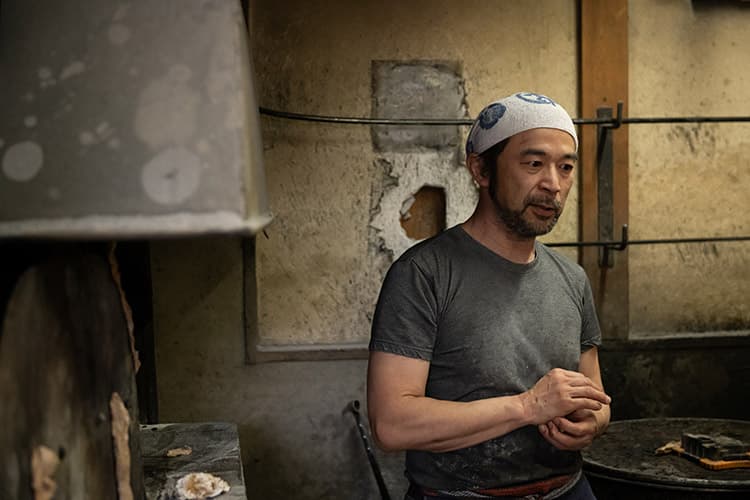
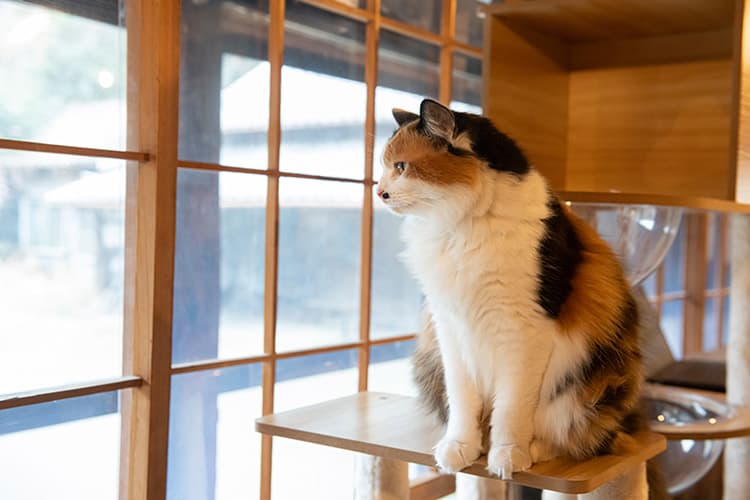
Sumiya, who is dedicated to every aspect of breadmaking, is not alone in his bakery. He shares the space with three free-spirited cat “assistants”. Apparently, many customers come to the bakery specifically to see the three cats dozing off each in their own way.
“I used to be a dog person, but once I started living with cats, I turned into a cat person. I could survive without baking bread, but I might not be able to live without my cats. [laughs]”
Taking time to nurture things and embracing changes as they come. Sumiya’s attitude carries through to the atmosphere of the bakery, where cats can relax at their own leisure.
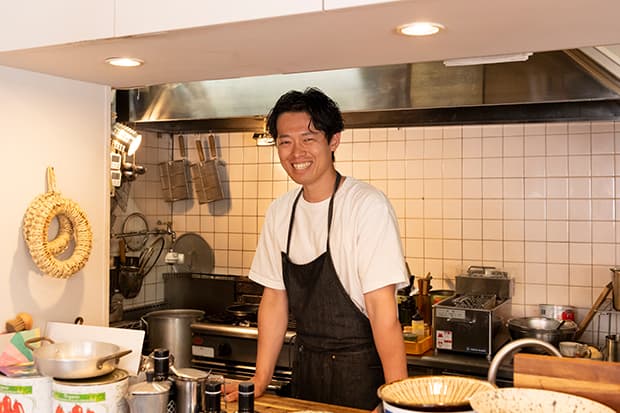
In our next installment, we’ll pass the baton to Ezawa Masatoshi of 29Rotie. Stay tuned!