Turning your daily cup of coffee into an extraordinary experience
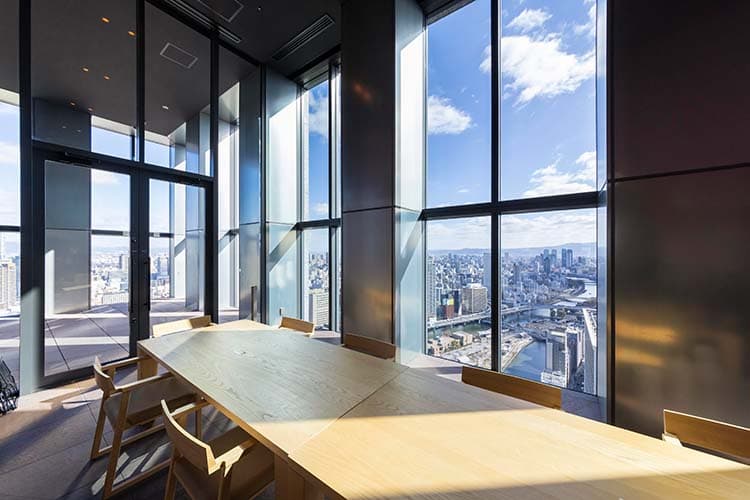
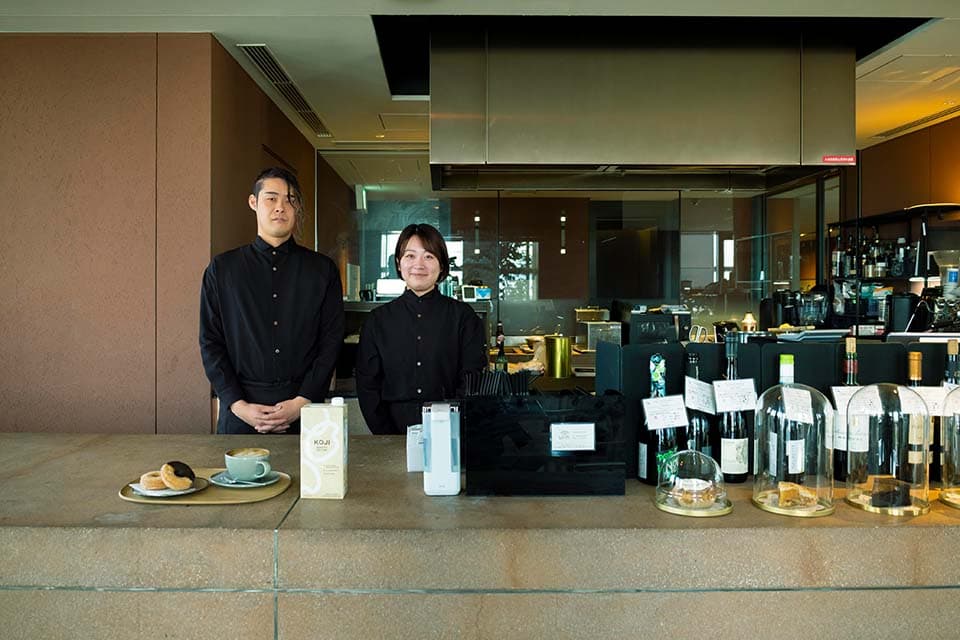
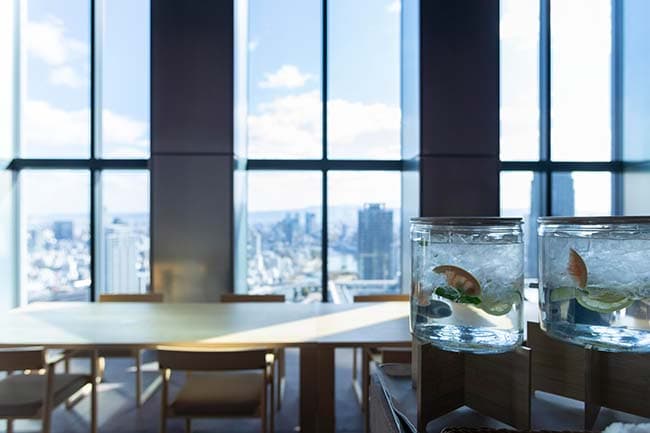
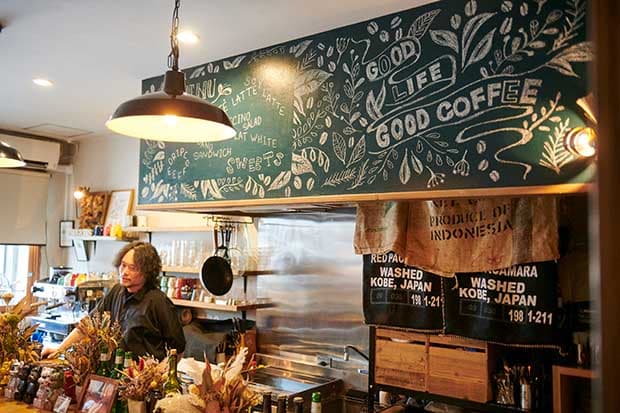
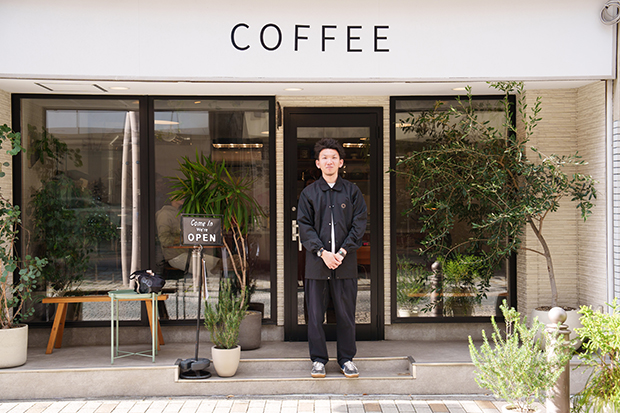
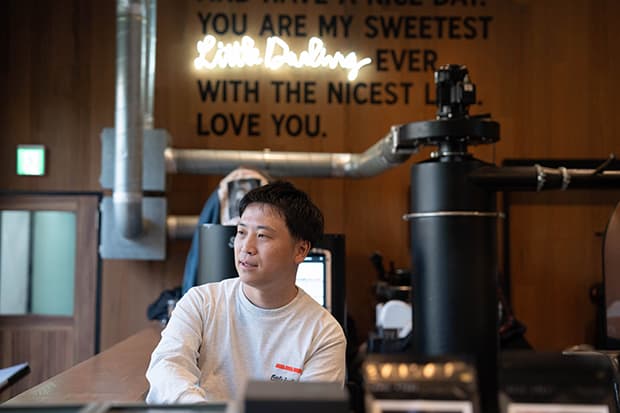
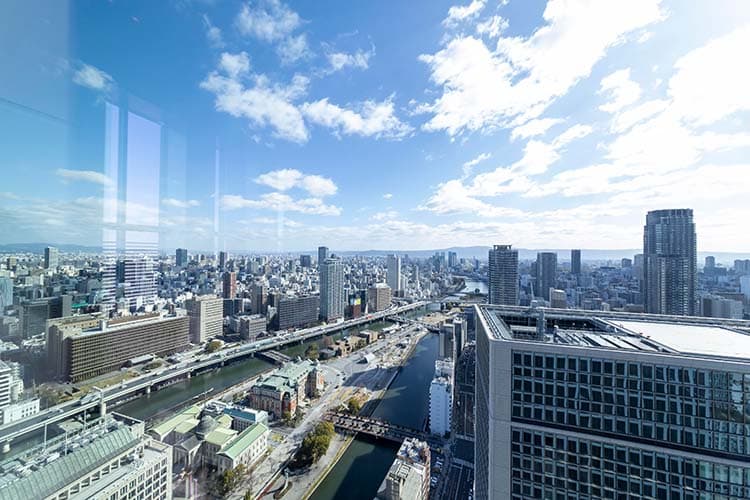
Yodoyabashi Sky Terrace Café & Bar inhabits a sleek, sophisticated space. Since it is on the building’s observation floor, the café provides panoramic views of downtown Osaka that change on every visit, whether daytime, dusk, or night. Yamamoto Ryotaro, the café’s manager and head barista, says he wants guests to enjoy a leisurely time here while savoring the carefully crafted light meals and coffee.
“The concept of our café, in a word, is experiencing the extraordinary during an ordinary day. Admission to the observation floor is free, and we hope it will serve as a place for people to connect with and discover various cultures and cuisines — not just at our café, but also at the gallery and restaurants located on the same floor.”
The café is set in a prime location with views of Osaka’s landmarks: Umeda and Nakanoshima to the north, Osaka Castle to the east, and the Nanko Bay Area to the west. Against this stunning backdrop, you can enjoy coffee made with meticulous attention to bean roasting and flavor.
“Coffee is something we drink every day. When I was younger, I didn’t care if it was canned coffee or coffee-shop coffee — anything would do. But one day, someone recommended a specialty coffee to me and when I tried it, I was blown away. From then on, I started brewing my own coffee, and I became especially finicky about coffee beans. That extraordinary experience became part of my daily life. At Yodoyabashi Sky Terrace Café & Bar, we take the extra effort to serve coffee made with carefully selected beans, because we want to give our guests that same kind of extraordinary experience. It would be a thrill if, by coming here, people realized just how many kinds of coffee beans there are.”
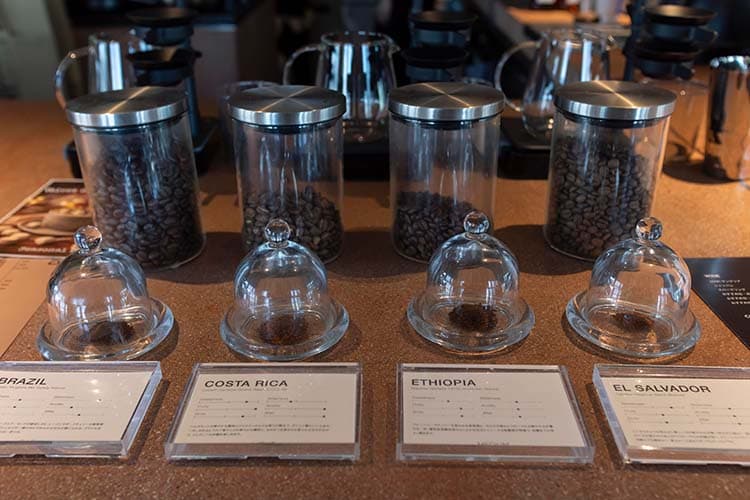
The café purchases its beans from Terra Coffee Roasters, a specialty coffee roaster in Esaka, Osaka. The shop boasts a wide array of roasted beans, from traditional dark roasts to fruity light roasts.
“I personally favor the deep, bitter, and robust coffees that you only find at old-school coffee shops. So we’ve centered our selections on coffees that reassure lovers of that classic coffee-shop flavor with its distinctive bitterness and richness.”
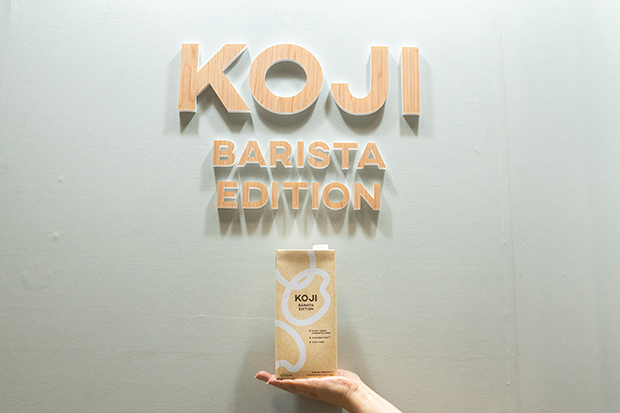
I wasn’t a fan of plant-based milks until I stumbled upon Koji Barista Edition: The taste of this fermentation-derived milk floored me
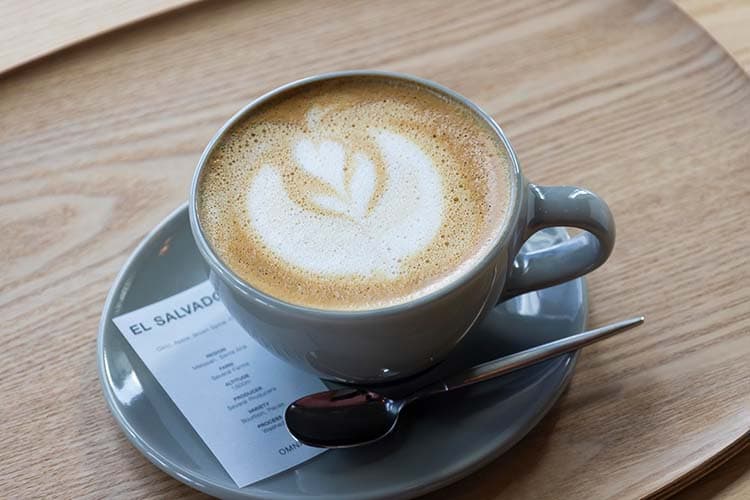
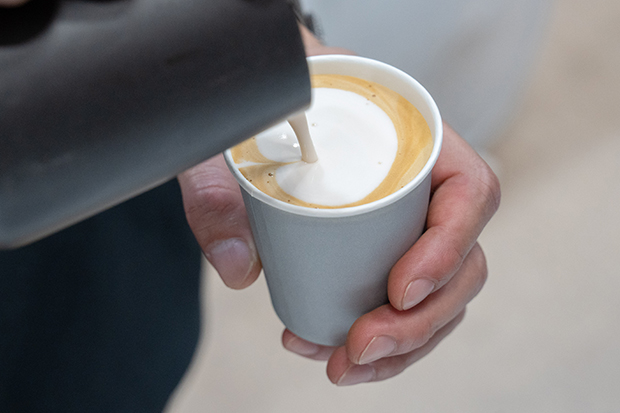
A café latte (630 yen) topped with rice koji milk (200 yen). Medium-roasted beans were used to match the coffee and milk’s flavors.
Yodoyabashi Sky Terrace Café & Bar has an extensive menu of coffee-based drinks, ranging from pour-over coffees to café lattes, mocha noisettes, and batch brew coffees. You can also enjoy many toppings, such as vanilla ice cream or coconut syrup. But the real highlight is the milk used in the lattes. Koji Barista Edition, a fermented plant-based milk made from rice koji, is a popular choice.
“There are plenty of plant-based milks available, like soy, almond, and oat milk, but I’m not really a fan of them. I couldn’t drink store-bought oat milk because the gritty texture and the grainy taste bothered me, and soy and almond milk made my skin itch. But since I run a café, I know there’s definitely a demand among guests for plant-based milks. But I wanted to offer something I actually thought tasted good. That’s when I came across Koji Barista Edition.”
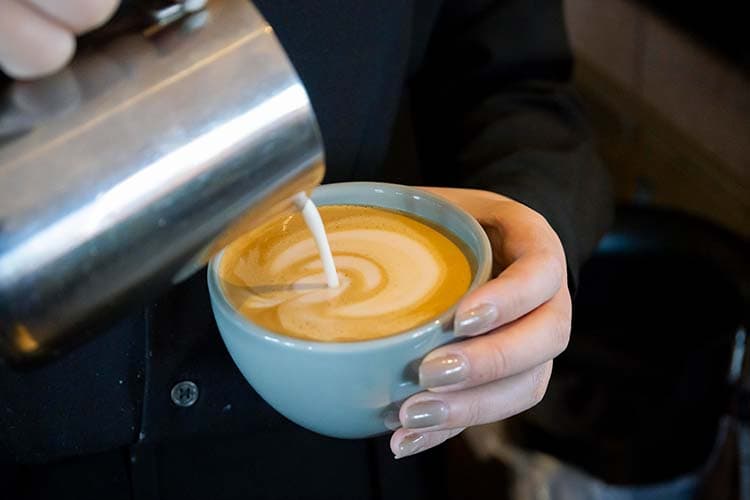
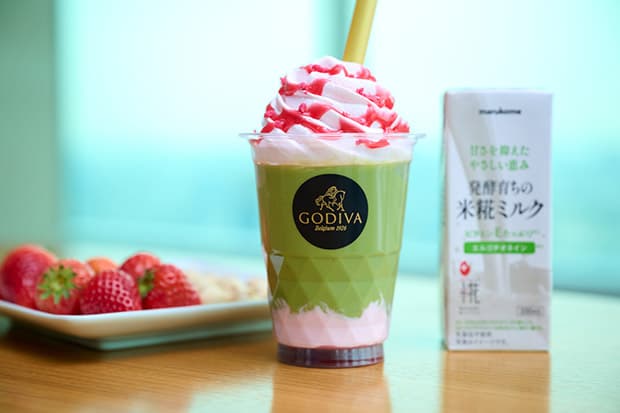
Koji Barista Edition is an allergen-free plant-based milk that emphasizes the natural sweetness of rice koji. It has no aftertaste and doesn’t interfere with the flavor of the coffee, so it makes a delicious latte even without sugar or syrup.
“You can really sense the sweetness. Because its main ingredient is rice koji, which is made from rice, its taste likely feels familiar to Japanese people. Plus, it’s named the Barista Edition for a reason: It pairs exceptionally well with lattes. It’s generally difficult to make great latte art when you use plant-based milks, but Koji Barista Edition is almost indistinguishable from cow’s milk in this regard. It produces a nice, firm foam and is very easy to work with. The flavor has a natural sweetness that doesn’t overpower the coffee, yet it stands on its own. It’s also great that you can handle it when heated exactly like cow’s milk.”
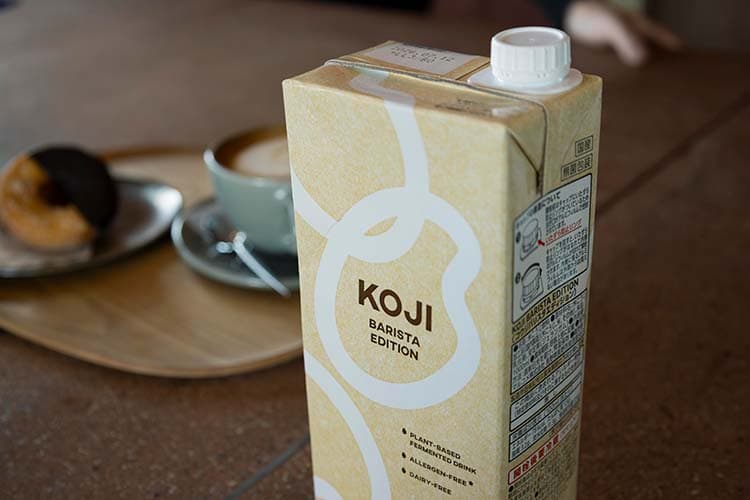
Yamamoto was truly impressed by the taste of Koji Barista Edition. He says that after he included it on the menu, guests reacted with similar surprise.
“Many people are not familiar with Koji Barista Edition and discover its taste for the first time here. At the same time, people seem inclined to try things made with rice or rice koji. After I explain what it is, many people end up ordering it. They are surprised at how sweet it is, even asking if I had put syrup in the drink. Its mellow aroma stands out in hot drinks, while it blends in naturally in iced drinks. Guests enjoy it because it has nearly the same mouthfeel as cow’s milk.”
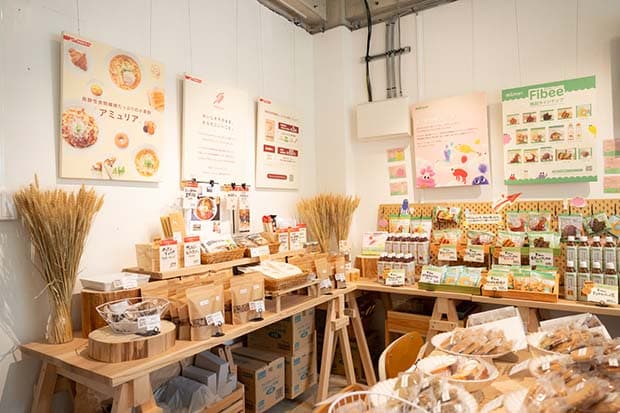
Koji Barista Edition is a plant-based milk developed for commercial use. Yamamoto first found out about it at a general food exhibition he visited before the café opened.
“When I found it at the Marukome booth, I didn’t think it was being sold by Marukome, a miso manufacturer. But when I looked closely, I realized that rice koji is used in miso. [laughs] I was familiar with fermented foods from my previous workplace, like adding miso to tomato sauce or using fish sauce. But I’d had very few chances to use rice koji, so I was surprised to learn it could be used to make milk. It still might not be widely known yet, but I hope more people become aware of it. I think the sweetness inherent to rice koji is something Japanese people will find familiar.”
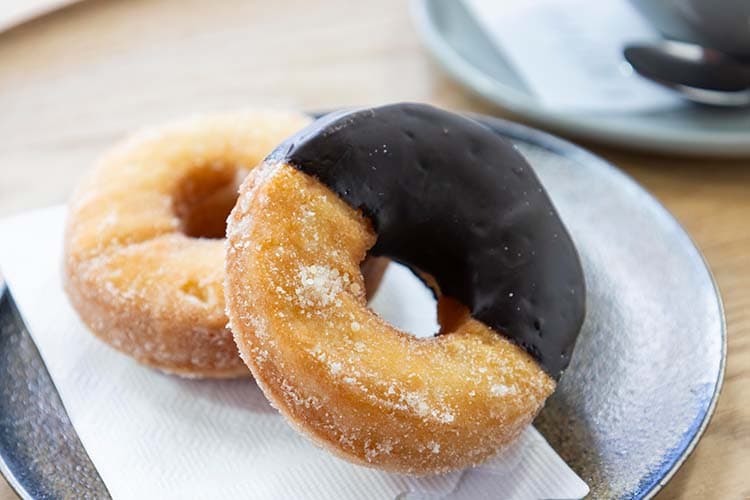
The Donuts for Adults (starting from 220 yen) are highly recommended. Made with beet sugar, almond powder, and rum, you can enjoy their mild sweetness with aromatic coffee.
Yodoyabashi Sky Terrace Café & Bar serves donuts, cakes, and other sweets, as well as soups supervised by a chef from a Michelin three-star restaurant, along with its specialty coffees. It’s the perfect place to linger and relax while taking in the spectacular view.
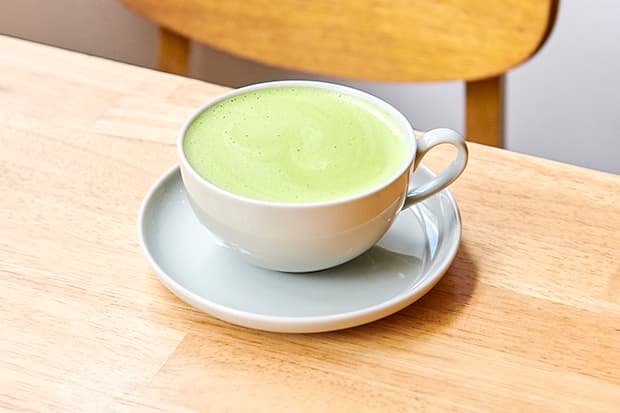
“Lattes made with Koji Barista Edition go well with donuts and other sweets, but I’ve recently noticed it also goes well with matcha lattes. Soy milk can sometimes have a strong, overpowering flavor, but Koji Barista Edition has no harsh aftertaste and blends in naturally. It’s delicious in chocolate-based drinks and works well as an alternative to cow’s milk. Since the café is quite new, I naturally want people to experience the taste of Yodoyabashi Sky Terrace Café & Bar coffee. At the same time, I want to explore the many possibilities of Koji Barista Edition.”