Stir Fried Fermented Chili for Beginners
Jun 12,2025
In this ongoing series, we ask food professionals for their top recommended fermented foods. Receiving the baton for this 18th installment is culinary expert Mihara Hiroko. A self-proclaimed foodie, Mihara excels at flexibly incorporating delicious flavors she encounters worldwide, adapting them into easy-to-make, easy-to-eat dishes. Unsurprisingly, flavors produced through fermentation are also essential to Mihara’s cooking. For this article, she shared her fermented chili peppers that feature a mild spiciness and plenty of umami flavor. And you must try her invigorating stir-fry recipe where fermented chili peppers play a starring role.
The revitalizing power of fermentation foods was a revelation while making midsummer funa-zushi

“My cooking isn’t about sticking to rigid distinctions between Japanese, Chinese, or French cuisine. Instead, I just mix things I feel are delicious together and adapt them in a way that’s easiest for me.”
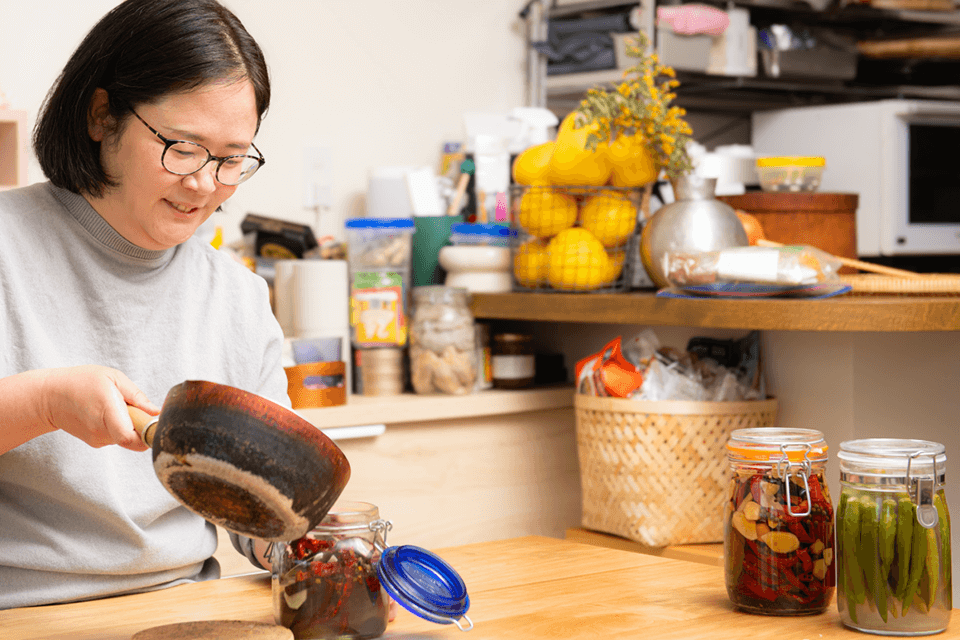
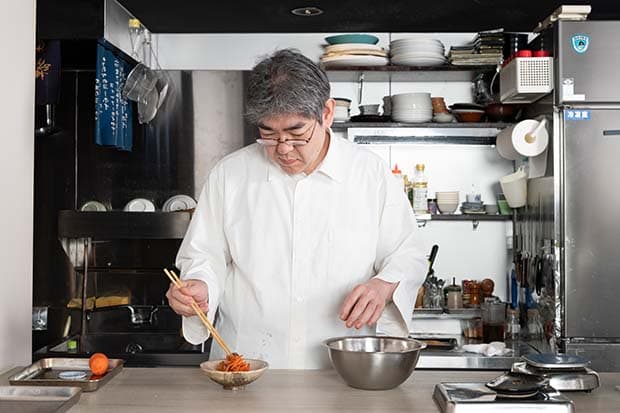
Mihara speaks with a gentle smile. She makes a wide range of fermented foods herself and incorporates them into her regular cooking.
“Fermented foods have this power that restores and revitalizes your body. Over the past ten years or so, I’ve been learning how to make funa-zushi [fermented crucian carp] with some friends. One year, during the hottest part of summer, when we were all exhausted from the work, our instructor cut up some funa-zushi and served it to us. After just one bite, I felt my body instantly perk up, like it had been reset. It was an unforgettable experience, and it made me think how incredible microorganisms are and how amazing food can be. That memorable funa-zushi made by our now-deceased instructor was so special. It had the fragrance of flowers and an indescribably rich umami.”
The flavors fermentation produces not only add depth to dishes but also nourish the mind and body. As she experienced more of the power of fermentation firsthand, Mihara found herself increasingly drawn to fermented foods.
How to make fermented chili peppers that have just the right balance of spiciness and umami
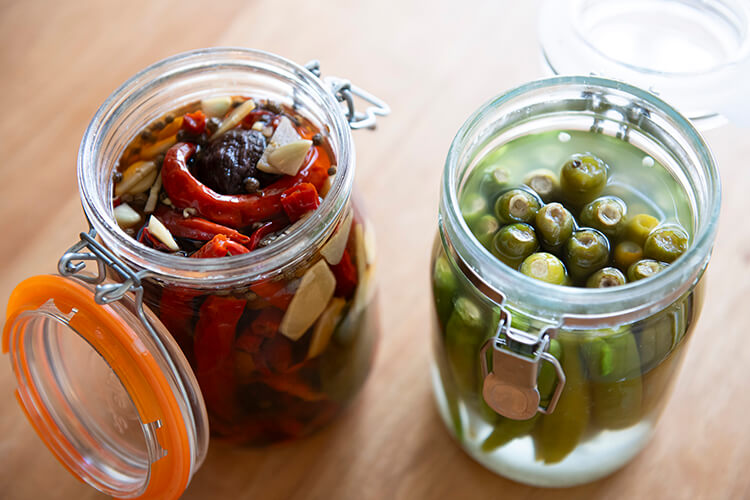
One fermented food Mihara absolutely must have on hand year-round is her fermented chili peppers.
“I first discovered them while traveling in China, after which I started making my own. The lactic acid fermentation develops a flavor that has the perfect balance of umami and acidity, rather than a direct, tongue-tingling spiciness. I chop them up and use them, along with their pickling liquid, in stir-fries, soups, and many other dishes.”
-
- [Directions]
- 1. Remove the stems from the chili peppers and pierce them in several pieces with a bamboo skewer. Thinly slice the ginger and garlic.
- 2. Bring one liter of water with the salt added to a boil in a pot.
-
3. Place the ingredients from Step 1 and the ingredients listed in [A] in a clean jar. Pour the salt water solution from Step 2 over them while hot. Once the mixture has cooled slightly, add the baijiu. Cover the peppers with plastic wrap to keep them submerged in the pickling liquid and to seal out air, then secure the lid. Allow the mixture to undergo lactic acid fermentation at room temperature (ideally in a warm room between 20 and 30°C; in winter, place the entire jar in lukewarm water to keep warm). Can be stored for about 1 year.
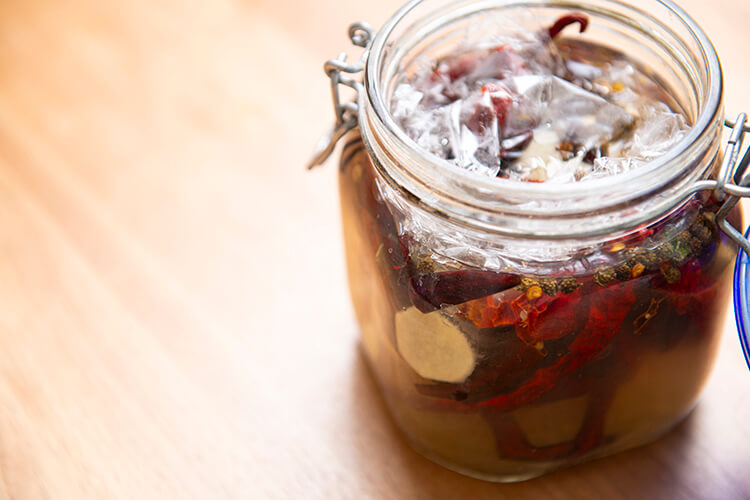
Ensure that the jar is sealed, as exposure to air can cause mold to form. Cover with clean plastic wrap to keep the pieces submerged in the pickling liquid.
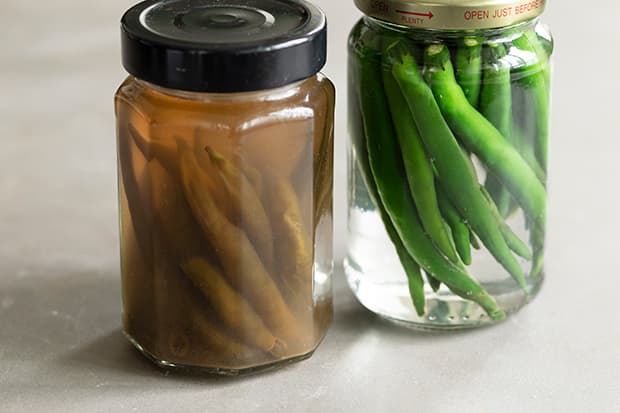
“I’d been making this preserve with fresh red and green chilies for years, but when I tried it with dried chilies, it fermented just as well. The directions are the same whether using fresh or dried peppers. Its spicy aroma helps make this an appetizing all-purpose seasoning. It will keep for about a year, but it’s so delicious, I usually use it up well before then. [laughs] When using green chilies, I pickle them in an eight-percent salt solution without adding spices. They retain their freshness and are so delicious.”
Elevate your stir-fries with fermented chili peppers
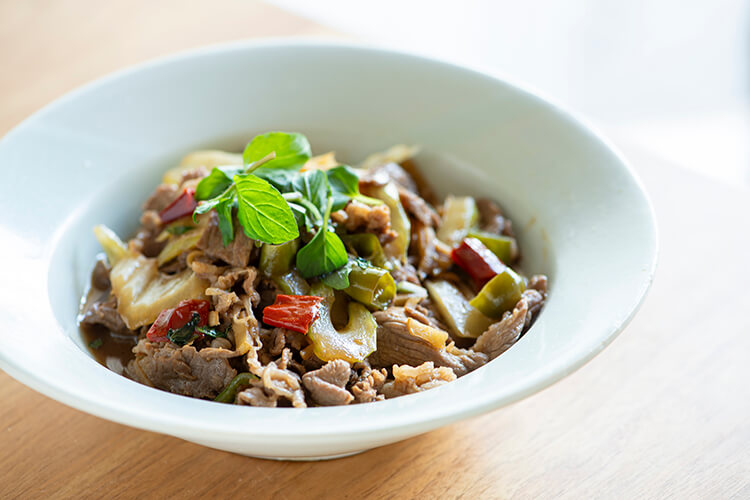
Taking advantage of the fermented chili peppers’ umami lets you achieve immensely rich, authentic flavors with minimal additional seasoning. Their mild spiciness harmonizes gently with aromatic vegetables and herbs like celery and mint.
Beef and celery stir-fry with fermented chili peppers
-
- [Ingredients](for a two or three-person serving)
- Beef150 grams
- Potato starchHalf a tablespoon
- Celery100 grams
- Fermented chili peppersFour
- GarlicOne clove
- GingerOne piece
- MintA handful
- [A]
- SakéOne tablespoon
- Pickling liquid from the fermented chili peppersHalf a tablespoon
- Soy sauceHalf a tablespoon
- Fish sauceHalf a tablespoon
- Sugar One teaspoon
- OilOne tablespoon
-
- [Directions]
- 1. Cut the fermented chili peppers into small bite-sized pieces. Thinly slice the garlic and cut the ginger into thin strips. Diagonally cut the celery into thin pieces. Cut the beef into bite-sized pieces and coat with the potato starch. Roughly chop up the mint.
- 2. Heat the oil in a frying pan. Stir-fry the beef and celery together, then remove from the pan.
-
3. Stir-fry the fermented chili peppers, garlic, and ginger. Once fragrant, return the beef and celery from Step 2 to the pan. Add the ingredients from list [A] and continue to stir-fry. Finally, add the mint and quickly stir-fry everything together. Serve in a bowl.
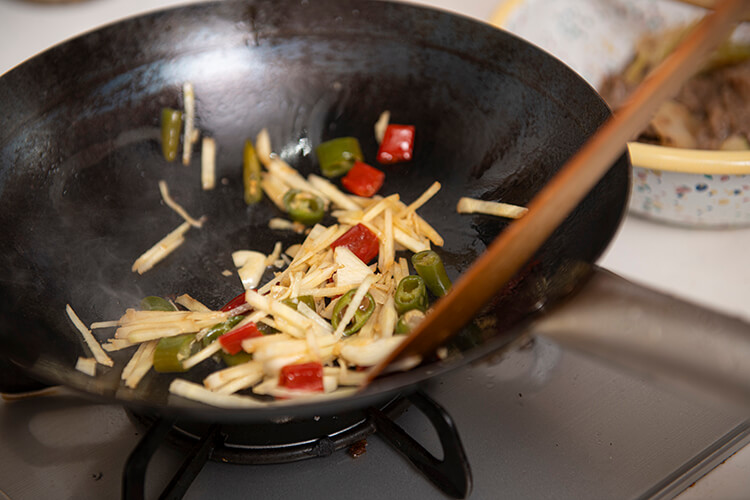
Briefly heating the fermented chili peppers mellow their spiciness and enhance their aroma. Because they are not too spicy, you can enjoy them as toppings or fillings.
This stir-fry has just the right spiciness to whet your appetite. Especially in summer when air-conditioning fatigue sets in, side dishes that warm you from the inside are a lifesaver. This stir-fry is perfect with rice, of course, but it’s also great when tossed with chilled noodles.
Enjoying every delicious morsel of seasonal ingredients without any waste

Fermented foods require time and effort. And sometimes they don’t turn out right or they spoil. Despite these drawbacks, Mihara doesn’t see making fermented foods as a hassle.
“I turn to fermentation any time I receive a lot of seasonal vegetables. Fermentation boosts their umami and extends their shelf life, so I find myself pickling them without even thinking about it. [laughs] It’s also fun for me to try to recreate with Japanese ingredients the flavors I’ve tasted while traveling abroad.”
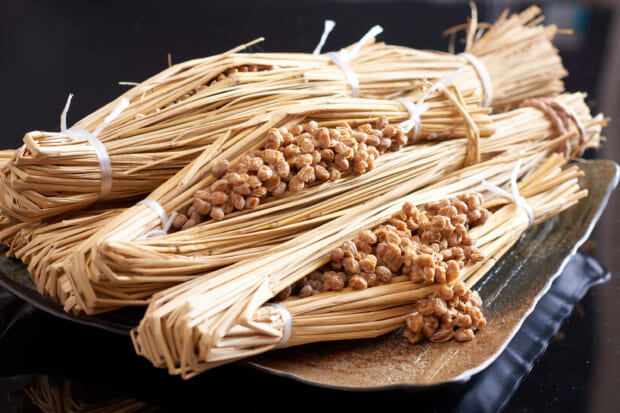
An example of one of her favorites is natto soy-sauce koji malt, inspired by the dried natto [fermented soybeans] eaten in Myanmar and Thailand.
“I slowly dry natto in an oven at around 90 degrees Celsius and then combine it with soy sauce koji. It’s fantastic sprinkled over steamed chicken or vegetables or simply served with rice.”
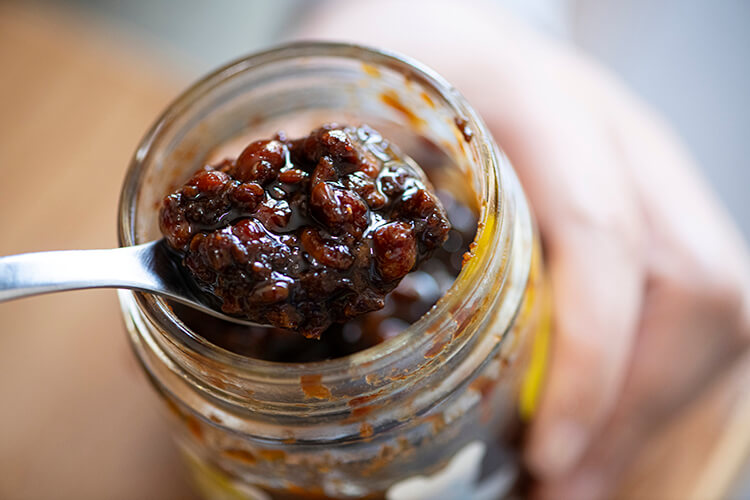
The umami of the natto and koji become highly concentrated
The latest fermented food Mihara successfully recreated is gundruk, a staple of households in Nepal and India. Gundruk is a preserve made by sun-drying lactic acid-fermented leafy greens. When needed, it is rehydrated and used in stir-fries and soups.
“When I washed and dried turnip greens that had been fermented in rice bran, they developed a flavor similar to gundruk. Figuring out how to make something with familiar ingredients is my own way of enjoying fermentation.”
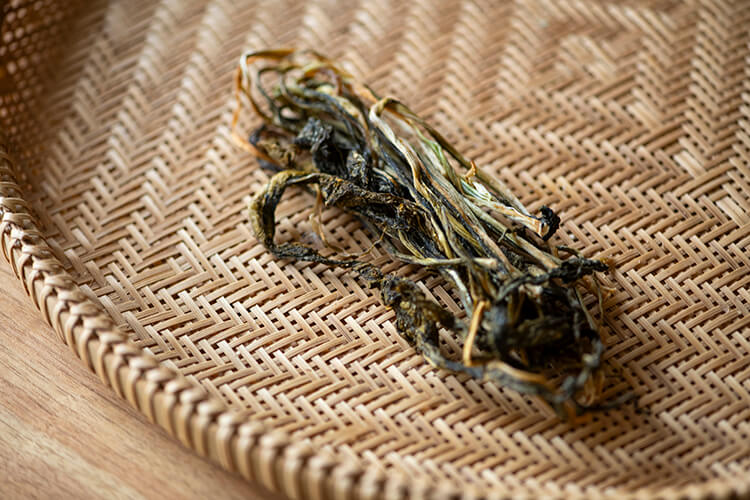
Preserving food with the wisdom of fermentation and drying
Savoring every delicious bit of seasonal ingredients without any waste. Incorporating fermentation into daily life, in dialog with ingredients and the natural processes of microorganisms, following the blueprint of delicious memories. Mihara’s fermentation lifestyle is filled with such careful yet free-spirited enjoyment.
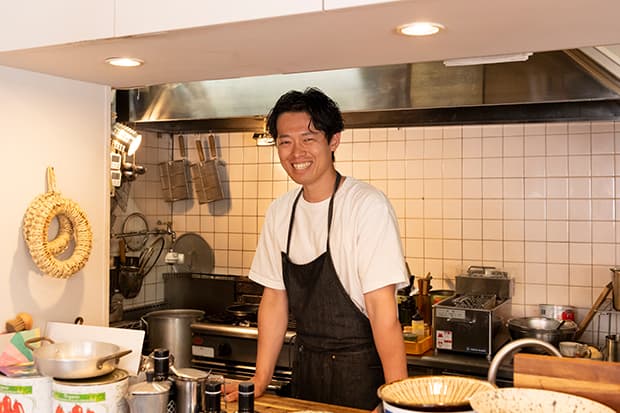
For the next installment, the baton will pass to Matsushima Yutaka, owner and chef of the renowned Matsushima restaurant, which specializes in regional Chinese cuisine. What will Matsushima select as his choice fermented food, being a chef who seeks out the local flavors of China’s ethnic minorities who make extensive use of fermentation? Be sure to stay tuned to find out.