Greek-Style Labneh Salad Made with Strained Yogurt
Sep 11,2025
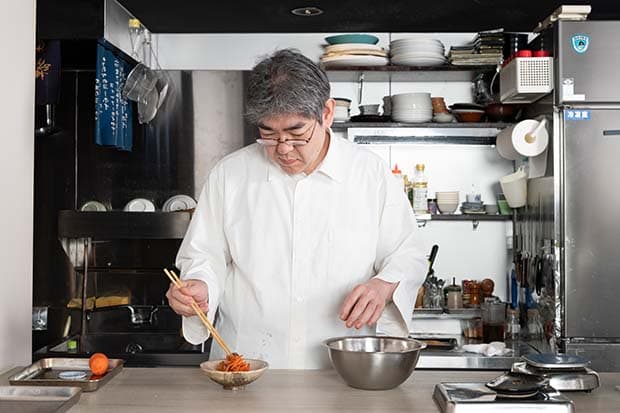
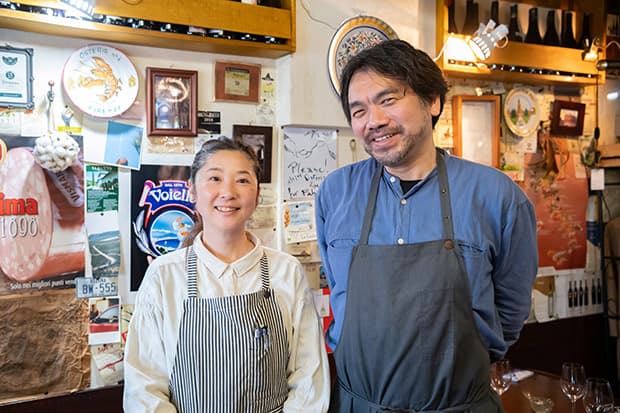
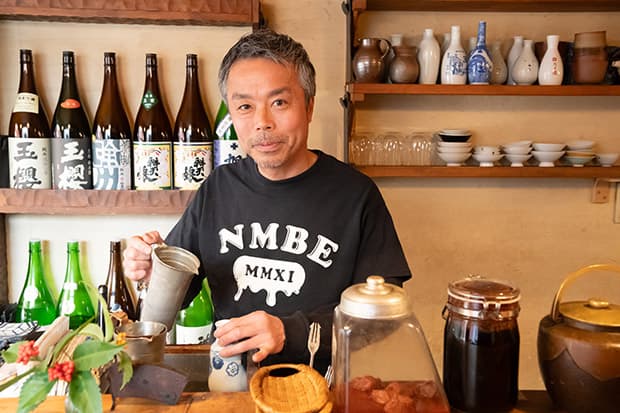
In this ongoing series, we ask food professionals for their top recommended fermented foods. Our guest this time is Maruyama Chihiro, owner of Cherche, a diversified food-centered business that spans restaurant and izakaya pub operations as well as catering, recipe development, and restaurant consulting.
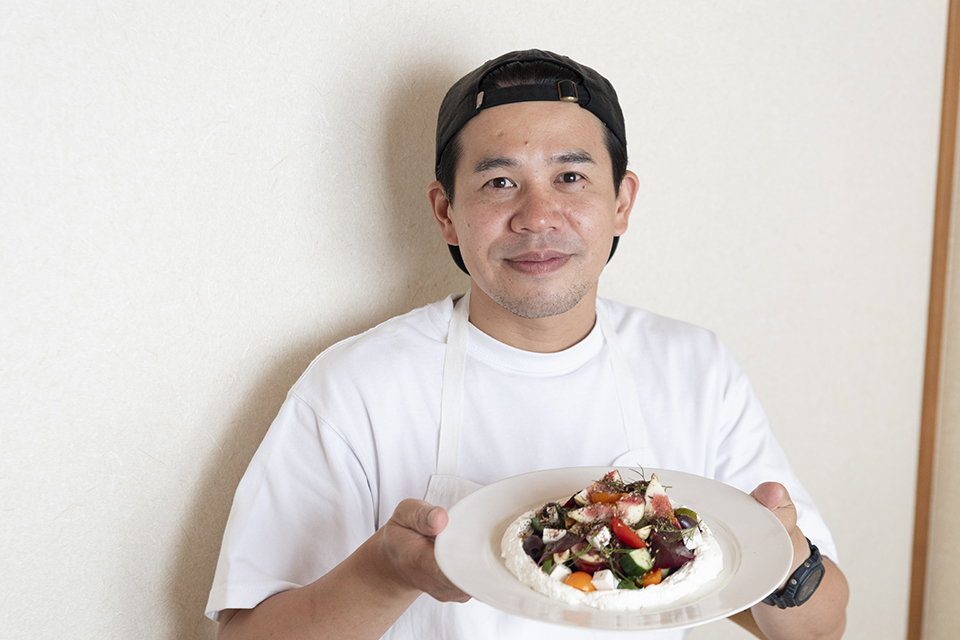
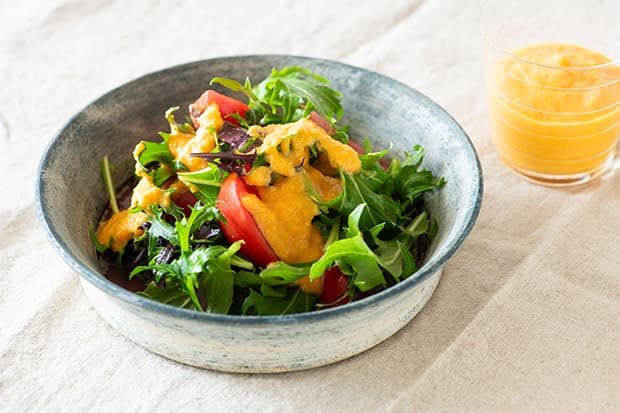
Maruyama’s top fermented food pick is labneh, strained yogurt. Create a moment that nourishes both the body and soul with a gorgeous, eye-catching salad featuring the refreshing flavor of labneh and the vibrant colors of vegetables.
Labneh’s appeal is that all it takes is yogurt
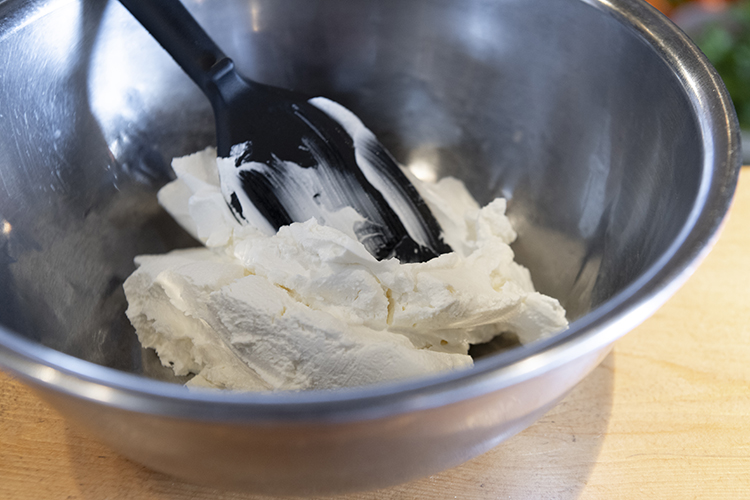
Line a strainer with paper towels, place the yogurt on top, and leave in the refrigerator overnight. The whey will drain out, leaving the yogurt with a cream cheese-like consistency.
Labneh is the name for strained yogurt beloved in the Middle East and Mediterranean regions. Well-strained yogurt takes on an attractive creamy, cheese-like mouthfeel that is both rich in flavor and light in texture.
“You can spread labneh on bread, mix it with olive oil and herbs for a dip, or serve it as an excellent complement to meat or fish. Its rich, yet never-too-heavy flavor is a result of its lactic acid fermentation. Its refreshing sourness will expand your culinary possibilities. Labneh and garlic especially are a perfect match. When you count in its appetizing aroma, labneh transforms simple salads or sautés into satisfying, gourmet dishes.”
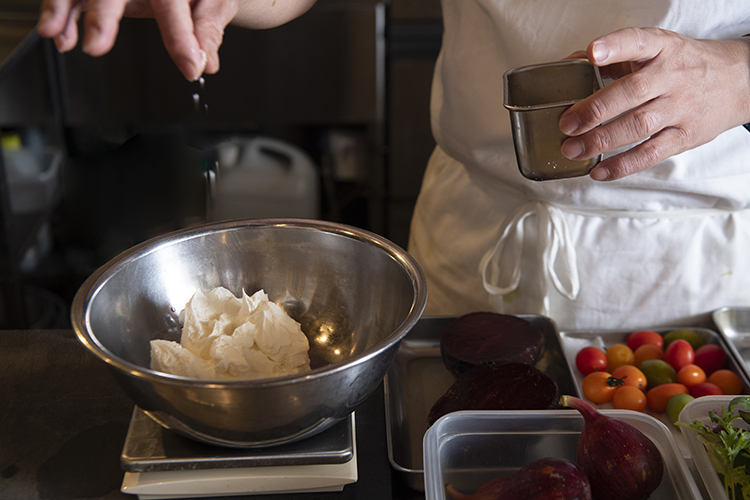
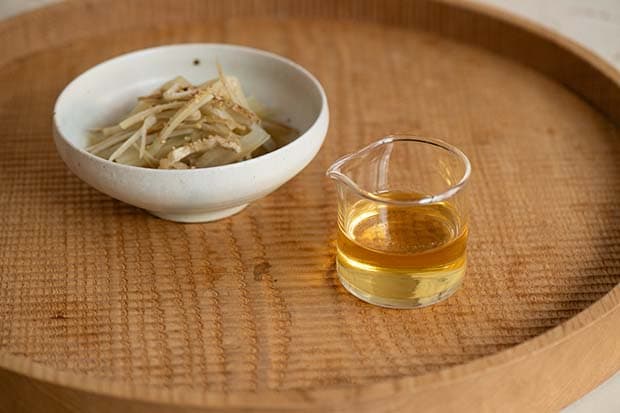
Seasoning strained labneh with salt and sugar
How to make labneh Greek salad
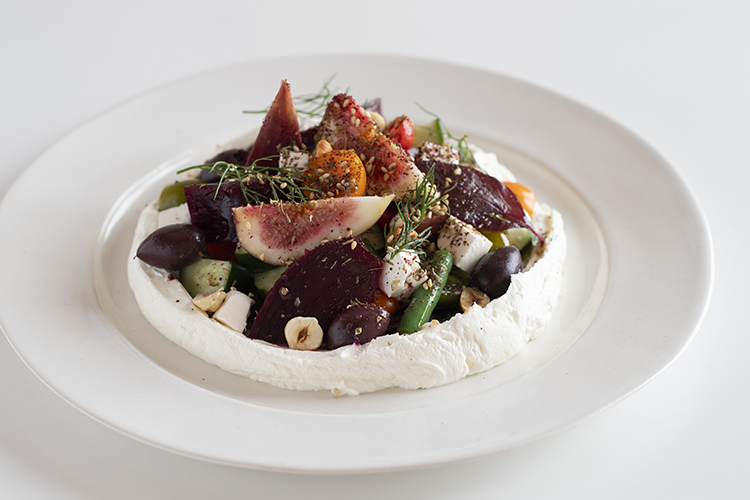
This salad looks as tantalizing as a cake. Maruyama recommends pairing the salad with avocado or smoked salmon. Use your creativity to come up with your own variations.
Why not try elevating your salads with labneh — well-strained yogurt? The inherent sweetness and umami flavor of the vegetables blend exquisitely with labneh’s mellow richness and tang, creating a dish worthy of being a centerpiece. Enjoy arranging it in an eye-catching way to add a vibrant touch to your table.
-
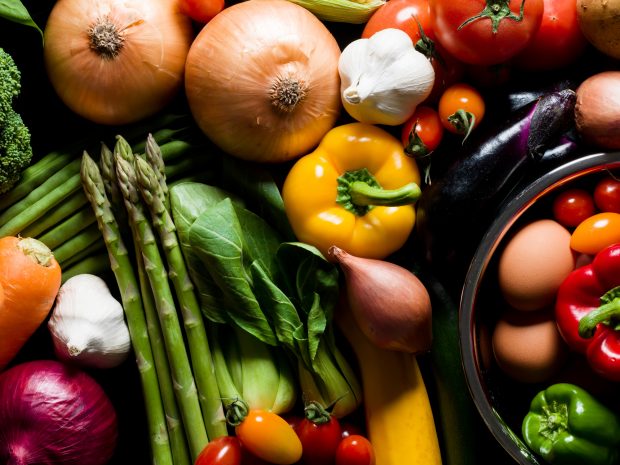
- [Ingredients](serving for two-to-three people)
- Labneh (yogurt strained overnight)300 grams
- SaltOne gram
- SugarTwo grams
- Feta cheese (diced)40 grams
- Cucumbers1/3 of a cucumber
- Green beansSix
- Beets(*1)1/6 of a beet
- FigsOne
- Cherry tomatoesEight
- Black olivesSix
- Mixed greensAs needed
- HazelnutsAs needed
- LemonAs needed
- Olive oilAs needed
- Za’atar(*2)To taste
- DillTo taste
*1. Wrap the whole beet, leaving the skin on, in aluminum foil and bake in a preheated 180°C oven for about 20 minutes.
*2. Za’atar is a Middle Eastern spice mixture of dried herbs. Maruyama makes his own za’atar by blending white sesame seeds, sumac, thyme, oregano, and salt.
-
- [Directions]
- 1. Place the labneh, salt, and sugar in a bowl. Mix with a whisk until smooth.
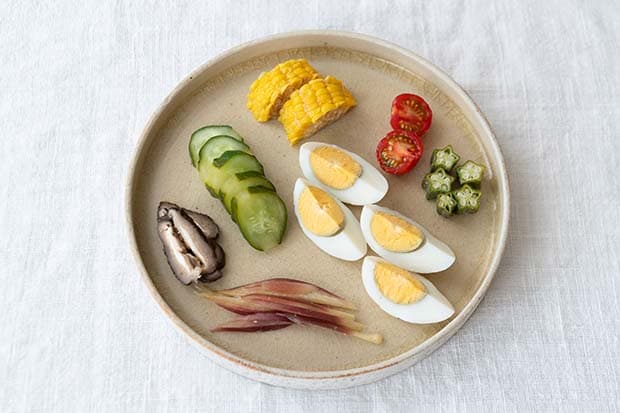
- 2. Slice the cucumber into half-moon shapes. Blanch the green beans until bright green, then cut into three-centimeter lengths. Peel the beet and cut into wedges. Cut the fig into wedges, leaving skin on. Cut the cherry tomatoes in half.
- 3. Heap up half of the mixture from Step 1 in the center of a plate and spread it into a round shape using the back of a spoon.
- 4. Top the base from Step 3 with the mixed greens and then the vegetables from Step 2. Scatter the feta cheese, black olives, and crushed hazelnuts over the top, and squeeze lemon juice over everything. Drizzle with olive oil, sprinkle with za’atar to taste, and garnish with dill.
The remaining labneh can be stored in a clean container in the refrigerator for three to four days.
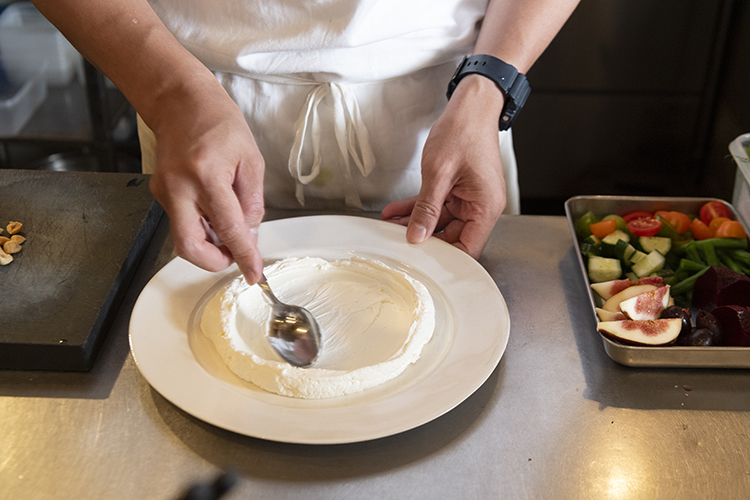
Spreading out the labneh to form a base for the vegetables creates a vibrant visual impact. Because it’s made with yogurt, labneh remains light and guilt-free even when you have generous helpings.
Fermentation broadens the world of food and drinks
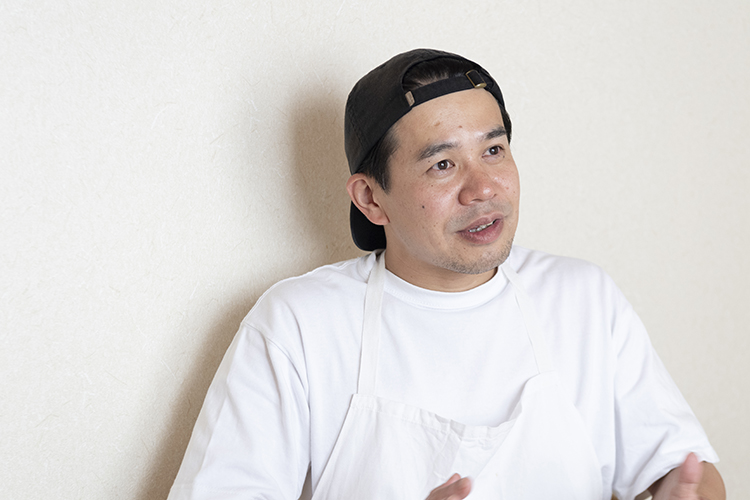
Maruyama runs a wide range of restaurants, including French restaurants, bistros, Mediterranean eateries, and izakaya pubs. Nevertheless, he says fermentation is an essential element across all cuisines.
“For instance, when putting together a course meal, if dishes with very defined tastes arrive one after another, diners will become fatigued. To break this up, rather than a meat or fish dish, I’ll consider a dish where vegetables take center stage. This is where the power of fermentation proves invaluable. Fermenting vegetables allows the expression of distinct tastes and complex umami, adding rhythm to the overall meal. Fermentation is also fundamental when conceiving dishes that pair well with alcoholic beverages.”
Wine, saké, shochu [a distilled alcoholic beverage] — these beverages are also products of fermentation. Dishes incorporating fermentation give drink pairings richer, fuller tastes.
“Right now, I’m interested in sharing Japan’s izakaya culture with more of the world. Saké and shochu, produced with rice koji fermentation, have more depth than wine, which is produced with fruit, and they pair very well with a wide array of ingredients. For example, pairing a labneh salad with shochu is fascinating. By expanding the scope of such combinations, I believe we can offer a new food culture that revamps the traditional image of the izakaya pub.”
Using fermentation to cultivate a discerning eye
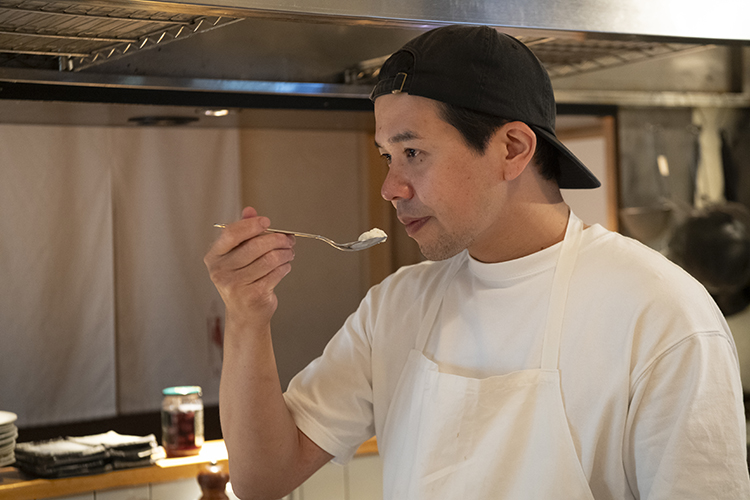
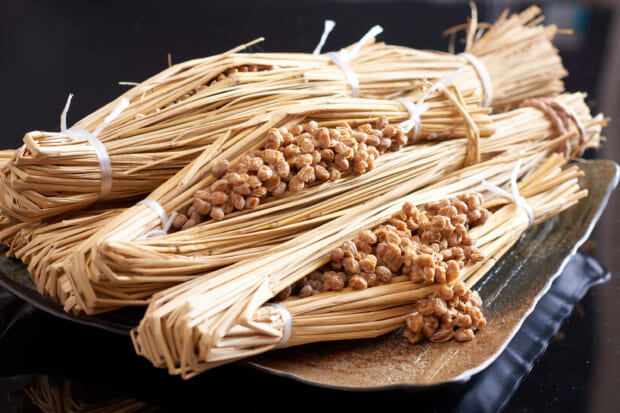
We use many fermented seasonings on a daily basis, such as miso, soy sauce, mirin rice wine, and vinegar. Natto [fermented soybeans], pickles, and yogurt are dinner table essentials too. They’re so familiar, we rarely think of them as fermented.
When asked for tips on further incorporating fermentation into daily life, Maruyama pauses briefly before answering: “Make some miso.” He recalls that since he began making his own miso, he’s had many new discoveries.
“I truly recommend making miso. It turns out surprisingly delicious, and it’s fun watching the process of it changing over time through the work of microorganisms. If you have kids, then you should definitely make it with them. Kids’ hands are carriers of lots of resident bacteria, which are said to help make delicious miso. The experience of watching over the fermentation process can spark thoughts about how the food we normally eat is created. That awareness can help cultivate a keener perspective when selecting food and other products.”
New, expansive forms of food culture starting from fermentation
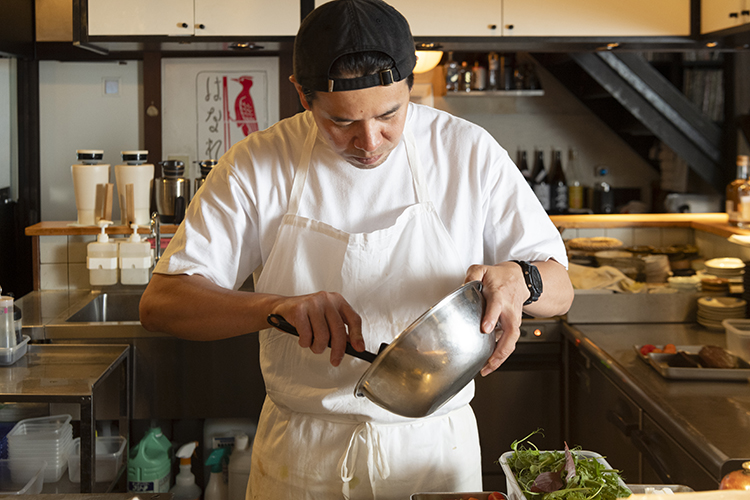
Maruyama enjoys creating new takes on traditional miso, such as making miso from lentils or chickpeas.
“Because of its richness and sweetness, lentil miso has a taste similar to that of Tianmian sauce. I use it as a secret taste in bagna càuda sauce to add a Japanese essence, and we make use of it in our restaurants. Other than miso, soy sauce, vinegar, and yogurt are also fascinating to me. I want to study much more about fermentation.”
Based on his deep understanding and respect for many different food cultures, Maruyama guides his diners through a lavish culinary scene, one that effortlessly crosses boundaries. Fermentation, rooted in traditional food cultures and lifestyles while also offering new possibilities, is an endless subject of exploration for him.
“My aim is to connect Japan’s culture of fermentation with food ingredients from around the world and convey new forms of izakaya and food culture.”
Our next installment in this series features Iwai Satoru, owner of the Kagurazaka wine bar ACIÉ. What fermented food will this drink specialist pick? Watch this space to find out.