Namemiso: Homemade Fermented Flavor from Washoku Shukuriyya
Jun 04,2026
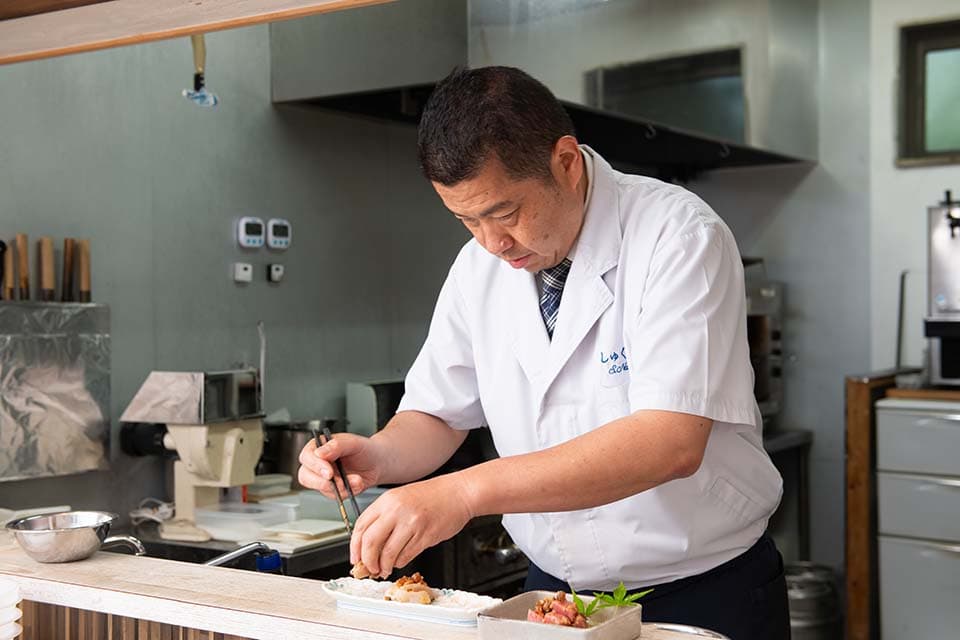
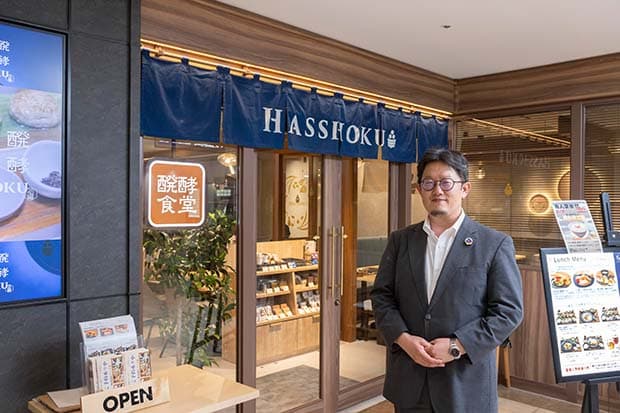
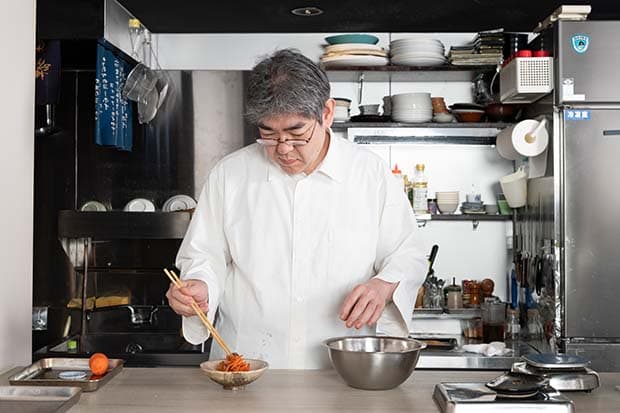
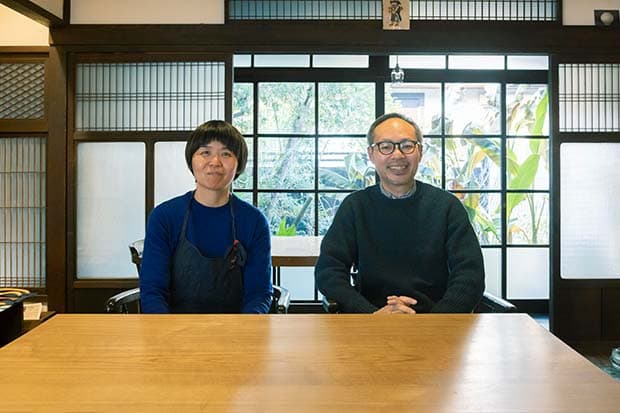
This is the 30th installment of My Choice Fermented Gourmet Dishes. Our guest this time is Nakano Susumu, owner of Washoku Shukuriyya in Ikebukuro, Tokyo.
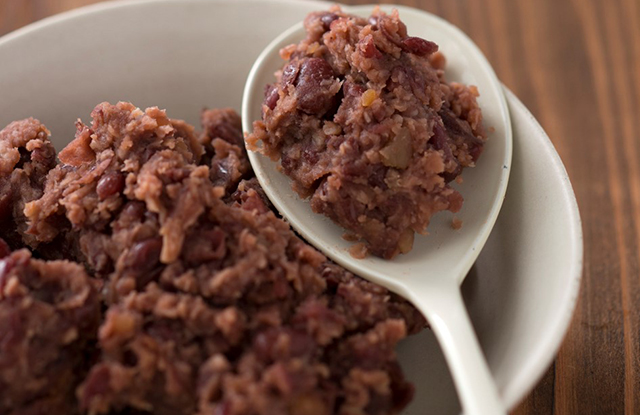
Nakano, who makes all kinds of homemade fermented foods from miso and Nara-zuke pickles to spicy mentaiko cod roe and karasumi dried mullet roe, selected, as his favorite, namemiso [miso mixed with various ingredients and used as a condiment], inspired by oname, a local fermented Saitama dish. With its sweet-and-salty flavor, namemiso is perfect as a side dish with rice and can be used as an all-purpose seasoning to enjoy with meat, fish, or vegetables.
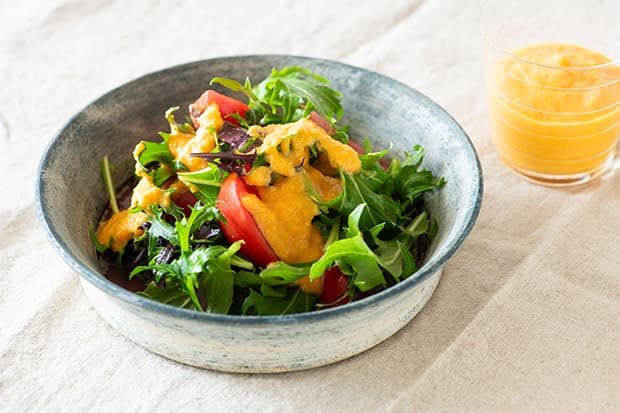
In this article, Nakano shares his way of making namemiso and a recipe for three types of sashimi tossed with namemiso, a refreshing summer dish.
Nakano’s style of making namemiso
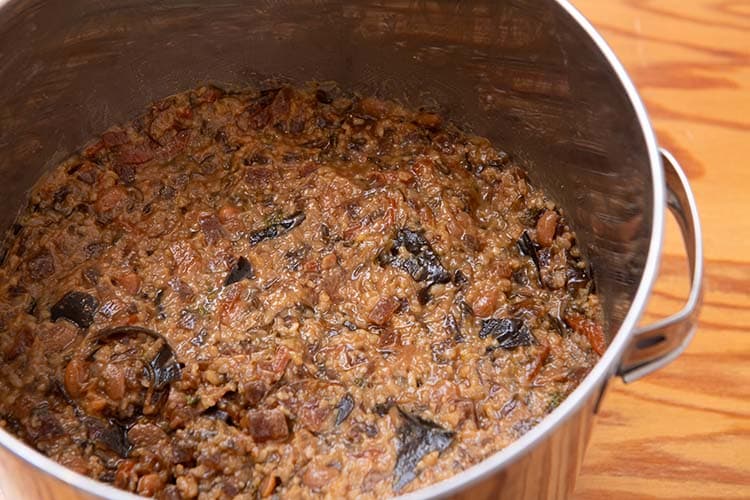
Oname is a regional fermented dish beloved primarily in the Chichibu area of Saitama that is made from barley, soybeans, and koji malt. The dish’s name, which literally means “lick”, is said to come from the fact that it’s so delicious, you’ll lick your chopsticks clean.
For Nakano, who was born and raised in Saitama Prefecture, oname is the taste of home that he’s been familiar with since childhood. Here, he shares his own personal take on oname. It’s ready to eat in about a month, and the fact that you can make it year-round also makes it appealing.
-
- Ingredients (easy-to-prepare amount)
- Soybeans (dried) 500 grams
- Barley koji 400 grams
- Soy sauce One liter
- Mirin rice wine 700 mL
- Sugar 600 grams
- Ginger, kombu dried kelp, yuzu citrus peel, or other preferred flavors To taste
-
- Directions
- 1.Soak the soybeans in plenty of water overnight.
- 2.Place the soybeans from Step 1 in a pot, cover with water, and boil until tender. Then drain in a colander.
- 3.In a separate pot, combine the soy sauce, mirin, and sugar. Bring to a brief boil, then remove from heat and let cool until lukewarm.
- 4.In a sterilized storage container, combine the ingredients from steps 2 and 3 with the barley koji and mix thoroughly. Add chopped ginger, kombu dried kelp, yuzu peel, and other flavors as desired.
- 5.Cover the surface tightly with plastic wrap, and then seal with a lid. Store at room temperature. Stir once a day for the first three days, completely turning the mixture upside down, and then stir once every two or three days thereafter. Once the koji has softened (usually after two to three weeks), store the mixture in a refrigerator.
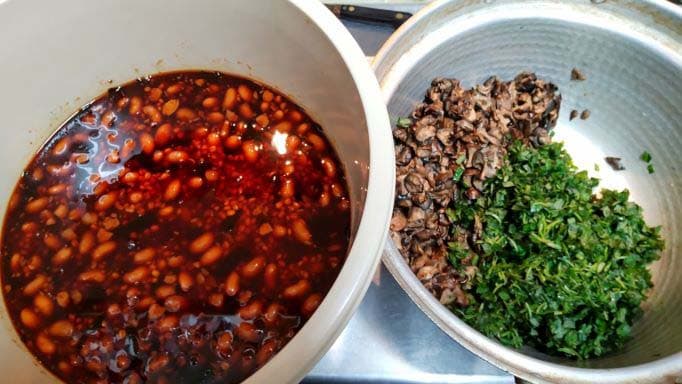
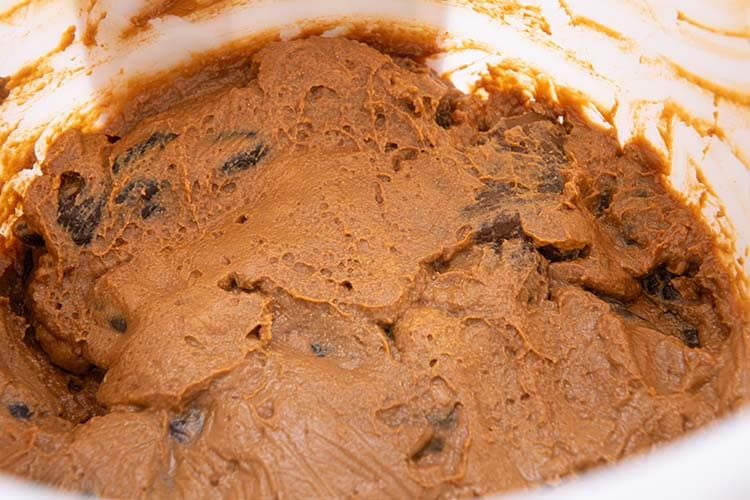
When first prepared, the mixture has a thin, pourable consistency. Stirring it once a day for three days promotes fermentation. After this, stirring the mixture once every two to three days will cause the soybeans to break down nicely. Over the following two or three weeks, the mixture will become namemiso, with all the ingredients harmoniously blended together.
“You can add aromatic herbs and seasonal vegetables according to your preference. Whatever is available at the time is fine. It’s delicious with green ooba perilla leaves, myoga ginger, or green sansho peppercorns. For ingredients with little moisture content like ginger, simply chop them up and add them as is. For vegetables with high moisture content, such as eggplant or daikon radish, the key is to chop them, rub them with salt, and squeeze out the excess liquid before mixing them in. Avoid vegetables that are high in moisture and low in fiber, such as tomatoes.”
If you add chopped vegetables that have been salted and squeezed dry partway through the fermentation process, they’ll provide a delightful accent to the texture and flavor.
“To extend the shelf life and ensure stable fermentation, it’s very important not only to thoroughly remove moisture from the vegetables when mixing them in, but also to wipe any moisture off your hands and cooking utensils.”
Three types of sashimi tossed with namemiso — An easy way to prepare sashimi
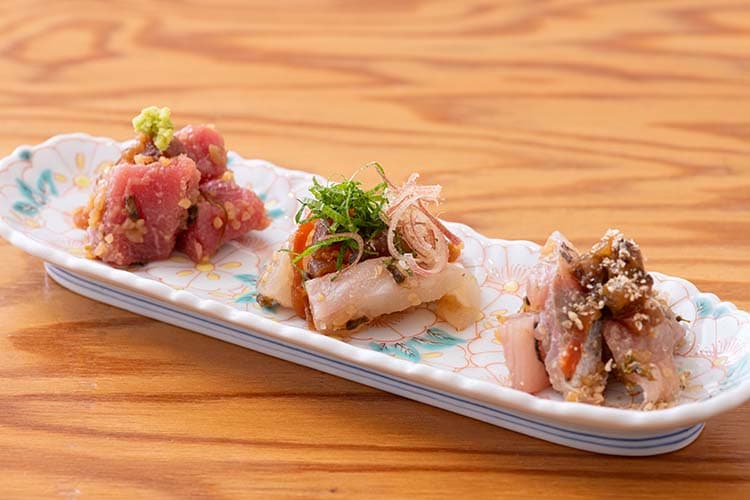
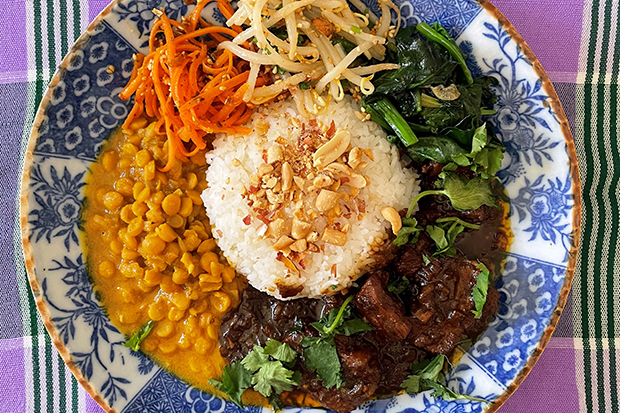
The appeal of namemiso lies in its sweet-and-salty flavor and its rich taste from the fermentation. It’s a versatile addition to the dining table during the hot summer months, whether as a condiment for somen noodles or chilled tofu, or as a dip for raw vegetables. Mix it in with warm rice to make onigiri rice balls, and you’ll have a dish that’s easy to eat even on days when you don’t have much of an appetite.
“Namemiso goes well not only with rice and tofu, but also with meat and fish. It’s delicious when you quickly brush it onto meat for a miso-marinated grilled taste, or spread it on white fish or salmon and steam it until fluffy.”
Nakano especially recommends a simple tossed and marinated dish that requires no cooking. Be sure to read his pro tips that will make supermarket sashimi taste significantly better.
-
- Ingredients (one-person serving each)
- ◎Tuna sashimi dressed with namemiso
- Tuna (sashimi-grade) 50 grams
- Salt and vinegar As needed
- Namemiso 16 grams
- Wasabi As needed
- ◎Sea bass sashimi dressed with namemiso
- Sea bass (sashimi-grade) 50 grams
- Salt and vinegar As needed
- Namemiso 16 grams
- Green ooba perilla leaves, myoga ginger (chopped) As needed
- ◎Horse mackerel dressed with namemiso
- Horse mackerel (sashimi-grade) One small fish filleted into three pieces (50 grams)
- Salt and vinegar As needed
- Namemiso 16 grams
- Sweet-and-sour pickled plums and ground white sesame seeds As needed
-
- Directions
- 1.Cut the tuna, sea bass, and horse mackerel into bite-sized pieces.
- 2.Lightly sprinkle salt on both sides of the sashimi pieces and let them sit for about 10 minutes. Quickly rinse with vinegar water (a mixture of equal parts vinegar and water), then pat dry thoroughly with paper towels.
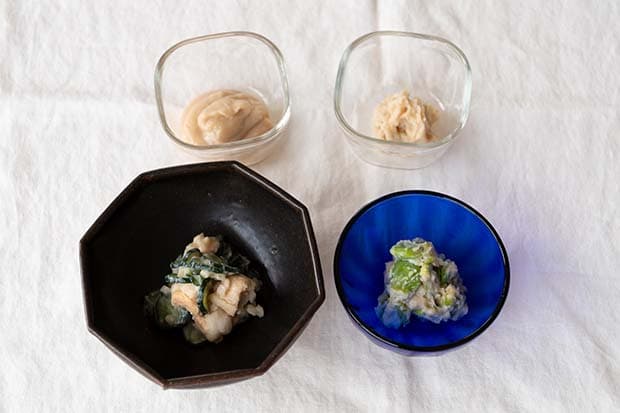
- 3.Toss with the namemiso and top with garnishes as desired.
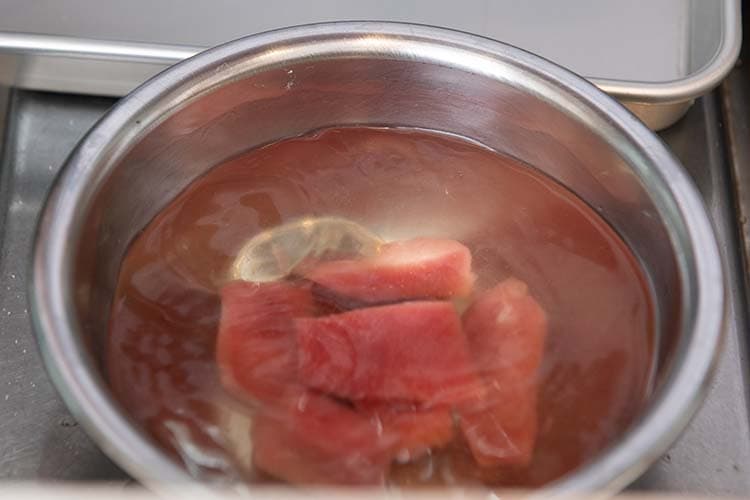
Rinse off any fishy odor or excess moisture that comes out after salting the fish with vinegar water
“The trick to making a delicious tossed and marinated dish is to thoroughly remove the moisture from your ingredients. The second trick is to toss the ingredients just before eating. If you let it sit for a while after tossing, excess moisture will inevitably seep out and dilute the flavor. As a general rule, use an amount of namemiso equal to about one-third the amount of sashimi. If you want a more robust flavor, use about half the amount; if you prefer a lighter taste, use about a quarter.”
Make instead of buying — the preserves that underpin Washoku Shukuriyya’s flavors
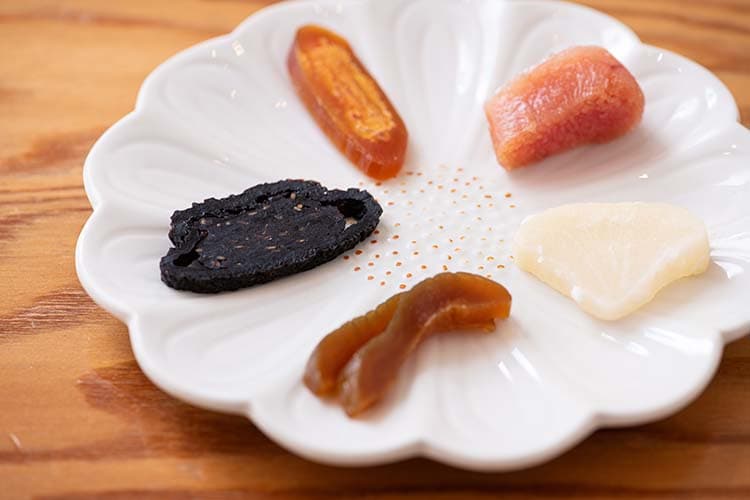
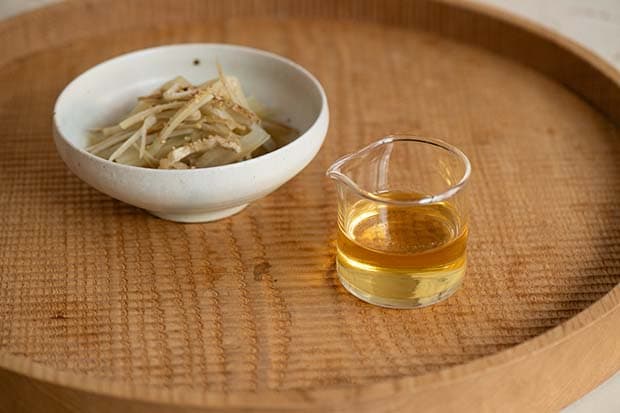
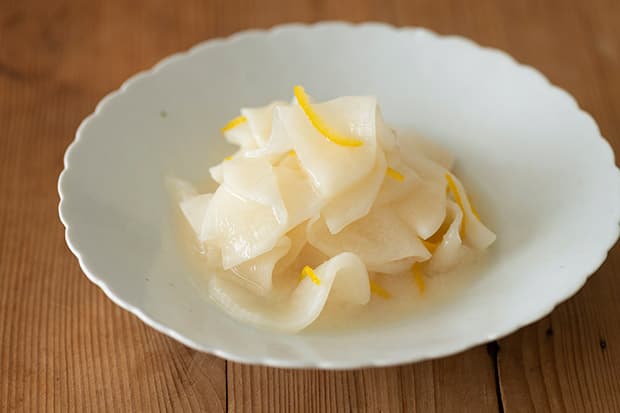
Clockwise from the top left: karasumi dried mullet roe, mentaiko cod roe, pickled daikon, white cucumber Nara-zuke pickles, and yubeshi fermented stuffed yuzu
Besides namemiso, Washoku Shukuriyya features several other items that Nakano prepares from scratch. Many of the fermented and preserved foods that form the foundation of the restaurant’s dishes, such as miso, Nara-zuke, karasumi, and mentaiko, are handmade by Nakano.
“Yubeshi, made by hollowing out a yuzu citrus fruit, stuffing it with miso, and drying it, goes equally well with rice or with drinks. When I receive a lot of yuzu in the winter, I make yubeshi. And when I harvest plenty of eggplant or white cucumbers, I turn them into Nara-zuke pickles. I salt them first and then pickle them in a brine made from saké lees mixed with a sweetener. It takes time for them to become tasty, but that extra time is why the vegetables develop such a deep flavor. The remaining pickling brine can be used as a seasoning for fish or meat.”
Nara-zuke after pickling for about two years. “In another year, it’ll mature even more and turn almost black. But I might end up using it all before then [laughs].”
For Nakano, these kinds of preparations by hand have become a completely natural part of his daily routine.
“Perhaps because I grew up in a household where we made our own miso and pickles, I feel that making fermented foods and preserves is just a given part of life. Whether it’s a bountiful harvest, gifts from others, or things we can’t eat right away, if we pickle them in salt or ferment them, we can make use of all of them without wasting anything. It takes time, but I think making the most of ingredients in this way is part of a chef’s job.”
Cooking in tune with seasonal changes

Nakano maintains a vegetable garden that supports both Washoku Shukuriyya’s kitchen and his daily routine of preparing fermented and preserved foods. Nearly all the vegetables used in the restaurant’s set course meals are grown by Nakano himself in a plot of land he rents in Saitama.
“In winter, our salads become a bit plain. [laughs] That’s because we can’t harvest colorful vegetables like tomatoes or bell peppers then. But I’m fine with that. I want to cook with whatever’s in season.”
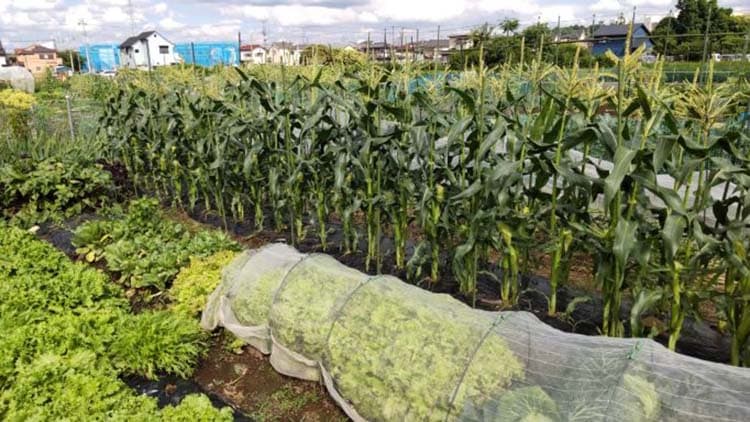
Corn just prior to its harvest season in early summer. Nakano grows a variety of seasonal vegetables.
Nakano’s gardening mentors are his mother and neighbors who tend their own plots nearby. He often receives shares of their surplus harvests of vegetables and fruits. Any produce he can’t use up he preserves by salting or pickling in saké lees or else by turning them into purées or dried fruit.
“Since I run it all by myself, the restaurant operates on a reservation-only basis. On days when I don’t have reservations, I work in the garden, and on days when I’m in the kitchen, my mother and neighbors help me out. For me, both preparing fermented foods and working in the garden are essential to my cooking as well as a time to recharge. When I’m quietly focused on my work, I seem to be able to forget about all the extraneous things, like sales figures or the number of reservations. [laughs]”
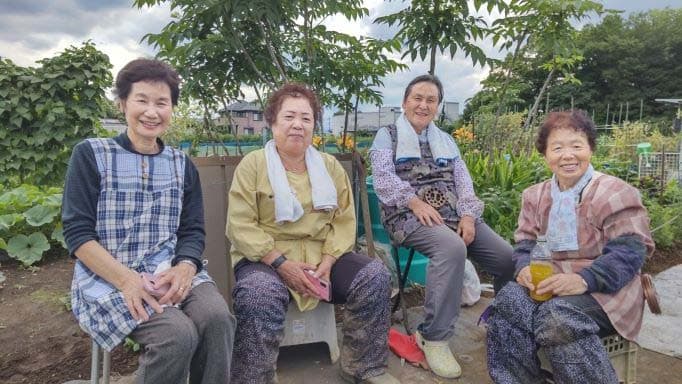
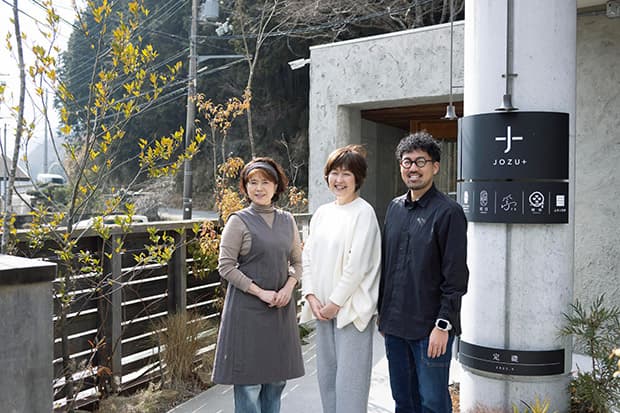
The dependable gardening friends who support Nakano’s kitchen and restaurant. From the left: Arai, Nakano’s mother, Miwa, and Saito. “In between gardening work, they also teach me about local cuisine and delicious ways to enjoy vegetables.”
Nakano’s philosophy on fermentation and cooking: Making the most of your ingredients

Nakano puts lots of ingenuity into his craft, with the idea of living in harmony with nature while making the most of its bounty in delicious ways. Perhaps because he cultivates his own plot and works closely with each season’s harvest, he views ingredients not merely as things to use, but as things to make the most of.
“If you grow and make your ingredients yourself, it’s easier to develop your own unique flavors. Or maybe I’m just frugal at heart. [laughs]”
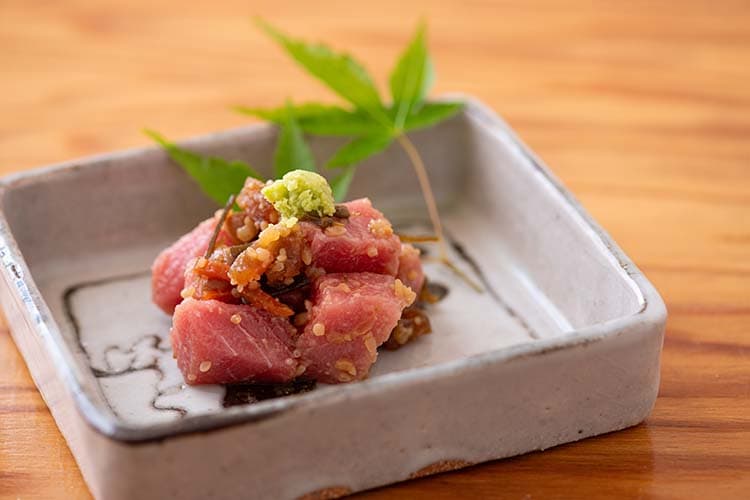
Nakano even uses leaves from the Japanese maple trees planted at his home and in front of his restaurant for the decorative kaishiki accents that are essential to Japanese cuisine presentations. This underscores his culinary philosophy that places value on growing and making food within one’s own reach.
“Preparing fermented foods is, itself, very simple. Once you’ve marinated the ingredients in salt, saké lees, sugar, or similar, it’s up to the microorganisms and time to make them delicious. I still have my share of failures and trial-and-error moments, like when the fermentation goes too far and it ends up being overly sour. But I actually find that part interesting too.”
Nakano uses plenty of seasonal vegetables he’s grown himself, turning surplus harvests into preserves. Rice bran and food scraps are turned into compost and returned to the soil. His fermentation process is imbued with the wisdom of transforming ingredients right before his eyes into something delicious, all while drawing on the power of the seasons and time.
The Tasty Fermentation Club’s baton will travel next to Arai Naoyuki, chef and owner of Cadota, a small neighborhood restaurant in Tokyo’s Higashi-Nagasaki area. Stay tuned for our next installment.