Pao La Jiao Recipe: Easy Pickled Green Chili Peppers
Jul 23,2026
When the weather gets hot, do you ever find yourself dying for something spicy? The Kitchen Calendar series features popular culinary experts sharing recipes for their favorite make-ahead dishes and preserves made with seasonal foods and fermented ingredients.
In this installment, culinary expert and fermented food specialist Shindo Maiko shares the perfect ingredient for satisfying your summer spice cravings: pao lajiao or Chinese pickled chili peppers, which are made by lacto-fermenting fresh green chili peppers. The fermentation process leaves green chili peppers with a somewhat milder kick while lending them a refreshing acidity and complex umami, yielding a flavor that’s addictive. These pickled chili peppers can be used in a wide range of foods. Here Maiko tells us how to feature them in a classic pasta dish: garlic, oil, and chili spaghetti.
Maiko also shows us her homemade kombucha, a favorite fermented drink she’s loved since she was little.
Pickling fresh green chilis is a tasty way to make sure they don’t go to waste.
Fresh green chili peppers appear on store shelves in the summer. They perk up your mood with their bright verdant color, and they pack less of a punch than red chili peppers and taste fresher too. They beg to be used in your cooking. But then you buy them, and you don’t know what to do with them all. Many readers have doubtless had that experience.
“I was once like that too. Raw vegetables just don’t keep. I didn’t want to let food go to waste, so I kept racking my brains for ways to use my chilis, and then I remembered pao lajiao, which are lacto-fermented chili peppers. I’ve eaten them in China and various other countries in Asia, and did they ever taste good. They have a long shelf life too. Once you pickle the chilis, they’ll keep for at least six months, which means you can enjoy chilis that are in season for months to come.”
Maiko knows a lot about fermentation, and she makes good use of the sour taste and umami of lacto-fermented vegetables in her cooking. Pickled chili peppers are now an indispensable item in her summer pantry.
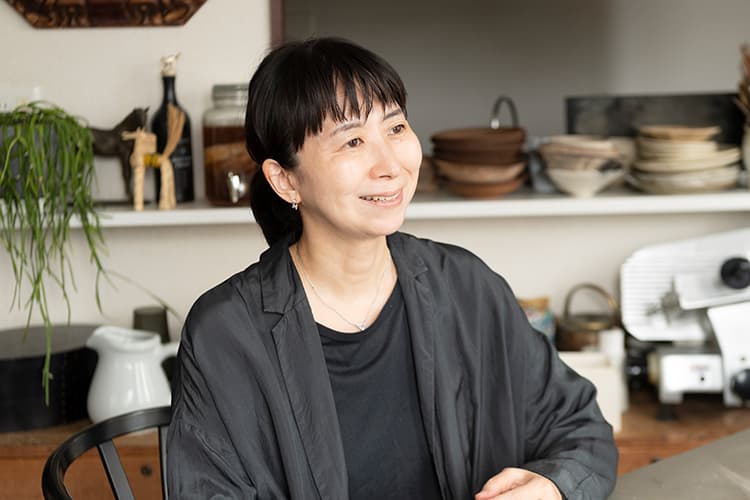
The power of fermentation lends chilis acidity and umami, turning them into the ultimate all-purpose seasoning.
The recent fermentation craze has spawned all manner of fermented and preserved foods, but Maiko sounds a note of caution. “It’s not simply a matter of fermenting everything in sight. The point of fermenting or preserving foods is that it enhances their flavor and makes them better for you.”
Pao lajiao are an even more delicious version of green chili peppers, possessing greater depth of flavor. “You should definitely try making them,” says Maiko.
“Fermenting chili peppers lends them acidity and umami, making them taste slightly milder than if used as they are. When you use pickled chili peppers in your cooking, they don’t just give the flavor pungency but also depth. They’re not so much an ingredient as a seasoning. They’re very handy to have around.”
Recipe for pao lajiao or pickled chili peppers
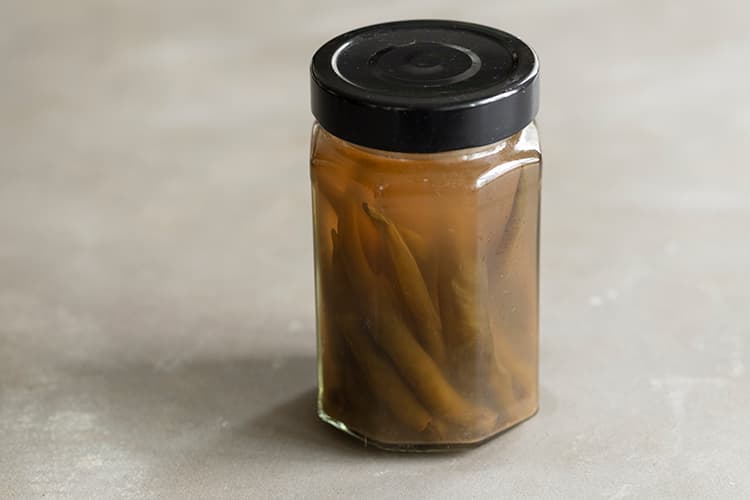
-
- Ingredients
- 20 green chili peppers (approx. 40 g)
- Salt (3% of the water’s weight)
- Water as needed
- 1 tbsp. sake
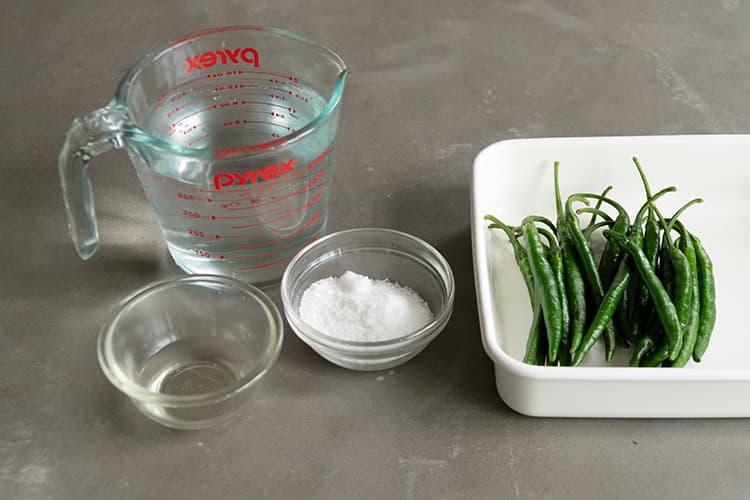
You can decide the quantities of water and salt to use based on the size of your jar or container.
-
- Instructions
-
1. Bring the water to a boil in a pan. Add the green chili peppers and blanch for 2 seconds. Remove to a colander and drain well.
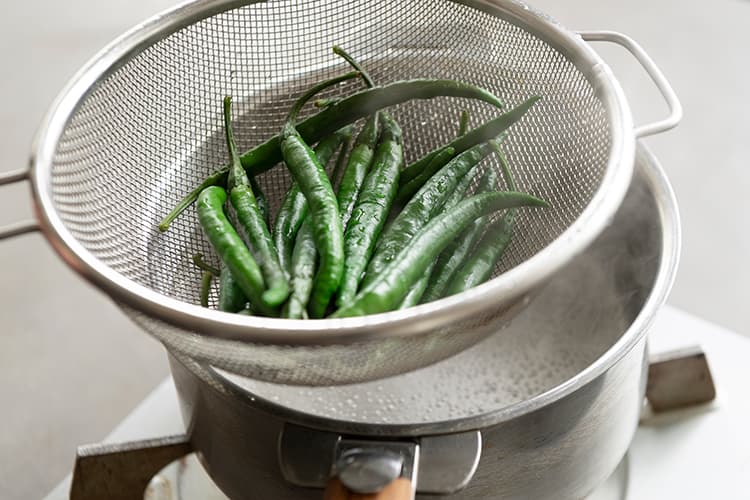
You blanch the chilis to kill bacteria. Immerse them only briefly to avoid adversely affecting the mouthfeel.
-
2. Once the chilis cool slightly, cut off the stems and place in a clean jar.
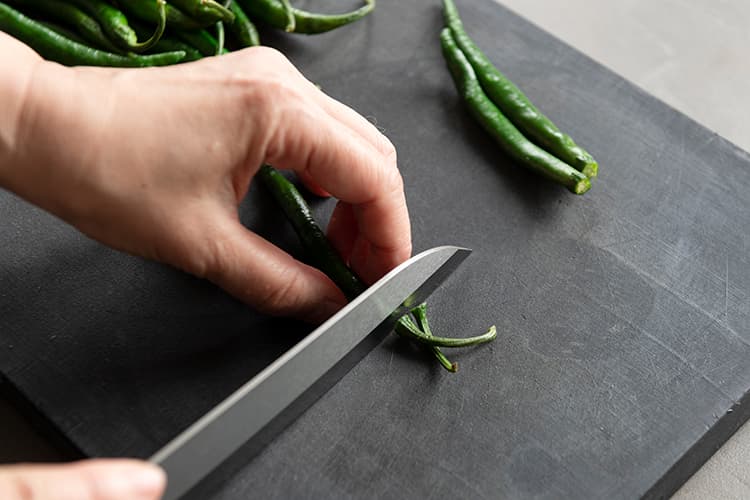
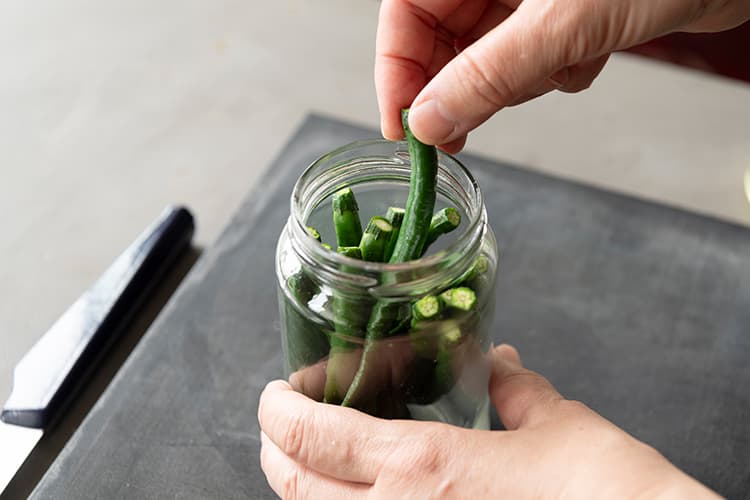
Removing the stems saves space when pickling and makes the chilis easier to put in the jar.
-
3. Weigh the water you’re going to use and add salt equal to 3% of its weight. Pour into a small pan and turn on the heat, thoroughly dissolving the salt. Let cool slightly.
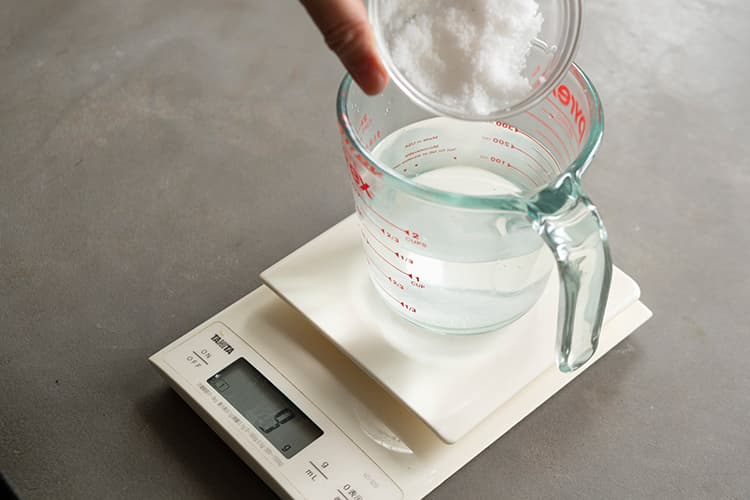
For this feature, 300 ml of water and 9 g of salt were used. The salt dissolves better if you heat the water.
-
4. Pour the water from Step 3 into the jar from Step 2 and add the sake. Close the lid.
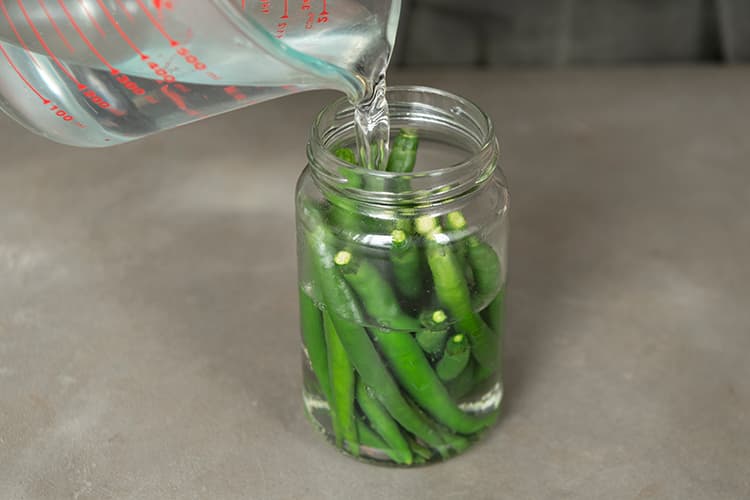
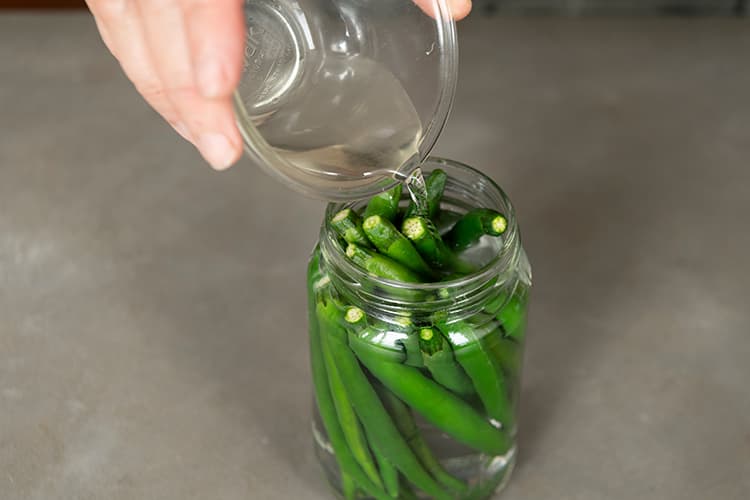
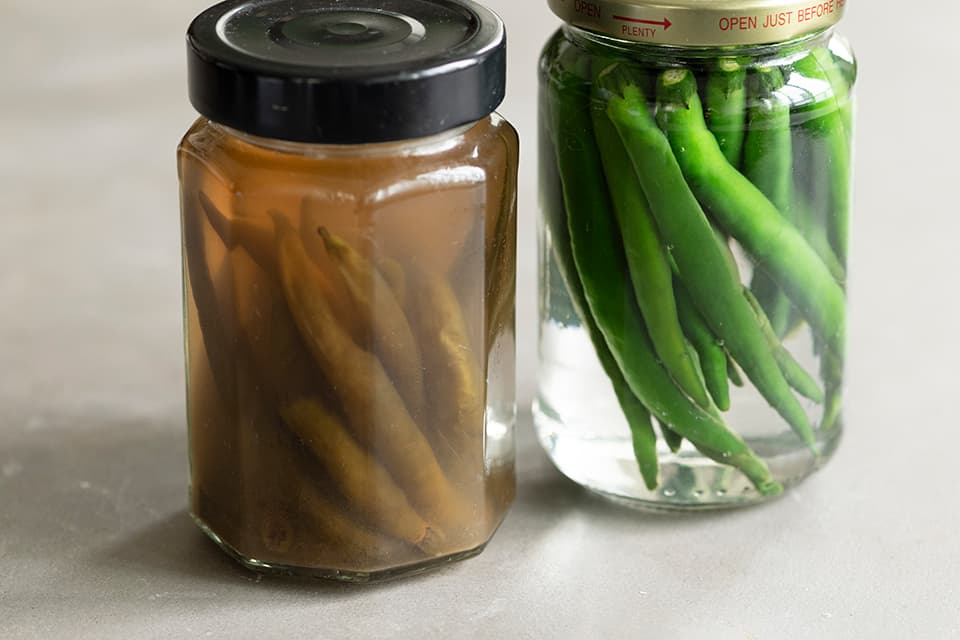
Left: The salted water is what triggers lacto-fermentation. Right: Sake is added to sterilize the brine. In Sichuan, where these pickles originally come from, baijiu liquor is used.
-
5. Shake the jar once a day so the chilis evenly absorb the brine. Let soak at room temperature for about 3–4 days in summer and a week in winter. The pickles are ready once they turn sour. Store in the fridge; they will keep for about 6 months.
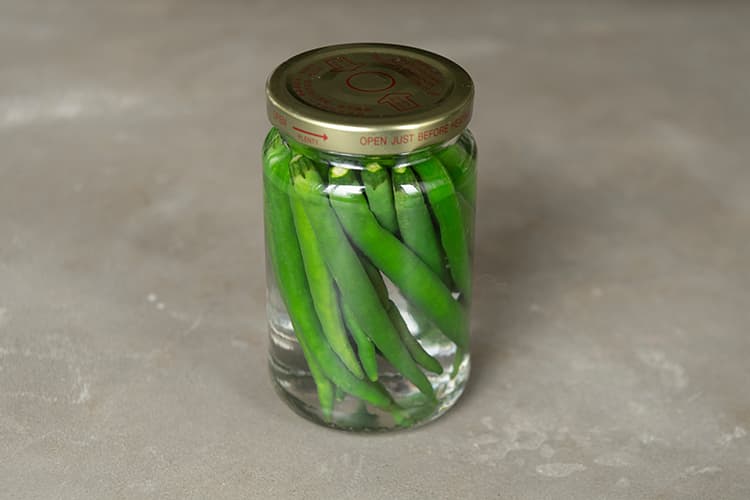
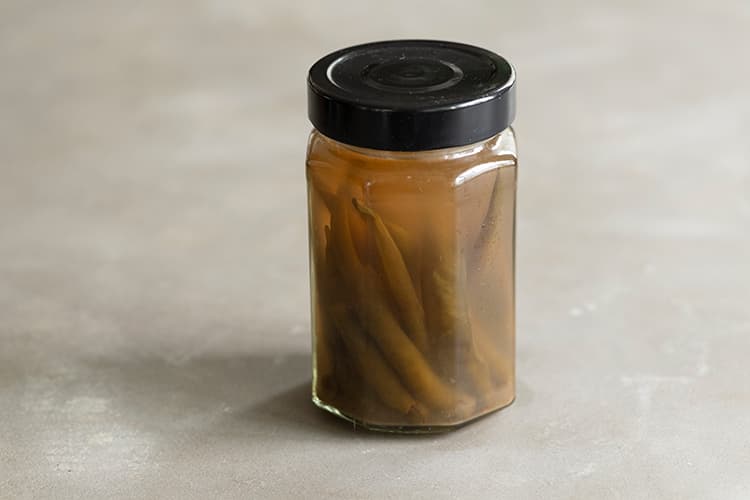
Left: Shake the jar at least once a day to ensure the chilis evenly absorb the brine; otherwise a white film called film yeast is liable to form. If film yeast does appear, replace the salted water. Right: The brine emulsifies as lacto-fermentation progresses.
Delicious serving ideas for pickled chili peppers
Pickled chili peppers make a big difference to many a dish. After all, in their native China, they’re used in a great variety of foods, whether stewed, stir-fried, or steamed.
“They don’t just go well with stir-fried meat; they go wonderfully with stewed fish as well. And despite their Chinese associations, they also enhance the flavor of Western-style foods with their pungency, umami, and acidity. I use them to make garlic, oil, and chili pepper spaghetti. They’re also easy to blend into chopped salad and other dishes served with dressing, since they’re not in-your-face spicy.”
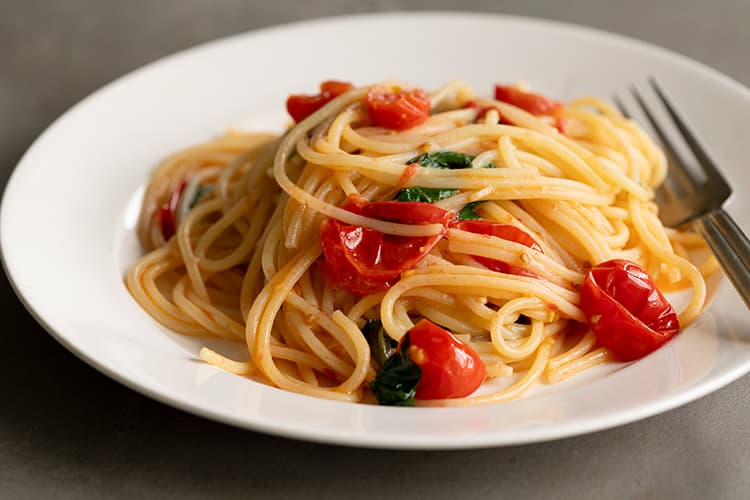
Garlic, oil, and chili spaghetti with tomatoes and basil. A single pickled chili pepper per 2 servings adds just the right kick, but vary to taste. Pickled chili peppers are soft, so chopping them too small makes them virtually unnoticeable.
Kombucha: A rich source of acetic acid bacteria with a crisp, refreshing taste
Maiko makes fermented and preserved foods with seasonal ingredients in her quest to capture the flavors of the season. One that she showed us was a batch of kombucha that she started over a decade ago.
“My grandmother, who was a fabulous cook, used to make kombucha, so I’ve been drinking it ever since I was little. It’s always been a part of my life. I’ve continued making it myself.”
Kombucha is made from a base of tea sweetened with sugar to feed the bacteria. A symbiotic culture of acetic acid bacteria and yeast called SCOBY is added to this broth, which is then fermented at room temperature. Because of the SCOBY’s mushroom-like appearance, the drink was also known as “tea mushroom” in Japan when it caught here on in the 1970s. It’s also become something of a rage overseas, where health consciousness is high, and now it’s a staple there.
“Kombucha is one of few good sources of acetic acid bacteria besides vinegar. Being a fermented drink, it does wonders for your body too.”
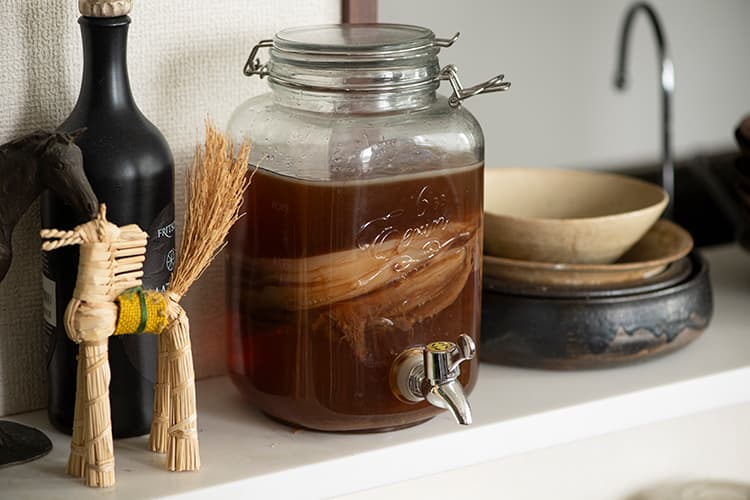
Maiko’s kombucha is made from a base of organic tea. “The SCOBY grows larger as the tea ferments, so I’ve shared it repeatedly with friends. I’ve been keeping it up for years while washing and maintaining the container.”
Not only is kombucha good for you; it also has an appealing flavor profile: a fruity aroma, a refreshing acidity imparted by acetic acid bacteria, a trace of sweetness, and a crisp aftertaste.
“In summer, I like to drink it in the morning. It’s nice to wake up to. I usually water it down to my preferred concentration and drink it with a little ice.”
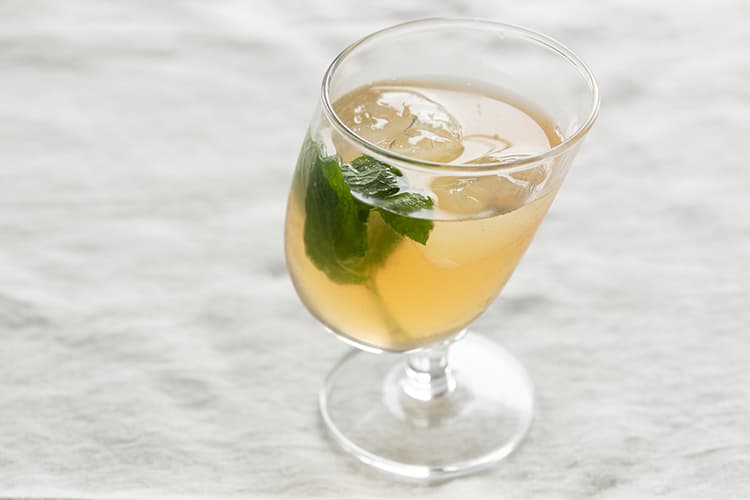
A glass of kombucha with ice and mint looks so cool and refreshing.
In this feature, we’ve showcased pao lajiao, which enhance the flavor of fresh green chili peppers through the power of fermentation. Enjoy truly delicious meals this summer by capitalizing on pickled chili peppers’ harmonious combination of spiciness, acidity, and umami.