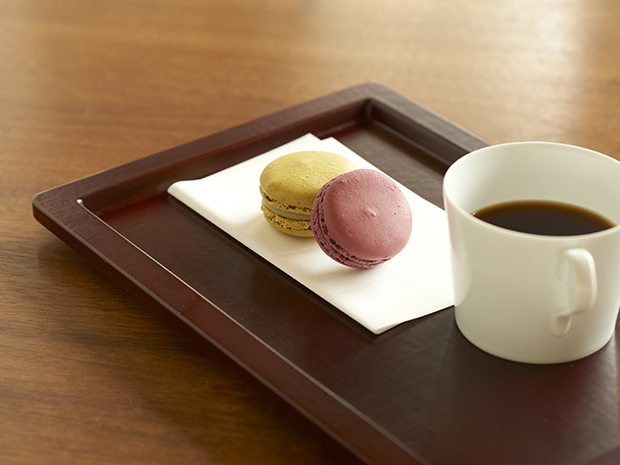
Whether it’s the fermentation-themed restaurants or the craftsmanship behind the furniture and metal fixtures, the meticulous attention to detail remains the same
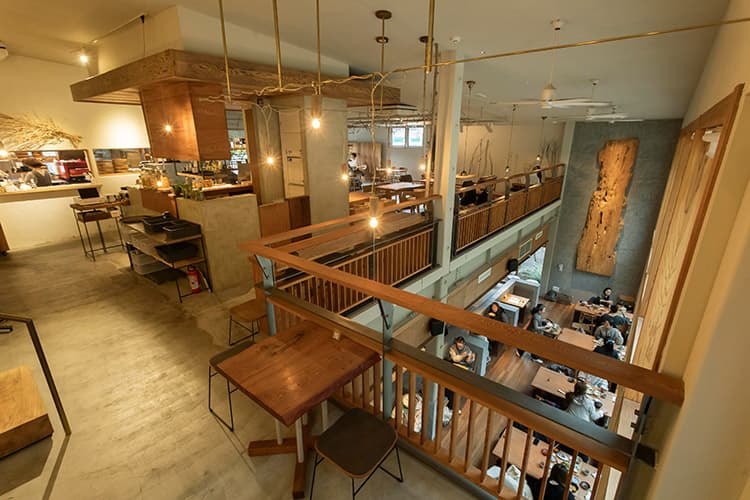
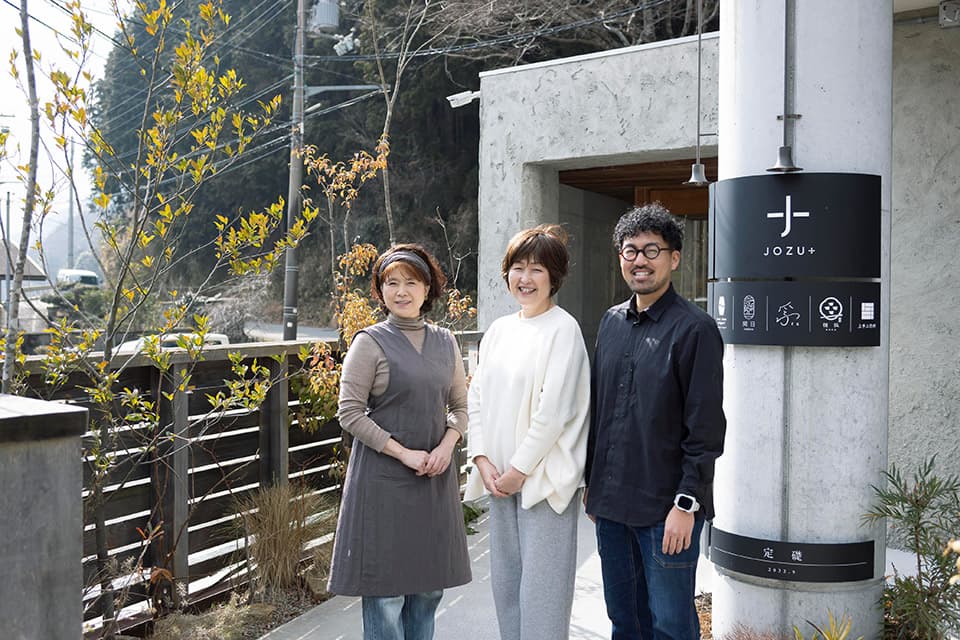
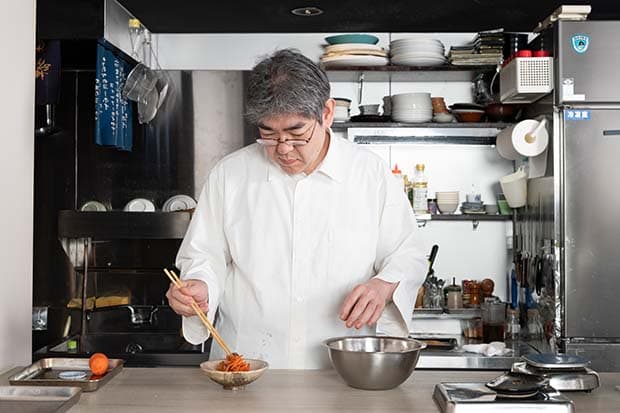
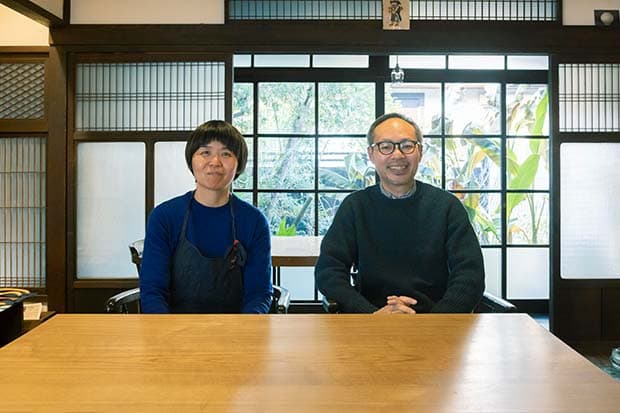
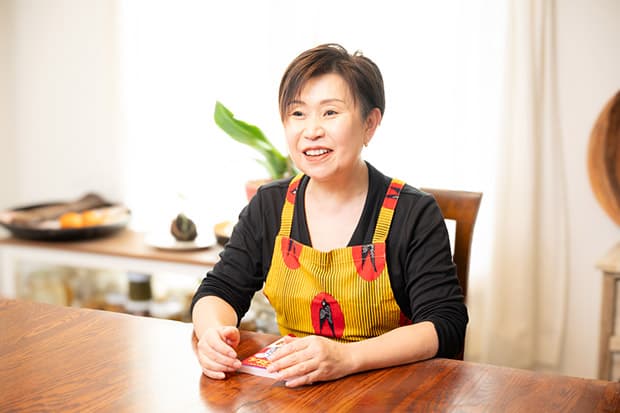
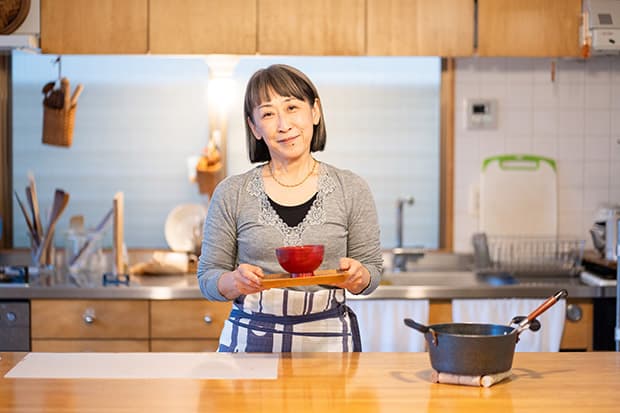
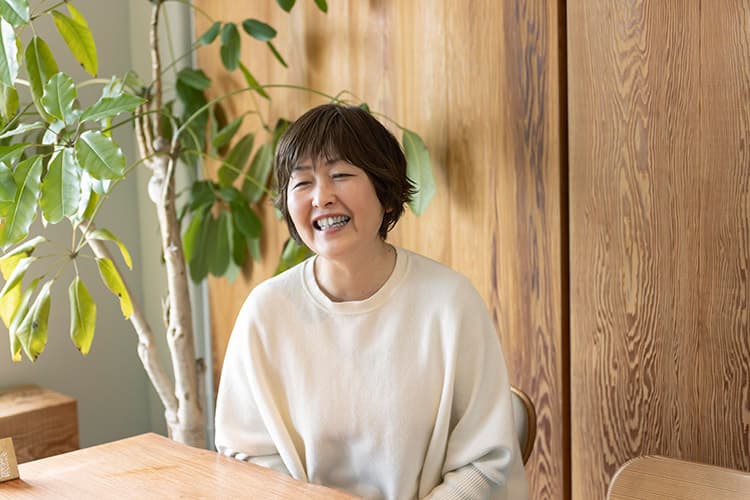
JOZU+ is operated by Jozu Works, a producer of furniture and metal fixtures. But this raises the question: How did a manufacturer end up opening restaurants? The truth is the restaurants got their start with the staff cafeteria provided for the company’s employees. Jozu Works was founded in the city of Higashiosaka, not in Toyono where its current outlet is located. Jozu Works started out as a small workshop led by Tokuda Masayo, the owner of JOZU+, and her husband. As the business expanded, a fire at the workshop prompted them to search for a location without houses nearby, which led them to choose their current site. Although the business prospered afterward, the area was quite remote — with no houses, convenience stores, or restaurants nearby — so they found themselves increasingly concerned about their employees’ lunch options.
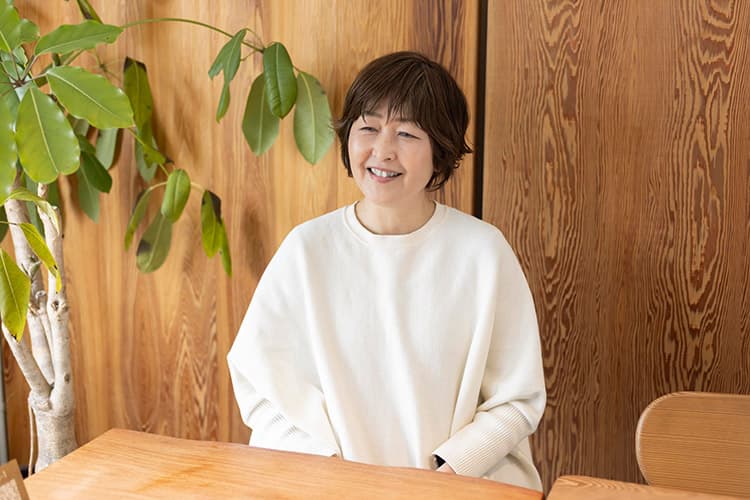
“Many of our employees are young, so they often bought bento lunch boxes from convenience stores or supermarkets before coming to work. But the amount of trash was staggering. I grew tired of seeing so much plastic waste created by just these small bento boxes, so I decided to set up a staff cafeteria in view of our employees’ diets and health. Initially, I oversaw the cooking myself. On the business side, we were fortunate to keep adding employees, but as a result I couldn’t keep up with the cafeteria while juggling my other work duties. So I convinced my mother, who is a fabulous cook, and one of the employees’ mothers to take over the cafeteria.”
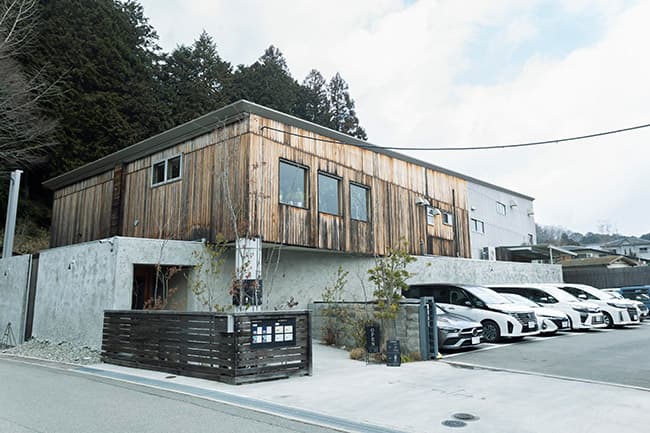
Although the staff cafeteria was initially located inside the workshop premises, by the time the number of employees exceeded 70, there simply wasn’t enough space in the kitchen. This led the company to construct the current JOZU+ complex as a new site for the employee cafeteria.
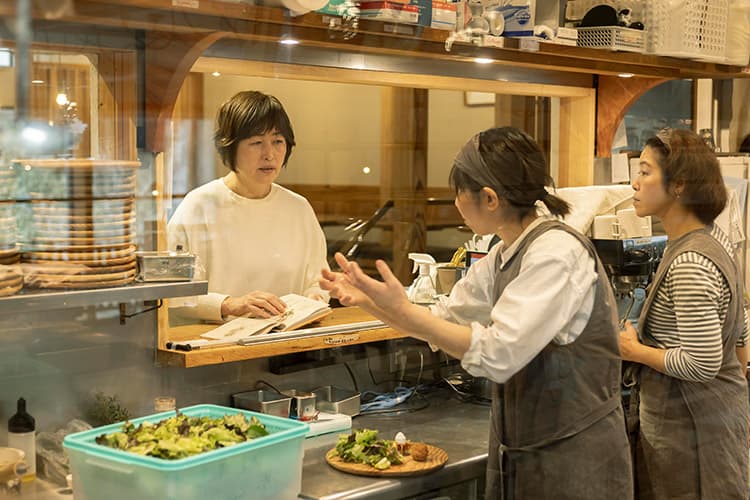
“Our initial plan called for a very simple structure, about the size of a prefab shed. But through a business connection, I met a local chef, a real go-getter, who told me, ‘Since you’re putting up a building anyway, it’d be a waste to use it just for your own cafeteria. Why not open a restaurant? I’ll teach you all you need to know about cooking.’ I didn’t give it too much thought at the time, but I suddenly realized plans for a restaurant were moving forward. The building we’d intended to be just a prefab ended up becoming something much larger. [laughs wryly]”
Amazingly, Jozu Works found itself launching a restaurant business. As Tokuda took the lead in developing the menus, she says she was forced to rethink her fundamental approach to food.
“Vegetables and rice were a given. But when I started considering what seasonings to use at JOZU+, it made me realize again just how complex food is. What salt should we use? How is refined white sugar actually made? As I pondered all these questions and thought back on the reasons for getting involved in the restaurants in the first place, I remembered everything had begun with the idea of prioritizing our employees’ health. I didn’t want to focus on fancy foods or trends or appearances; I wanted to serve healthy food that people would find delicious day after day. Things like pickles and miso soup — foods Japanese people have been eating for generations. I noted that fermented ingredients are exactly the kind of simple, everyday foods people want to eat.”
Rediscovering the deliciousness of fermented ingredients helped define the direction of the food at JOZU+. When the complex first opened, the company operated various food and beverage outlets on the premises, including an ice cream place and an inarizushi [vinegared rice wrapped in deep-fried bean curd] stall. It now runs two restaurants: Fuu, a Japanese restaurant on the first floor, and Kanjitsu, a Western-style restaurant and café on the second floor.
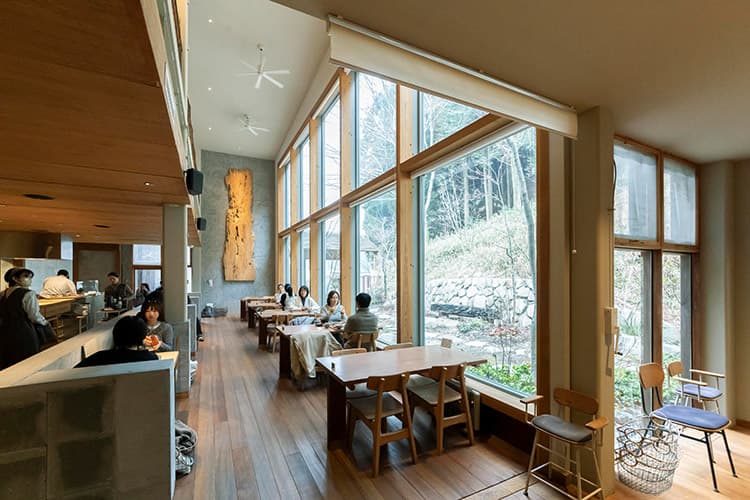
The first-floor restaurant Fuu features large, floor-to-ceiling windows that create a sense of spaciousness, allowing guests to enjoy their meals in a hotel-like setting
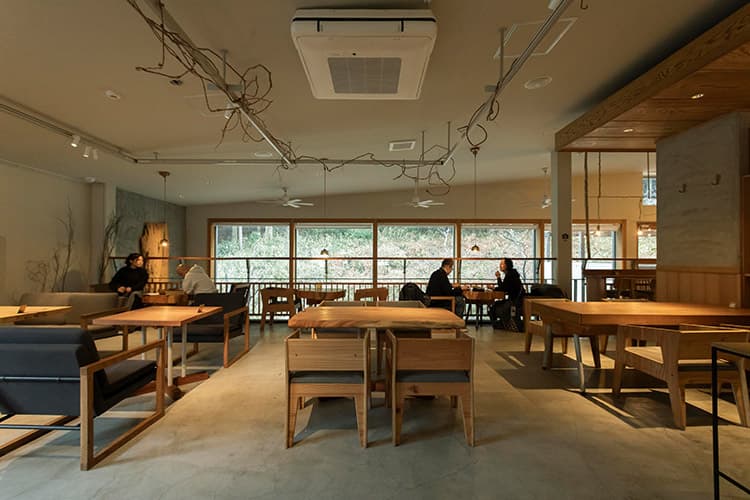
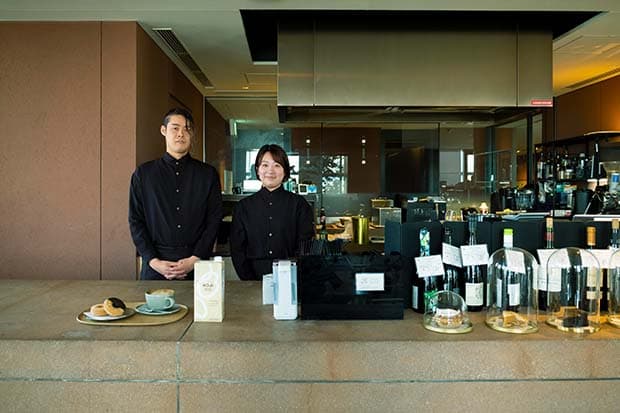
The atmosphere is more casual at Kanjitsu, the second-floor Western-style restaurant and café. The café is open all day.
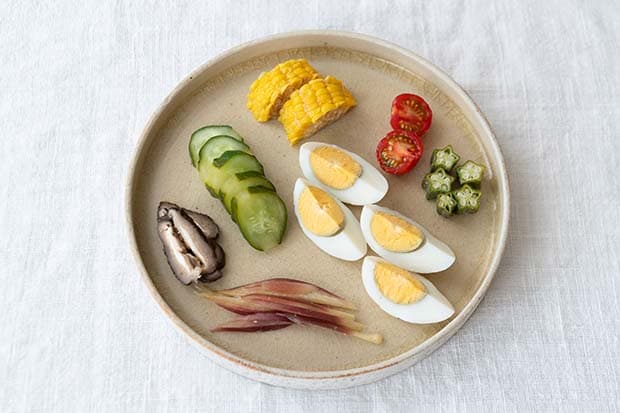
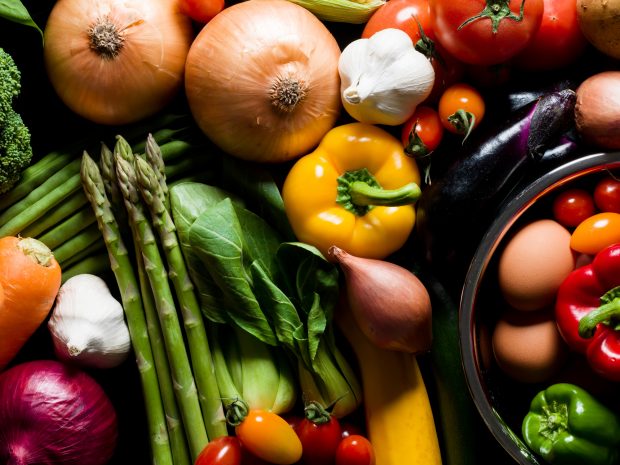
“I slowly learned how fermentation benefits the body and how best to incorporate it into dishes. What I kept coming back to was the importance of ingredients. At first, the restaurants felt like we were entering a completely different industry. But probably because at Jozu Works we normally work with materials like wood and metal to construct furniture and fixtures, I came to the realization that the workshop and the restaurants are the same: they both connect to taking pride in your craft. What we do at the restaurant is cook using the ingredients close at hand. At this time of year, for example, we start creating our menus by asking ourselves, ‘Can we do something interesting with the slightly unusual vegetables harvested locally?’ We don’t follow cookbooks to create some kind of elaborate dishes. Instead, we choose the menu items we’ll serve based on the ingredients we have. There are plenty of wonderful restaurants in the center of Osaka, but we’re not trying to compete with them. We do what we want here, in this place, together with our employees. This is what JOZU+ is all about, and I think it’s something that can only be done here.”
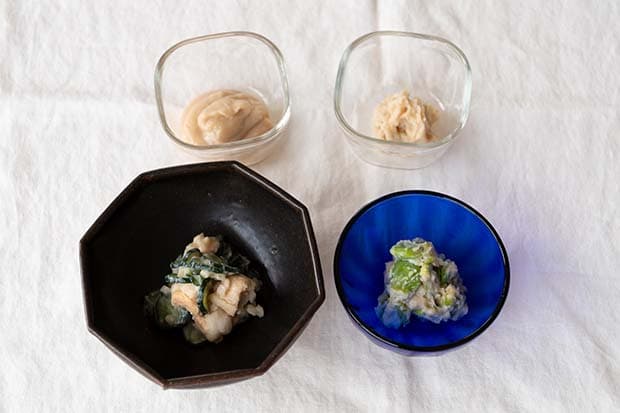
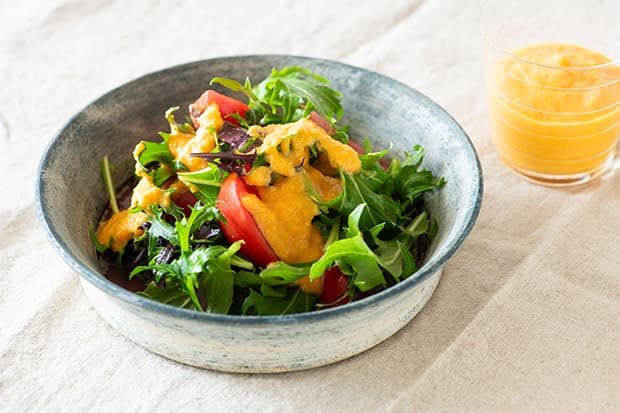
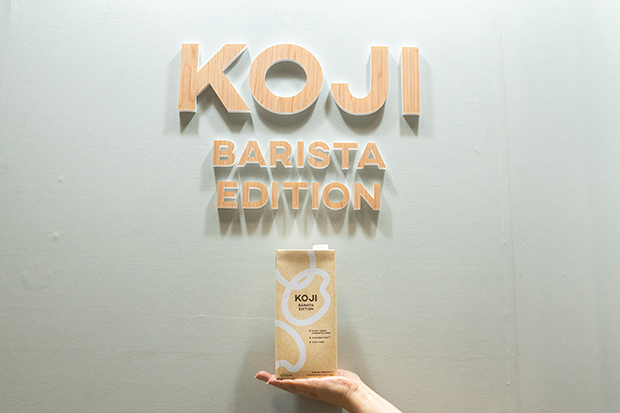
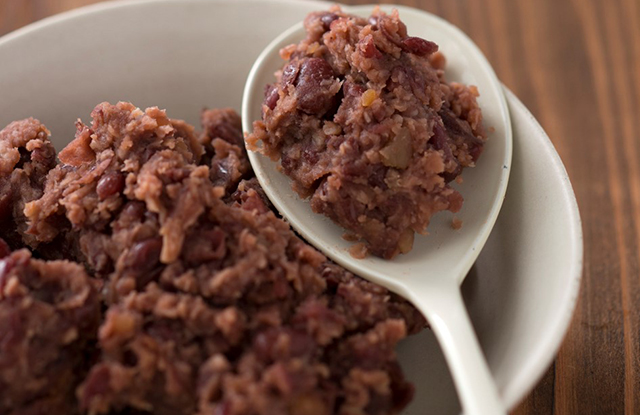
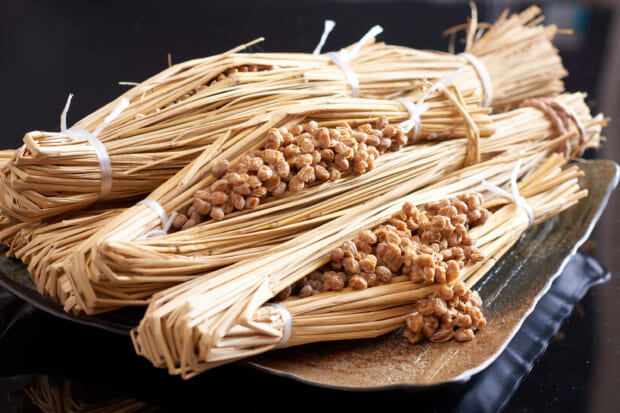
The fermented seasonings currently used at the two restaurants range widely, including such ingredients as miso, koji rice malt, amazake [a sweet drink made from koji], and yogurt. Most of the seasonings, including miso and salted koji, are handmade.
“We use koji in almost every dish, whether marinating ingredients in it or using it in dressings. At present, we source koji produced from locally grown rice in Nose to make our own salted koji and soy sauce koji, but in the future, we plan to switch to koji we make ourselves. And every winter, all our employees come together to prepare a year’s supply of miso. Besides fermented seasonings, we’ve changed from using wheat flour to rice flour in our dishes and we make our own mayonnaise from soy milk. Nevertheless, we aren’t fixated on being organic or vegan; our aim is a natural feeling without going to extremes.”
Being able to enjoy Japanese and Western cuisine on different floors is a unique part of JOZU+. The complex, however, has undergone numerous changes and improvements since it opened.
“Originally, we served lunch on the first floor and operated a café on the second floor. However, to allow more people to enjoy JOZU+, we transformed the second floor into its current style around February of last year. We felt it would be good to create a casual atmosphere where people wouldn’t have to worry about other guests even if they had small children. We hope guests will discover the appeal of fermentation with our casual Western-style dishes and then enjoy the Japanese cuisine on the first floor. We hope people will take advantage of this and enjoy the space in various ways.”
Daily comfort food, crafted with fermented seasonings prepared by the whole staff
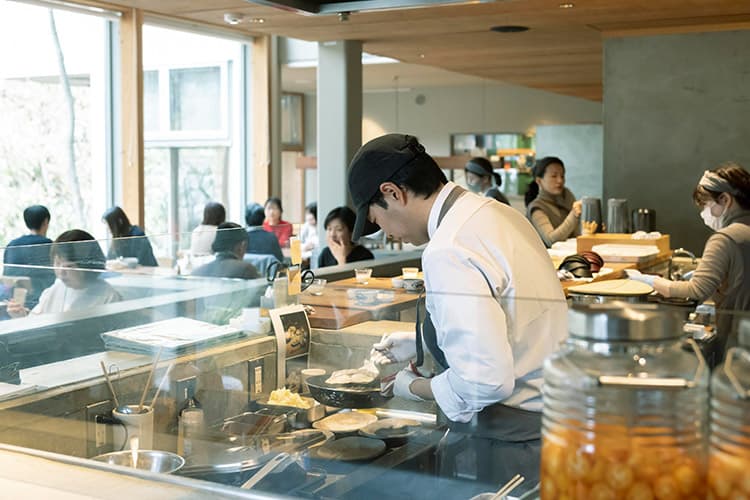
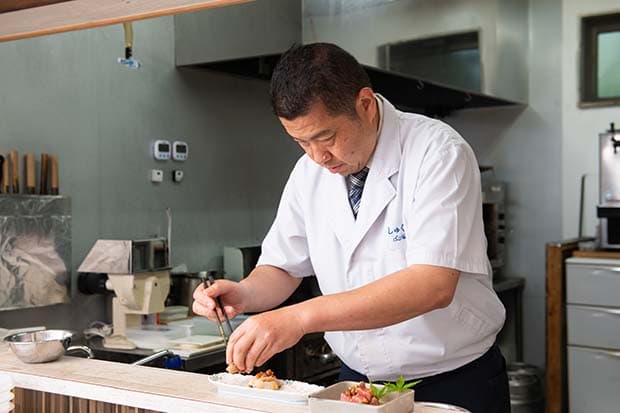
The menu items at both restaurants change with the four seasons. Certified on-staff Fermentation Meisters are in charge of preparing exquisite dishes made with seasonal ingredients.
“Rather than focusing on meat or fish as the main course, we specifically build our menu items around seasonal vegetables. While fermentation has a strong association with Japanese cuisine, we use fermented seasonings in cookies, cakes, and other sweets served at Kanjitsu on the second floor. A surprising number of guests are interested in koji, and we’re often asked how we make our koji. At an ordinary restaurant, most people might hesitate to ask the chef for a recipe, but since we sell our handmade salted koji and soy sauce koji in our first-floor shop, we’re happy to share our recipes anytime. Personally, I’ve increasingly noticed that adding fermented seasonings into my daily routine has improved my gut health. But because these seasonings are not like medicine that takes effect overnight, I don’t want to pressure our customers. I think it’s better to take a relaxed approach and simply suggest that they try adding some fermented seasonings casually into their everyday meals without thinking too much about it.”
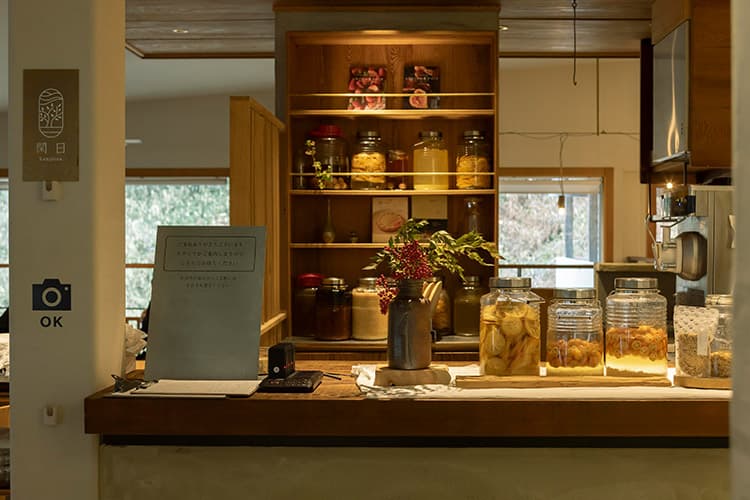
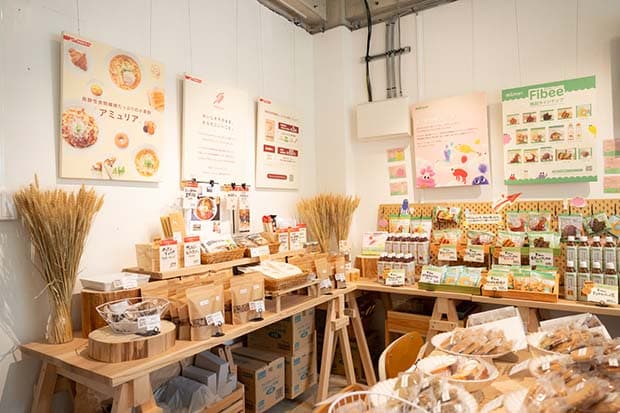
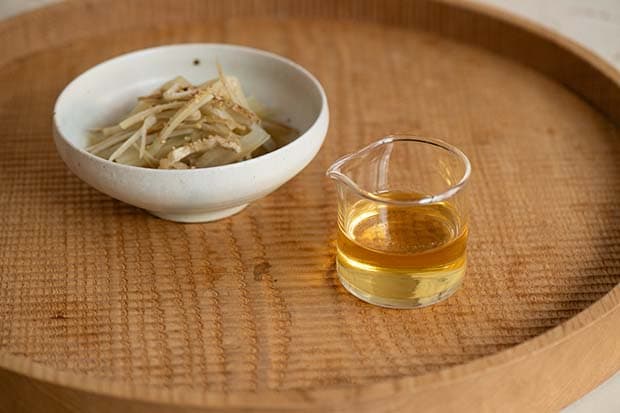
In addition to salted koji and soy sauce koji, Jozu+ offers handmade syrups and other concoctions made with locally grown fruits
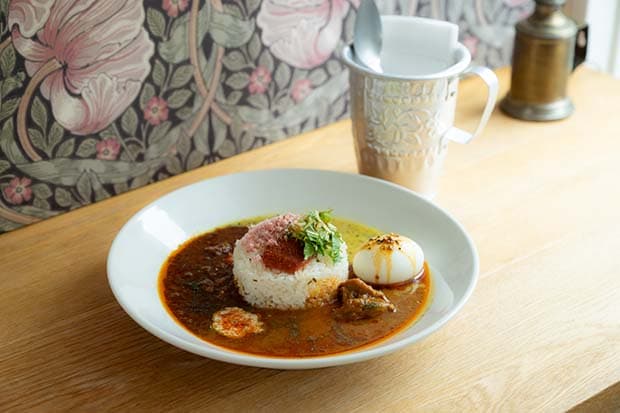
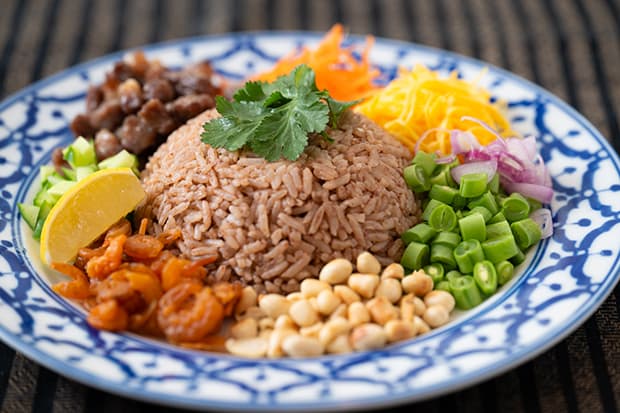
JOZU+ is noteworthy for its interior resplendent with the gentle warmth of wood. This comes from the tables and chairs crafted by Jozu Works, the complex’s parent company, as well as from monuments and other features made of natural timber. Having a meal in this space is something to savor. Fuu, on the first floor, features visually vibrant Japanese cuisine, including hearty soups as the main dish, six side dishes, and rice cooked in a traditional pot. On the second floor at Kanjitsu, you can enjoy pizza, skillet dishes, desserts, and more. Each dish is a deeply flavorful masterpiece, crafted with extra care using homemade fermented seasonings like salted koji, miso, and sake lees.
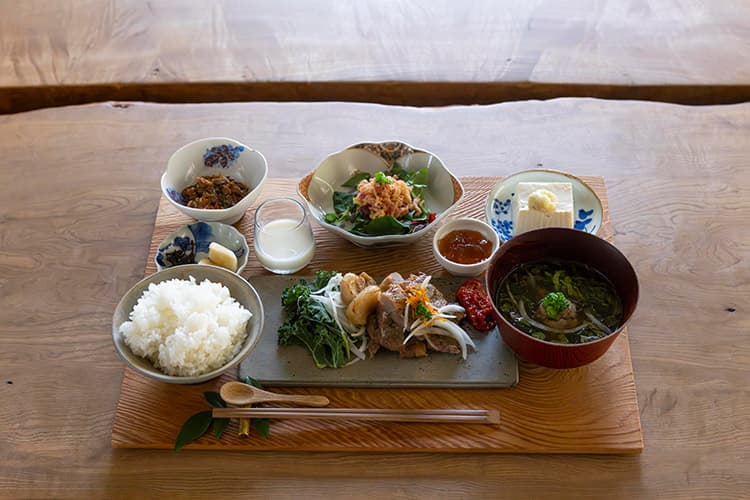
The Pork Shoulder Roast Steak Marinated in Salted Koji (¥2,500) is one of Fuu’s course meals for spring 2026
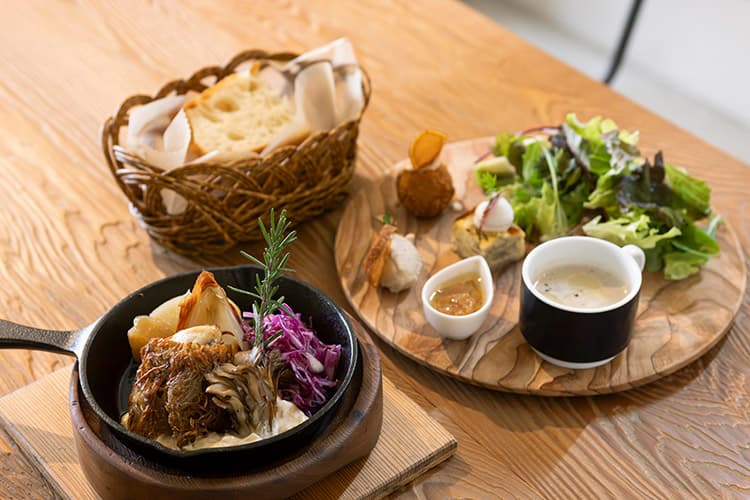
The Savory Spanish Mackerel Galette and Winter Vegetables Served with Soy Milk Mayonnaise (¥2,400) is a skillet lunch special available at Kanjitsu
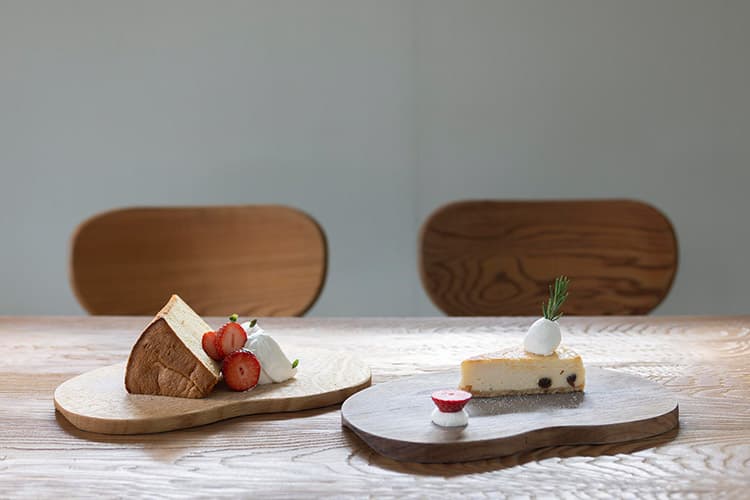
Handmade sweets like the Rice Flour and Sweet Koji Chiffon Cake (¥560) and the Akishika Brewery’s Sake Lees Cheesecake (¥770) are also popular
“Customers tell us they notice they feel healthier after dining at JOZU+. I think that noticing one feels healthier is what is truly important. We hope that by enjoying a meal surrounded by nature, guests can experience an emotional refresh. That they can put down their smartphones and relax at JOZU+, even while busy with work and home life. Our complex is located in Toyono, which is a fair distance from Osaka and can only be reached by car. So we hope our guests make a mini-getaway out of their visit here, such as enjoying the cherry blossoms in the coming season or the autumn foliage. Today, when information spreads via social media, I think that simply having delicious food often isn’t enough to leave a lasting impression. So our aim at JOZU+ is to create a destination where our guests remember a little of everything, from the interior space to casual conversations with our staff.”
Tokuda says she wants to continue actively improving more than just the cuisine. We look forward to seeing what innovations she comes up with.
“We currently source our vegetables primarily from local farmers. The area around Toyono is full of ambitious young people who have moved here looking to practice organic farming. Going forward, I’d like to ask farmers to cultivate crops specifically for us, creating a mechanism that balances supply and demand. I want to develop other frameworks that allow the whole town to enjoy farming together.”